
What North South University Is
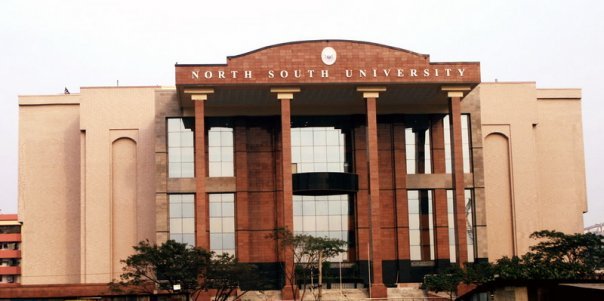
North South University (NSU), in Dhaka’s upscale Bashundhara Residential Area, was established in 1992 as Bangladesh’s first private university. It is known for its modern academic approach, contemporary campus design, and cultural life. Its curriculum follows North American standards and offers a diverse selection of programs. NSU is recognized for academic excellence nationally and internationally (North South University - About; The Conversation).
The campus combines academic buildings, libraries, green spaces, and recreational areas. NSU also contributes to Dhaka’s intellectual and cultural life through public events and engagement with other institutions. Visitors may come for academic collaboration, enrollment, or cultural exploration (Prothom Alo, 2023).
History and Significance
Founded by a coalition of philanthropic and academic leaders, NSU was established to introduce world-class private higher education in Bangladesh. It was officially inaugurated in 1993 and adopted North American academic models, including semesters, credit hours, and letter grading, helping set standards for future private universities (North South University - About; The Conversation).
The university’s strengths include business, engineering, computer science, and social sciences. It is consistently ranked among Bangladesh’s top universities, maintains international collaborations, and updates its programs to meet global standards (Times Higher Education; Prothom Alo, 2023).
NSU attracts over 22,000 students and supports local economic growth through businesses and services in the area (Times Higher Education; North South University Facts). Its presence reflects Dhaka’s trend toward integrated, planned educational districts (NSU Urban Book). The campus and surrounding area are described as primarily middle- and upper-income, reflecting Dhaka’s urban divisions. NSU’s diverse community and academic-public engagement contribute to the city’s cultural life (North South University - About; NSU Department of History and Philosophy).
What to See
Campus and NSU Monument
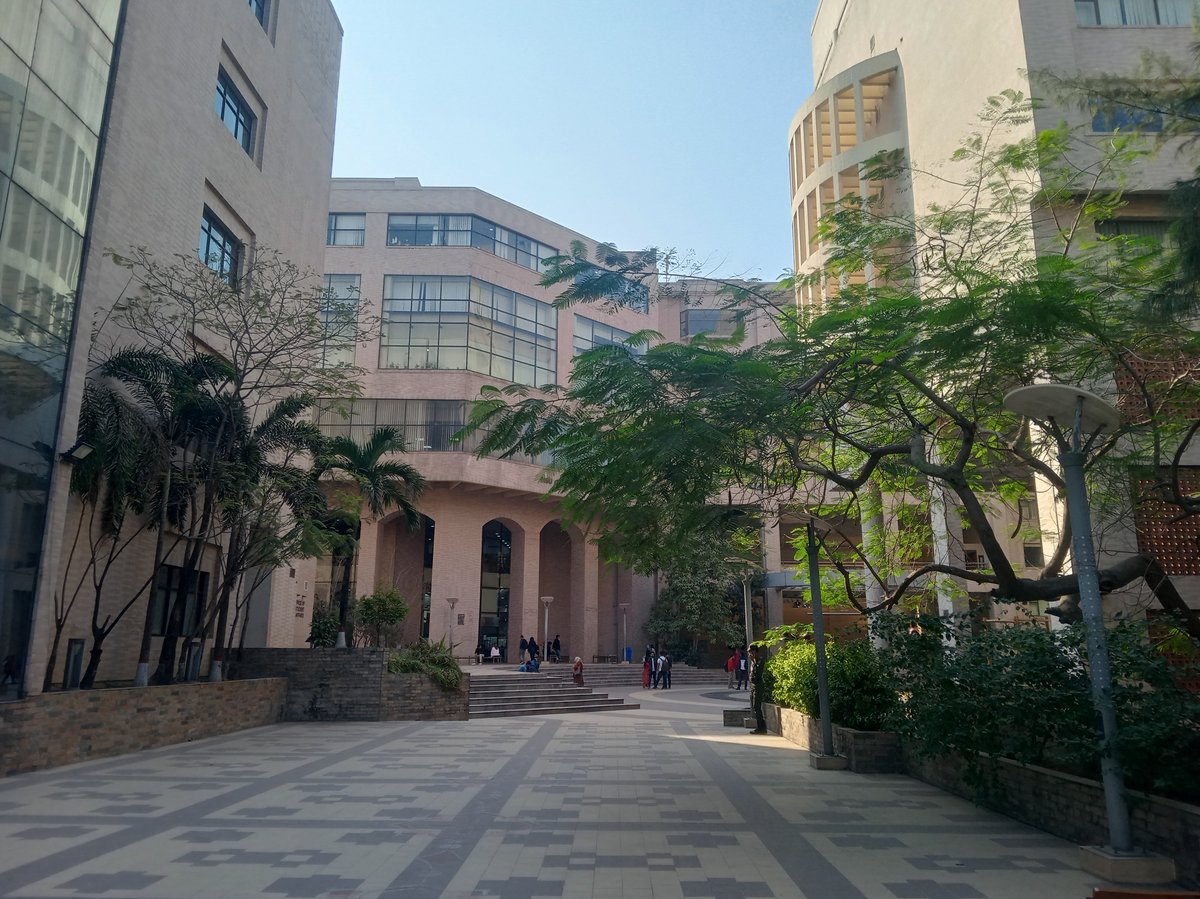
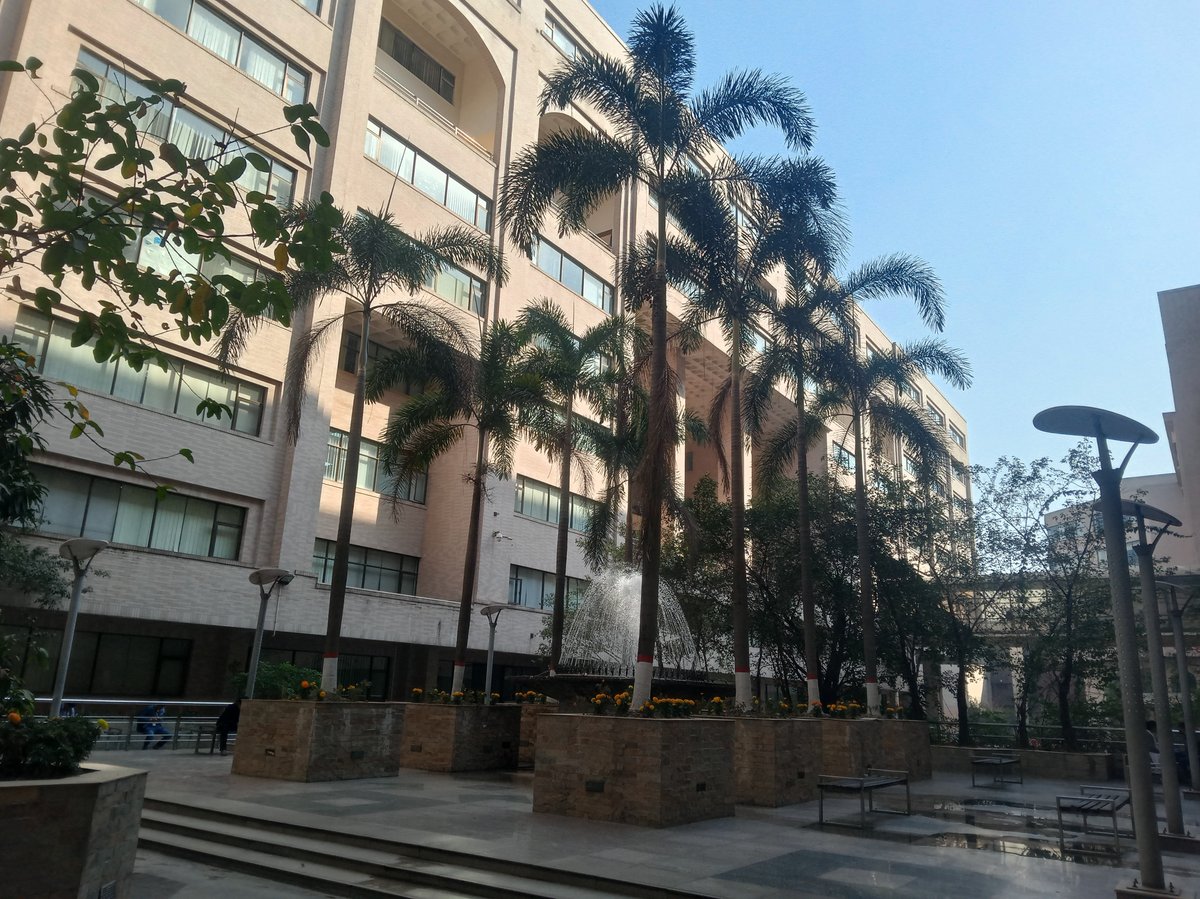
The Bashundhara campus features modern academic buildings, extensive libraries, landscaped gardens, green courtyards, and recreational areas. It occupies 6–7 acres, with approximately 1.25 million sq. ft. of space. Its contemporary architecture and student-friendly spaces form part of a campus designed around academic and recreational use.
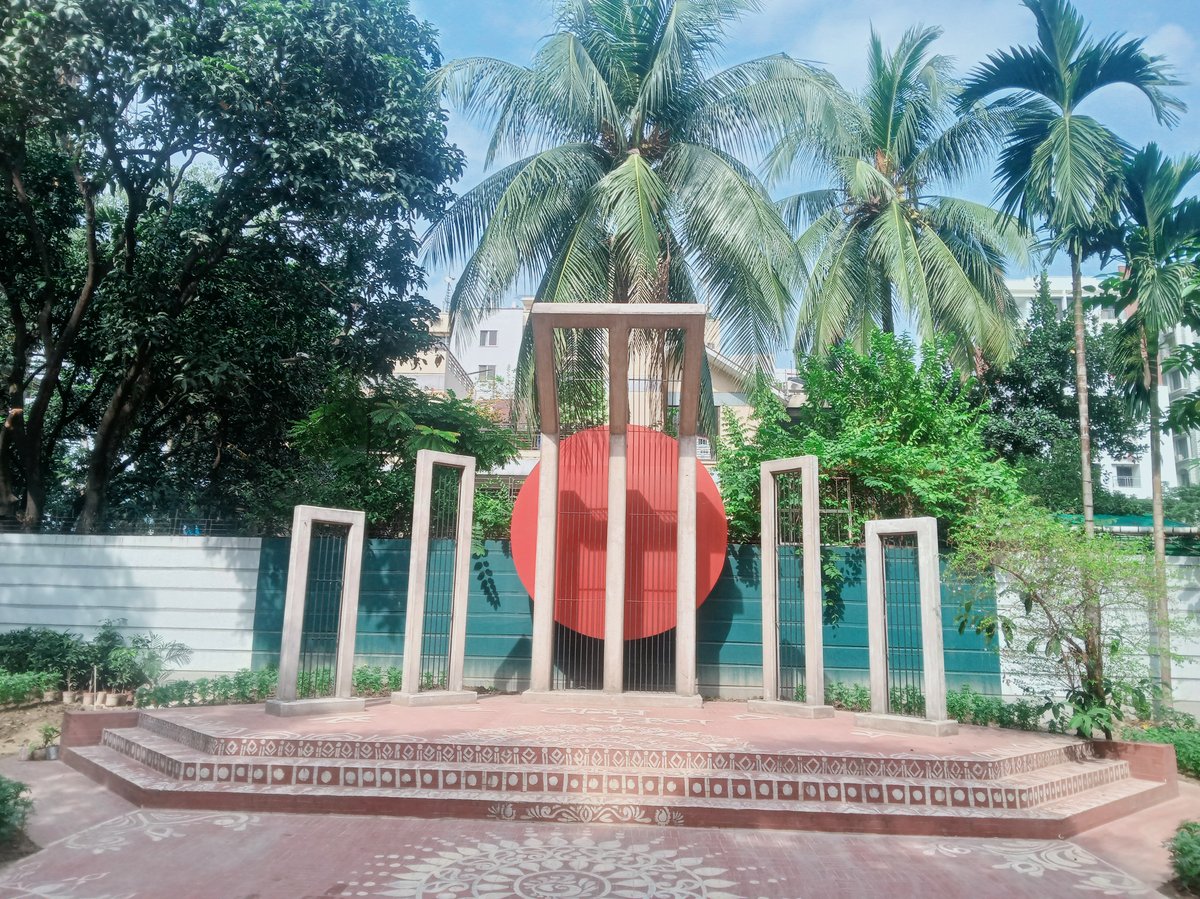
Near the main entrance, the NSU monument is a prominent campus landmark. Erected alongside the university’s founding, it represents the pursuit of knowledge and the university’s mission to bring global academic aspirations together with Bangladeshi cultural values.
The library has print and digital collections, study zones, and collaborative spaces. Visitors may request temporary access for research and exploration.
Cultural Events
NSU hosts public seminars, cultural festivals, exhibitions, and student performances. Major annual events include Pohela Boishakh (Bengali New Year) and International Mother Language Day, which offer opportunities to experience campus cultural life (Prothom Alo, 2023).
Practical Visiting Information
NSU Visiting Hours, Entry, and Access
- Standard visiting hours Sunday to Thursday, 9:00 AM–5:00 PM.
- Campus grounds and NSU monument Open to visitors Sunday to Thursday, 9:00 AM–6:00 PM.
- Weekday hours 9:00 AM–5:00 PM.
- Entry fee None for general campus or monument visits. Special events may require advance registration or tickets.
- Visitor registration All visitors must register at the main gate. Academic and group visits should be arranged through the admissions office (North South University - Official Website).
- Guided tours Available by advance booking through the admissions or visitor services office. Tours may also be requested via the NSU Official Website.
- Facilities Ramps, elevators, and accessible restrooms are available throughout the campus. On-campus dining halls serve local and international cuisines.
Campus at a Glance
| Aspect | Details |
|---|---|
| Location | Bashundhara Residential Area, Dhaka |
| Campus size | 6–7 acres; approximately 1.25 million sq. ft. |
| Student population | 22,000+ |
| Accessibility | Major roads, ride-sharing, and public buses |
| Visiting hours | Sunday to Thursday, 9:00 AM–5:00 PM; campus grounds and monument 9:00 AM–6:00 PM |
| Entry fee | None; special events may require registration or tickets |
| Urban impact | Economic growth, cultural events, and academic collaboration |
| Visitor experience | Modern, secure campus with access to city amenities |
| Cultural integration | Multicultural events, student activities, and academic-public engagement |
Visiting Tips
- Getting there The campus is accessible by taxi, ride-sharing apps, public transport, or public bus. It is connected to Dhaka’s main roads; peak-hour traffic can be an issue.
- Access and planning Register at the campus entrance. Some facilities may require advance booking. The campus is secure and well-signed; plan around traffic congestion and check for special-event schedules.
- Photography Photography is generally permitted in public areas. Seek permission during special events, in private areas, or when photographing individuals.
- Campus etiquette Seek consent for portraits and during events, dress modestly, and respect quiet areas.
- Accessibility and dining Ramps, elevators, accessible restrooms, and on-campus dining halls are available.
- Planning your visit Consult NSU’s official channels, consider attending a cultural festival, and arrange a guided tour in advance.
Nearby Places and Historical Sites
National Martyrs’ Monument
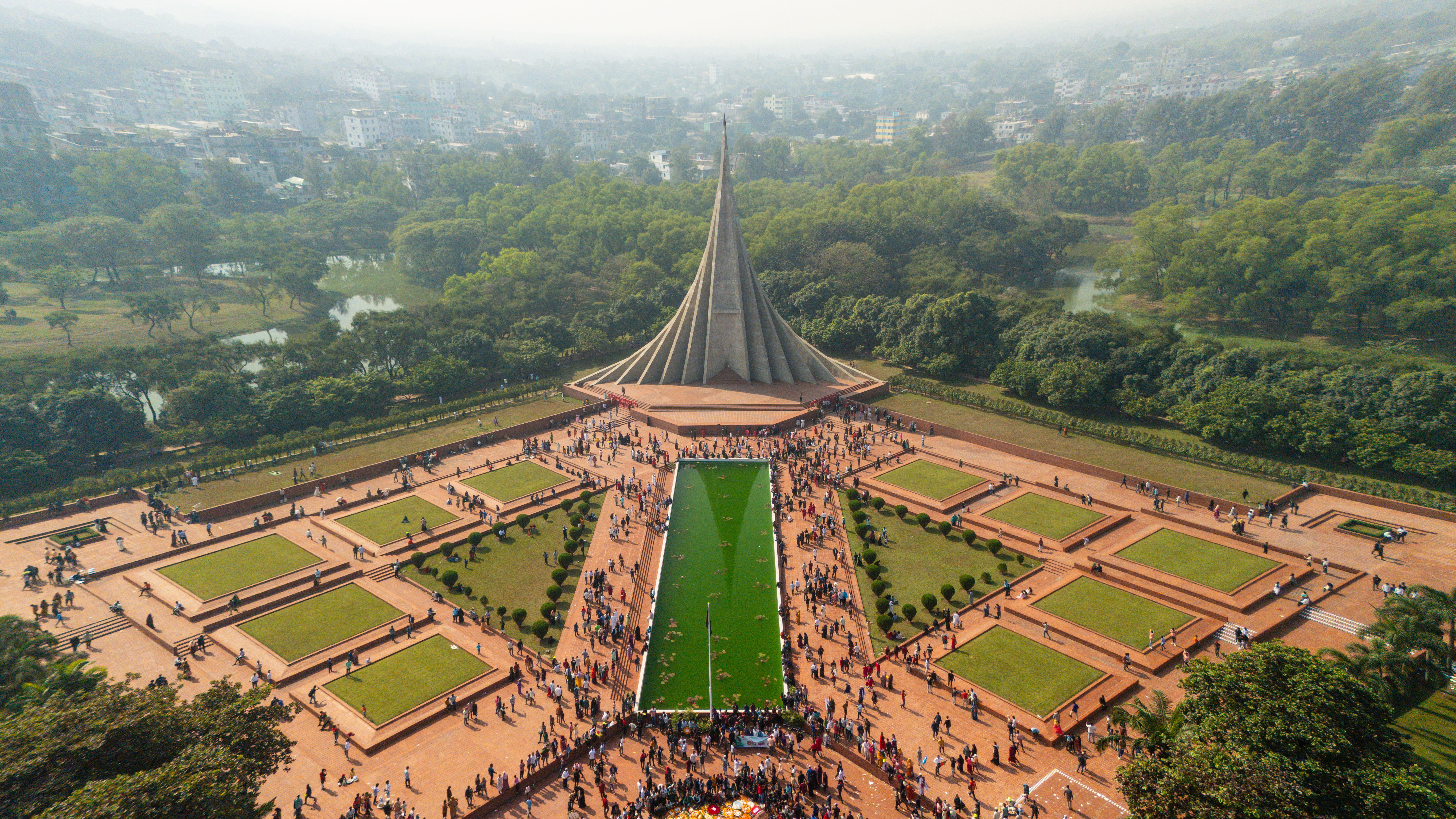
The National Martyrs’ Monument (Jatiyo Sriti Shoudho), in Savar near Dhaka, commemorates Bangladesh’s 1971 Liberation War. Designed by Syed Mainul Hossain and completed in 1982, its seven triangular columns represent the stages of Bangladesh’s struggle for independence.
- Opening hours Daily, 9:00 AM–5:00 PM.
- Entry Free.
- Getting there About 35 km from Dhaka city center, the monument is accessible by car, taxi, or public transport via the Dhaka-Aricha Highway. Parking is available on site.
- Accessibility Wheelchair-friendly pathways, ramps, and restrooms are available.
- Features Seven rising triangles symbolizing the Liberation War; a museum with exhibits on the war’s history; and memorial gardens and a lake.
- Guided tours Available by advance arrangement.
- Events Require official permission.
Bhawal National Park, suitable for nature walks and picnics, and the Liberation War Museum in central Dhaka, which offers further historical context, are also listed among nearby attractions.
Other Dhaka Attractions
Bashundhara City Mall and Gulshan Lake Park are among the attractions suggested for combining with an NSU visit. Dhaka University, Lalbagh Fort, and Ahsan Manzil are also accessible to visitors wishing to explore further (Dhaka Historical Sites Guide).
Frequently Asked Questions (FAQ)
Q: Can the public visit the NSU campus?
A: Yes. Visitors may come during official hours and must register at the gate.
Q: Are guided tours of NSU available?
A: Yes. Book in advance through the admissions or visitor services office.
Q: What are NSU’s most popular academic programs?
A: Business Administration, Computer Science, Engineering, and Social Sciences.
Q: Does NSU offer scholarships?
A: Yes, based on merit and financial need.
Q: Is photography allowed at NSU?
A: It is generally allowed in public spaces; seek permission for events or private areas.
Q: Is there an entrance fee for the National Martyrs’ Monument?
A: No. Admission is free.
Q: Are guided tours available at the National Martyrs’ Monument?
A: Yes. Book through the official visitor center.
Q: Is the National Martyrs’ Monument open on public holidays?
A: Generally yes, except during major events.
Q: Can events be held at the National Martyrs’ Monument?
A: Events require official permission.