
Origins and Urban Transformation of Hatirjheel
Hatirjheel, or “Elephant Lake,” was historically a low-lying wetland vital for Dhaka’s flood management and drainage. The site earned its name from elephants that once frequented the area, particularly from the Pilkhana stables. By the early 2000s, Hatirjheel had become a polluted, marshy expanse plagued by unregulated settlement and environmental degradation.
The Hatirjheel Integrated Development Project, launched in 2007 and completed in 2013, was spearheaded by Bangladesh’s government with the Bangladesh Army, RAJUK, and DWASA as key partners. The initiative restored over 300 acres into a multifunctional urban lake, complete with walkways, bridges, and recreational amenities. This redevelopment addressed critical urban challenges—flood mitigation, connectivity, and open-space shortages—making Hatirjheel a model for sustainable urban renewal (UNA City; The Guardian BD).
Amphitheatre: Design and Features
Architectural Highlights
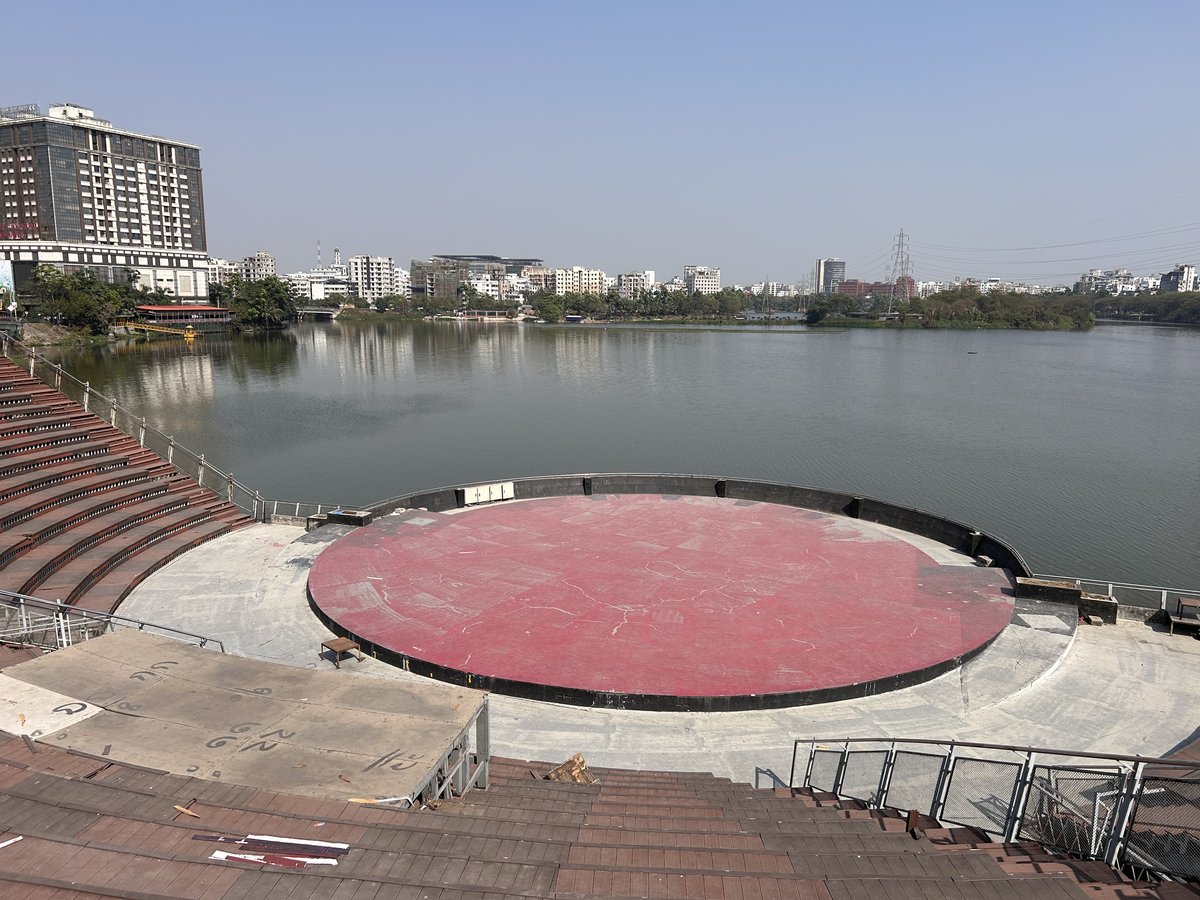
The Hatirjheel Amphitheatre is an architectural marvel, inspired by the form of a blooming flower. Its semi-circular, tiered seating arrangement accommodates up to 2,000 spectators, ensuring clear sightlines and natural ventilation. The central stage extends gracefully over the water, blending modern design with the natural lakeside environment (Prothom Alo).
Musical Dancing Fountain
Adjacent to the amphitheatre is South Asia’s largest musical dancing fountain—a 120-meter-long installation that synchronizes water jets, colored lighting, and music. The fountain’s nightly shows are a major attraction, especially during weekends and festivals. Show timings are typically 8:00 PM in winter and 9:00 PM in summer (bproperty.com).
Integration with Urban Lakefront
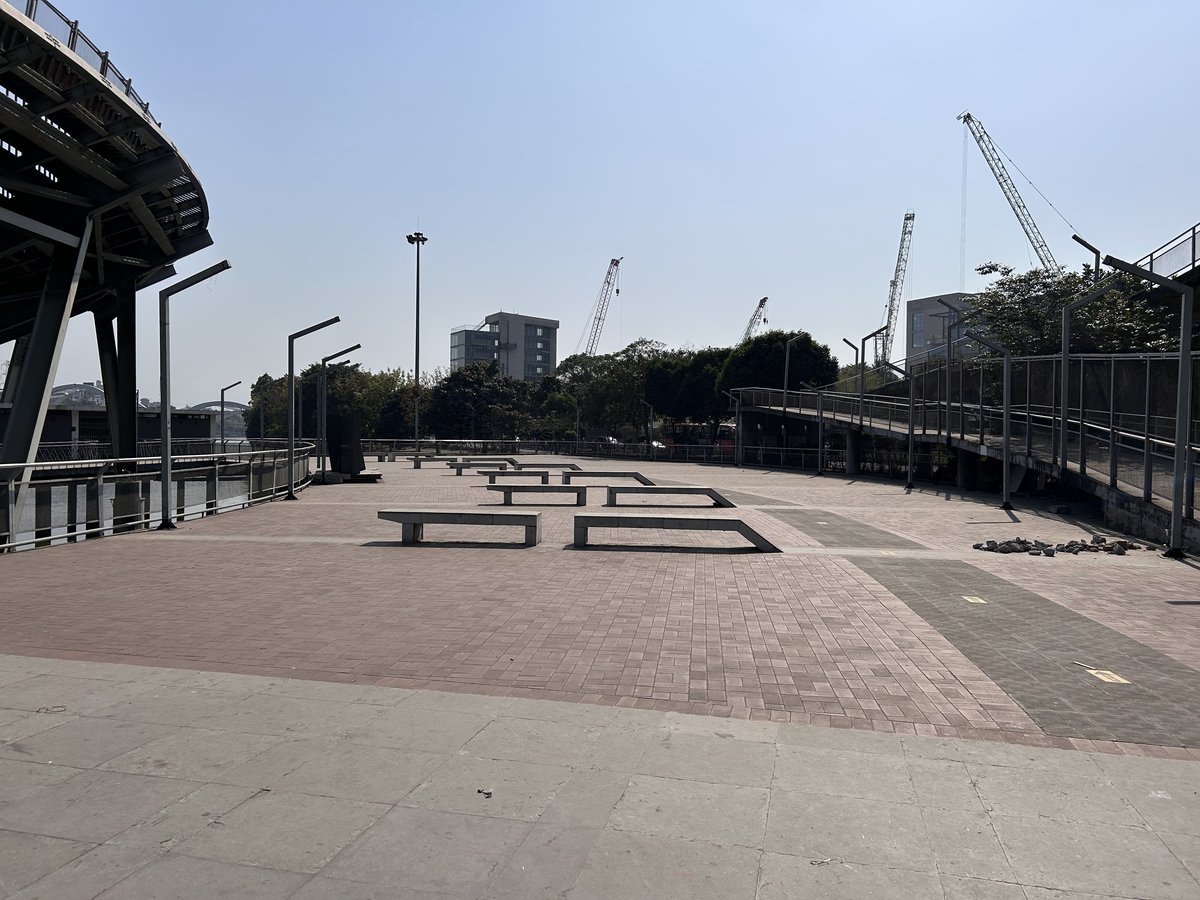
The amphitheatre is seamlessly connected to Hatirjheel’s extensive lakefront, which features 8.8 km of footpaths, 9.8 km of walkways, cycling tracks, and viewing decks. Bridges and water taxi terminals improve accessibility across districts, making the amphitheatre a central gathering point (MakeMyTrip; Media Bangladesh).
Cultural and Social Significance
Hatirjheel Amphitheatre is a focal point for Dhaka’s cultural life. It hosts concerts, festivals, theater performances, and public celebrations, drawing diverse audiences from all over the city. Major national holidays, such as Independence Day and Victory Day, are marked by vibrant programs and fireworks at the venue. The amphitheatre also supports civic engagement, awareness campaigns, and events that celebrate both traditional and contemporary Bangladeshi culture (AllEvents.in; Run Bangladesh).
The site’s inclusivity—offering open green space in a densely built city—encourages family gatherings, informal performances, and community interaction. Its transformation from an ecological liability to a celebrated urban space exemplifies Dhaka’s drive for sustainable and people-centered urbanism (academia.edu).
Visitor Information: Hours, Tickets, Accessibility
- Visiting Hours
- General access: 6:00 AM – 10:00 PM
- Amphitheatre events: Typically 10:00 AM – 10:00 PM (event-specific)
- Entry Fee
- General entry is free. Special performances may require tickets, available online or at the venue (allevents.in).
- Accessibility
- Ramps, wheelchair seating, and accessible restrooms are available.
- Multiple entry points, water taxi terminals, and ample parking.
- Travel Tips
- Best visiting months: October–March (cool weather, active event calendar).
- Evenings are ideal for the illuminated fountain and performances.
- Use public transport or water taxis to avoid traffic congestion.
Visitor Experience and Highlights
- Scenic Walks Enjoy lakeside strolls and panoramic city views from the amphitheatre galleries and walkways.
- Recreational Activities Paddle boat rides (BDT 150–300), water taxis, and landscaped parks enhance the experience (bproperty.com).
- Food & Refreshments Numerous stalls and lakeside restaurants offer a variety of local and international cuisines.
- Safety & Security The area is monitored by security personnel and CCTV, with well-lit walkways and first aid services.
Historical Context within Dhaka’s Urban Evolution
Hatirjheel’s transformation is a landmark in Dhaka’s shift toward sustainable, inclusive urban development. The project restored critical drainage functions, created much-needed public space, and inspired similar initiatives across Bangladesh. It stands as a testament to the city’s capacity for regeneration and resilience (Impact Economist; UNA City).
Preservation and Future Prospects
Ongoing environmental management—such as water quality monitoring and waste control—ensures Hatirjheel’s sustainability. Future plans include expanding cultural programming, building the Dhaka Opera House Complex (with theatres, galleries, and a planetarium), and hosting international festivals (bproperty.com).
Nearby Attractions
- Lalbagh Fort Historical Mughal fort and museum.
- Ahsan Manzil Pink Palace and former Nawab residence.
- Bangladesh National Museum Artifacts, history, and ethnography.
- Gulshan Police Plaza Park Landscaped urban park for families.
- Boat rides and recreational parks along the Hatirjheel lakefront.
Frequently Asked Questions (FAQ)
Q: What are the amphitheatre’s opening hours?
A: General access is from 6:00 AM to 10:00 PM. Event hours may vary.
Q: Is there an entry fee?
A: General entry is free; some events may require tickets.
Q: How do I buy event tickets?
A: Tickets are available online or at the amphitheatre for special performances (allevents.in).
Q: Is the amphitheatre accessible for differently-abled visitors?
A: Yes, ramps, accessible seating, and restrooms are provided.
Q: What’s the best time to visit?
A: Evenings for the musical fountain; October–March for pleasant weather.