
Campus Layout and Location
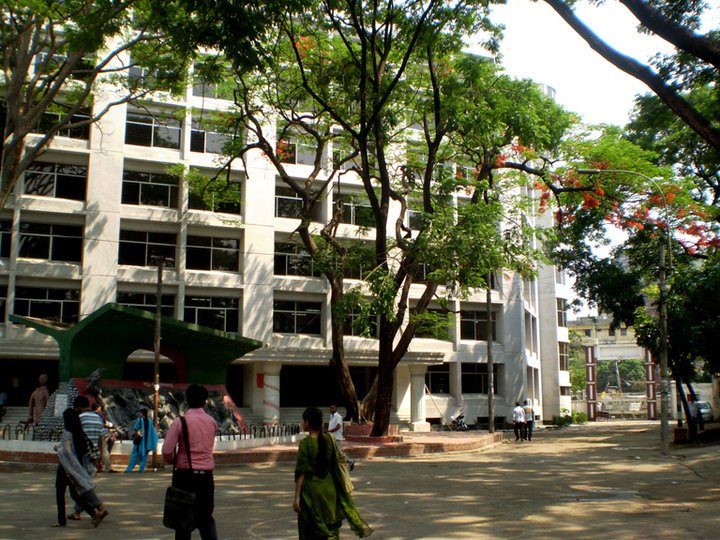
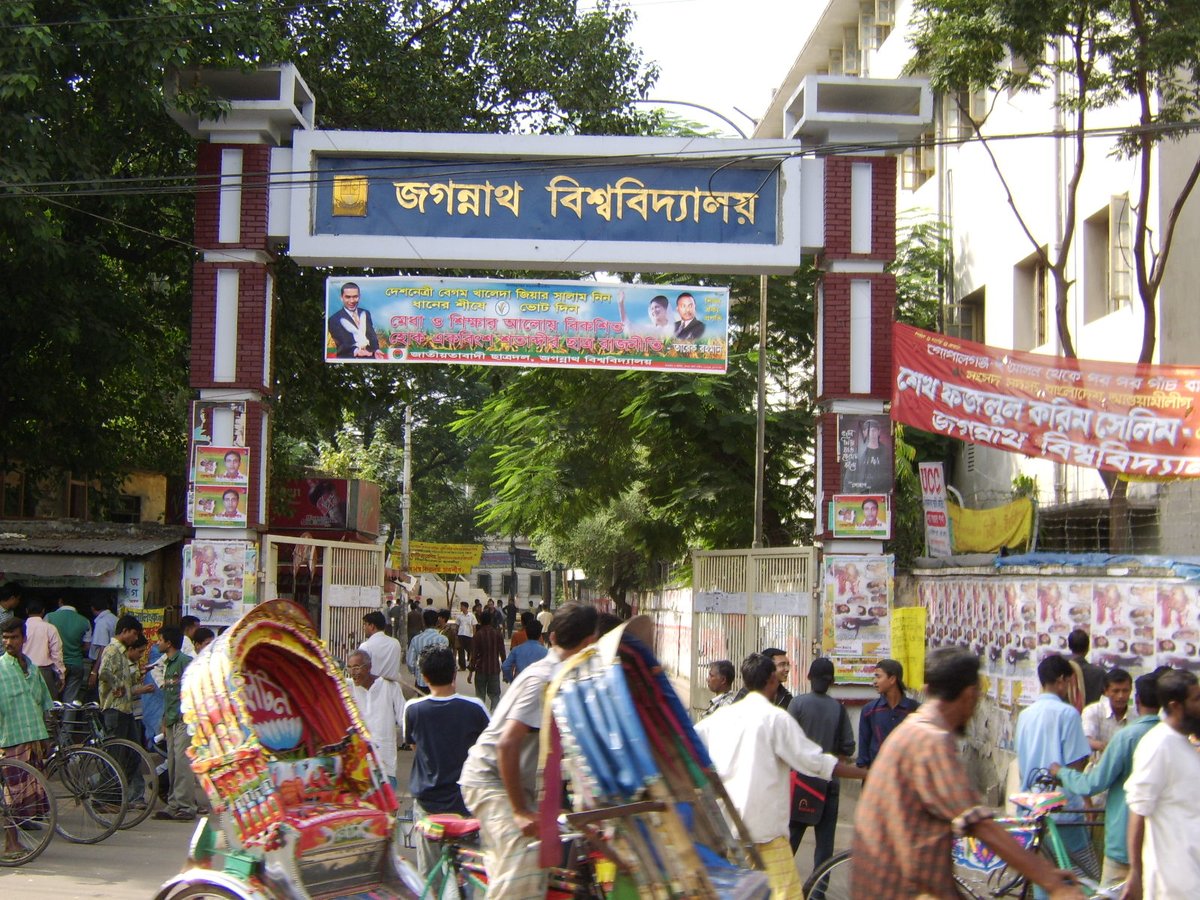
Jagannath University’s main campus is located in the historic Sadarghat area, near the Buriganga River. The compact, 11-acre site is surrounded by bustling neighborhoods such as Shakhari Bazar and Bangla Bazar, making it easily accessible by rickshaw, public transport, or on foot (Wikipedia; Mapcarta). An ongoing expansion at Keraniganj will add approximately 200 acres to the university’s facilities, transforming it into a major academic hub (The Daily Star).
Key Monuments and Cultural Significance
Jagannath University’s campus is home to several important monuments:
- Shaheed Minar Dedicated to the martyrs of the 1952 Language Movement (Travelvibe).
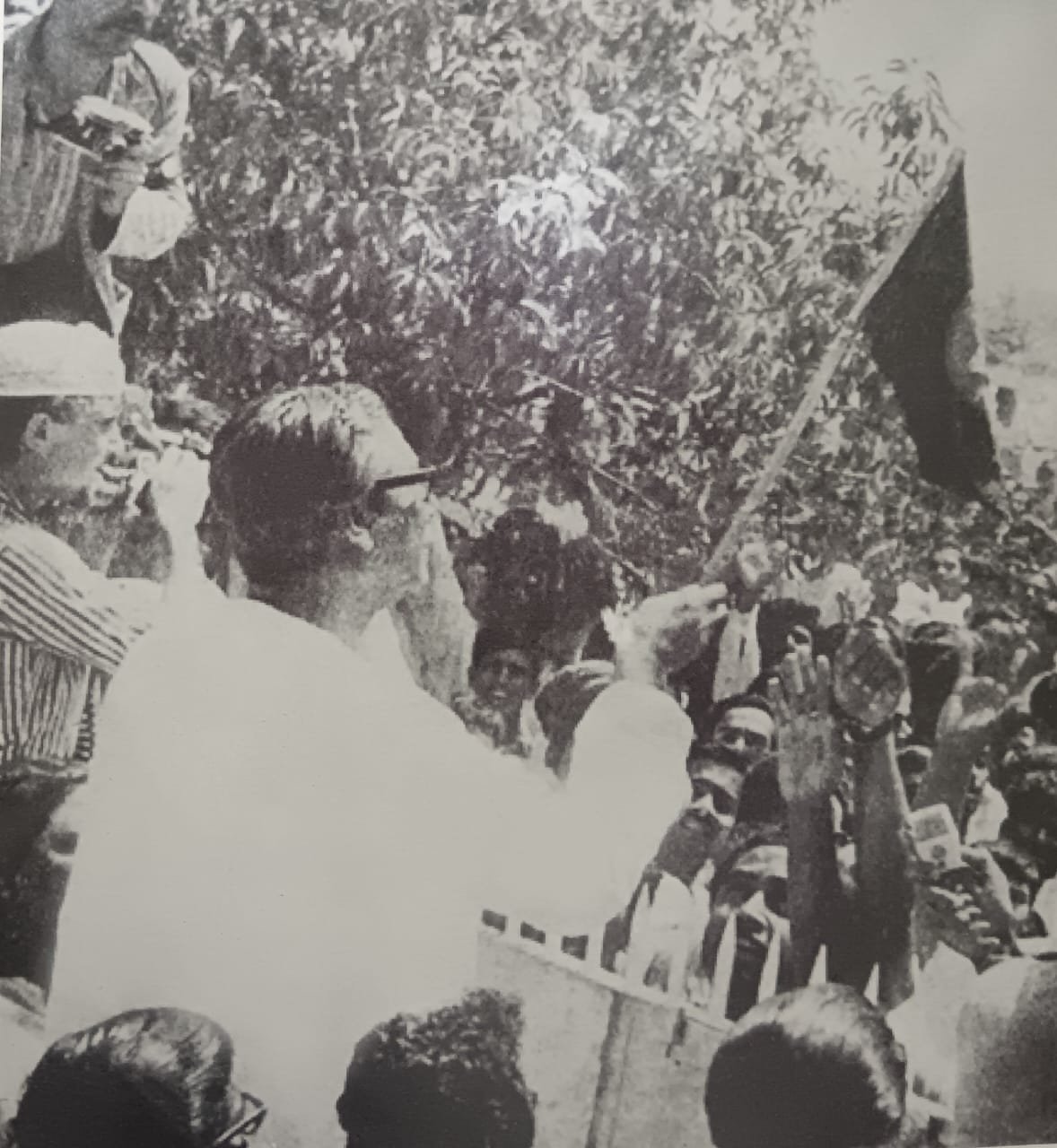
- War of Liberation Sculpture Commemorates the university’s contributions to the 1971 Bangladesh Liberation War.
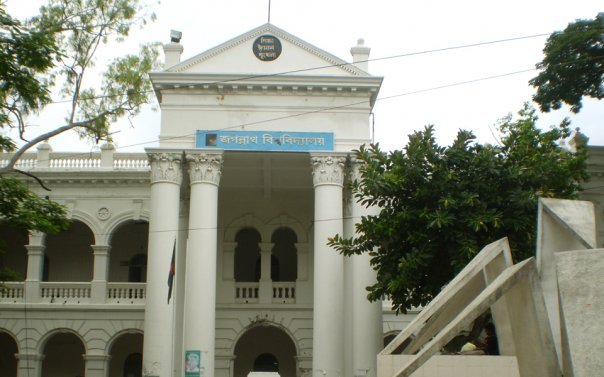
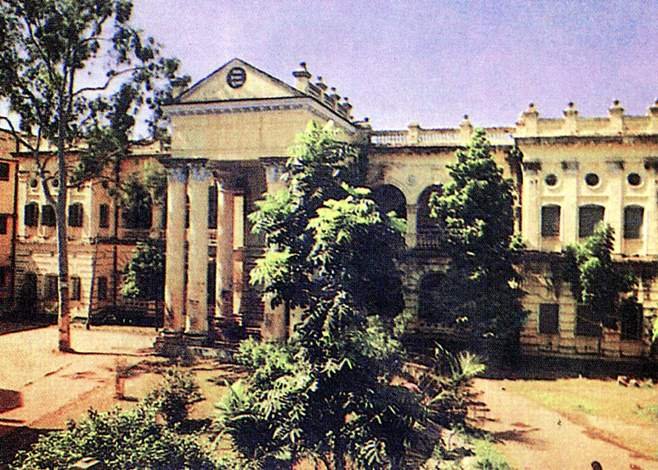
- Historic Main Building Showcases colonial-era architecture reflecting the institution’s heritage.
These landmarks serve as powerful reminders of Bangladesh’s struggle for identity and independence, and they are central to the university’s cultural activities and annual commemorations.
Planning Your Visit
Visiting Hours & Entry
- Hours Sunday to Thursday, 9:00 AM – 5:00 PM. The campus is typically closed to the public on weekends and during official holidays.
- Entry Generally free for visitors. Some areas (such as administrative buildings or during exams) may be restricted. Visitors should register at the main entrance and comply with security protocols.
Accessibility
- The campus is mostly pedestrian-friendly, with ramps and elevators in newer buildings. Some historic structures may be less accessible. Visitors with mobility needs should contact the university in advance for assistance.
- Transport options include rickshaws, CNGs, taxis, buses, and ride-sharing services. Parking is limited.
Travel Tips
- Best time to visit November to February, when the weather is cooler.
- Attire Modest clothing is recommended.
- Essentials Carry water, sun protection, and wear comfortable shoes.
Visitor Amenities
- Restrooms and seating areas are available in main buildings.
- Food stalls and cafeterias serve local snacks.
- English is commonly spoken on campus.
Notable Alumni and Academic Excellence
Jagannath University has produced notable figures across various fields, including:
- Meghnad Saha Astrophysicist
- Dr. Dinesh Chandra Sen Literary scholar
- Brojen Das First Asian to swim the English Channel
JnU offers degrees in 38 departments across seven faculties and is recognized for academic research, with numerous publications in national and international journals (Times Higher Education; EduRank).
Recent Events and Community Engagement
The university regularly hosts academic conferences, cultural festivals, and public lectures. Notably, the Department of Political Science organized the "1st International Conference on the July Revolution (ICJR-I)", underlining JnU’s commitment to scholarly dialogue (July Conference). Student societies and cultural clubs contribute to a lively campus atmosphere, celebrating Bengali heritage through debates, performances, and art exhibitions.
Nearby Historical Sites
Jagannath University’s central location makes it a perfect starting point for exploring Dhaka’s rich history:
- Ahsan Manzil (Pink Palace)
- Lalbagh Fort
- Shakhari Bazar
- Sadarghat River Terminal (WeWillNomad)
These attractions are within walking or short driving distance, allowing visitors to immerse themselves in Old Dhaka’s vibrant culture.
Cultural and Academic Events
Throughout the year, JnU celebrates events such as International Mother Language Day, Victory Day, and Pohela Boishakh. Academic conferences and art festivals are often open to the public; check the university website or the Audiala app for current listings.
Safety, Etiquette, and Responsible Tourism
- Safety The campus is generally safe during daylight. Remain vigilant with personal belongings.
- Etiquette Dress modestly, respect university rules, and seek permission for indoor photography.
- Sustainability Use reusable bottles and support local artisans to promote responsible tourism.
FAQs
Q: What are the visiting hours?
A: Sunday–Thursday, 9:00 AM–5:00 PM.
Q: Is there an entry fee?
A: No, campus entry is free for visitors.
Q: Are guided tours available?
A: Occasionally, by arrangement through the Public Relations Office or academic departments.
Q: Is the campus accessible for differently-abled visitors?
A: Newer buildings have ramps and elevators, but some older areas may be challenging.
Q: Can I take photographs?
A: Yes, in outdoor areas. Ask for permission indoors or during events.