Historical Background
Origins and Construction
The idea for Baitul Mukarram emerged in the 1950s, as Dhaka’s Muslim population grew and sought a grand mosque to serve as a religious and national symbol. Architect T Abdul Hussain Thariani was commissioned to design a structure that would embody modernist sensibilities while paying homage to Islamic tradition. Construction began in 1960 and was completed in 1968, despite challenges from political instability and funding issues. The mosque’s inauguration marked a significant milestone in the architectural and spiritual history of Bangladesh, quickly making it a focal point for religious gatherings and national events. (amarvacation.com)
Role in Bangladesh’s History
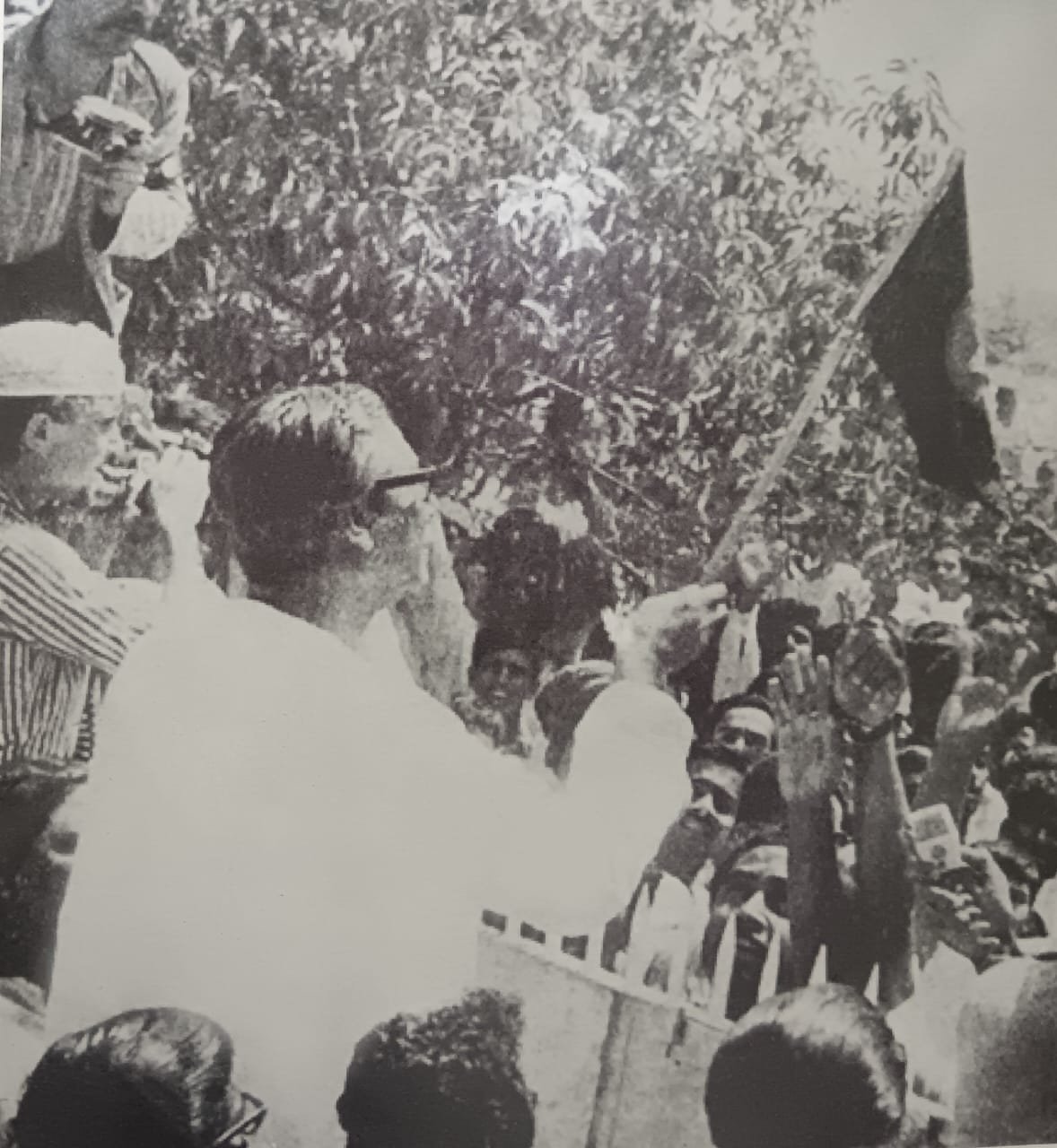
Baitul Mukarram served as a key gathering place during the 1971 liberation movement, providing a space for prayers, community meetings, and expressions of solidarity. After independence, it was officially designated as the national mosque, reinforcing its role as a symbol of unity and resilience for the Bangladeshi people. (chiamhuiy.com)
Architectural and Cultural Significance
Distinctive Cubic Design
The mosque’s most notable feature is its cubical form, representing a direct architectural homage to the Kaaba in Mecca. Eschewing the traditional domes and minarets prevalent in South Asian mosque architecture, Baitul Mukarram embraces a minimalist, modernist aesthetic that emphasizes geometric purity and spiritual symbolism. The main prayer hall can accommodate up to 40,000 worshippers, making it one of the largest mosques in South Asia. (Gul & Thariani, Scribd)
Materials and Interior
White marble and concrete dominate both the exterior and interior, creating a tranquil and contemplative environment. The mosque’s interior is marked by its restrained ornamentation, with marble floors, subtle arches, and functional columns that direct attention to the act of worship. The main building rises to a symbolic height of 99 feet, referencing the 99 names of Allah. (Trek Zone)
Function and Community Role
Baitul Mukarram is not only a place of worship but also a vibrant center for education, charity, and community events. It houses libraries, classrooms for religious instruction, and multipurpose halls for lectures and social gatherings. During Ramadan and Islamic festivals, the mosque becomes especially lively, drawing tens of thousands for prayers and charitable activities. (hollymelody.com)
Visitor Information
Visiting Hours
- General Hours 8:00 AM – 8:00 PM daily (some sources note opening as early as 5:00 AM and closing by 9:00 PM)
- Note Visiting times may be restricted during Friday Jumu’ah prayers and major Islamic festivals, especially for non-Muslim visitors.
Entry Fee
- Admission Free for all visitors, including tourists and worshippers
- Donations Voluntary and can be made at donation boxes within the mosque
Dress Code and Etiquette
- Attire Modest clothing required; men should wear long trousers and sleeved shirts, women must cover head, arms, and legs (scarves provided if needed)
- Shoes Must be removed before entering prayer halls
- Behavior Maintain silence, avoid interrupting prayers, and be respectful of worshippers and religious customs
Accessibility
Baitul Mukarram offers ramps and accessible facilities for visitors with disabilities. The spacious layout and multiple entry points help accommodate large crowds and ensure ease of movement for all visitors.
Photography
Photography is permitted in the courtyard and exterior areas. For interior photography, especially during prayer times, seek permission and avoid photographing individuals without consent.
Guided Tours
Guided tours are available through local operators and occasionally by mosque staff. English-speaking guides can provide deeper insight into the mosque’s history, architecture, and role in Bangladeshi society. (Mam Holidays)
Practical Visiting Guide
Getting There
Baitul Mukarram is centrally located near New Market and Ramna Park, making it easily accessible by car, rickshaw, taxi, or public transportation. Parking can be limited during peak hours, particularly on Fridays and holidays.
Security Procedures
Expect security checks at entry points, including bag inspections. Separate entrances exist for men and women, and non-Muslim access may be restricted during prayers.
Facilities
Clean ablution (wudu) areas, restrooms, and drinking water are available. While there are no food outlets inside the mosque, various dining options are located nearby.
Best Times to Visit
For a quieter experience, visit outside peak prayer times—late morning or early afternoon is ideal. Fridays, Ramadan, and Eid draw larger crowds and provide an opportunity to observe vibrant religious traditions.
Nearby Attractions
- Ramna Park A scenic green space adjacent to the mosque, ideal for relaxation
- New Market A bustling marketplace offering shopping and local cuisine
- Bangladesh National Museum A short distance away, showcasing the nation’s history and cultural heritage
- Dhakeshwari Temple Another major religious site in Dhaka, reflecting the city’s multicultural heritage
- Suhrawardy Udyan and Liberation War Museum: Important national landmarks within easy reach
(Adventure Backpack, Away With The Steiners)
Frequently Asked Questions (FAQ)
Q: What are the Baitul Mukarram visiting hours?
A: Open daily, typically from 8:00 AM to 8:00 PM. Hours may vary during special events and holidays.
Q: Is there an entry fee or ticket required?
A: No, entry is free for all visitors.
Q: Are non-Muslims allowed to visit?
A: Yes, non-Muslims may visit outside of main prayer times, but some areas may be restricted during prayers.
Q: What is the dress code?
A: Modest dress is required; women should cover their head, arms, and legs. Scarves are available at the entrance.
Q: Are guided tours available?
A: Yes, guided tours are available through local operators or by arrangement with mosque staff.
Q: Is the mosque accessible to disabled visitors?
A: Yes, the mosque has ramps and accessible facilities.
Q: Can I take photographs?
A: Photography is allowed in exterior and courtyard areas; seek permission before photographing inside or during worship.