
Bangabandhu Military Museum
About the museum
The Bangabandhu Military Museum in Dhaka, Bangladesh, preserves and presents the country’s military history, including its journey to independence and the role of its armed forces. Named after Sheikh Mujibur Rahman, the founding father of Bangladesh, it is on Bijoy Sharani Avenue in Tejgaon, next to the Bangabandhu Sheikh Mujibur Rahman Novo Theatre.
The museum’s collections include military equipment, uniforms, medals, vehicles, weapons, documents, photographs and personal belongings, including items connected with the 1971 Liberation War. Its galleries cover the Bangladesh Army, Navy and Air Force, as well as the country’s history and contributions to United Nations peacekeeping.
The museum also serves as an educational institution and a tribute to the bravery and sacrifices of soldiers and freedom fighters. Its exhibits and narratives preserve collective memory and address themes of freedom, sacrifice, patriotism, national identity and unity. Its use of Augmented Reality (AR), Virtual Reality (VR), interactive displays and other 3D visualizations is intended to make historical events accessible and engaging, particularly for younger visitors. The museum also presents the armed forces’ roles in peacekeeping, disaster relief, national development and the country’s security.
History
The museum was established and inaugurated in 1987 at the entrance to Mirpur Cantonment in Dhaka. Initially known as the Bangladesh Military Museum, it focused on preserving and showcasing Bangladesh’s military history, particularly the events surrounding independence in 1971.
In 1999, it moved to Bijoy Sarani, next to the Bangabandhu Sheikh Mujibur Rahman Novo Theatre. It was then called the Bangladesh Military Museum.
In 2010, the Armed Forces Division of Bangladesh initiated a comprehensive renovation and modernization project. The museum was renamed the Bangabandhu Military Museum in honor of Sheikh Mujibur Rahman and officially reopened on January 6, 2022, by Prime Minister Sheikh Hasina. The renovated museum was presented as a world-class facility.
What to see
Building and layout
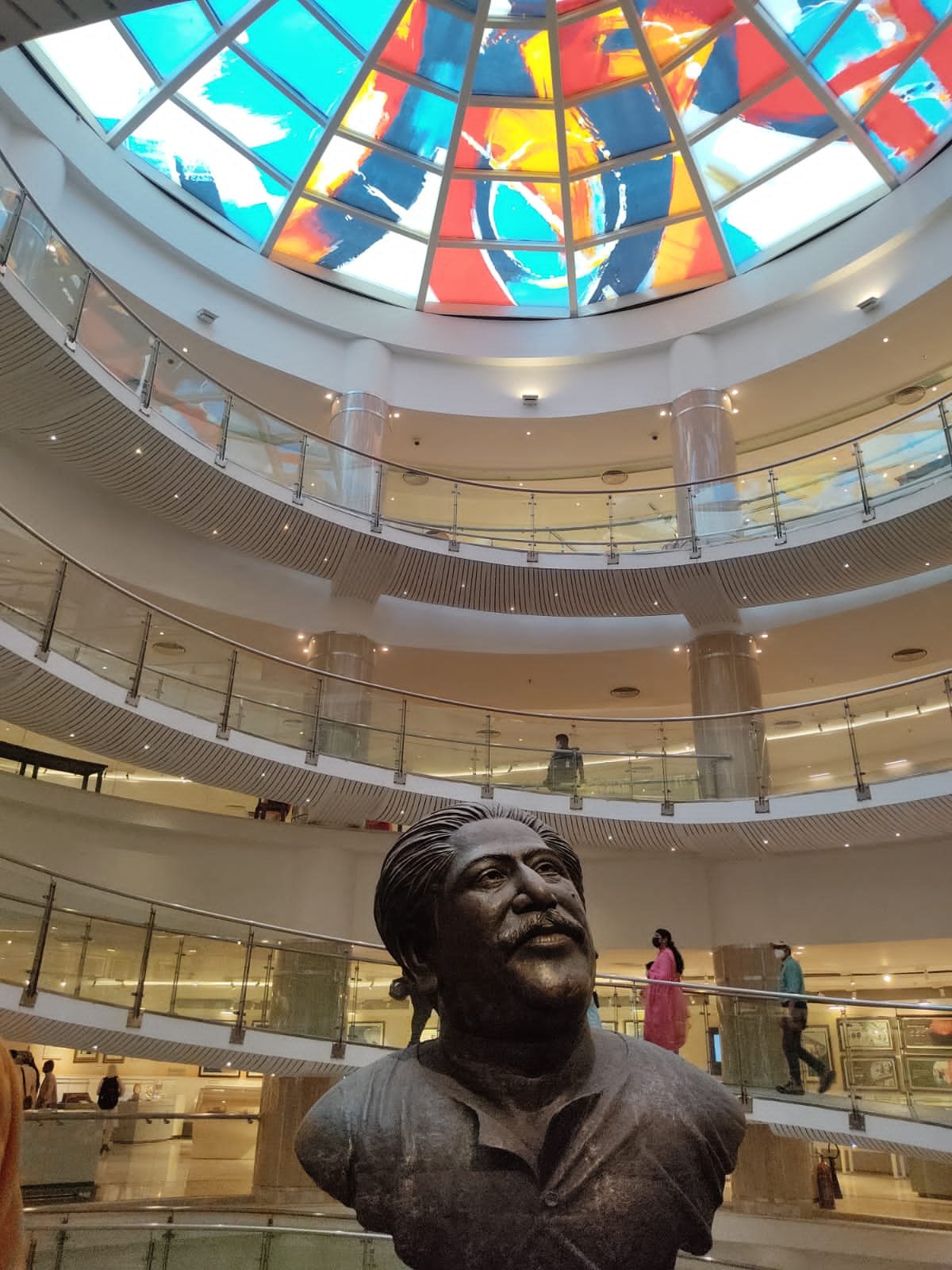
The museum spans 160,000 square feet. Its design involved architects Ali Imam, Nakshabid Architects, Design Work Group and Mukta Dinwiddie Maclaren Architects. The building is divided into three main wings for the Bangladesh Army, Navy and Air Force. One account describes the basement as dedicated to the Navy, the ground floor as combining information and utility spaces, and the upper floors as allocated to the Army and Air Force. A mezzanine floor highlights Bangladesh’s UN peacekeeping missions and contributions in the Chattogram Hill Tracts.
The museum is also described as having a ground floor focused on early military history, a first floor devoted to the Liberation War of 1971 and a second floor covering post-independence military development.
Galleries and collections
The exhibits are divided into six sections: the Bangladesh History Gallery, Army Gallery, Air Force Gallery, Navy Gallery, UN Peacekeeping Gallery and a Bangabandhu Corner dedicated to Sheikh Mujibur Rahman. Collections include equipment, uniforms, medals and artifacts from the 1971 Liberation War, including vehicles and weapons from the Pakistani army.
The ground-floor entrance hall features a large mural depicting the Liberation War of 1971 and interactive kiosks with digital timelines and historical facts. The Early Military History Gallery includes artifacts from the British colonial period and the Pakistan era, such as vintage uniforms, weapons, documents, rifles from the British Raj and a detailed map of the early 20th-century Indian subcontinent.
On the first floor, the War Room recreates strategic planning rooms used by the Mukti Bahini (Liberation Army). It features original maps, communication devices, a life-sized diorama of military leaders in action and audio recordings of wartime communications. Battle galleries use dioramas, video footage and personal accounts to present key battles, with original battle plans, photographs and soldiers’ personal belongings. The Martyrs’ Gallery includes a Wall of Names, photographs, personal stories and a digital archive where visitors can search for names and learn about individuals’ contributions.
The second floor’s Modernization Gallery presents the development of military technology and strategy, including modern weaponry, communications equipment and vehicles. Interactive displays include a virtual reality experience of a modern military operation. The Peacekeeping Missions display features uniforms, medals and soldiers’ personal accounts, as well as a world map showing mission locations.
The museum’s historical displays also include artifacts, weaponry and vehicles used by Bangladeshi forces during the Liberation War, alongside a chronological account of events leading up to and during the war. Personal belongings of freedom fighters, war documents and photographs tell stories of their bravery and resilience. Interactive and multimedia presentations help visitors explore these histories.
Outdoor exhibits and memorials
The outdoor area displays decommissioned aircraft and armored vehicles, including a MiG-21 fighter jet and a T-55 tank, with information panels.
The Memorial Garden is dedicated to fallen soldiers. It features monuments and plaques, including a central obelisk bearing the names of martyrs, as well as benches and shaded areas.
Other facilities and programs
Facilities include a Museum Gallery, Exhibition Hall, Cineplex (Star Cineplex), Mukto Moncho (Amphitheatre), Seminar Hall, Multipurpose Hall, restaurant, coffee shop, cafeteria, souvenir and gift shops, and parking facilities. The Cineplex screens documentaries and movies related to Bangladesh’s military history. The Mukto Moncho hosts cultural events and live performances, and the Seminar and Multipurpose Halls are available for meetings and events. The gift shop offers souvenirs including books, replicas of military artifacts and Liberation War memorabilia.
Guided tours led by staff provide information about the exhibits. The museum also offers educational programs, special exhibitions and workshops for school groups and other organizations.
Practical visiting information
Opening hours
Published opening-hour information differs:
- One schedule lists Tuesday to Sunday, 10 AM to 6 PM, with the museum closed on Mondays and public holidays.
- Another lists 10:00 AM to 5:00 PM on weekdays and 10:00 AM to 6:00 PM on weekends and public holidays.
- A further schedule lists 9:00 AM to 5:00 PM, Tuesday to Sunday.
Tickets
Published ticket information also differs:
- One schedule lists BDT 50 for adults and BDT 20 for students, with free entry for children under 5. Tickets can be purchased online through the museum’s official website.
- Another lists BDT 50 for adults and BDT 20 for children, with special discounts available for students and groups.
- A further schedule lists BDT 100 for adults and BDT 50 for children.
Location, access and accessibility
The museum is at Bijoy Sarani in Dhaka and is accessible by bus, CNG or taxi. The complex has parking facilities.
The museum is described as wheelchair accessible and as providing facilities for visitors with disabilities. Its accessibility features include ramps, elevators and accessible restrooms. Audio guides and Braille information panels are available for visually impaired visitors.
For more information, visit the official website.
Tips
- One visitor guide recommends planning a visit on a weekday to avoid crowds and taking advantage of guided tours.
- Comfortable shoes are recommended, and one guide suggests allowing 2-3 hours for a visit.
Nearby places
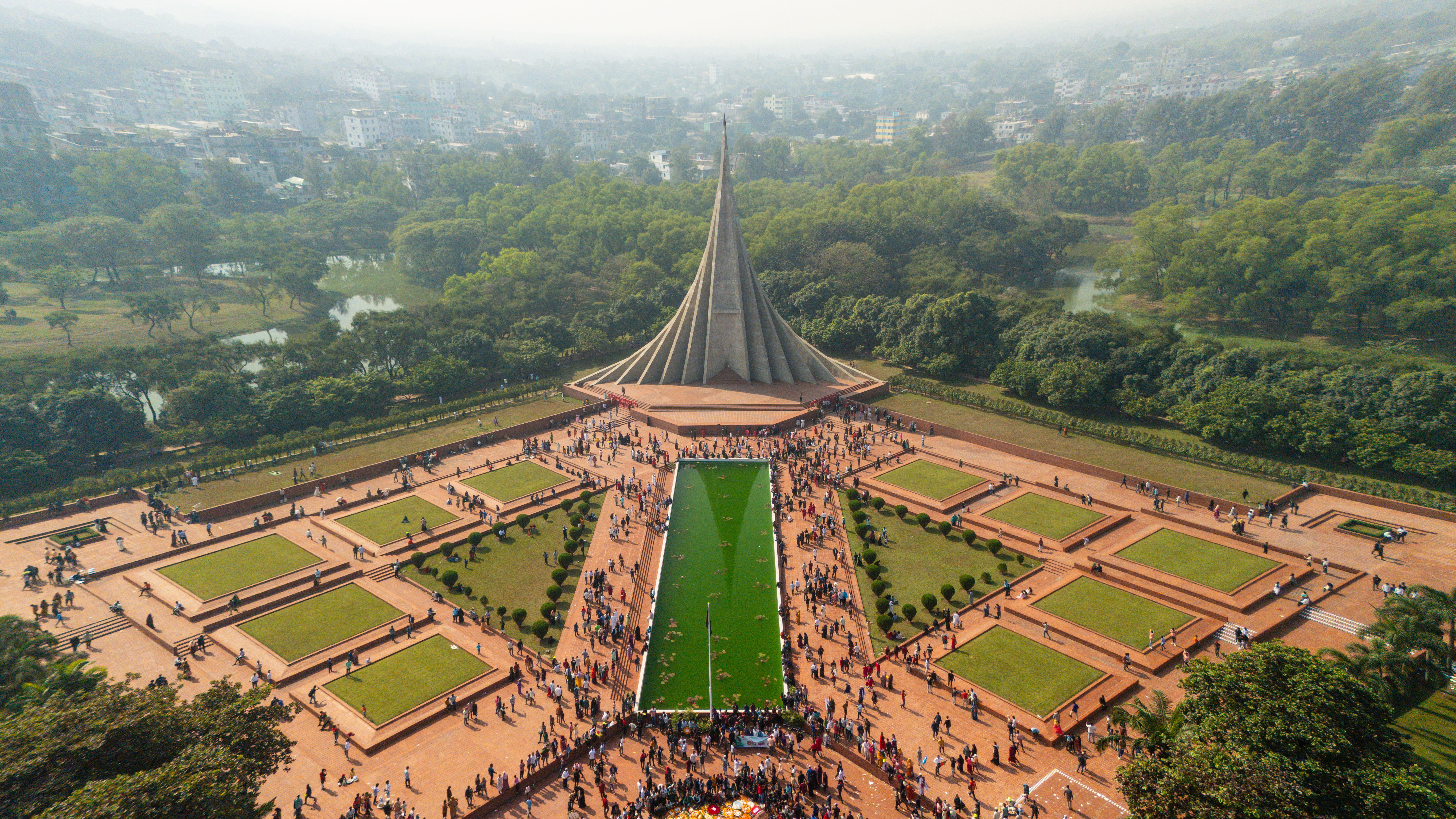
Nearby attractions include the Bangabandhu Sheikh Mujibur Rahman Novo Theatre, Chandrima Udyan, the Air Force Museum, the Parliament House area, the Liberation War Museum, the National Martyrs’ Memorial and the Dhaka University campus.
FAQ
What are the opening hours of the Bangabandhu Military Museum?
Published schedules list Tuesday to Sunday, 10 AM to 6 PM, with closure on Mondays and public holidays; 10:00 AM to 5:00 PM on weekdays and 10:00 AM to 6:00 PM on weekends and public holidays; or 9:00 AM to 5:00 PM, Tuesday to Sunday.
How much are tickets?
Published prices include BDT 50 for adults and BDT 20 for students, with free entry for children under 5; BDT 50 for adults and BDT 20 for children, with special discounts for students and groups; and BDT 100 for adults and BDT 50 for children.
Are guided tours available?
Yes. Guided tours led by knowledgeable staff are available.
Is the museum accessible to visitors with disabilities?
The museum is described as wheelchair accessible and equipped with ramps, elevators and accessible restrooms. Audio guides and Braille information panels are also available for visually impaired visitors.
Is there parking at the museum?
Yes, the museum offers parking facilities.