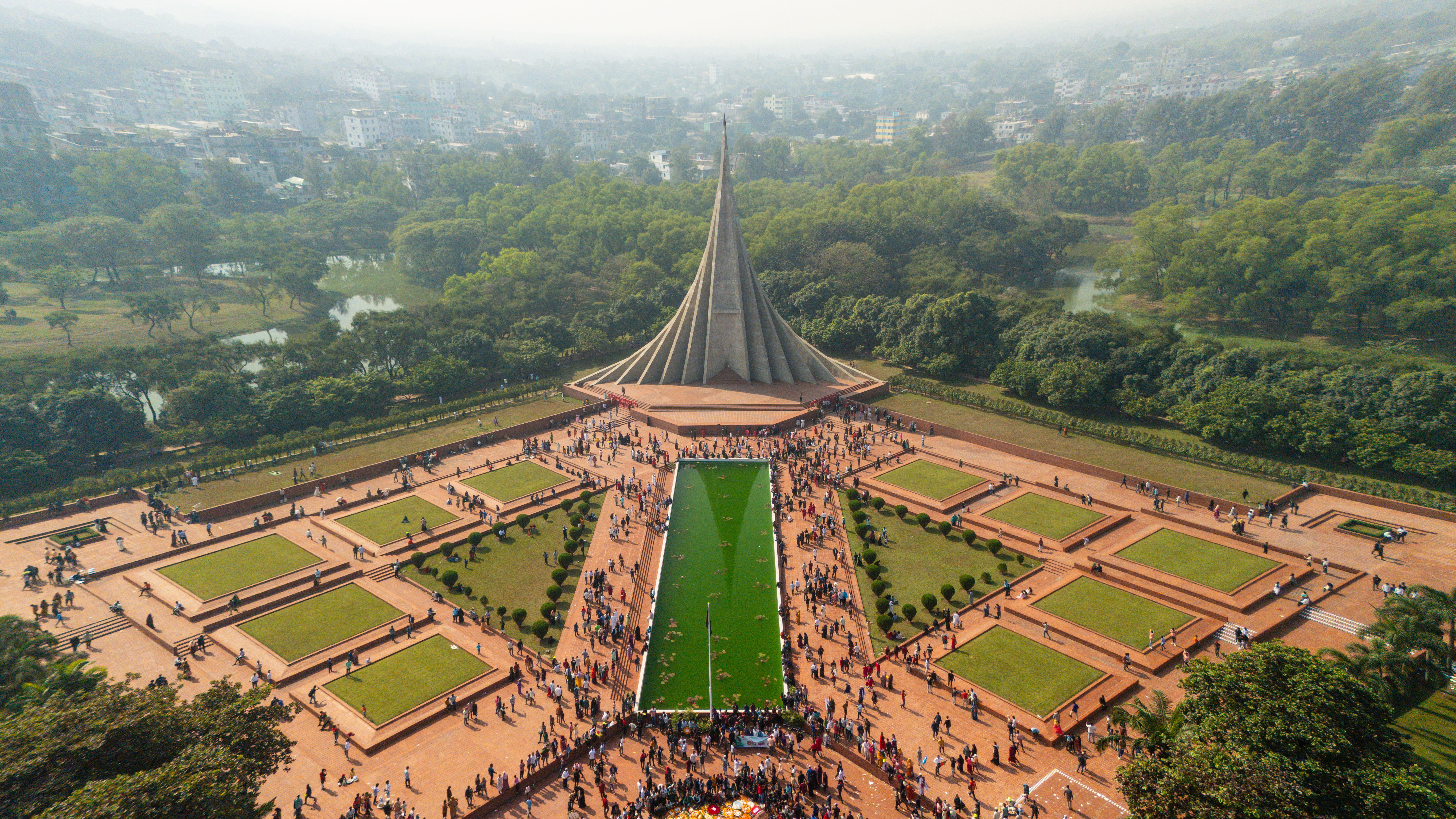
What the Embassy Is
Located in Dhaka’s Baridhara diplomatic zone, the Embassy of Palestine serves as a centre for consular affairs and a symbol of the longstanding relationship between Bangladesh and Palestine. The relationship includes decades of solidarity, cultural exchange, and mutual support dating back to before Bangladesh’s independence in 1971. Through its services and community engagement, the embassy also offers a window into Palestinian heritage and the historic ties between the two countries. (Official Embassy Website, EmbassyPages, Travel Safe Abroad)
History
Bengali volunteers supported the Palestinian cause during the 1948 Arab–Israeli War. After Bangladesh gained independence in 1971, it swiftly recognized the Palestine Liberation Organization (PLO) in 1972. The PLO office was established in Dhaka in 1980 and upgraded to the Embassy of the State of Palestine in 1988, reflecting support for Palestinian statehood and self-determination.
What to See and Experience
Embassy events and cultural activities
The embassy hosts exhibitions, cultural events, and rallies highlighting Palestinian heritage and the shared aspirations of Bangladesh and Palestine. Art and displays may reflect the Al-Aqsa Mosque and historic milestones in the relationship between the two countries.
The embassy supports the Palestinian diaspora, organizes Ramadan Iftar gatherings, and commemorates key Palestinian and Bangladeshi holidays. Educational partnerships with local universities promote cultural understanding. Guided tours are not regularly available, though cultural events may be open to the public.
Palestine Liberation Organization Monument
The PLO Monument is at House No. 13, Road No. 6, Baridhara Diplomatic Zone. It commemorates Bangladesh’s support for Palestine and symbolizes shared struggles for justice and human rights. Inaugurated to honour the Palestinian cause and Bangladesh’s consistent support, it also represents the wider movement for freedom and self-determination.
The monument serves as an educational site for people interested in Middle Eastern history and Bangladesh’s international solidarity. Cultural and educational events are sometimes held nearby on significant dates.
- Opening hours Daily, 8:00 AM–6:00 PM
- Admission Free
- Best time to visit Morning or late afternoon
- Accessibility The area is secured and suitable for visitors, including those with mobility challenges.
- Photography Generally permitted, but observe posted restrictions.
- Languages English and Bangla are widely spoken; Arabic may be used during events.
Practical Visiting Information
Embassy hours, entry, and appointments
- Hours Sunday to Thursday, 9:00 AM–5:00 PM, with a lunch break from 1:00 PM–2:00 PM. The embassy is closed on weekends and public holidays.
- Changes to hours Timings may vary during holidays or special events, so confirm them in advance.
- Tickets and entry There is no entry fee. Access is typically limited to people with official business or invitations to cultural events. Check the embassy website or social media for public event announcements.
- Appointments Appointments are strongly recommended for consular services to minimize wait times (EmbassyPages).
- Identification and security Carry valid ID and comply with security protocols.
- Getting there The embassy is in Dhaka’s diplomatic zone and can be reached by taxi or ride-sharing services.
Accessibility and photography
The embassy is wheelchair accessible, has nearby parking, and is equipped to assist visitors with disabilities. Notify staff in advance about special arrangements or specific accessibility needs. Photography is generally restricted inside the embassy; ask for permission.
Safety, health, and documentation
The embassy is in a secure diplomatic enclave, but Dhaka is classified as high-risk for petty and violent crime (Travel Safe Abroad). Visitors are advised to:
- Avoid displaying valuables and use anti-theft bags.
- Refrain from travelling alone after dark.
- Use trusted transportation and avoid large crowds or demonstrations.
- Register the visit with the embassy.
- Carry essential identification, emergency contacts, and travel health insurance.
- Bring necessary medications and drink only bottled or filtered water.
- Note that emergency services can be reached by dialling 999.
Tips
- Confirm embassy hours in advance and schedule consular appointments.
- Use reputable taxi or ride-sharing services and schedule visits during daylight hours.
- Dress modestly and respect local customs.
- Observe security protocols and any posted photography restrictions.
Nearby Places
Nearby cultural and historical sites include:
- Suhrawardy Udyan A historic park and frequent site of political rallies and public gatherings.
- Lalbagh Fort A 17th-century Mughal fort known for its architecture and gardens.
- Ahsan Manzil The Pink Palace, now a museum chronicling Dhaka’s heritage.
- Bangladesh National Museum A museum rich in history and heritage.
- Hatirjheel Lake A scenic spot for relaxation.
- Dhaka University An institution important in Bangladesh’s independence history.
Further information is available from the Visit Bangladesh – Official Tourism Site, the Palestine Ministry of Tourism, and the Bangladesh National Museum.
Frequently Asked Questions (FAQs)
Q: Do I need a ticket to visit the embassy?
A: No ticket is required. Appointments and documentation are needed for consular services.
Q: Are guided tours available?
A: Not regularly. Cultural events may be open to the public; monitor embassy announcements.
Q: Is the embassy accessible for visitors with disabilities?
A: Yes. Notify the embassy beforehand about specific needs.
Q: Is photography allowed?
A: Photography is generally restricted inside the embassy; always ask for permission.
Q: How can I stay updated about events and changes?
A: Regularly check the official embassy website and social media channels.