History and Social Significance
Philanthropic Origins
Müllersches Volksbad was established through the vision and generosity of Karl Müller, a Munich engineer who, in 1894, donated valuable properties to the city with the stipulation that the proceeds be used to build a public bathhouse accessible to all, especially the working class. At a time when private bathrooms were rare, Müllersche Volksbad’s mission was to provide affordable hygiene and wellness for Munich’s citizens (MuenchenWiki).
Construction and Impact
Construction began in 1897 under architect Karl Hocheder, culminating in an opening in 1901. Combining cutting-edge technology with elaborate Jugendstil and Baroque Revival design, Müllersches Volksbad became the most modern and expensive public bath of its era. Upon its debut, the bathhouse featured separate pools for men and women, private cabins, showers, and state-of-the-art heating and water systems. It quickly became a symbol of progress, public health, and civic pride (MuenchenWiki, A View On Cities).
Architecture and Interior Highlights
Exterior and Urban Setting
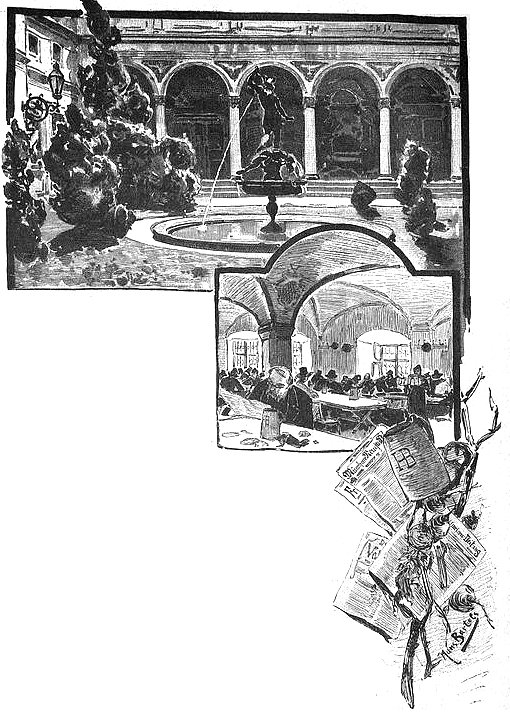
Nestled on the banks of the Isar River in the Au district, Müllersches Volksbad’s elegant façade showcases a harmonious blend of South German Baroque, Roman, and Jugendstil influences. Its distinctive domed corner tower and ornate stucco details make it a prominent landmark visible from Rosenheimer Straße (A View On Cities).
Interior Features
Inside, visitors are greeted by:
- Barrel-vaulted ceilings Grand arches and natural light create a sense of spaciousness.
- Stained glass windows Cast colorful patterns and reflect Jugendstil artistry.
- Exquisite ceramic tiles Adorn the pools and walls with intricate motifs.
- Original wooden cabins Preserved from the early 20th century.
- Dramatic staircases and corridors Enhance the ceremonial experience of bathing.
The interior design elevates bathing from a utilitarian act to an aesthetic and cultural experience (A View On Cities).
Visiting Müllersches Volksbad: Hours, Tickets, and Policies
Opening Hours
- Swimming Pools Daily, 7:30 AM – 11:00 PM (Large hall closes at 5:00 PM on Mondays).
- Sauna Daily, 2:00 PM – 10:00 PM (from May 15 to September 15, opens at 9:00 AM if under 20°C).
- Women’s Sauna Day Tuesdays, 2:00 PM – 10:00 PM (earlier start in cool weather).
- Men’s Sauna Day Wednesdays, 2:00 PM – 10:00 PM.
- Public holidays Mixed-gender sauna sessions.
Always check the official SWM occupancy plan before your visit, as some slots may be reserved for clubs or schools.
Ticket Prices
- Swimming Only €5.80 standard; €4.00 for children under 15/retirees; €3.90 for München Pass holders; €17.40 family ticket.
- Sauna (incl. pool, 4 hours) €23.00 (evening rate after 6:45 PM: €17.50).
- Day Pass (Sauna & Pool) €34.50.
- Short/Late Swim (1.5 hours) €4.30 standard; €3.60 discounted.
- Extras Towel rental €4.00; private rest cabin €5.50.
Tip: Overstaying the 1.5-hour swim is charged at €1.50 per extra hour. From May to August, there are no time limits.
How to Buy: Tickets are available on-site or as e-tickets via the official SWM website.
Photography Policy
Photography inside the bathhouse is generally restricted to protect visitor privacy and preserve the historic ambiance.
Sauna, Wellness, and Special Experiences
Sauna and Steam Baths
- Roman-Irish Steam Bath A gradual multi-stage ritual with rooms heated to 40°C, 60°C, and 80°C.
- Finnish Sauna Around 90°C, including hourly “Aufguss” (aromatic steam infusions) often accompanied by colored light shows.
- Open-air Courtyard For cooling off between sessions.
Pools
- Large Pool 31 meters, ~27°C, perfect for lap swimming under the Art Nouveau dome.
- Small Pool 18 meters, 30°C, with massage jets and relaxing atmosphere.
All pools are now mixed-gender, and both maintain period-style tiling and décor.
Historic Baths
The basement houses original “Wannenbad” (bathtub) and “Brausebad” (shower) facilities, offering a nostalgic bathing experience.
Massage and Wellness Services
Massage appointments are available—book at reception or check the official site for details.
Café and Refreshments
An on-site Art Nouveau café serves light meals, snacks, and drinks. Nearby, enjoy the Muffat beer garden or Wirtshaus in der Au for traditional Bavarian fare.
Accessibility and Facilities
- Wheelchair Access The building is partially accessible, with ramps and adapted changing areas. Some older sections may present challenges; assistance is available upon request.
- Lockers & Changing Rooms Secure and spacious, with options for all genders.
- Towel/Swimwear Rental Available at the front desk.
- Family-Friendly Pools are open to all ages, though sauna and steam areas are for adults only.
Getting There and Nearby Attractions
Address
Rosenheimer Str. 1, 81667 Munich
Public Transport
- S-Bahn Isartor (S1, S2, S3, S4, S6, S7, S8)
- Tram Tram 17 (Deutsches Museum), Trams 16 and StadtBus 132 (Isartor)
- Bus StadtBus 132 (Ludwigsbrücke, Isartor)
Parking
Limited parking and bike racks available nearby.
Nearby Attractions
- Deutsches Museum One of the world’s largest science and technology museums.
- Isartor Gate Historic city gate within walking distance.
- Muffat Beer Garden Family-friendly, with playground and local cuisine.
Visitor Tips and FAQs
Visitor Tips
- Bring Swimsuit, towel, flip-flops, and a locker lock (or rent/purchase on-site).
- Sauna Etiquette Nudity is required in sauna/steam zones (towels for hygiene); swimwear is mandatory in pools.
- Best Times Early mornings or weekday afternoons for a quieter experience.
- Language Staff speak German and some English; key info is available in English at reception.
Frequently Asked Questions
Q: What are Müllersches Volksbad’s visiting hours?
A: Pools: 7:30 AM – 11:00 PM daily; Sauna: 2:00 PM – 10:00 PM (earlier in cool weather). See above for holiday and special hours.
Q: Can I bring children?
A: Yes, pools are family-friendly. Sauna and steam areas are adults only.
Q: Are reservations required?
A: Walk-ins are welcome for swimming and sauna. Wellness treatments and fitness classes may require advance booking.
Q: Is the bathhouse wheelchair accessible?
A: Largely accessible, with some limitations. Contact staff in advance for assistance.
Q: Are guided tours offered?
A: Yes, monthly guided tours (last Friday of each month) focus on history and architecture.
Q: Is photography allowed?
A: Generally not, to protect privacy and preserve the historic setting.