What Fraunhoferstraße Is
Fraunhoferstraße is a roughly 520-meter street in Munich’s lively Ludwigsvorstadt-Isarvorstadt district, connecting the Gärtnerplatzviertel and Glockenbachviertel. Named after physicist Joseph von Fraunhofer, it combines protected historic buildings, innovative architecture, theaters, alternative cinemas, cafés and nightlife. Its location near the Deutsches Museum and Viktualienmarkt makes it a central hub for visitors (Exploring Fraunhoferstraße: Munich’s Historic Street and Cultural Hub).
History
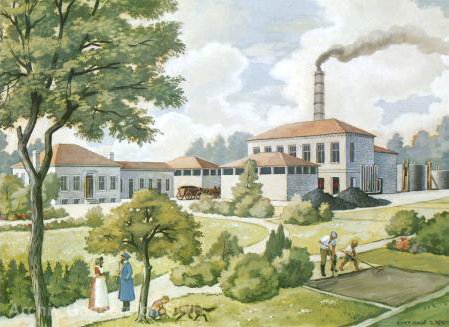
In the early 1800s, the street area served as the municipal bleaching ground known as “Stadtbleichanger.” It was renamed in 1830 for Joseph von Fraunhofer (1787–1826), a pioneer in optics and spectroscopy. The opening of the Reichenbach Bridge in 1842 helped spur urbanization and made the street an important link between Munich’s city center and southern districts. The north side, from house numbers 3 to 21, is now a protected heritage zone (de.wikipedia.org).
Fraunhofer’s legacy is also celebrated by the Fraunhofer-Gesellschaft, a leading German research organization headquartered in Munich (fraunhofer.de).
What to See and Do
Architecture and heritage
Fraunhoferstraße’s streetscape includes late 19th-century residential buildings and early 20th-century landmarks. The “Postblock” at numbers 20–26 is an example of functionalist design by Robert Vorhoelzer and Walther Schmidt, completed in 1929. In total, 22 buildings on the street are protected historical monuments (de.wikipedia.org).
Cultural and social life
- Gaststätte Fraunhofer (Fraunhoferstraße 9) Home to Theater im Fraunhofer, an alternative theater and cabaret venue, and Werkstattkino, an independent cinema.
- Cafés, bakeries and international eateries Popular for brunch, local flavors and people-watching.
- Nightlife Pubs, live music venues and rooftop bars, including The Flushing Meadows Bar & Hotel, contribute to the evening scene (The Flushing Meadows Bar & Hotel).
The area is also a focal point for LGBTQ+ culture, with events, bars and community spaces reflecting Munich’s multicultural character (Munich Backstory).
Events and seasonal highlights
Fraunhoferstraße is part of Munich’s wider cultural and neighborhood scene. Events and seasonal highlights include:
- Kunstareal Festival Free entry to museums and galleries, along with workshops and tours (Munich Travel).
- Christopher Street Day (Munich Pride) Parades and events celebrating LGBTQ+ pride.
- Tollwood Summer Festival and Stadtgeburtstag Open-air concerts, art exhibitions and food markets.
- University Summer Festival Discos, exhibitions and beer gardens (King’s Hotels).
Tours and photography
Walking tours explore the area’s architecture and history, LGBTQ+ culture or culinary scene; many include Fraunhoferstraße. Suggested photo spots include rooftop bars for city panoramas, colorful street murals and art, Isar River bridges and green spaces, Gärtnerplatz and Viktualienmarkt (Munich summer activities).
Practical Visiting Information
Hours and tickets
- Street access Open 24/7 as a public street; no ticket or admission fee is required.
- Theater im Fraunhofer Evenings and weekends; check the official site for exact times.
- Werkstattkino Evenings and special screenings.
- Bars, cafés and restaurants Typically open from late morning into late night.
- Tickets Theaters, cinemas and museums require tickets; check their websites for current pricing and hours.
- Sunday closures Most retail shops are closed, while restaurants and bars remain open.
Getting there
- From Munich Central Station Take the U1 or U2; the journey takes about 5 minutes.
- From Munich Airport Take the S8 S-Bahn to Sendlinger Tor, then the U1 or U2 to Fraunhoferstraße; the journey takes approximately 45 minutes.
- By U-Bahn Lines U1, U2 and U7 stop at Fraunhoferstraße station.
- By tram Lines 16 and 18 run along the street, stopping at Baaderstraße and Reichenbachstraße.
- By bicycle Dedicated lanes and rentals are available.
Public transport and accessibility
The U-Bahn station has elevators and ramps; level boarding is also available. Low-floor trams and buses serve the area. Tactile guidance and accessible restrooms are available at major transit points (MVV official website), (Wheelchair Travel), (Motion4Rent).
The area has dedicated cycling lanes, and wheelchair-accessible taxis can be reserved in advance. The MVV app provides real-time schedules and accessibility information.
Visitor Tips
- Spring to autumn is a good time for outdoor activities and festivals; evenings are suited to nightlife and performances.
- Many small shops and cafés prefer cash, so carry euros.
- Download the MVV app for real-time transit updates.
- Consider a guided tour for in-depth stories and hidden gems.
- Most attractions are within walking distance.
- Stay alert in crowds; the area is generally safe.
Nearby Places
- Deutsches Museum Europe’s largest science and technology museum, a short walk away (Deutsches Museum).
- Viktualienmarkt Munich’s historic open-air market (Viktualienmarkt).
- Gärtnerplatz A lively square with theaters, cafés and green space.
- Isar River A place for recreation and photography.
Frequently Asked Questions (FAQ)
Q: Is Fraunhoferstraße free to visit?
A: Yes. The street is open to the public 24/7 with no admission fees.
Q: What are the hours for museums and theaters?
A: The Deutsches Museum is listed as open from 9 AM–5 PM. Theaters and cinemas generally have evening and weekend hours; check their official sites for details.
Q: Are there guided tours?
A: Yes. Local providers offer tours focused on architecture, history, LGBTQ+ culture and culinary experiences.
Q: Is the area accessible for those with mobility challenges?
A: The U-Bahn station, trams and most venues are accessible, with elevators, ramps and level boarding.
Q: Where are the best photo spots?
A: Rooftop bars, Isar River bridges, street murals and Gärtnerplatz square.
Q: How do I get tickets for public transport?
A: Buy tickets at station machines, kiosks or through the MVV app. Tickets are valid across all transit modes.
Q: Are there special events in 2025?
A: The Kunstareal Festival, University Summer Festival and Christopher Street Day are among the highlights.