
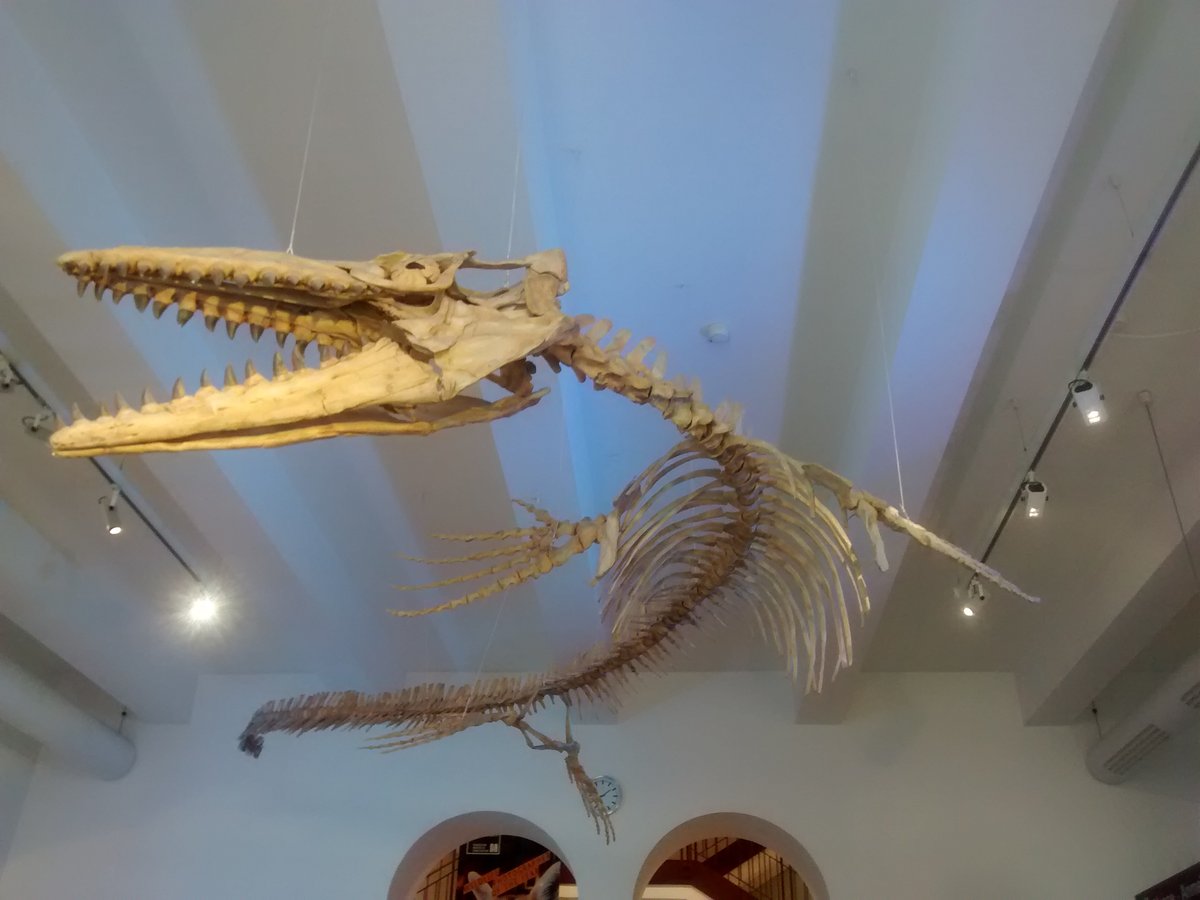
Architectural Setting and Location
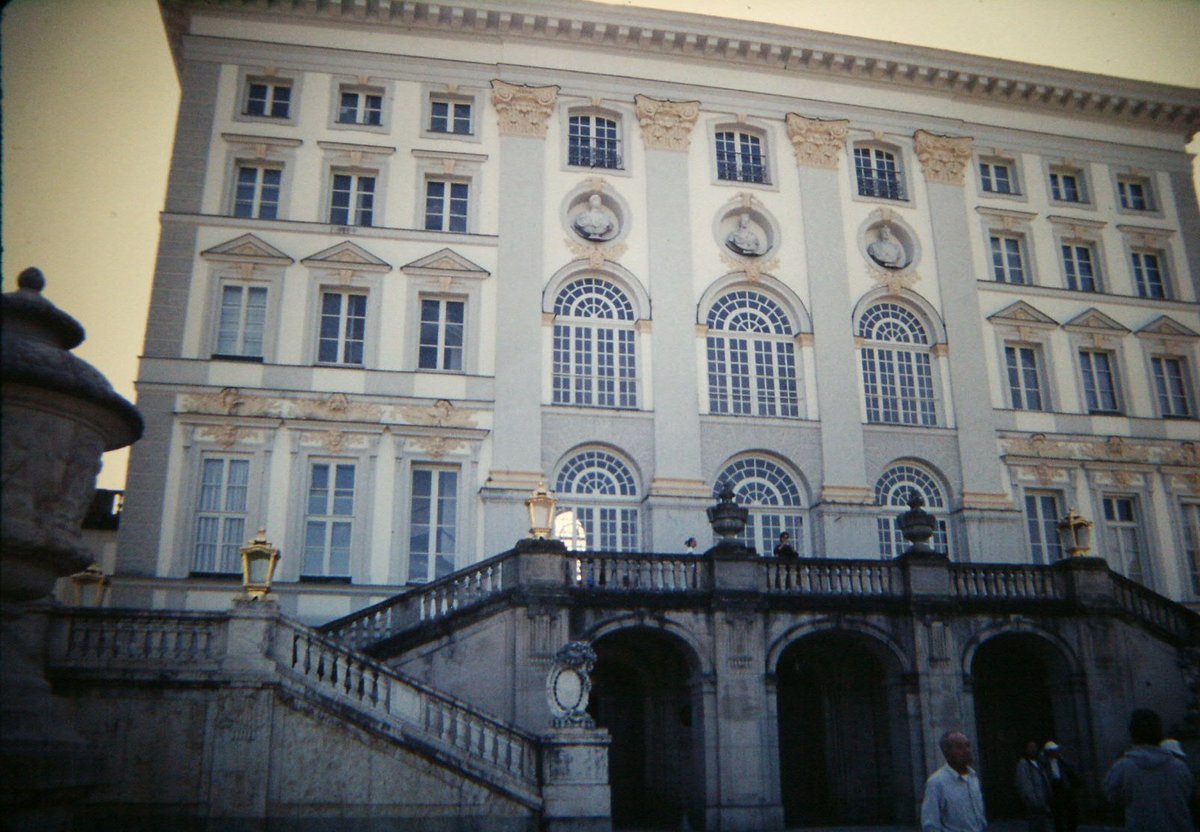
The museum is in the north wing of the 17th-century Nymphenburg Palace. The Baroque palace and its gardens place it among Munich’s historic sites (destination-munich.com).
Museum’s Role in Munich’s Cultural Landscape
The museum is part of Munich’s museum network, complementing institutions such as the Deutsches Museum and Bavarian National Museum. Its focus on the natural world and environmental issues contributes to the city’s cultural and educational offerings (muenchen.de).
History
Museum Origins and Historical Context
The museum was inaugurated in 1990, restoring Munich’s place as a natural history center after World War II destroyed the previous collections. The Bavarian State Natural Science Collections (SNSB) led the initiative, with Dr. Michael Apel as founding director. Its modern, interactive approach filled a decades-long gap and renewed public engagement with science in Bavaria (SNSB official site).
Renovation and Future Developments (Biotopia)
The museum is undergoing a major transformation into Biotopia – Naturkundemuseum Bayern. The plans include state-of-the-art architecture by Volker Staab, new permanent and rotating exhibition spaces, public labs, and participatory workshops (Biotopia About Us; Event Communications).
The Biotopia Lab in the Botanical Garden previews this development with experimental exhibitions, VR installations and experiences, hands-on science activities, workshops, and art-science collaborations (biotopia.net).
What to See
Mission and Educational Approach
The museum’s guiding principle is “natural history as an experience.” Hands-on exhibits, dioramas, and live demonstrations make scientific concepts accessible to different age groups. Displays range from the origins of life and evolution to environmental issues, bringing together natural and human sciences (museen-in-bayern.de).
Highlights and Notable Exhibits
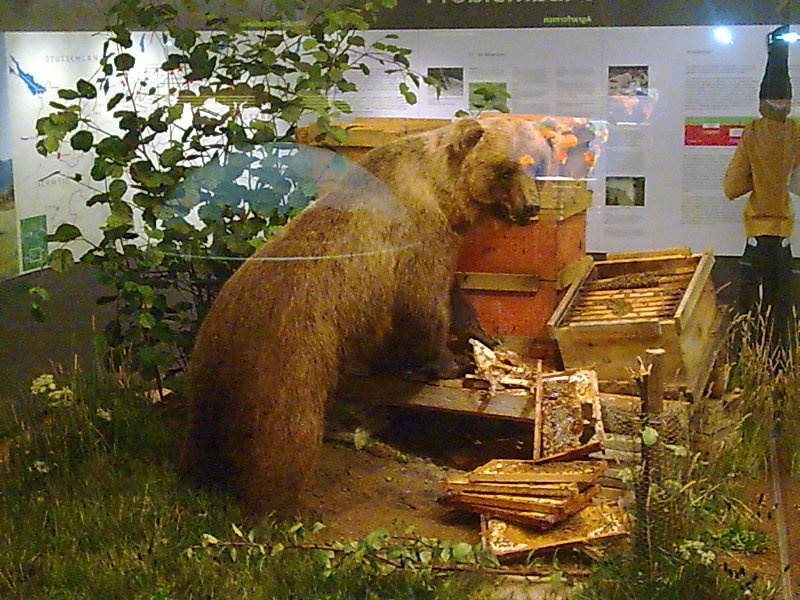
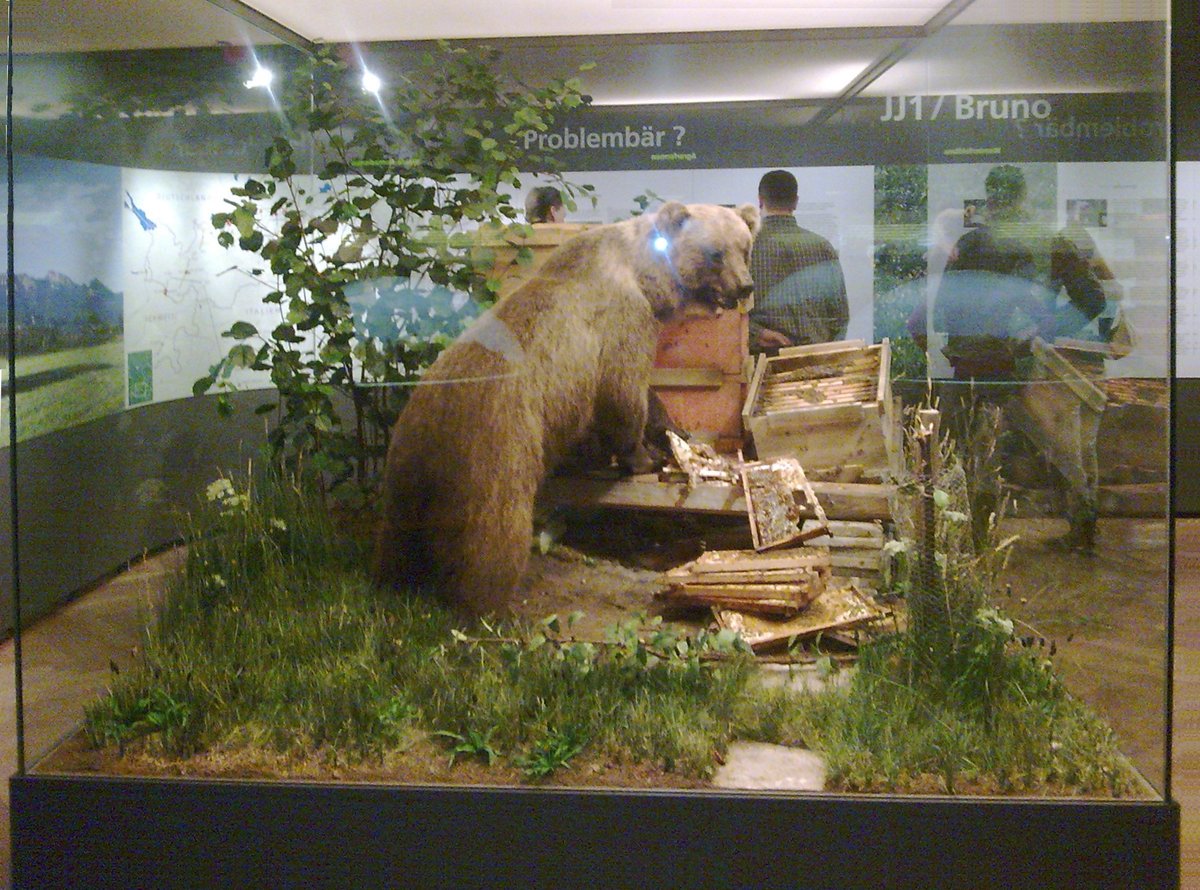
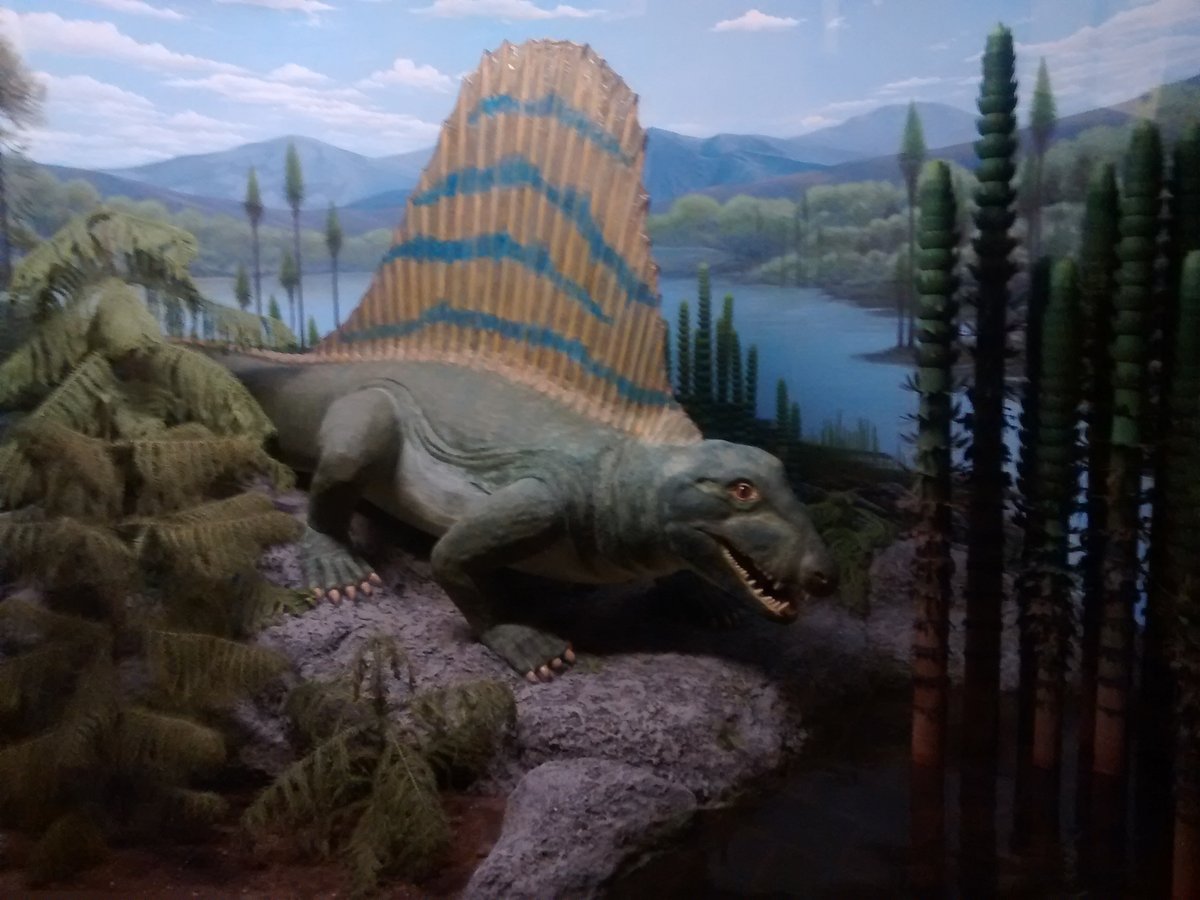
Highlights include the mounted body of “Bruno” (Bear JJ1), the last bear hunted in the region, prehistoric dioramas, interactive neuroscience and genetics stations, and a world population counter (Wikipedia).
Key Permanent Exhibits and Visitor Experience
- Human evolution and anatomy Interactive displays, life-sized models, and hands-on activities follow the journey from early hominids to modern humans (whichmuseum.com).
- Biodiversity and ecosystems Dioramas and interactive stations cover Bavarian habitats and global biodiversity, with an emphasis on conservation and environmental stewardship (biotopia.net).
- Bruno the Bear (JJ1) The exhibit explores wildlife conservation and human-wildlife coexistence through Bruno’s story (whichmuseum.com).
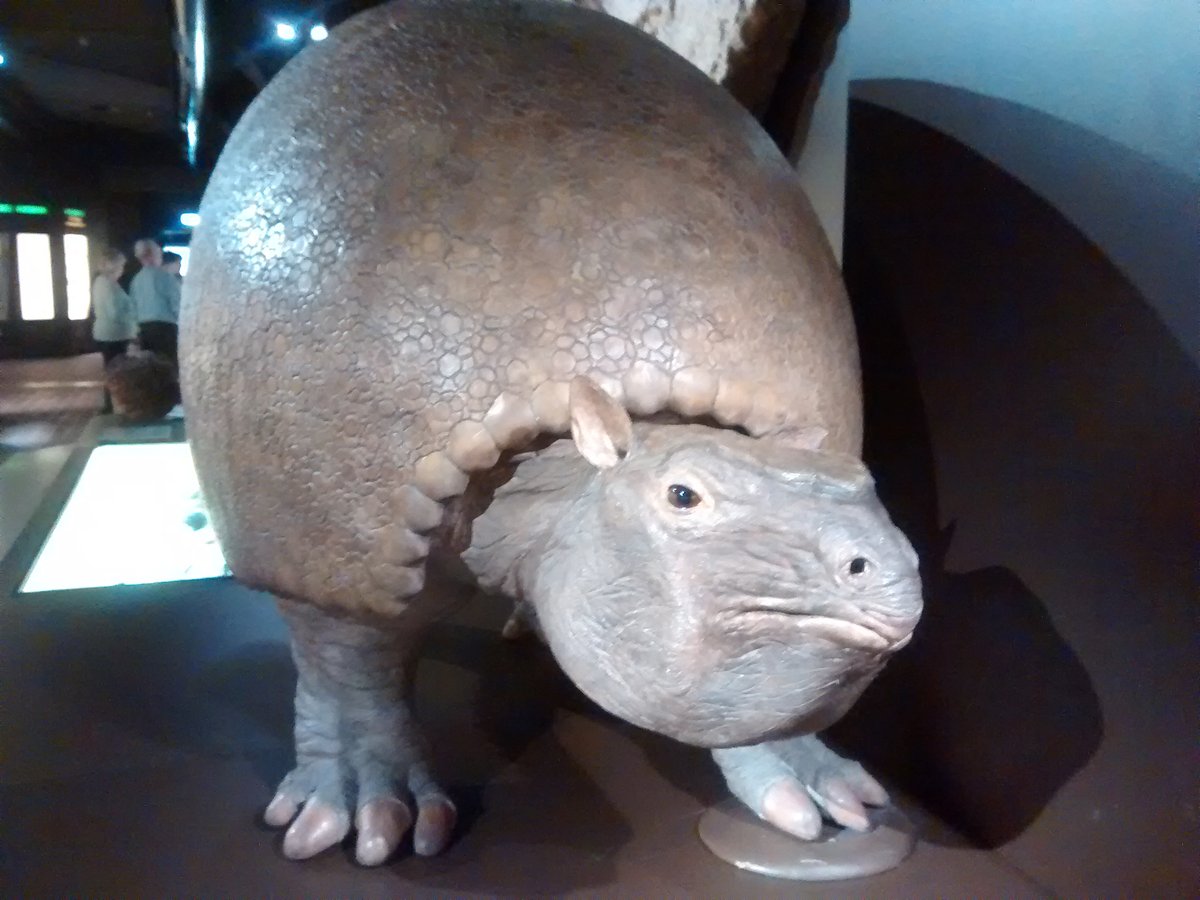
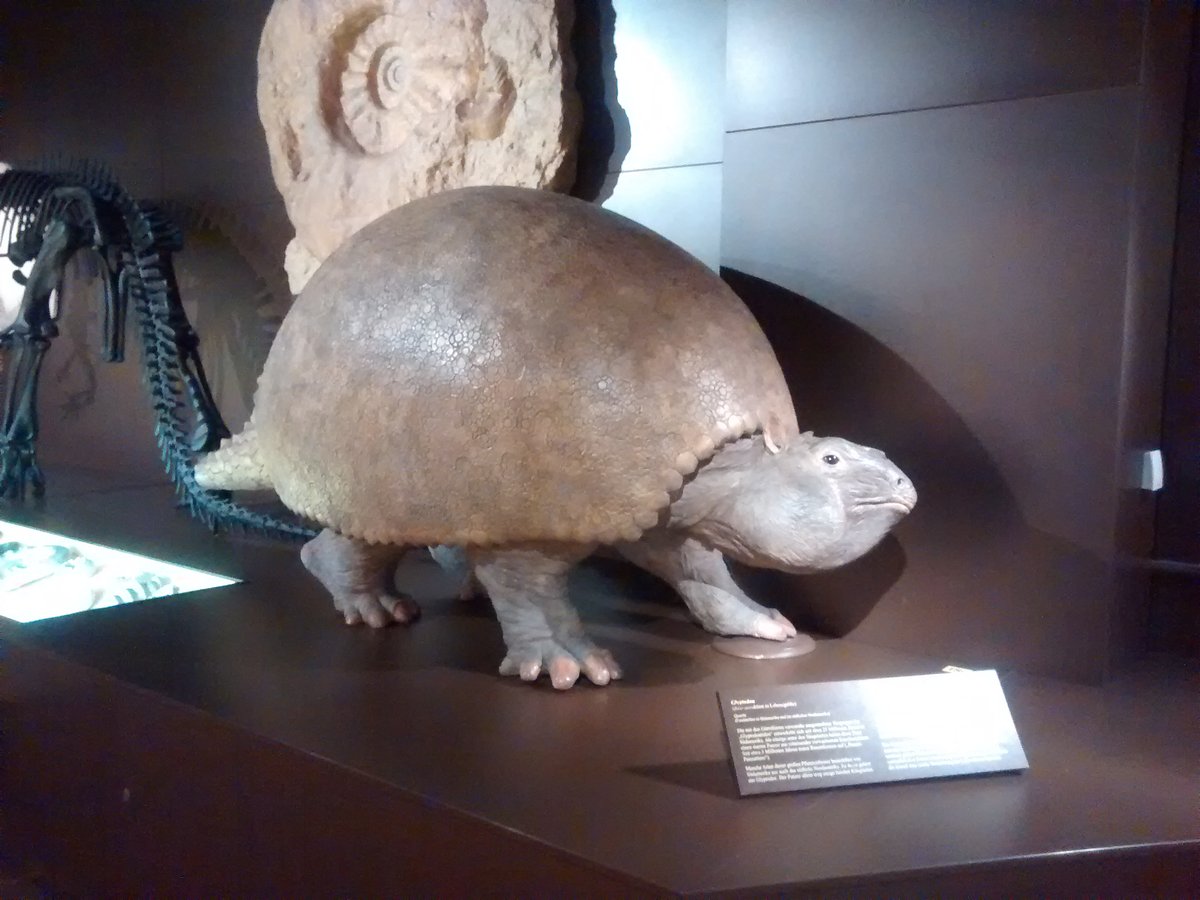
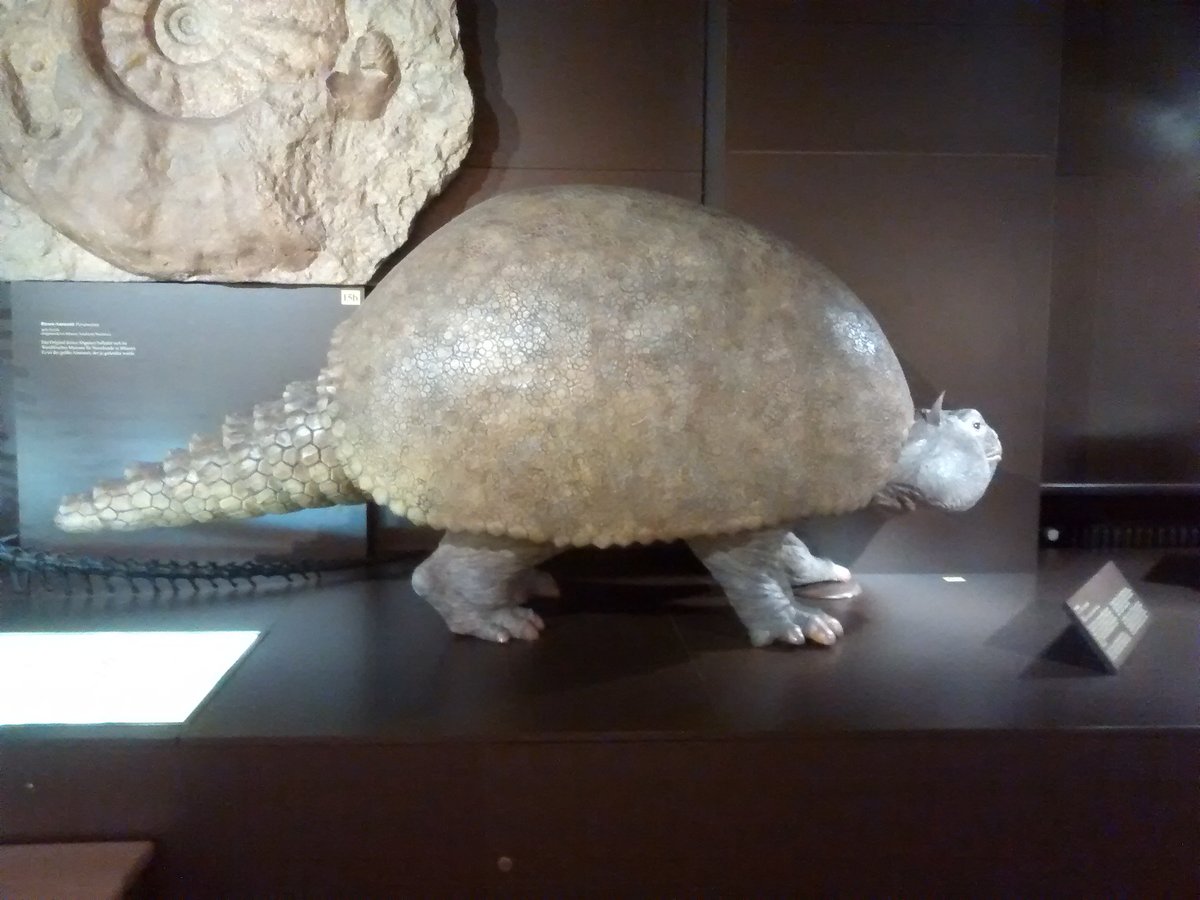
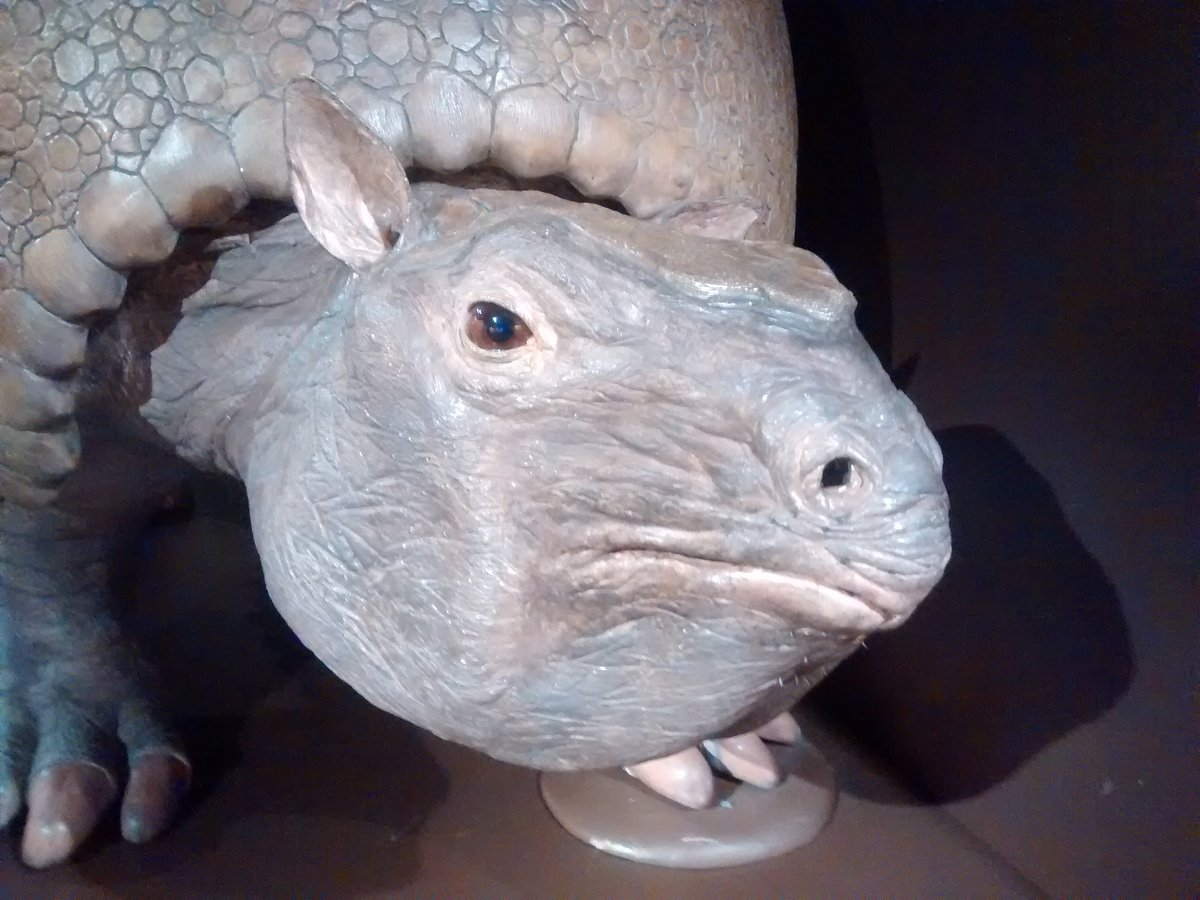
- Dinosaurs and prehistoric life Life-sized dinosaur models, fossil replicas, and “dig sites” offer a paleontological experience for visitors, including families and children (whichmuseum.com).
- Thematic zones Exhibits organized around “Eat, Move, Sleep, Communicate” connect human behavior with the wider natural world (biotopia.net).
- Interactive and family-friendly features Touch-friendly models, digital interactives, and experiment stations are available for young visitors and school groups (whichmuseum.com).
- BIOTOPIA Lab The adjacent Botanical Garden location offers science workshops, VR experiences, and art-science collaborations (biotopia.net).
Practical Visiting Information
Visiting Hours, Ticket Information, and Accessibility
Opening hours
- Tuesday to Friday: 9:00 AM–5:00 PM
- Saturday, Sunday, and public holidays: 10:00 AM–6:00 PM
- Closed Mondays, except Easter and Whit Monday
- Closed December 24, 25, and 31, and January 1
Check the official website for updates.
Admission
- Adults: €3.50
- Reduced admission for students and seniors: €2.50
- Children and young people under 18: free
- Sunday admission: €1 for all visitors
- Discounted group and school rates are available.
- Advance tickets are available via MünchenTicket.
Accessibility The museum has full wheelchair access, ramps, elevators, and accessible restrooms. German Sign Language and video guides are available, and service animals are permitted (kidpassage.com).
Practical Visitor Information
Hours and Ticketing
The opening hours, admission prices, Sunday rate, and ticket information are listed above. For updates, consult the museum’s hours and tickets page.
Directions and Access
- Address Maria-Ward-Straße 1b, 80638 Munich, inside Nymphenburg Palace
- Public transport Tram 17 (Schloss Nymphenburg stop); S-Bahn Laim with a tram transfer; bus lines 51/52
- Parking Limited
Facilities and Amenities
Facilities include a cloakroom, lockers, museum shop, free Wi-Fi, and accessible restrooms. Dining options are available in the palace grounds and nearby.
Tips
Tips for Visitors
- Weekdays tend to have fewer crowds.
- Allow 1.5–3 hours or more for an in-depth visit.
- Non-flash photography is permitted; commercial use requires a request.
- Audio guides and English translations are available for major exhibits.
- A visit can be combined with Nymphenburg Palace and its gardens.
- Check for temporary closures and BIOTOPIA Lab programming during renovations.
Special Events and Guided Experiences
The museum offers guided tours in German and occasionally in English, along with workshops and family events. Thematic exhibitions have included “Land.creates.sound” and the “CRISPR-Roadshow.” The Science Games Hall and birthday party packages provide additional activities for children and families. Advance booking is recommended during holidays (kidpassage.com).
Nearby Places
Travel Advice and Nearby Attractions
Nearby attractions include:
- Nymphenburg Palace, with its royal apartments and gardens
- Marstallmuseum, featuring royal carriages
- Porzellanmuseum München, with porcelain collections
- Munich Botanical Garden
- Cafés and restaurants within walking distance
Frequently Asked Questions (FAQ)
Q1: What are the Museum of Man and Nature’s opening hours?
A1: See the opening-hours schedule above; the museum is closed on Mondays except Easter and Whit Monday.
Q2: Do children need tickets?
A2: Children and young people under 18 enter free.
Q3: Is the museum wheelchair accessible?
A3: Yes. It has wheelchair access, ramps, elevators, and accessible facilities.
Q4: Are guided tours available in English?
A4: Occasionally; check schedules in advance.
Q5: What attractions are nearby?
A5: See the nearby places listed above, including Nymphenburg Palace, Marstallmuseum, Porzellanmuseum München, and the Botanical Garden.
- [Virtual Tour Link: Explore Museum Mensch und Natur virtually (if available)]
Discover More
The Museum of Man and Nature combines natural history, interactive learning, and a historic palace setting. As it transitions into Biotopia – Naturkundemuseum Bayern, its plans include new exhibition spaces, public labs, and participatory workshops.