
Origins and Construction
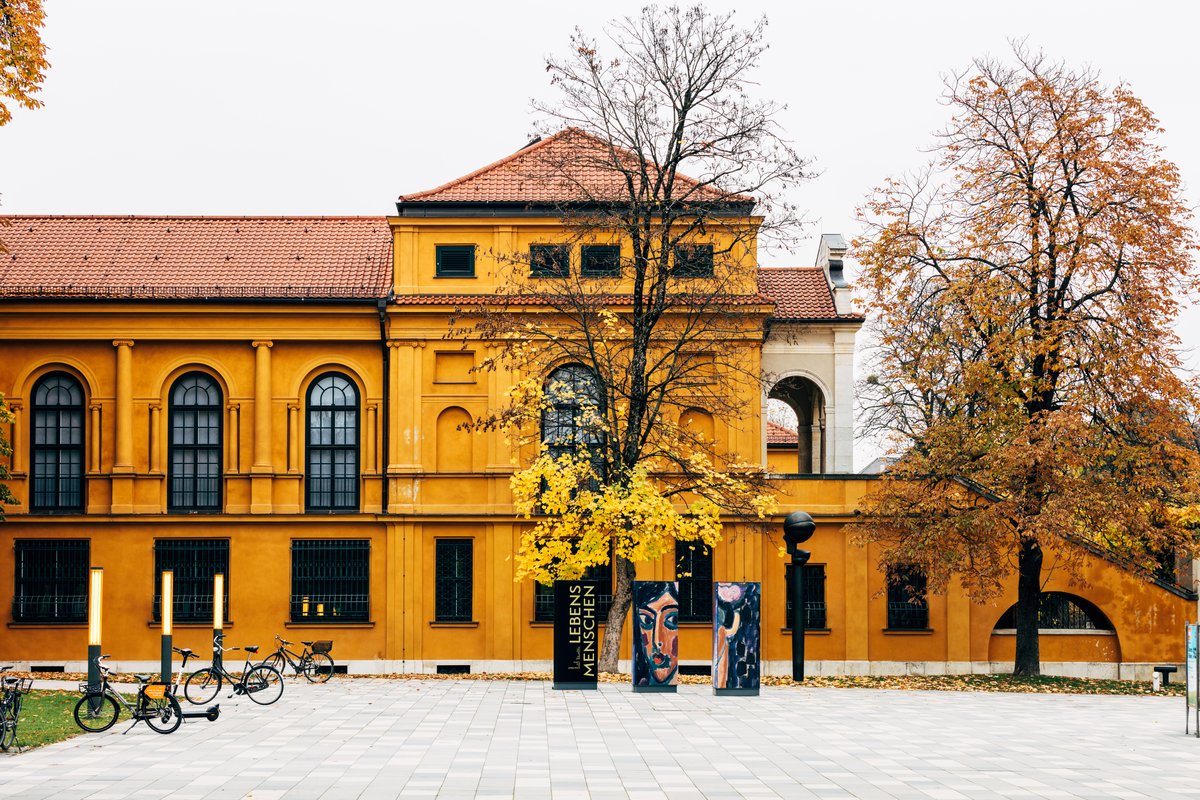
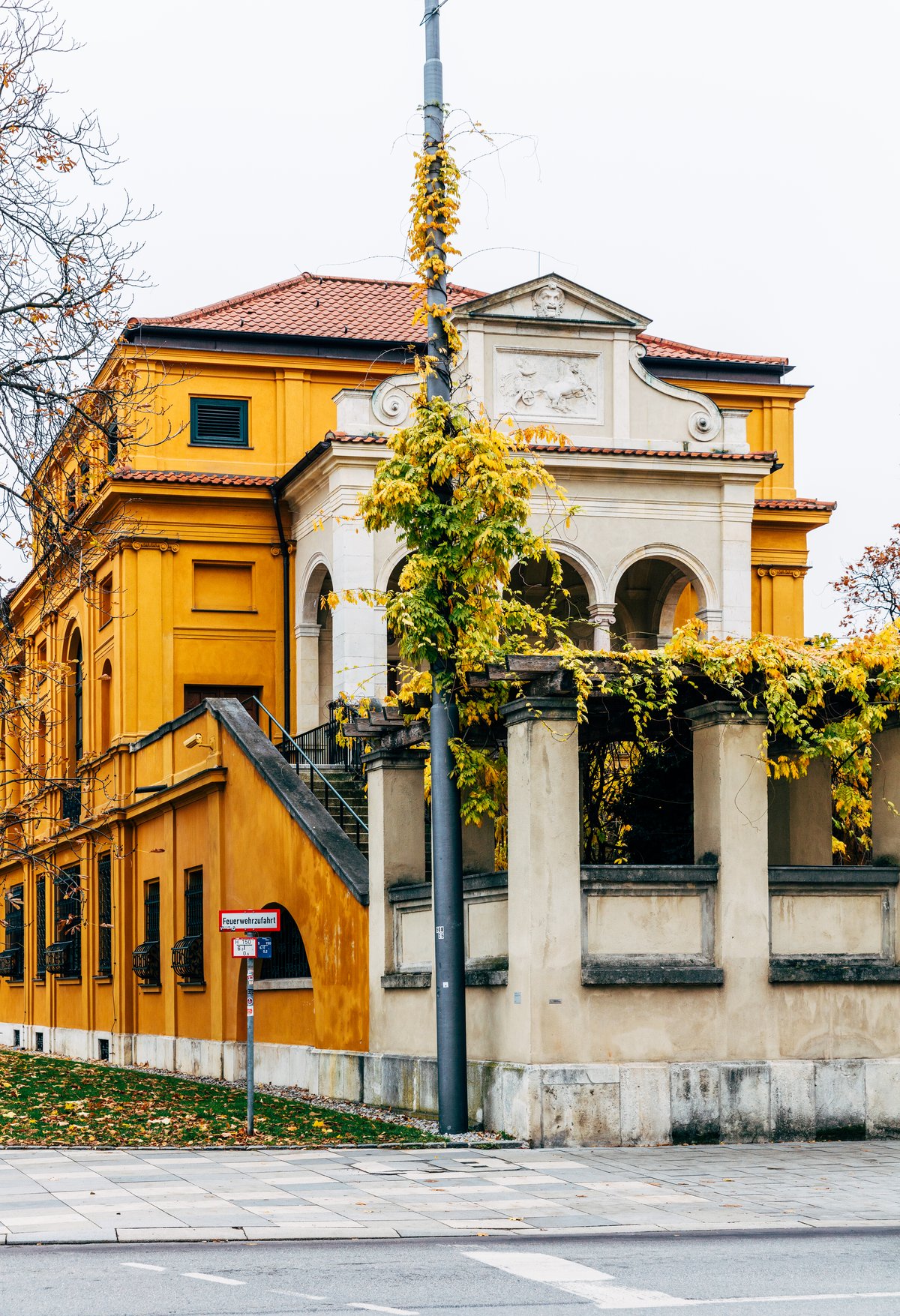
The Lenbachhaus began as the villa and studio of Franz von Lenbach (1836–1904), a leading 19th-century portraitist. Designed by Gabriel von Seidl in the Florentine style, the villa’s L-shaped wings and lush gardens by Max Kolb reflected Lenbach’s artistic ambitions and love for Italian Renaissance aesthetics. The lavish interior, adorned with art and antiques, served as both Lenbach’s residence and a social hub for Munich’s cultural elite (Lenbachhaus Museum History; Munich.de).
Transition to Public Museum
After Lenbach’s death, his widow sold the property to the City of Munich in 1924. This transition enabled the city to fulfill its long-held goal of creating a museum highlighting the Munich School and contemporary art. Architect Hans Grässel added a north wing in 1927, and the Städtische Galerie im Lenbachhaus opened to the public in 1929 (Munich.de; Wikipedia).
The Nazi Era and World War II
During the Nazi regime, the Lenbachhaus’s leadership and collection were restructured to fit party ideology, with “degenerate” art removed and Nazi-approved works added. The museum suffered significant damage during WWII bombing raids, particularly the studio wing, though the collections were largely saved through evacuation (Lenbachhaus Museum History).
Postwar Recovery and the Blue Rider Collection
In 1957, Gabriele Münter’s extraordinary donation of Blue Rider masterpieces—including works by Kandinsky, Marc, Macke, Klee, and herself—transformed the Lenbachhaus into a global center for early modernist art. The museum’s Blue Rider collection is the most comprehensive in the world, making it the primary destination for admirers of German Expressionism (Lenbachhaus Collection; European Traveler).
Architectural Evolution and Expansion
To accommodate its growing role, the Lenbachhaus has undergone several expansions:
- Hans Grässel’s north wing (1927–1929)
- Modern extension by Heinrich Volbehr and Rudolf Thönessen (1969–1972)
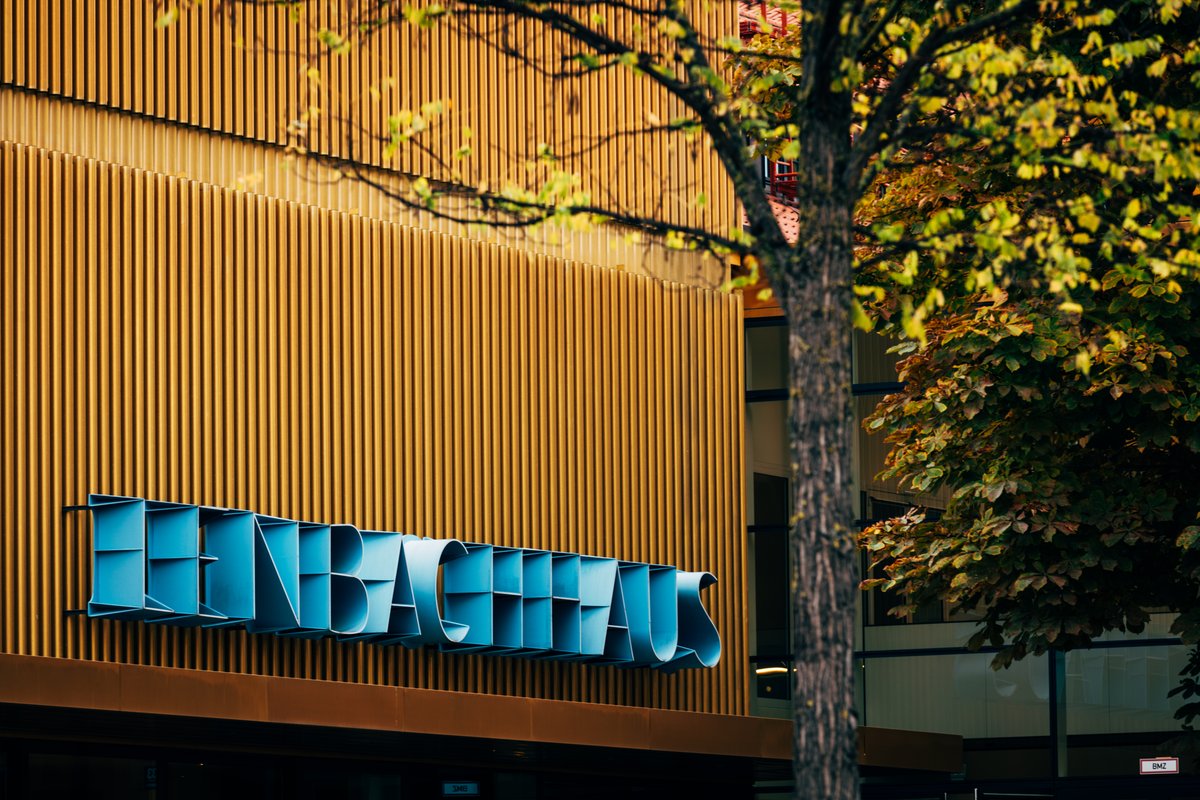
- Opening of the Kunstbau underground exhibition space (1994)
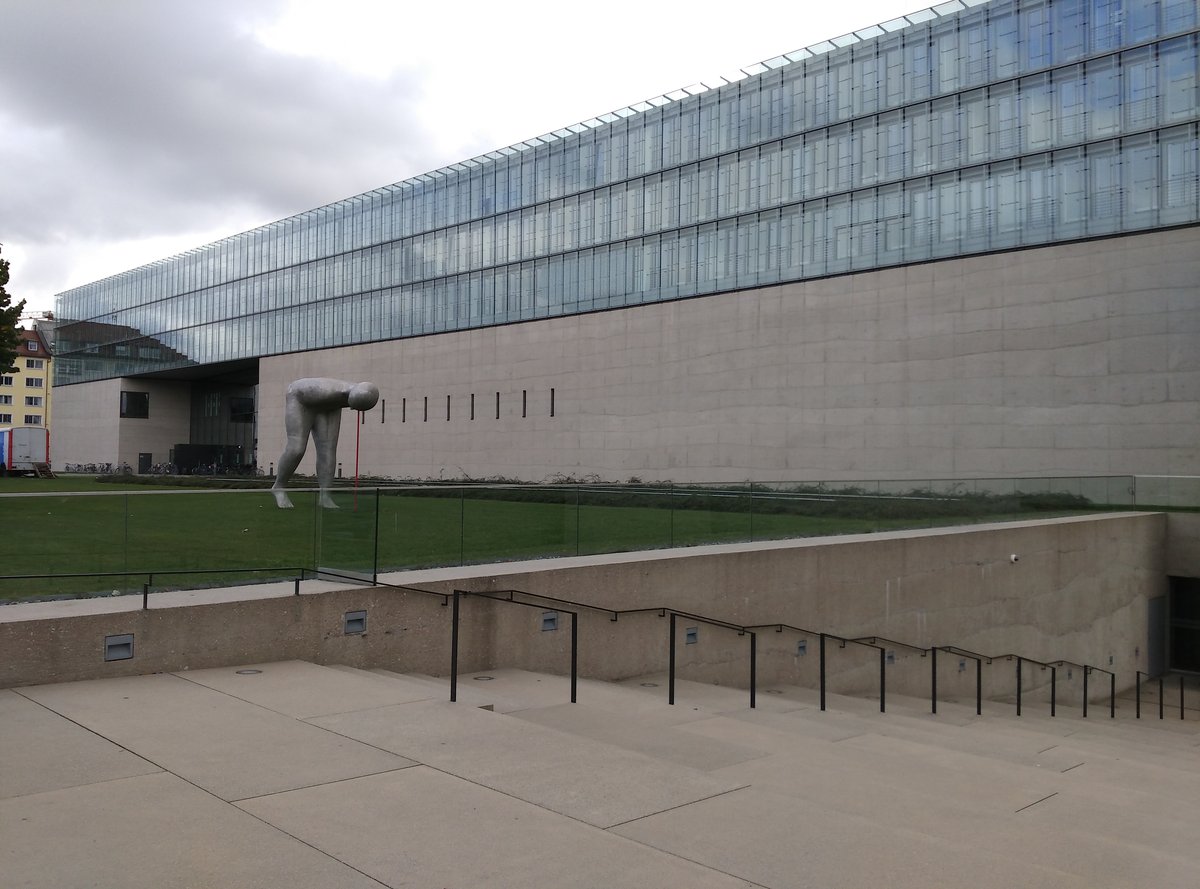
- Major renovation and new copper-alloy facade by Foster + Partners (2009–2013), culminating in the 2013 reopening (Wikipedia; Munich.travel).
Practical Visitor Information
Visiting Hours
- Tuesday–Sunday 10:00–18:00
- Thursday 10:00–20:00 (extended hours)
- Closed Mondays and public holidays
Tickets & Prices
- Adults €12
- Reduced Admission (students, seniors) €8
- Free Children and young people under 18
- Combination tickets for special exhibitions available
- Purchase Online via the official Lenbachhaus website or at the entrance
Location & Access
- Address Luisenstraße 33, 80333 Munich, Germany
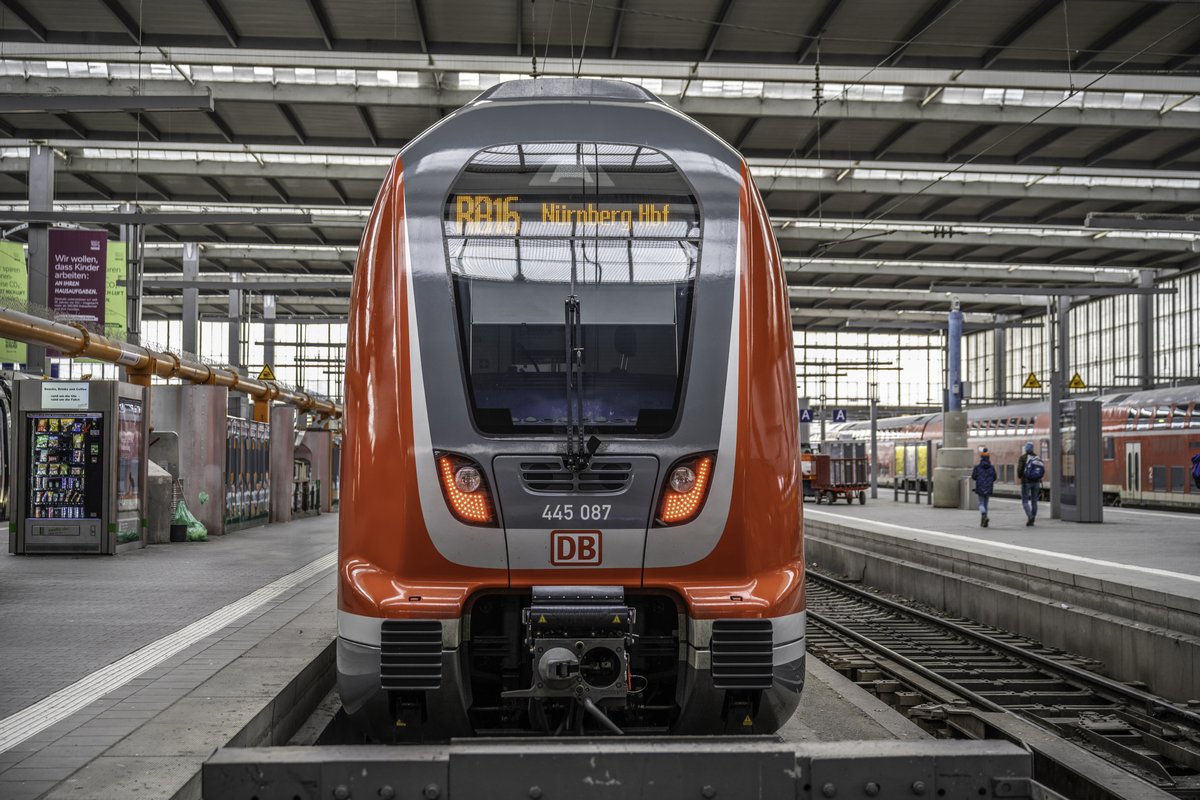
- Nearest transport Königsplatz U-Bahn station (U2, U8)
- Tram/bus Several lines serve the area; public transport is recommended
Accessibility
- Fully wheelchair accessible with elevators and ramps
- Accessible restrooms available
- Audio guides and guided tours in multiple languages
- Assistance for visitors with disabilities can be arranged
Visitor Tips
- Arrive early for a quieter experience, especially on weekends
- Guided tours available; book in advance for popular slots
- Photography without flash is allowed in permanent collections; check signage for special exhibitions
- Don’t miss the historic villa rooms and gardens
Key Collections and Highlights
The Blue Rider (Der Blaue Reiter) Collection
The museum’s crown jewel, the Blue Rider collection, features iconic works by Kandinsky, Marc, Münter, Macke, Klee, and more. Highlights include Marc’s “Blaues Pferd I” (Blue Horse I), Kandinsky’s pioneering abstractions, and Münter’s expressive landscapes and portraits (in-muenchen.de; artsandculture.google.com).
Munich School & 19th-Century Art
Works by Lenbach, Wilhelm Busch, Carl Spitzweg, and others document Munich’s artistic flowering in the 19th century, offering insights into the city’s social and cultural development (in-muenchen.de).
New Objectivity (Neue Sachlichkeit)
This movement brought a sharp, realistic approach to interwar German art, addressing social issues with works by artists such as Otto Dix and Alexej von Jawlensky (rausgegangen.de).
Post-1945 and Contemporary Art
The Lenbachhaus continues to collect and exhibit postwar and contemporary art, with notable works by Joseph Beuys, Gerhard Richter, Rupprecht Geiger, Maria Lassnig, Sarah Morris, and Isa Genzken. The museum’s dynamic approach ensures that visitors encounter both historic masterpieces and cutting-edge contemporary art (in-muenchen.de).
Kunstbau: Special Exhibition Space
The Kunstbau, an innovative underground annex, hosts major temporary exhibitions, often featuring immersive installations and experimental art (rausgegangen.de; hyperallergic.com).
Unique Visitor Experiences
- Special Exhibitions Regularly changing shows in the Kunstbau and main museum
- Workshops and Events Artist talks, educational programs, and hands-on workshops
- Free Admission Days First Thursday evening of each month (18:00–22:00) and International Museum Day (in-muenchen.de)
- Café Ella Enjoy food and drinks in the museum’s stylish café
- Museum Shop Find art books, prints, and unique gifts
Nearby Attractions & Travel Tips
- Königsplatz Iconic neoclassical square with the Glyptothek and Staatliche Antikensammlungen
- Pinakothek Museums Alte Pinakothek, Neue Pinakothek, and Pinakothek der Moderne are all within walking distance
- English Garden A vast urban park nearby, perfect for a post-museum stroll
- Dining Maxvorstadt district offers a wide selection of cafés, restaurants, and shops (secretmuenchen.com; turbopass.com)
FAQ
Q: What are the Lenbachhaus visiting hours?
A: Tuesday–Sunday 10:00–18:00, Thursday until 20:00, closed Mondays.
Q: How much do tickets cost?
A: Adults €12, reduced €8, free for children under 18.
Q: Are guided tours available?
A: Yes, in several languages; advance booking recommended.
Q: Is the museum accessible?
A: Fully accessible, with facilities for visitors with disabilities.
Q: When is admission free?
A: First Thursday of each month (evening), and International Museum Day.
Q: Can I take photos in the museum?
A: Yes, without flash in most permanent collection areas.
Summary and Final Tips
The Lenbachhaus is more than a museum—it’s a living testament to Munich’s artistic history and a vibrant participant in contemporary culture. From the historic villa and gardens to the world’s premier Blue Rider collection and bold contemporary exhibitions, the Lenbachhaus offers a layered narrative of innovation and engagement. Its central location in the Kunstareal makes it an ideal starting point for exploring Munich’s rich cultural landscape (Lenbachhaus Museum History; in-muenchen.de; Munich.de; Discover Bavaria).
For the best experience:
- Check opening hours and buy tickets online in advance
- Join guided tours or use audio guides to deepen your understanding
- Explore free admission opportunities and special events
- Combine your visit with nearby museums and attractions
- Download the Audiala app for interactive tours and updates