
Discovering Teusaquillo: Bogotá’s Historical and Cultural Gem
Indigenous Roots and Colonial Beginnings
The Muisca, an integral part of the Chibcha civilization, first inhabited this area. “Teusaquillo” denotes the Zipa’s ceremonial resting ground, reflecting the district’s deep indigenous origins. During Spanish colonization, the area became known as “Pueblo Viejo,” symbolizing its pre-colonial legacy (bogota.gov.co). This layered heritage forms the foundation of Teusaquillo’s distinct identity.
Urbanization, Architecture, and Social Significance
The early 20th century saw Teusaquillo’s transformation into an elite residential district, featuring English Tudor, European, and Art Deco mansions designed along wide, tree-lined boulevards and expansive parks—an embodiment of the garden city movement (cronicasdebarrio-bogotaantigua.blogspot.com). As Bogotá modernized, Teusaquillo became a hub of political activism, education, and intellectual life, hosting universities and cultural centers.
Cultural and Creative Hub
Teusaquillo’s status as a creative district is underpinned by its over 440 cultural establishments, including theaters, galleries, artisan workshops, and over 250 restaurants (bogota.gov.co). Major avenues like Parkway are lined with cultural venues and host festivals, open-air markets, and performances year-round.
Visiting Hours, Tickets, and Accessibility
- Parks Open daily, typically from 5:00 AM to 11:00 PM. Free entry.
- National Museum of Colombia Tuesday–Sunday, 9:00 AM–6:00 PM. Admission: ~12,000 COP for adults; free for children under 12 and students.
- Botanical Garden Tuesday–Sunday, 9:00 AM–4:30 PM. Closed Mondays. Admission: ~10,000 COP adults; student/child discounts.
- Movistar Arena Event-based hours. Tickets vary by performance (visitbogota.co).
- Children’s Museum Tuesday–Sunday, 9:00 AM–5:00 PM. Admission: ~8,000 COP.
- Guided Tours Offered by various providers, typically COP 30,000–70,000. Advance booking recommended.
- Accessibility Most attractions are wheelchair accessible. Cycling and walking paths are prevalent.
Key Attractions: Parks, Museums, and Cultural Sites
Simón Bolívar Metropolitan Park
Bogotá’s largest park (400+ hectares) is a hub for outdoor activities—jogging, yoga, boating, and family gatherings (missourist.com; thecrazytourist.com). Hosts major events such as Rock al Parque, Latin America’s largest free rock festival.
Parque de Los Novios
A romantic park adjacent to Simón Bolívar, with lakes, gardens, and boat rentals. Open 5:00 AM–9:00 PM, free entry.
Botanical Garden of Bogotá (Jardín Botánico José Celestino Mutis)
Colombia’s largest botanical reserve features Andean plants, themed gardens, and interactive workshops (missourist.com).
National Museum of Colombia
Housed in a former prison dating to 1823, this museum presents 20,000+ artifacts spanning pre-Columbian, colonial, and modern eras (arepasdelgringo.com).
Parkway (La Calle 45)
A pedestrian boulevard lined with historic mansions, cafes, bookstores, and cultural venues (roadtrip.travel).
Architectural Heritage
Teusaquillo boasts Colombia’s highest concentration of National Heritage buildings—English Tudor, Art Deco, Modernist—many designed by architects like Karl Brunner and influenced by Le Corbusier.
Activities: Sports, Markets, Art, and Nightlife
El Campín Stadium
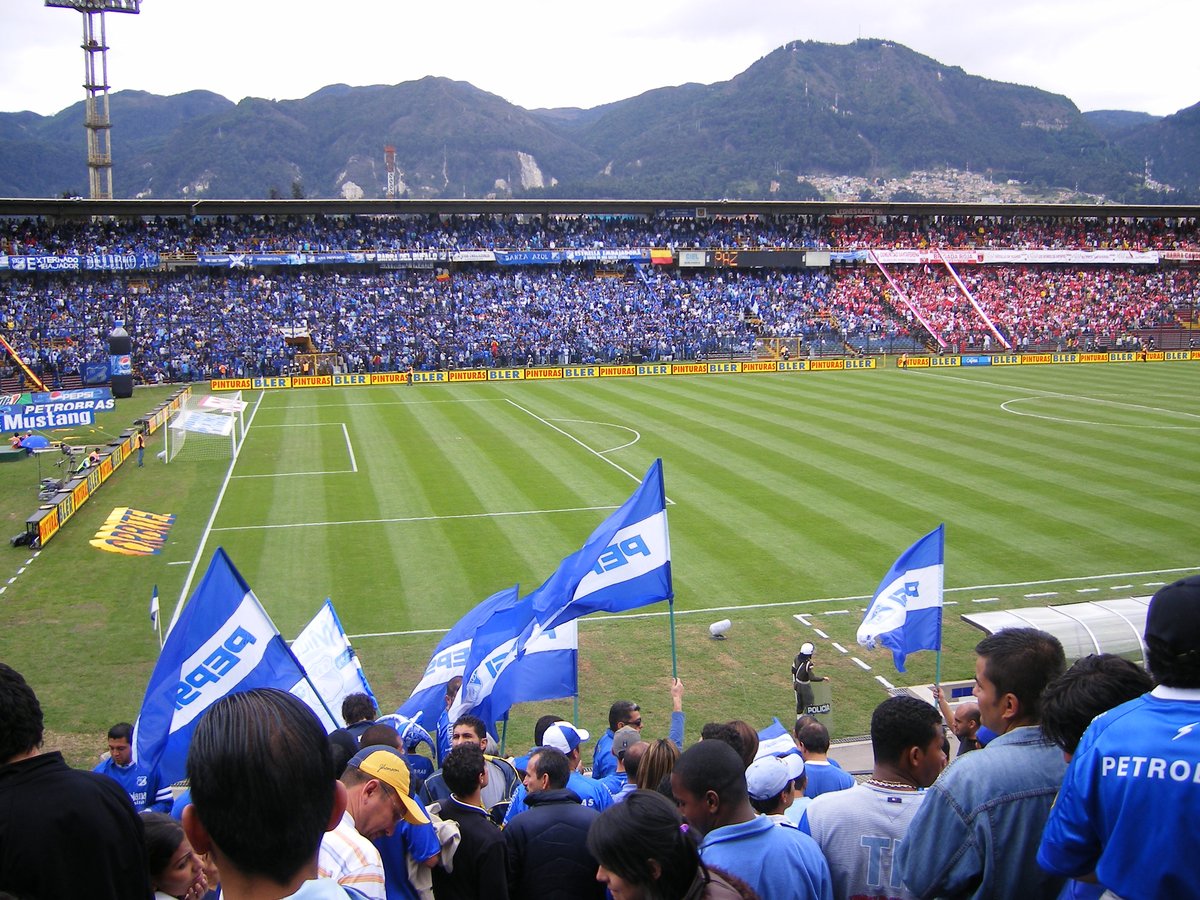
Bogotá’s main stadium (36,000+ seats) hosts football matches, concerts, and events. Home to Millonarios and Independiente Santa Fe (missourist.com).
Ciclovía
Every Sunday and holiday, 120+ km of Bogotá’s streets, including in Teusaquillo, are closed to cars for cyclists, runners, and pedestrians (thecrazytourist.com).
Paloquemao Market
A renowned food and flower market just outside Teusaquillo, open Monday–Saturday, 4:00 AM–3:00 PM. Guided tasting tours available (cultureactivities.com).
Street Art and Murals
Colorful murals throughout Teusaquillo reflect social themes and indigenous roots. Guided art tours provide deeper context (cultureactivities.com).
Theaters and Cultural Venues
Teatro Libre and Casa E present avant-garde plays, music, and dance. Many venues participate in the annual cultural agenda (bogota.gov.co).
Family-Friendly Spaces
- Children’s Museum of Bogotá Science, technology, and culture for young learners (missourist.com).
- Playgrounds and Sports Courts Scattered across parks for safe recreation (halfdigitalnomad.com).
Gastronomy and Nightlife
- Cafés and Bakeries Specialty Colombian coffees and pastries, especially along Parkway.
- Restaurants A range from classic Colombian to international cuisine, with many offering live music.
- Bars and Pubs Relaxed nightlife centered around Parkway, with craft beers and cocktails.
Practical Visitor Information and Tips
- Safety Teusaquillo is considered one of Bogotá’s safest neighborhoods, with a strong community presence and visible security (halfdigitalnomad.com).
- Transport Well connected by TransMilenio, taxis, and extensive bike lanes. Walking and cycling are recommended.
- Accommodation Options range from luxury hotels to hostels; book early during major events (missourist.com).
- Accessibility Flat terrain and accessible facilities make it suitable for all visitors.
- Event Planning Check local listings for festivals, markets, and performances.
Notable Day Trips and Nearby Attractions
- La Candelaria Bogotá’s colonial heart, with museums and vibrant street life (thecrazytourist.com).
- Monserrate Hill Panoramic views of the city and Andes (wegotrip.com).
- Salt Cathedral of Zipaquirá Unique underground cathedral, reachable via train or guided tour (missourist.com).
- Laguna de Guatavita Legendary Andean lake with indigenous history (thecrazytourist.com).
Luis Ángel Arango Library: A Cultural Landmark
Founded in 1958, the Luis Ángel Arango Library is among Colombia’s most iconic libraries, housing 1.5 million volumes and integrating modern architecture with restored colonial buildings.
Visiting Details
- Hours Monday–Friday 8:00 AM–8:00 PM; Saturday–Sunday 9:00 AM–6:00 PM.
- Admission Free.
- Guided Tours Offered weekdays at 10:00 AM and 3:00 PM. Book in advance.
Experiences
The library hosts regular exhibitions, concerts, readings, and workshops. Its location near Parkway and the Universidad Nacional TransMilenio station makes it easily accessible. Photography is allowed (no flash/tripods). The building is wheelchair accessible, and several cafes inside and nearby offer Colombian coffee and snacks.
Summary and Recommendations
Teusaquillo offers an immersive experience for visitors—rich in history, architecture, and vibrant local culture. From exploring green spaces and museums to enjoying gastronomy, festivals, and nightlife, the district is a microcosm of Bogotá’s spirit. Its accessibility, safety, and diverse attractions make it suitable for travelers of all interests.
For a seamless visit, use local transit, download the Audiala app for guided audio tours, and check official cultural agendas for current events. Whether you have a day or a week, Teusaquillo invites you to discover the very essence of Bogotá.