
What La Salle University Bogotá Is
La Salle University (Universidad de La Salle) is a private Catholic institution in Bogotá and a center for education, culture, and social development. Its campuses offer different experiences, from historic La Candelaria to Chapinero and northern Bogotá. The university also has a campus in Yopal, Casanare.
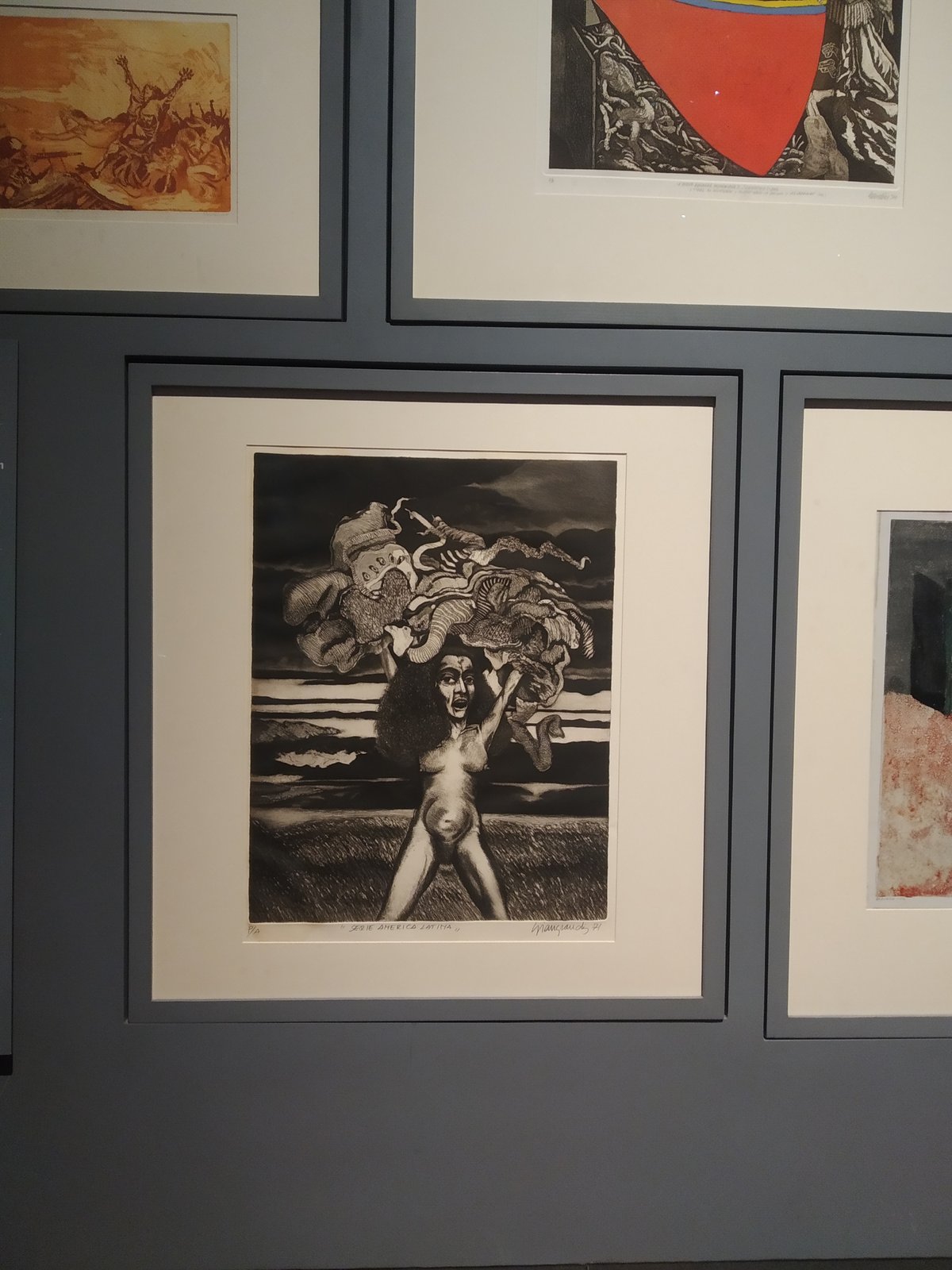
Landmarks and cultural features include the Capilla de la Santa Cruz, the Capilla de Nuestra Señora de la Estrella, the Museo de La Salle, and monuments honoring the university’s founders. Campuses also host cultural events and exhibitions. Most university spaces are described as free to access, though admission information for the museum and special exhibitions varies; details are below.
For schedules and tour arrangements, consult the official university website. Further visitor information is also linked through La Salle University Official Website, Bogotá Travel Guide, and Colombia University Tours.
History
The university was established in Bogotá in 1964 by the Brothers of the Christian Schools. Its educational approach draws on the 17th-century Lasallian tradition founded by Saint John Baptist de La Salle, emphasizing faith, service, and community. The university was created to expand accessible, values-driven education in Latin America.
It is recognized as a leading private university in Colombia and is noted for its commitment to social justice and community outreach. Its monuments and art installations commemorate its founders and its role in Bogotá’s educational landscape.
What to See and Do
Campuses
La Salle University has three main campuses in Bogotá and one in Yopal, Casanare:
- La Candelaria Campus In Bogotá’s historic center, it is home to the Management, Architecture, and Engineering faculties. It is close to the Gold Museum and other La Candelaria attractions (Wikipedia; Times Higher Education).
- Chapinero Campus Located in a lively district known for its theater, dining, and nightlife (Times Higher Education).
- Northern Bogotá Campus Specializes in agricultural sciences and environmental studies (Wikipedia).
- Yopal Campus, Casanare Focuses on social and educational projects for rural development (Wikipedia).
Chapels, Museum, and Other Highlights
- Capilla de la Santa Cruz On the Candelaria Campus, this historic chapel was built in 1933. It is known for its pipe organ, survived the 1948 Bogotazo, and features exhibits on Lasallian history.
- Capilla de Nuestra Señora de la Estrella On the Chapinero Campus, this modern chapel is a spiritual and community hub.
- Museo de La Salle Founded in 1904, the museum holds extensive natural history collections, including displays on Colombia’s biodiversity and natural and cultural history. It offers guided tours and educational programs for all ages.
- Modern facilities Laboratories, libraries, and recreational spaces support student development.
- Events and performances Theaters at the Candelaria and Chapinero campuses host cultural and academic events. The chapels also hold concerts and community events. Schedules are available through News and Events and the official website.
- Utopía Project Based in Yopal, this project supports social transformation and rural development initiatives (Wikipedia).
Practical Visiting Information
Hours and Admission
Published hours differ by campus and venue. Check current schedules before visiting, as some venues may have different hours during events.
- General visiting hours Monday to Friday, 8:00 AM–6:00 PM; Saturday, 9:00 AM–1:00 PM. Some venues may have different hours during events.
- Candelaria Campus Monday to Friday, 8:00 AM–6:00 PM; weekends by appointment. Other information describes weekend access as limited or by appointment.
- Chapinero Campus Monday to Friday, 7:30 AM–7:00 PM.
- Museo de La Salle Tuesday to Saturday, 9:00 AM–5:00 PM; Sunday, 10:00 AM–3:00 PM; closed Mondays.
Admission information also varies by listing: general entry to the university grounds and museum is described as free, with donations welcome for cultural programs; another listing says some special exhibitions may have a nominal fee. A separate museum listing gives admission as COP 5,000 for adults, with discounts for children and seniors.
Registration at the security office is recommended for guided tours. Tours are available by request and provide information about the university’s history, architecture, and mission; book in advance and check the website for schedules and reservations.
Getting There and Navigating
The Candelaria Campus is in central Bogotá, close to major public transport and historical attractions. It is near the Museo del Oro and Plaza de Bolívar and is accessible by TransMilenio. Chapinero is easily reached by public transport. TransMilenio and taxis can be used to travel between campuses. Campus maps are available on the official website.
Accessibility, Facilities, and Visitor Services
The university describes its campuses as having ramps, elevators, and accessible restrooms. Most buildings are accessible, though older structures in La Candelaria may have limitations. Contact visitor services for assistance or specific accessibility needs.
On-campus cafeterias serve affordable Colombian dishes. Campus health services are mainly for students; nearby emergency services are available.
For visitor inquiries, contact [email protected].
Tips for Visitors
- Bogotá’s climate is cool and changeable; bring layers and an umbrella.
- The city is at an altitude of 2,640 meters; visitors should acclimate gradually.
- Carry ID and follow campus guidelines. The campus is described as secure; standard urban precautions also apply.
- Spanish is the primary language. Some staff may speak English, and basic Spanish is helpful.
- Photography is allowed except where restricted during special exhibitions.
- Check official updates and book tours in advance. The university’s website has images and virtual tours for orientation before a visit.
- Travel apps such as Audiala and the university’s official social media channels provide real-time updates and visitor information.
Nearby Places
The Candelaria Campus is close to several historical and cultural attractions:
- Museo del Oro (Gold Museum) Known for its pre-Hispanic gold collection.
- La Candelaria District Noted for colonial architecture, museums, and historic streets.
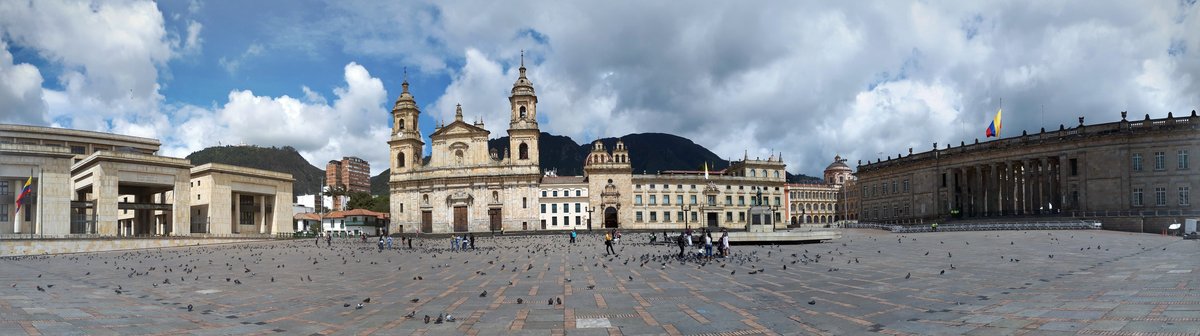
- Plaza Bolívar Bogotá’s central square, with historical landmarks.
Chapinero offers a modern social scene, including dining and theater. Nearby dining options in both Chapinero and La Candelaria are listed by The Crazy Tourist.
FAQ
- What are the visiting hours? General hours are Monday–Friday, 8:00 AM–6:00 PM, and Saturday, 9:00 AM–1:00 PM. Campus and venue schedules vary: Candelaria is listed as Monday–Friday, 8:00 AM–6:00 PM, with weekends by appointment or limited access; Chapinero is listed as Monday–Friday, 7:30 AM–7:00 PM. The museum is listed as Tuesday–Saturday, 9:00 AM–5:00 PM, and Sunday, 10:00 AM–3:00 PM, and closed Mondays.
- Is there an entrance fee? University grounds are free to enter. Museum information varies: one listing describes museum entry as free, while another gives a price of COP 5,000 for adults, with discounts for children and seniors. Some special exhibitions may have a nominal fee, and donations are welcome for cultural programs.
- Are guided tours available? Yes. Tours are available by request; book in advance. Registration at the security office is recommended.
- Is the campus accessible? Ramps, elevators, and accessible restrooms are available. Some older La Candelaria buildings may have limitations; contact visitor services about specific needs.
- Can I take photos? Yes, except where restricted during special exhibitions.
For updates, consult the Universidad de La Salle official website.