
What the National Pedagogic University is
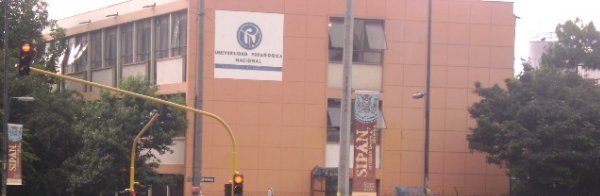
The National Pedagogic University (Universidad Pedagógica Nacional, UPN) is an educational and cultural institution in Bogotá’s Chapinero district. Since its official founding in 1955, it has grown from a teacher-training school into a comprehensive university known for academic work, pedagogical research, and its commitment to social progress.
The campus brings together historical legacy and contemporary academic life. It is visited by education professionals, students, cultural tourists, and history enthusiasts. For updates and visitor arrangements, consult the official National Pedagogic University website, the UPN campus portal, and the Colombian Pedagogical Museum page.
History
UPN’s roots lie in early 20th-century teacher-training initiatives, which culminated in its official establishment in 1955. The university was created as part of Colombia’s modernization of education and the professionalization of teaching. Initially, it focused on training primary and secondary school teachers, drawing on European pedagogical models that emphasized both theory and practice.
Over time, UPN expanded its academic offerings and became a leader in educational research and innovation. Today, it provides undergraduate and graduate programs in areas including special education, educational psychology, and curriculum development, as well as master’s and doctoral degrees. Its mission is to cultivate educators equipped to transform their social contexts, guided by critical thinking, ethical responsibility, and social justice.
What to see
Campus facilities and highlights
- Modern classrooms and laboratories support diverse educational programs and research.
- Libraries hold comprehensive collections in education and pedagogy, with study areas for research and reflection.
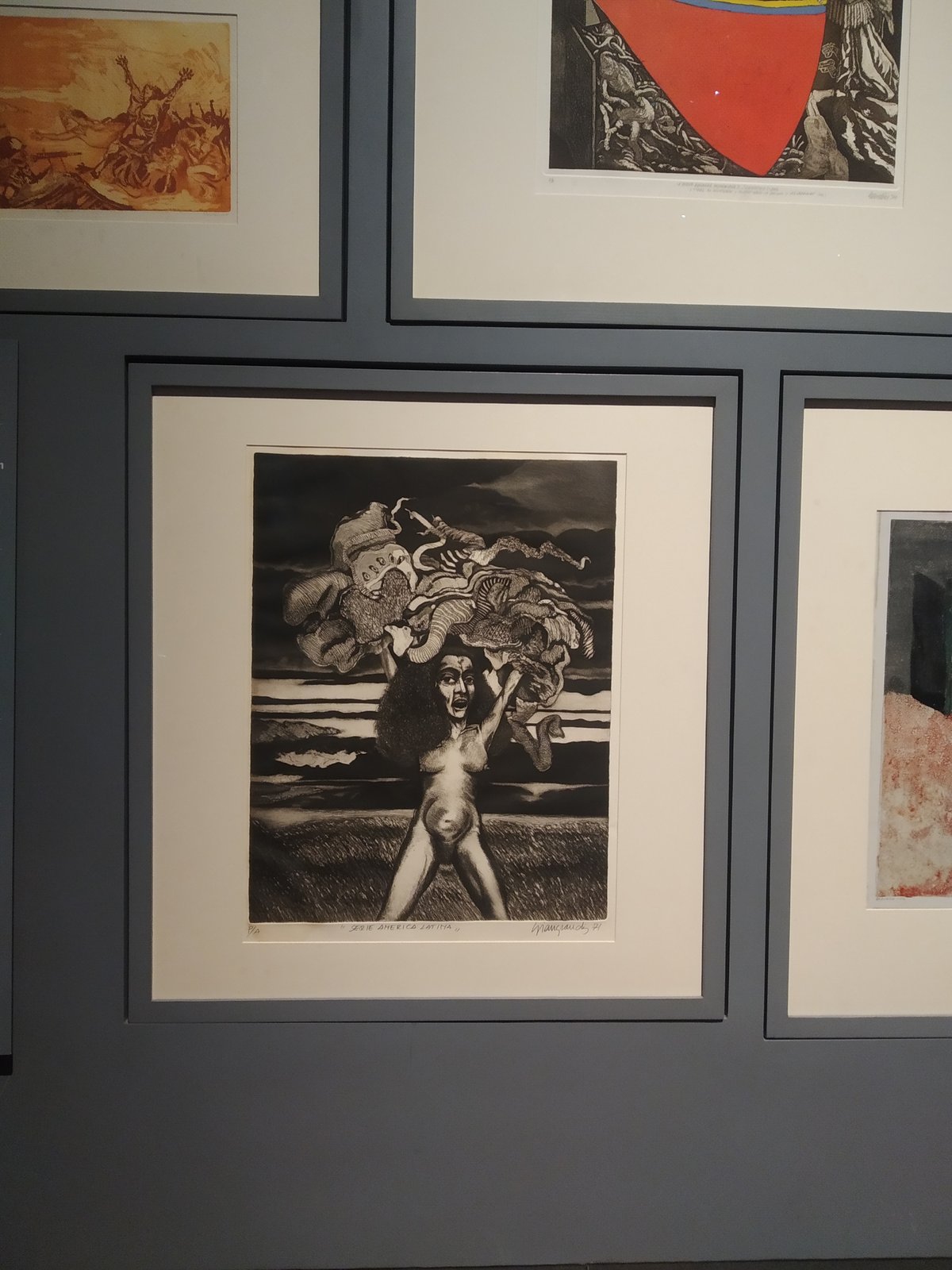
- Faculty of Fine Arts Art studios and galleries display student and faculty work.
- Centro de Lenguas (Language Center) Offers language courses and cultural exchange programs. It is open Monday to Friday, 7:00 a.m.–7:00 p.m.
- Cafeterias offer multiple dining options and affordable meals.
- Cultural centers and La Pedagógica Radio Station are part of the university’s artistic and intellectual life.
Colombian Pedagogical Museum
Located within UPN’s main campus, the Colombian Pedagogical Museum chronicles the evolution of education in Colombia. Established in 2004, it features permanent and temporary exhibitions on Colombian education, educational artifacts, documents, multimedia presentations, and interactive displays for all ages.
Practical visiting information
Location and transport
- UPN address Calle 72 No. 11-86, Chapinero, Bogotá, Colombia.
- Museum address Carrera 5 # 11-43, Bogotá, Colombia.
- The campus is accessible via Bogotá’s TransMilenio bus system and is near other major universities.
- The museum is accessible via TransMilenio at Las Aguas and Museo del Oro stations. Parking is limited, and public transit is recommended.
Hours and admission
- UPN campus Monday to Friday, 8:00 a.m.–5:00 p.m.
- Colombian Pedagogical Museum Tuesday to Saturday, 9:00 a.m.–5:00 p.m.; Sunday, 10:00 a.m.–4:00 p.m. It is closed Mondays and public holidays.
- General access to both the campus and museum is free. Special events or exhibitions may require advance registration or tickets; check the official website for updates.
Accessibility and language
The university provides ramps, elevators, and accessible restrooms; visitors with specific needs are encouraged to inquire ahead. The museum also has wheelchair ramps and accessible restrooms.
Spanish is the primary language. The Language Center and some staff can assist in English. The museum has audio guides and descriptive materials in Spanish, with other languages available on request. Non-Spanish speakers are advised to arrange a translator or guide.
Tours and events
Guided tours are available by appointment; contact UPN’s visitor services or the museum directly. The university hosts art exhibitions, theater performances, and academic conferences. Check the UPN website for schedules.
Tips
- Allow 1.5–2 hours for a full visit to the museum. Guided tours are available upon request.
- Early mornings and late afternoons offer quieter experiences and better light for photography.
- Bogotá has mild weather; bring a light jacket and umbrella.
- Chapinero is generally safe, and the campus is secure, but take standard precautions, especially on public transport or in unfamiliar areas, and remain alert to personal belongings.
- Photography is allowed in public areas but may be restricted in certain exhibitions or performances.
- Check official event calendars before your visit, and arrange guided tours for deeper insights.
- Stay informed through UPN’s official channels and consider using the Audiala app for interactive tours and up-to-date visitor information.
Nearby places
Nearby attractions and related historical sites include:
- National Museum of Colombia More than 20,000 historical artifacts.
- Botero Museum Works by Fernando Botero and other artists.
- Gold Museum (Museo del Oro) World-renowned gold collections.
- La Candelaria Historic District Colonial architecture, street art, and vibrant cafes.
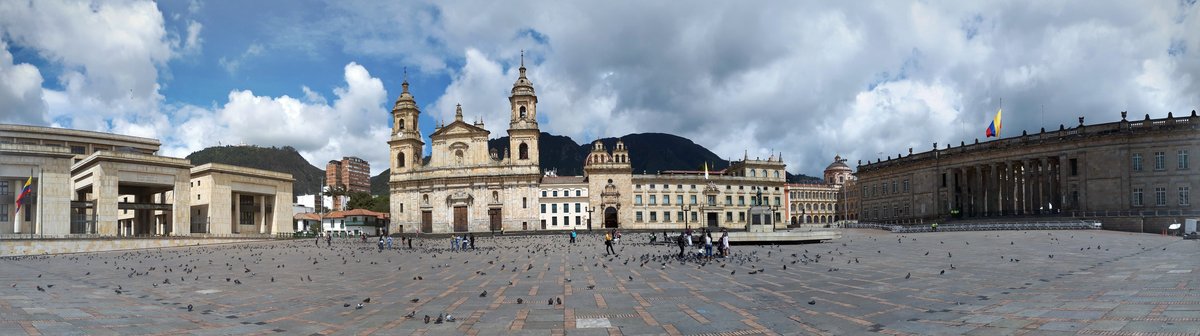
- Plaza de Bolívar.
The museum visit can be combined with nearby attractions such as Plaza de Bolívar and the Gold Museum.
Frequently Asked Questions (FAQ)
Q: What are the visiting hours for the campus and museum?
A: UPN campus: Monday–Friday, 8:00 a.m.–5:00 p.m. Museum: Tuesday–Saturday, 9:00 a.m.–5:00 p.m.; Sunday, 10:00 a.m.–4:00 p.m. The museum is closed Mondays and public holidays.
Q: Is there an entry fee?
A: General admission to both the campus and museum is free. Some special events or exhibitions may require tickets or registration.
Q: Are guided tours available?
A: Yes, by appointment. Contact the university or museum in advance to arrange one.
Q: Is the campus accessible for people with disabilities?
A: Yes. The campus has ramps, elevators, and accessible restrooms; the museum has wheelchair ramps and accessible restrooms.
Q: What language is spoken?
A: Spanish is primary; limited English support is available.
Q: Can I take photographs?
A: Photography is allowed in public areas but may be restricted in certain exhibitions or performances.
Q: How do I get there by public transport?
A: Use Bogotá’s TransMilenio system; the campus and museum are near central lines. The museum is accessible from the Las Aguas and Museo del Oro stations.