

What the university is
The Pontifical Xavierian University (Pontificia Universidad Javeriana), also known as La Javeriana, is in central Bogotá along Carrera 7. Its campus brings together academic life, historic and contemporary architecture, green spaces, and cultural venues. Visitors can explore the campus and its monument, with free general campus admission.
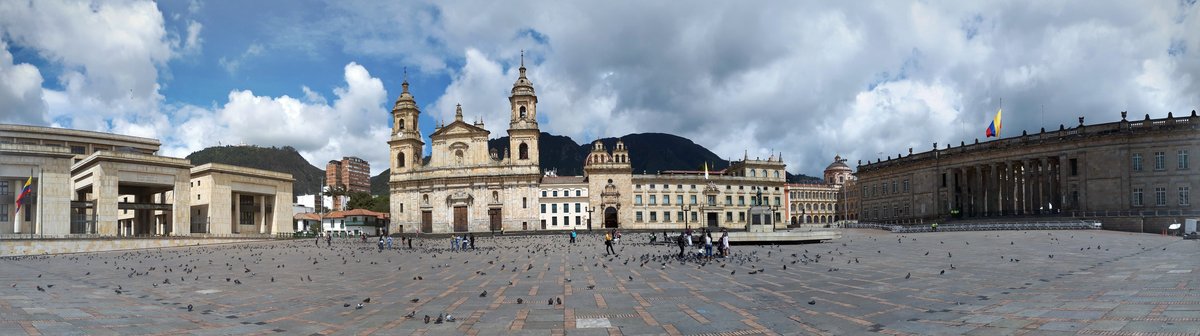
The university’s location makes it a cultural stop near La Candelaria and Bogotá attractions including Plaza de Bolívar, Museo del Oro, and the Botero Museum. On-site visitor facilities include cafeterias, accessible restrooms, and visitor centers (Pontifical Xavierian University official website; NomadicMatt Travel Guide; Visit Bogotá platform).
History
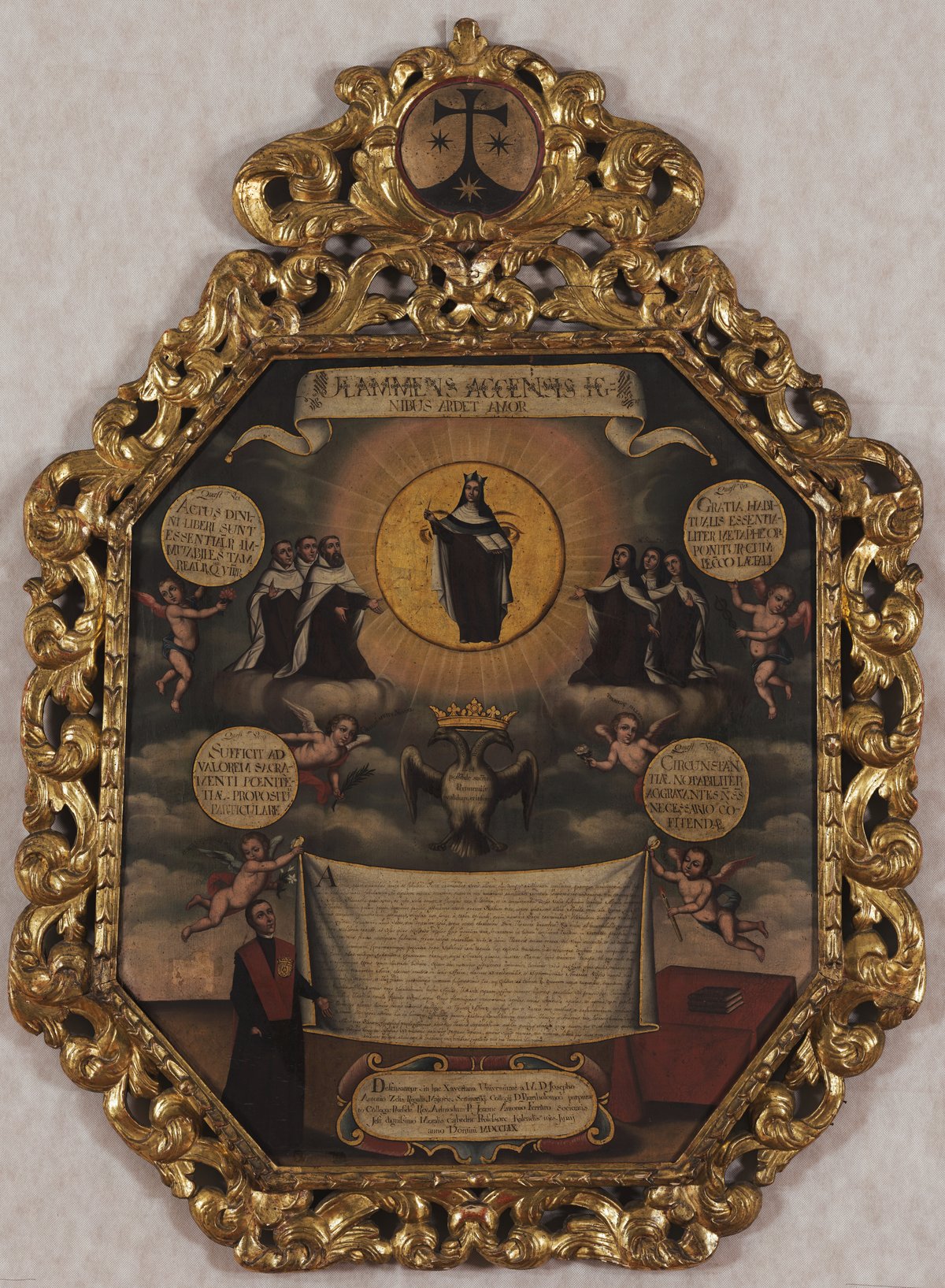
Founded in 1623 by Jesuit missionaries, the university is one of Latin America’s oldest and most esteemed institutions. Named for St. Francis Xavier, a prominent Jesuit missionary, it was originally called the “Xavierian Academy” and was the fourth university established in the Americas.
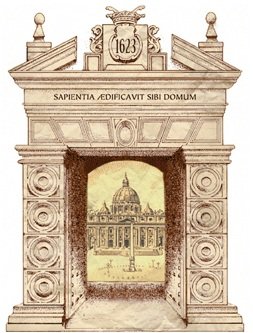
Its Jesuit educational tradition emphasizes academic rigor, ethical leadership, and social responsibility. The motto, “Sapientia aedificavit sibi domum” (“Wisdom has built herself a home”), is inscribed at the main entrance. Despite the Jesuits’ expulsion in 1767, the university endured. It now comprises 18 schools and 181 academic programs across its Bogotá and Cali campuses.
The university also has 19 faculties spanning disciplines from medicine to engineering, humanities, and theology (Smapse). It has over 3,000 academic staff and nearly 23,000 students (GoToUniversity).
What to see
Campus architecture and cultural spaces
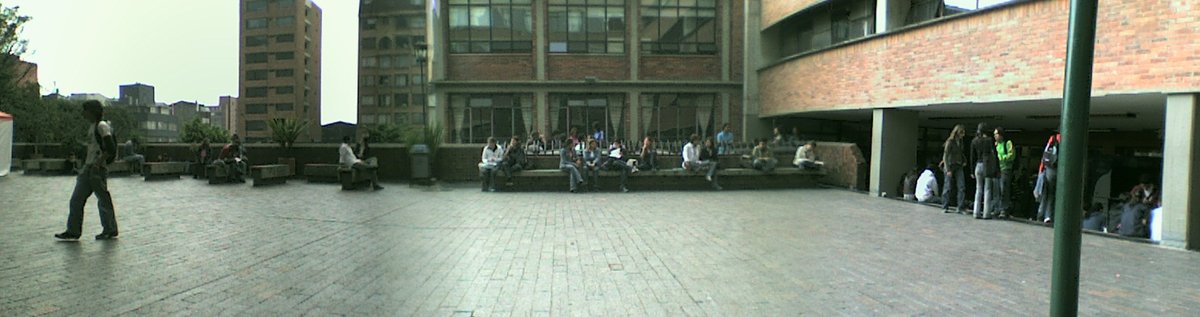
The campus pairs colonial-era structures with modern academic facilities, pedestrian walkways, and green spaces. The main entrance bears the inscription “1623 Sapientia aedificavit sibi domum.” Other highlights include the Colonial Chapel, historic buildings, and the new Science Building on the northwest side, whose modern facade reflects the university’s commitment to innovation (GoToUniversity).
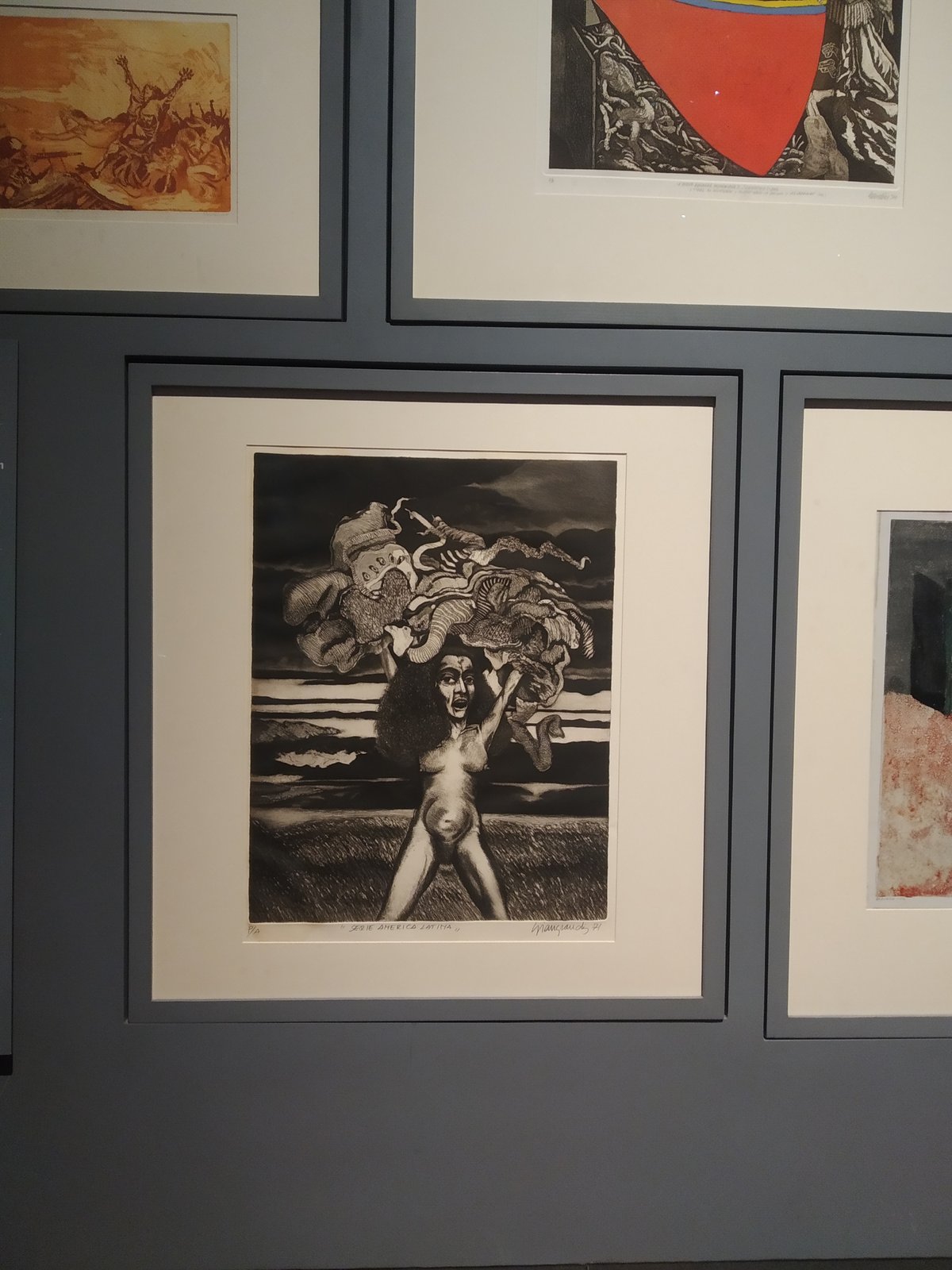
The university hosts exhibitions and artistic performances throughout the year. Chapels, meditation rooms, and venues for exhibitions, concerts, and conferences are also on campus.
The university monument
Located on campus, the Pontifical Xavierian University Monument commemorates the institution’s foundation and its lasting impact on Colombian intellectual life and society. The surrounding gardens and historic buildings offer photo opportunities, especially in the morning or late afternoon.
Libraries and museums
Campus museums and libraries feature among the stops on guided tours. The university’s libraries include:
- General Library, an academic hub
- Mario Valenzuela, S.J., Library, for philosophy and theology
- Alfonso Llano Escobar, S.J. Bioethics Library
- CIRE Library, for spiritual reflection
- Seven additional centers for specialized fields (Wikipedia)
Practical visiting information
Hours and admission
Campus hours:
- Monday to Friday: 8:00 AM–6:00 PM
- Saturday: 9:00 AM–2:00 PM
- Sunday: Closed
General campus admission is free. Certain exhibitions, guided tours, or special events may require advance tickets, available through the official university website or at the visitor center.
Monument hours: Daily, 8:00 AM–6:00 PM. Admission is free; guided tours or access to certain facilities may require advance booking.
Tours
Guided tours are offered in Spanish and English and cover historic landmarks such as the main entrance, the Colonial Chapel, university museums and libraries, and architectural highlights. Tours last 60–90 minutes. Advance booking is highly recommended, especially during peak times.
Monument tours are available on weekends and public holidays and explain the monument’s symbolism and the university’s history. Cultural events and exhibitions are frequently held nearby. Tours can be booked online or at the visitor center.
Accessibility and facilities
The campus has wheelchair-friendly ramps, elevators, accessible restrooms, rest areas, green spaces, cafeterias, and coffee shops. The monument and surrounding gardens are wheelchair accessible, with paved paths and parking. For additional assistance, contact visitor services.
Other amenities include souvenir shops with Jesuit-themed gifts and cafeterias serving local and international cuisine at student-friendly prices. The Sports Center has football, basketball, and volleyball facilities, as well as a gym. Wi-Fi is available campus-wide, and computer labs are available for registered visitors. Bilingual support is available through the international office (Smapse).
Campus access is controlled, with security staff and surveillance (MyGlobalViewpoint).
Further information
- Pontifical Xavierian University official website
- Visit Bogotá platform
- NomadicMatt Travel Guide
- TouristLink overview
- Smapse - Pontifical Xavierian University
- GoToUniversity - Pontifical Xavierian University
- Wikipedia - Pontificia Universidad Javeriana
- MyGlobalViewpoint - Bogotá Travel Guide
Tips
- Book guided tours in advance via the official website, particularly during peak times.
- Check the university’s event calendar for exhibitions and festivals.
- Download the Audiala app for digital guides and real-time updates.
- Bring a valid ID for campus registration.
- Wear comfortable shoes and dress in layers for Bogotá’s unpredictable weather. A camera is useful for the campus’s historic buildings, green spaces, and modern architecture.
Nearby places
The campus is easily reached by public transit, including TransMilenio and buses. Its central location connects visitors with La Candelaria, the National Museum, and Monserrate Hill (NomadicMatt).
Approximate walking times to nearby attractions:
- Plaza de Bolívar 10 minutes
- Museo del Oro 15 minutes
- La Candelaria Historic District 15 minutes
FAQ
What are the visiting hours?
Campus and monument hours are listed separately under Hours and admission.
Is there an entrance fee?
General campus and monument admission is free. Some exhibitions, guided tours, special events, or facility access may require advance tickets or booking.
Are guided tours available?
Yes. Tour details, languages, duration, and booking information are listed under Tours.
Is the campus accessible?
The campus and monument accessibility features are listed under Accessibility and facilities.
What languages are supported?
Spanish is the primary language. Tours are offered in Spanish and English, and bilingual support is available through the international office.
What are the best photo spots?
Historic main buildings, landscaped gardens, green spaces, and the Science Building’s modern facade are photo spots. The area near the monument is especially suited to photography in the morning or late afternoon.