What to Expect When Visiting Carrera Décima
Carrera Décima is more than a street—it’s a vibrant, ever-changing corridor. Visitors will encounter:
- A spectrum of architectural styles, from colonial facades to modernist towers.
- Bustling markets, notably in San Victorino, where commerce and local flavors abound.
- Street art and public murals that narrate Bogotá’s social history.
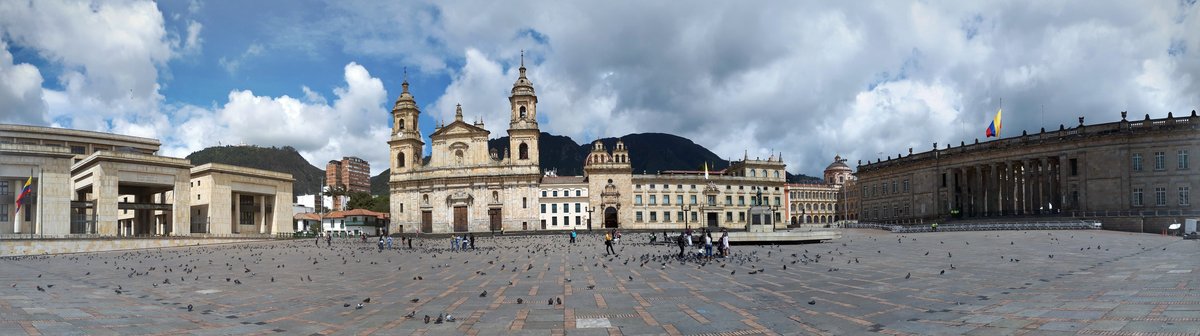
- Historic churches, cultural institutions, and public squares.
- A lively mix of pedestrians, cyclists, and transit users.
Daytime visits offer the best experience, allowing you to enjoy architecture, markets, and public spaces in safety and comfort.
Visiting Hours & Accessibility
Carrera Décima is open 24/7 as a public avenue. Most commercial, market, and cultural venues along the route operate between 9:00 AM and 7:00 PM. Landmarks such as the Plaza de Bolívar and nearby museums have their own schedules:
- Cathedral Primada Mon–Sat 7:00 AM–6:00 PM; Sun/Holidays 7:00 AM–7:00 PM
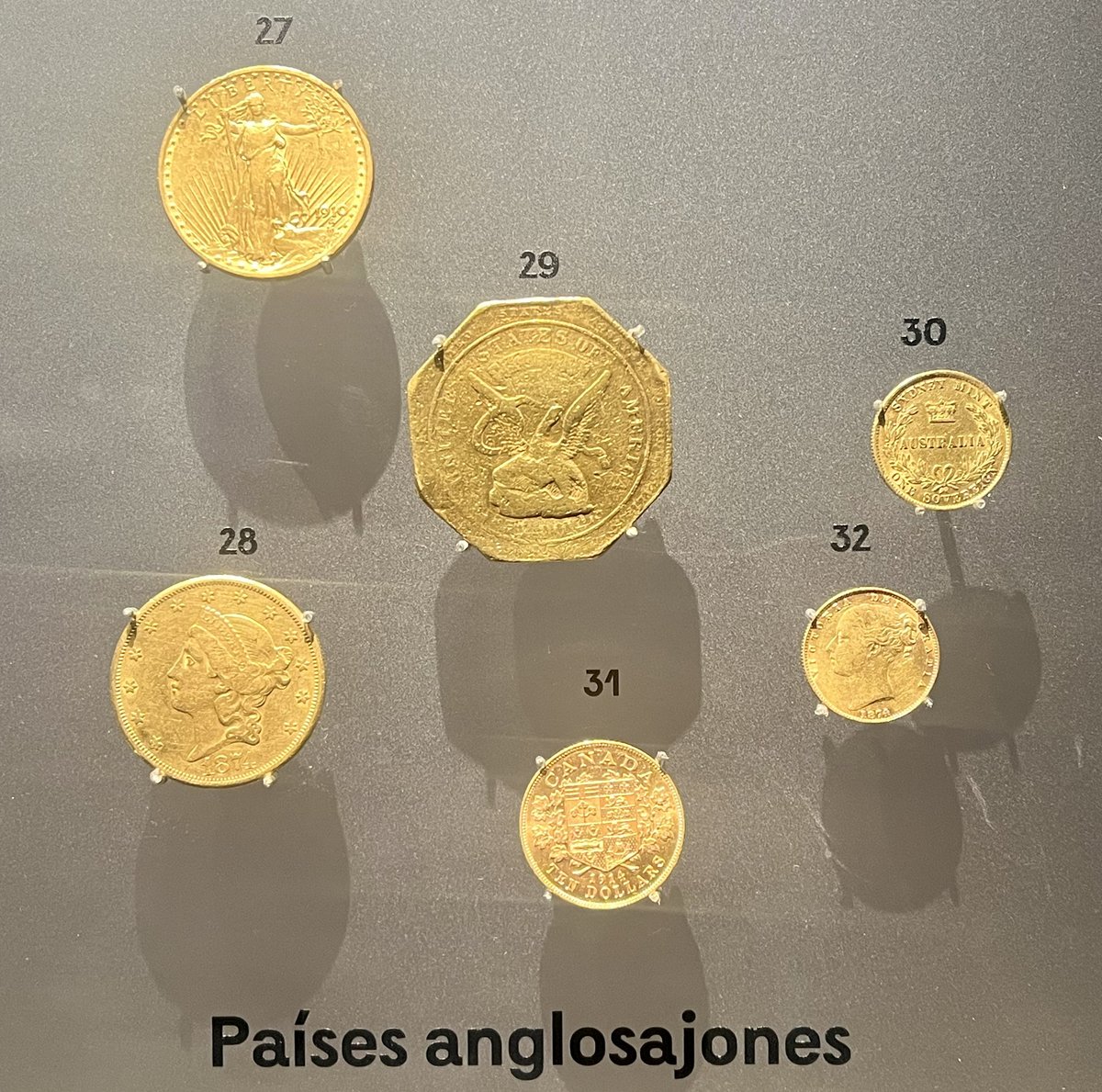
- Museo del Oro Tues–Sun 9:00 AM–6:00 PM; free entry on Mondays
- Botero Museum Tues–Sun 9:00 AM–7:00 PM
Check official websites for updates, as hours may change during holidays or special events (Museo del Oro Official Website).
Accessibility: The avenue is served by multiple TransMilenio stations such as San Victorino and San Diego, with pedestrian-friendly sidewalks. However, some sections may have uneven pavements. Most major attractions are wheelchair accessible, but verify access for specific venues if needed.
Tickets & Guided Tours
Walking Carrera Décima is free. However, certain museums and observation decks (like Torre Colpatria) require tickets:
- Torre Colpatria Observation Deck 9:00 AM–10:00 PM; ~12,000 COP adults, 8,000 COP children/seniors
- Museo del Oro ~4,000 COP; free on Mondays
- National Museum ~4,000 COP for residents; ~12,000 COP for international visitors
Guided walking tours are highly recommended for deeper historical and cultural insights. Many agencies offer tours that include Carrera Décima and surrounding landmarks (Adventure Backpack, Audiala app).
Top Attractions & Photographic Spots
- Torre Colpatria Panoramic city views, especially at sunset or when illuminated.
- Edificio Colseguros Example of heritage preservation and urban renewal.
- Pasaje Rivas Early 20th-century arcade, ideal for shopping and photos.
- San Victorino Plaza Energetic market square and social hub.
- Street Art Corridors Especially near La Candelaria, with colorful murals and graffiti.
- Parque Tercer Milenio Revitalized park for leisure and people-watching.
Practical Travel Tips
- Stay Alert Keep belongings secure, especially in crowded areas.
- Best Times Weekday mornings and early afternoons minimize crowds; late afternoon for golden-hour photography.
- Local Cuisine Sample traditional snacks at San Victorino or nearby eateries such as La Mayorquina and Sancho Panza.
- Weather Bogotá’s climate is variable—dress in layers and bring an umbrella.
- Language Basic Spanish or a translation app is helpful.
Transportation Options
TransMilenio Bus Rapid Transit (BRT)
- Coverage Carrera Décima is a main TransMilenio corridor (stations: San Victorino, Las Nieves, San Diego, Bicentenario, Portal 20 de Julio).
- Fares ~2,950 COP per ride; unlimited rides for 30 days with TuLlave card (~80,000 COP).
- Accessibility Ramps and tactile paving; be prepared for crowds during rush hour.
SITP and Traditional Buses
- Coverage Useful for reaching adjacent neighborhoods.
- Tip Use ride-sharing or taxis if unfamiliar with routes.
Ride-Sharing and Taxi Services
- Apps Uber, InDrive, DiDi, Beat.
- Safety Use registered taxis or hotel-booked rides, especially at night.
Private Car and Chauffeur Services
- Providers DotTransfers, Blacklane, Avis, Hertz.
- Rates Start at ~350,000 COP for 8 hours; advance booking recommended.
Cycling and Walking
- Bike Lanes Over 550 km of ciclorutas; EnCicla app for bike sharing.
- Ciclovía Sundays and holidays (7:00 AM–2:00 PM) main streets are closed to vehicles for pedestrians and cyclists.
Tourist Bus Services
- Bogotá City Tour Hop-on-hop-off buses, 24-hour pass (~65,000 COP), stops near Carrera Décima.
Architectural and Historical Landmarks
- Torre Colpatria Bogotá’s skyline icon, observation deck with panoramic views.
- Edificio Colseguros Model of adaptive reuse and architectural preservation.
- Historic Churches View colonial-era exteriors along the avenue.
- Plaza de Bolívar & Cathedral Primada Nearby, these landmarks are foundational to Bogotá’s history.
Cultural and Social Hubs
- La Candelaria Artistic, bohemian district with museums, galleries, and theaters.
- San Victorino Plaza Center of commerce and civic gatherings.
- Street Art Corridors Narrate social history and offer prime photography spots.
Commercial and Market Spaces
- San Victorino Bustling with vendors, especially during holidays and sales.
- Pasaje Rivas Artisan crafts and souvenirs.
- Street Markets Fresh produce, snacks, and local goods.
Urban Renewal and Revitalization
- RenoBo Initiatives Adaptive reuse of historic buildings, community engagement.
- Public Art & Green Spaces Recent projects enhance aesthetics and livability.
Notable Events and Civic Life
- The Bogotazo (1948) Pivotal riots with lasting urban impact.
- Contemporary Protests The avenue remains a site for demonstrations and festivals.
Accessibility and Safety Considerations
- Accessibility Most major attractions are accessible; verify for specific needs.
- Safety Well-patrolled by police; avoid isolated areas after dark.
- Emergency Dial 123 for police, ambulance, or fire emergencies.
Frequently Asked Questions (FAQ)
Q: Is there an entrance fee to visit Carrera Décima?
A: No, walking the avenue is free. Some museums and observation decks charge admission.
Q: What are the best times to visit?
A: Daytime, especially weekday mornings and early afternoons.
Q: Are there guided tours available?
A: Yes, numerous agencies offer tours including Carrera Décima and adjacent districts.
Q: How can I get there using public transport?
A: Use the TransMilenio, with central stations at San Victorino, Las Nieves, and San Diego.
Q: Is Carrera Décima safe?
A: Generally safe during the day; take standard precautions in crowded markets and avoid isolated spots at night.