Bogotá
location_on 18 attractions
calendar_month Dec–Mar (dry, clear)
schedule 3–4 days

Introduction

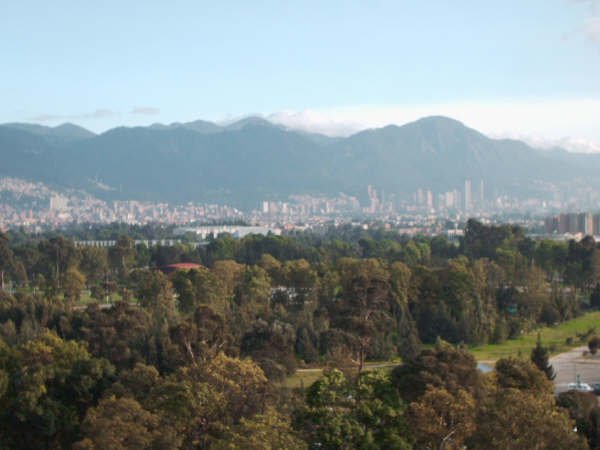
Bogotá wakes up at 2,640 meters with the smell of coal smoke and mountain thyme drifting through streets that still echo with the click of typewriters in 19th-century courtyards. Colombia’s capital keeps its altitude in plain sight: waiters pour coffee into cups the size of soup bowls, cyclists push gear ratios that would flatten sea-level legs, and every horizon ends in a saw-toothed silhouette of the Eastern Cordillera. The first surprise is temperature—eight degrees Celsius at dawn even when the equator is an hour away—followed quickly by the realization that a single city block can hold a gold-smith’s workshop, a salsa bar that opens at 07:00, and a 1583 chapel whose bell once tolled for an empire that never quite arrived.

Spend a morning walking La Candelaria and you’ll see why locals call the centre a ‘living script’. Walls are signed by spray-can chroniclers who paint 12-metre murals overnight; university students rehearse Shakespeare in patios where Jesuits once burned books; and the only surviving colonial tavern serves chicha in half-litre clay cups for the same price as the bus fare that got you there. The altitude punishes rushed itineraries—breathing slows, conversations stretch, time loosens enough to notice the way afternoon light turns cathedral stone the colour of wet sand.

Bogotá’s real currency isn’t pesos but stories traded across Formica counters and park benches. Ask the baker in Paloquemao market why he keeps a 1952 photograph of a Colombian cyclist pinned above the arepas and you’ll leave with a tale that ends in the Giro d’Italia. Order a tinto from a street cart on Carrera Séptima during Sunday ciclovía and the vendor will explain, while pouring, why the city’s most radical act was banning cars from 120 km of roads once a week. By the time you reach the summit of Monserrate—either by funicular or the 1,605-step stone path—you’ll understand the local proverb: ‘We live closer to the stars, but we measure distance in conversations.’

Places to Visit

The Most Interesting Places in Bogotá

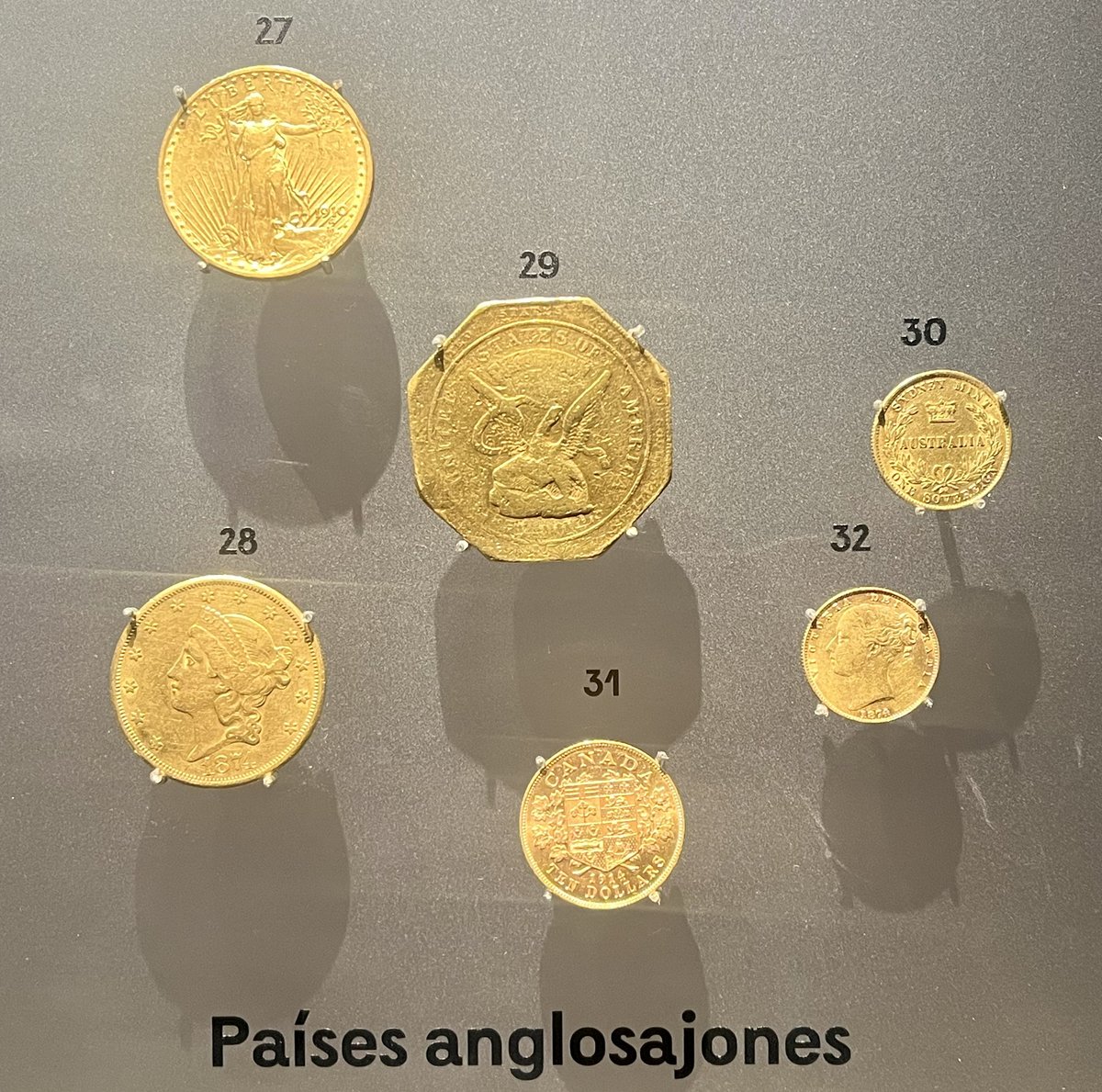
Museum of Gold

Museum of Gold

Nestled in the historic heart of Bogotá, Colombia, the Museo del Oro (Museum of Gold) stands as a shining testament to the country’s rich pre-Hispanic legacy…

Colombian National Museum

Colombian National Museum

The Colombian National Museum (Museo Nacional de Colombia) stands as Bogotá’s oldest and most prestigious cultural institution, offering an unparalleled…

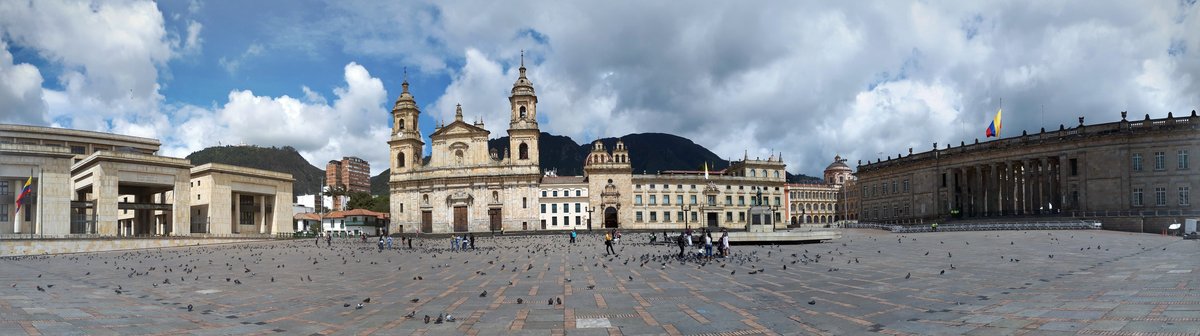
Plaza De Bolívar

Plaza De Bolívar

Plaza de Bolívar stands as the historic and cultural heart of Bogotá, Colombia, captivating visitors with its profound historical significance, architectural…

landscape

Primary Cathedral of Bogotá

The Primary Cathedral of Bogotá, officially known as the Santa Iglesia Catedral Primada Basílica Metropolitana de la Inmaculada Concepción, stands as one of…

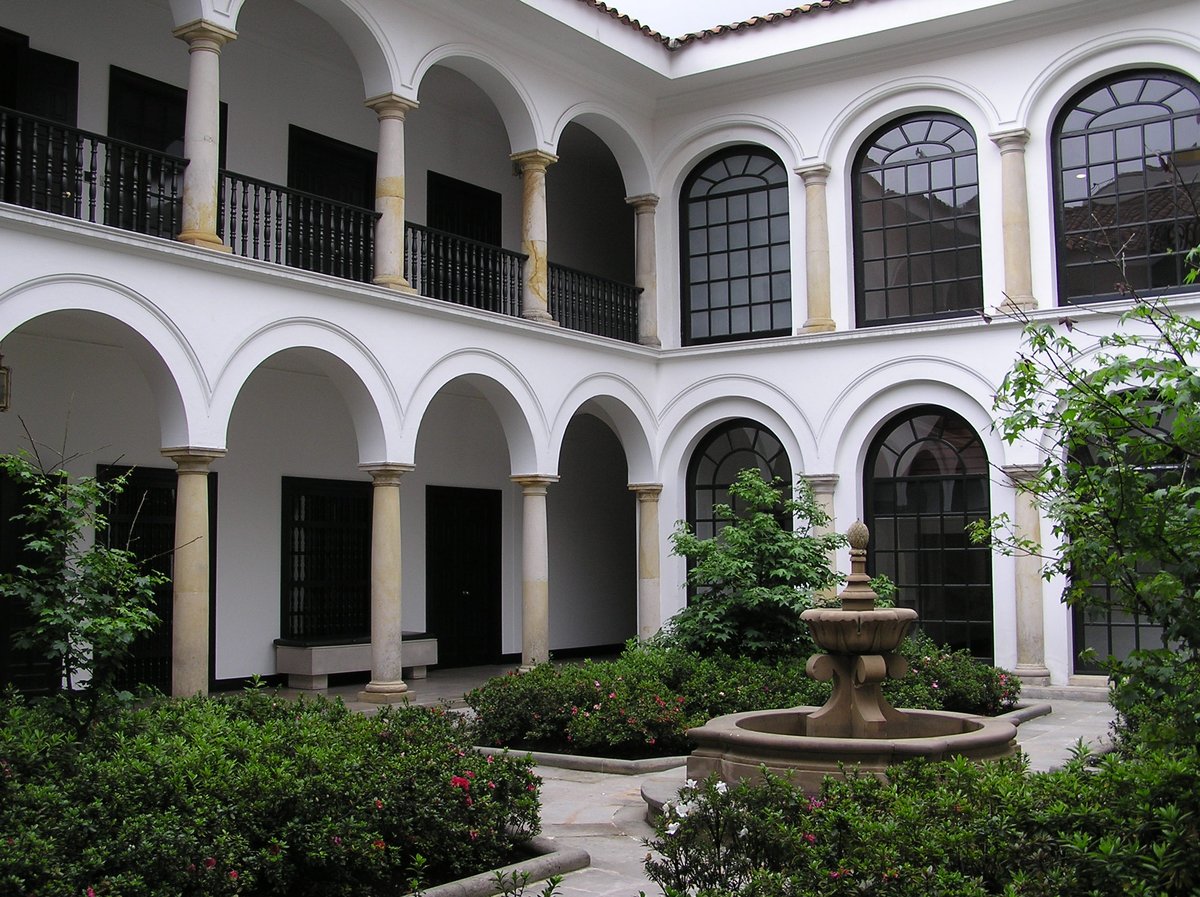
Botero Museum

Botero Museum

Situated in the historic La Candelaria district of Bogotá, the Botero Museum is a cultural landmark that embodies the artistic vision and generosity of…

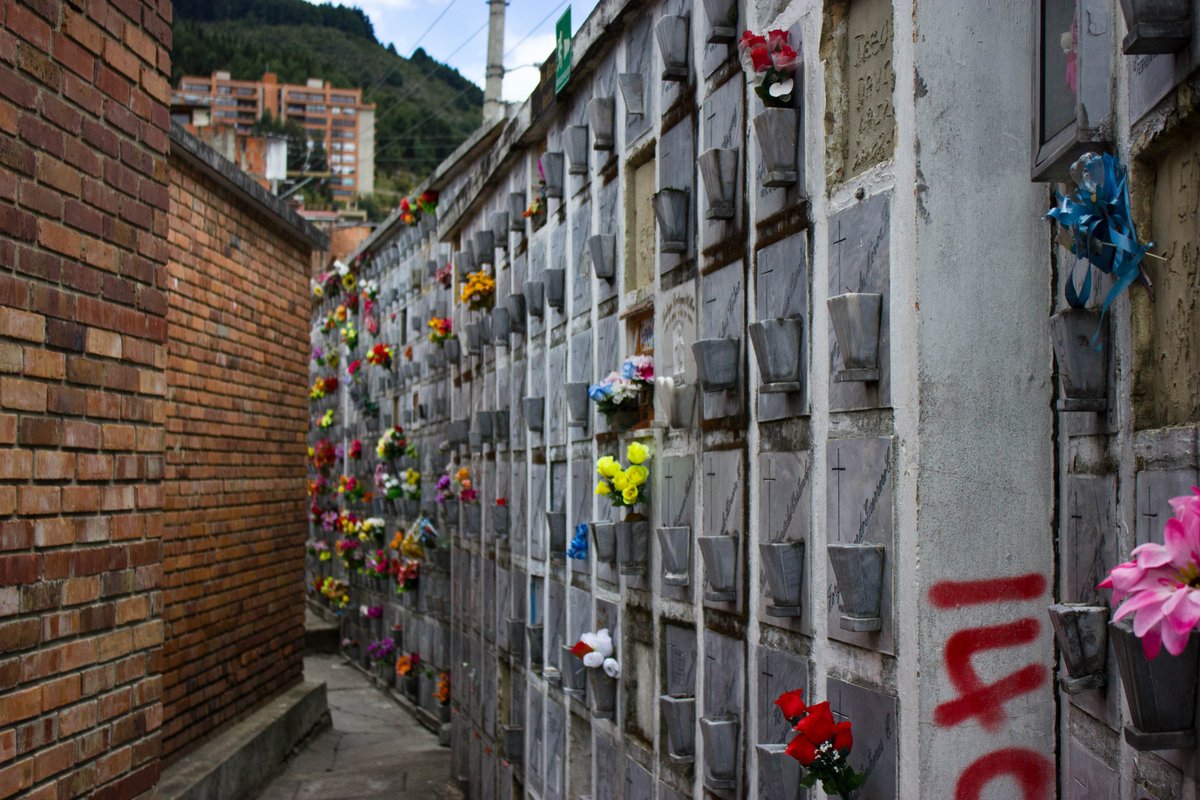
Central Cemetery of Bogotá

Central Cemetery of Bogotá

Nestled in the heart of Bogotá, Colombia’s bustling capital, the Central Cemetery of Bogotá (Cementerio Central de Bogotá) stands as a profound testament to…

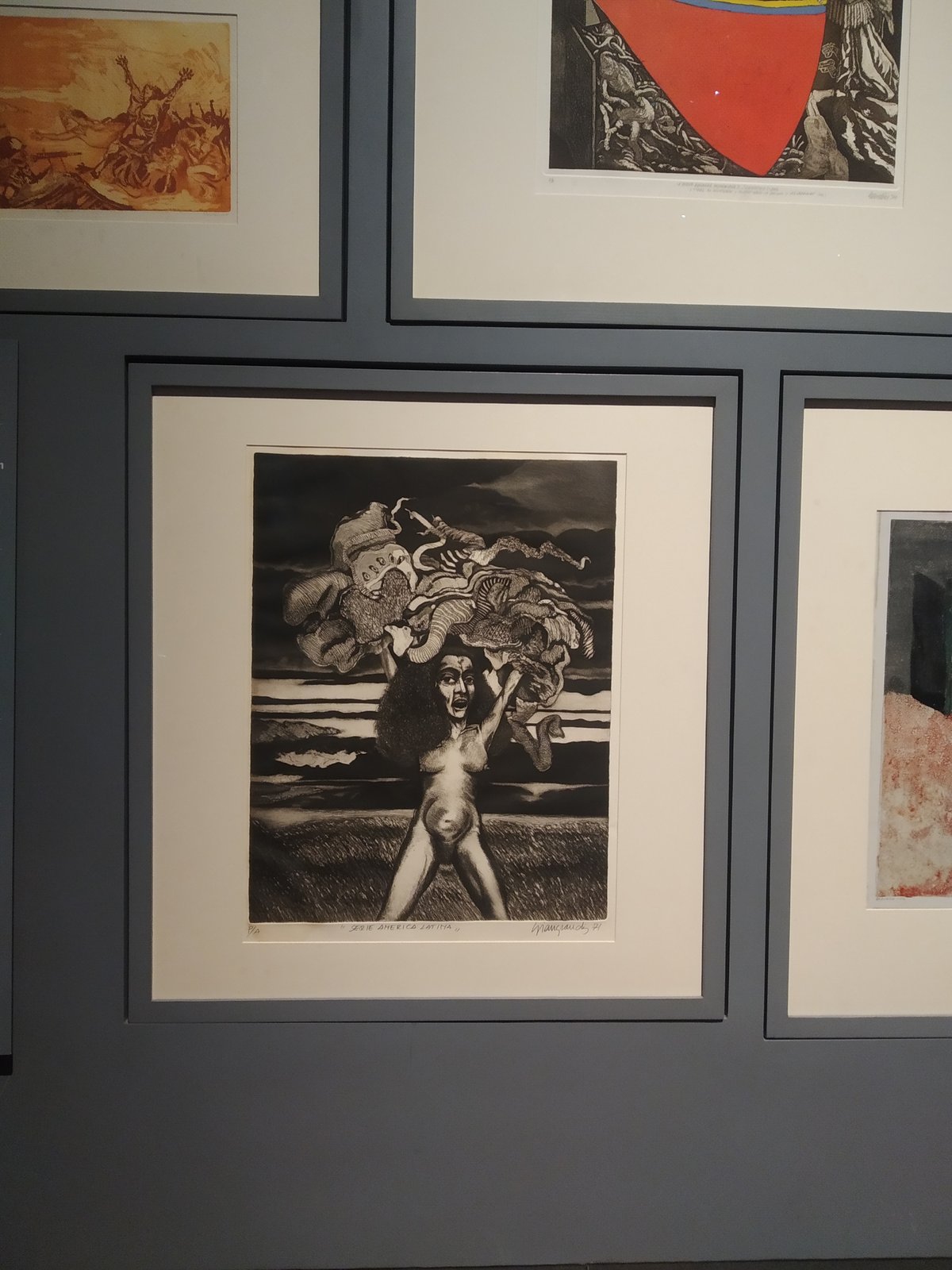
Bogotá Museum of Modern Art

Bogotá Museum of Modern Art

Nestled in the vibrant cultural heart of Colombia’s capital, the Bogotá Museum of Modern Art (Museo de Arte Moderno de Bogotá, commonly known as MAMBO) stands…

Simon Bolivar Park

Simon Bolivar Park

Simón Bolívar Park, also known locally as Parque Metropolitano Simón Bolívar, stands as Bogotá’s largest and most emblematic urban green space, spanning over…

Palace of Justice of Colombia

Palace of Justice of Colombia

Nestled prominently on the northern edge of Bogotá’s historic Plaza de Bolívar, the Palace of Justice of Colombia stands as a powerful symbol of the nation’s…

National Library of Colombia

National Library of Colombia

The National Library of Colombia (Biblioteca Nacional de Colombia), located in Bogotá, is a landmark institution that embodies the rich cultural, historical,…

landscape

Bogotá Botanical Garden

Nestled in the vibrant city of Bogotá, Colombia, the Bogotá Botanical Garden, officially known as Jardín Botánico José Celestino Mutis, stands as a beacon of…

Museum of Colonial Art

Museum of Colonial Art

Nestled in the heart of Bogotá’s historic La Candelaria district, the Museo de Arte Colonial offers visitors an immersive journey into Colombia’s rich…

What Makes This City Special

Monserrate's 1,605-Step Dawn Climb

Start before six and you’ll have the stone switchbacks to yourself; by the time the funicular hums awake you’re 3,152 m up, looking east over the Sabana de Bogotá while the city’s lights still blink like faulty wiring. The trail is free, the altitude is real, and the café con leche at the summit tastes of thin air and triumph.

La Candelaria's Wall-to-Wall Murals

Every plastered wall is a page: stencilled miners on Calle 9, a three-storey toucan on Carrera 2, Botero’s inflated doves around the corner from his own museum. The paint changes faster than the guidebooks; turn a corner and you’re walking through someone else’s argument with history.

Gold That Hums in the Dark

The Museo del Oro keeps its lights low so the raft of the Muisca elite can glimmer like wet sand. 34,000 pieces, but the poporo quimbaya is the one that stops conversations: a palm-sized gold vessel that catches your reflection and throws it back 1,500 years.

Market Breakfast at Paloquemao

Aisle 14 at 7 a.m. smells of guanábana and diesel. Vendors hack open granadillas, the seeds pop like tapioca pearls, and the caldo de costilla stall serves beef-rib broth that tastes like someone’s grandmother is looking after you.

Historical Timeline

A City Carved in Gold and Fire

From Muisca temples to traffic jams, a capital forged in the clouds

palette
c. 3000 BCE

First Potters on the Plateau

Hunter-gatherers settle the Sabana de Bogotá and fire the earliest pottery in the Americas at San Jacinto. They leave behind burnished pots painted with fish-bone designs, proof that someone here learned to boil maize long before the wheel reached these altitudes.

castle
c. 1000 CE

Muisca Confederation Rises

Chibcha-speaking farmers organize the loose but influential Muisca Confederation. Their capital Bacatá sits where modern Bogotá sprawls; from here the Zipa commands trade in emeralds, salt, and the gold foil that will spark the El Dorado legend.

castle
6 Aug 1538

Quesada Founds Santa Fe

Gonzalo Jiménez de Quesada plants a wooden cross on a muddy plaza and renames Bacatá 'Santa Fe de Bogotá'. Within weeks Spanish masons are quarrying local stone for a church while Muisca nobles are forced to pay tribute in gold dust.

gavel
1549

Royal Audiencia Installed

The Spanish Crown installs an Audiencia in Bogotá, turning the remote settlement into the judicial hub for a territory stretching to Ecuador. Clerks, scribes, and jailers move in; the first printed decrees are nailed to the cathedral door.

castle
1717

Viceroyalty Created

Bogotá becomes capital of the newly minted Viceroyalty of New Granada. Streets are widened to fit carriage traffic; the scent of tallow candles drifts from government palaces late into the night as bureaucrats tally silver fleets.

public
20 Jul 1810

Cry of Independence

A broken flower vase, a secret pact, and a crowd in the main square: Bogotá declares independence from Spain. The act takes minutes; the wars to defend it will devour the next nine years and redraw South America.

swords
7 Aug 1819

Battle of Boyacá

Bolívar’s ragged troops smash royalist lines at the bridge of Boyacá, 120 km north. By dusk the road to Bogotá lies open; three days later the Liberator enters the city, greeted by church bells and the smell of gunpowder still clinging to uniforms.

person
1783

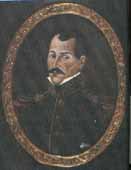
Simón Bolívar

Born in Caracas, but it is in Bogotá that he drafts constitutions, signs decrees, and learns to govern an Andean republic from 2,600 m above sea level. His ghost still lingers in the Palacio de San Carlos, where the desk he used bears ink stains of a continent being invented.

church
1823

Cathedral Finished at Last

After three collapses and two earthquakes, the Catedral Primada is finally completed. Its twin towers rise 47 m, high enough to spot royalist armies that never came again. Locals celebrate with a three-day fiesta and barrels of chicha.

gavel
1886

Republic of Colombia Born

A centralist constitution renames the country the Republic of Colombia and cements Bogotá as permanent capital. Conservatives cheer in the Teatro Colón; Liberals plot in cafés scented with anise and coffee.

music_note
1892

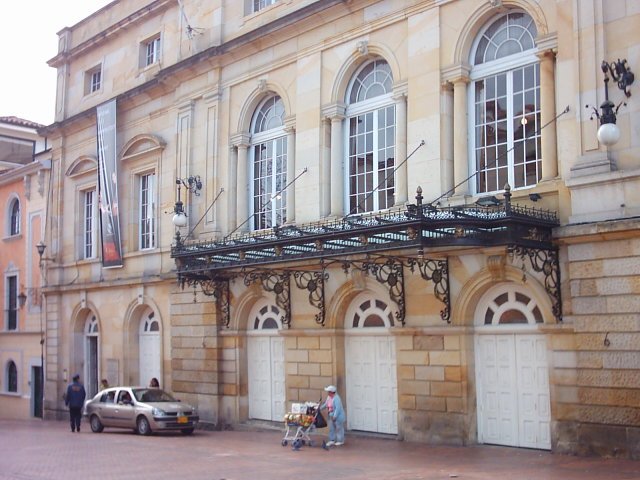
Teatro Colón Opens

Italian architects unveil a neoclassical opera house for Columbus’s 400th anniversary. Velvet seats, gilded balconies, and acoustics so sharp a whisper on stage reaches the cheap seats. Caruso will sing here; political assassinations will too.

public
1903

Panama Secedes

News reaches the capital: Panama has left the republic with U.S. gunboats for midwives. In Bogotá’s cafés, men slam dominoes on tables and vow never to forget. Maps are re-drawn; the country shrinks overnight.

person
1903

Jorge Eliécer Gaitán

Born in a modest house on Calle 12. He will become the magnetic Liberal leader whose voice can hush a plaza of thousands. His murder in 1948 will stop the city’s heart and set it on fire.

local_fire_department
9 Apr 1948

El Bogotazo

Gaitán steps onto Carrera 7 and falls, shot three times. Within minutes, Bogotá erupts. Crowds torch tram cars; the cathedral’s wooden doors burn for hours. When the smoke clears, much of the colonial center is ash and 3,000 lie dead.

palette
1932

Fernando Botero

Born in Medellín, but it is Bogotá that gives him walls: the Museo Botero packs 123 of his inflated, ironic canvases into a colonial mansion. His corpulent presidents and plump nuns now guard the same streets where riot police once charged.

castle
1968

Gold Museum Shines

A brutalist concrete block opens on Santander Park and reveals 34,000 gold pieces—enough to plate a cathedral. Visitors descend into darkness lit only by the glint of the Muisca raft, the spark that sent Spaniards searching for a man covered in gold.

swords
6 Nov 1985

Palace of Justice Siege

M-19 guerrillas storm the Palace of Justice at 11:35 a.m. Tanks roll onto Plaza de Bolívar; flames lick the Supreme Court archives. By dawn 100 are dead, including half the Supreme Court justices. The building will be rebuilt; the questions never die.

gavel
1995

Mockus Becomes Mayor

A philosopher-mathematician with a plastic cone for hair takes office. He hires mimes to mock jaywalkers, distributes red cards for corruption, and proves culture can cut homicides faster than bullets. Bogotá learns to laugh at itself—and behave.

factory
2000

TransMilenio Launches

Articulated buses roar down exclusive lanes like subway cars on wheels. Commuters trade gridlock for platform queues; the city’s pulse quickens. It’s not perfect, but it moves two million people a day—more passengers than many metros.

public
2016

Peace Accord Signed

In the Colón Theatre, President Santos and FARC commanders sign pens, not guns. Outside, Bogotá’s rain clouds lift long enough for cheers. The war that displaced millions officially ends; the city exhales after half a century of expecting the worst.

schedule
Present Day

Notable Figures

Fernando Botero

1932–2023 · Painter & sculptor
Donated 208 works to found Museo Botero in 2000

He grew up across from Parque Santander and filled the colonial archbishop’s palace with corpulent canvases that mock power. Today the museum guards still call the courtyard ‘el patio de Botero’ and let you stand nose-to-nose with his inflated presidents—he’d chuckle that the seats are now too small for his own bronze bottoms.

Simón Bolívar

1783–1830 · Liberator of northern South America
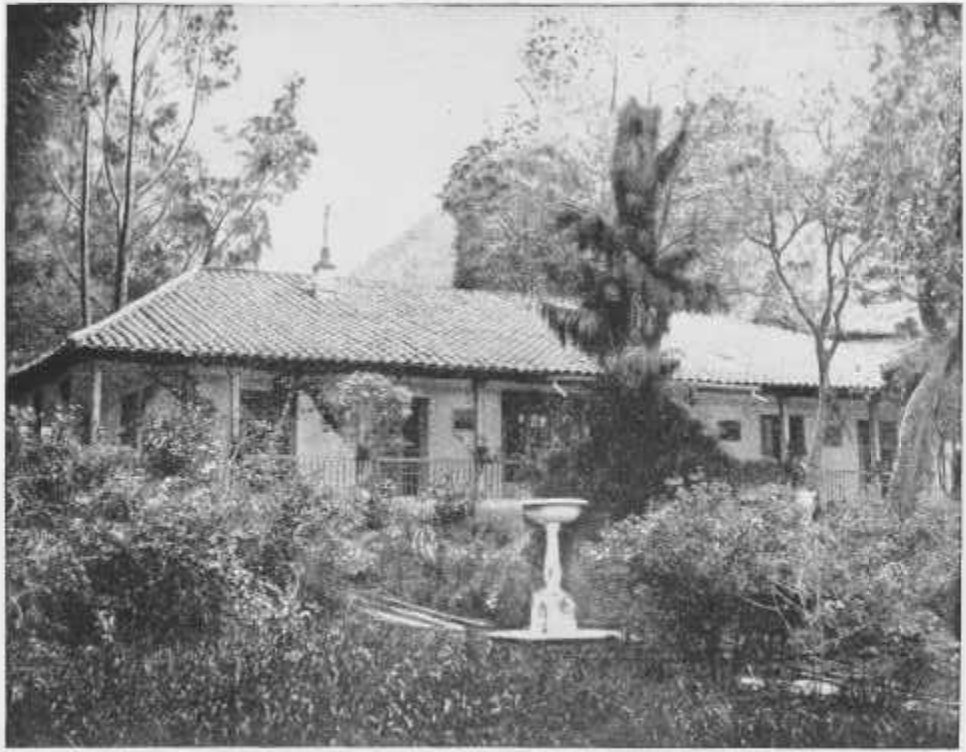
Lived at Quinta de Bolívar 1828–30 while organizing Colombia’s first constitution

He escaped here from political chaos at lower altitudes, drafting laws beneath Andean wax palms that still shade the garden. If he rode up Monserrate today he’d recognize the stone path—only the cable car would make him mutter about luxury weakening revolutionary legs.

Policarpa Salavarrieta

1795–1817 · Spy & independence heroine
Executed by Spanish firing squad in Plaza de Bolívar, 14 November 1817

She sewed rebellion messages into seamstress deliveries around the very cathedral steps where tourists now sip tinto. Every November schoolchildren lay white flowers at the spot; the bullet scarred wall is gone, but the balcony where she shouted ‘Viva la patria’ before the shots still watches over congress sessions.

Gabriel García Márquez

1927–2014 · Nobel-winning novelist
Studied law at National University 1947–48 before journalism career began at El Espectador

The rain-soaked Bogotá he knew—where tram rails gleamed like knives—appears as a cold, loveless capital in ‘Love in the Time of Cholera’. Return to the old newsroom on Calle 12 and the elderly editors still keep his corrected galley sheets in a drawer, claiming the typewriter ghosts clack when deadlines loom.

Practical Information

flight

Getting There

El Dorado International Airport (BOG) sits 13 km west of downtown. The rapid-bus K86 connects the terminal to Portal El Dorado station in 25 min; a yellow-metered taxi to La Candelaria runs COP $35,000–45,000 plus a fixed airport surcharge of COP $5,000. No passenger rail serves Bogotá; long-distance coaches terminate at Terminal de Transporte Salitre on Autopista Norte.

directions_transit

Getting Around

TransMilenio BRT is the city’s artery: 12 trunk lines, flat fare COP $2,900 with a rechargeable tullave card (COP $3,000). Blue SITP buses fill the gaps at COP $2,700. Sunday ciclovía closes 120 km of roadway to cars 7am–2pm; Tembici bike-share docks are scattered along the route but pricing fluctuates—check the app before you tap.

thermostat

Climate & Best Time

At 2,600 m Bogotá never gets hot: 7–19 °C year-round. Rains crash down most afternoons in April–May and October–November. December–March is the reliable dry window—clear mornings, Monserrate views that stretch 60 km, and outdoor café tables that don’t need umbrellas.

shield

Safety

The U.S. State Department keeps Colombia at Level 3—reconsider travel—because street robberies can turn violent fast. Use bank ATMs inside shopping malls, never accept drinks from strangers (scopolamine druggings are common), and order taxis by app after dark rather than hailing on the street.

Where to Eat

local_dining

Don't Leave Without Trying

Ajiaco—the iconic Bogotá potato soup with chicken, corn, and avocado Bandeja Paisa—hearty platter with beans, rice, meat, and arepa Pan de queso—cheese bread, a morning staple Empanadas—fried pastries with meat or cheese filling Arepa—corn cake served with everything Tamales—corn dough wrapped in banana leaves Patacones—fried plantain slices Sancocho—slow-cooked stew with vegetables and protein Buñuelos—fried cheese balls Tinto—small black coffee, the default order

Café Jon Dech

cafe
Specialty Coffee star 4.7 (475)

Order: Their signature single-origin Colombian coffee—sourced directly from local farms. The espresso pulls are precise and the pour-overs highlight the region's terroir beautifully.

Jon Dech is where Bogotá's serious coffee lovers go. With nearly 500 reviews, this is the real deal—a roastery that respects Colombian coffee culture without pretension.

schedule

Opening Hours

Café Jon Dech

Monday 10:00 AM – 7:00 PM
Tuesday 10:00 AM – 7:00 PM
Wednesday 10:00 AM – 7:00 PM
map Maps language Web

La Gauchita

local favorite
Cafe & Light Bites €€ star 4.7 (263)

Order: Their empanadas and fresh pastries pair perfectly with their house coffee. The atmosphere makes it easy to linger for hours.

A neighborhood institution with 263 reviews that feels like a living room. Locals come for the consistency, the warmth, and the genuine community vibe.

schedule

Opening Hours

La Gauchita

Monday 10:30 AM – 7:30 PM
Tuesday 10:30 AM – 7:30 PM
Wednesday 10:30 AM – 7:30 PM
map Maps language Web

Tienda GranOla

quick bite
Artisanal Bakery €€ star 4.8 (89)

Order: Their granola and fresh-baked bread are the stars. The croissants have real butter lamination—you can taste the difference.

With 89 reviews and a 4.8 rating, GranOla proves that quality bakery work stands out in Bogotá. This is where you grab breakfast before work or treat yourself on weekends.

schedule

Opening Hours

Tienda GranOla

Monday 10:00 AM – 7:00 PM
Tuesday 10:00 AM – 7:00 PM
Wednesday 10:00 AM – 7:00 PM
map Maps

Café Ilusión

cafe
Specialty Coffee €€ star 4.8 (21)

Order: The filter coffee is exceptional—they rotate single-origin beans and explain each one. Their morning pastries are worth the early arrival.

A smaller, more intimate coffee spot that takes its craft seriously. The 4.8 rating reflects genuine expertise and care in every cup.

schedule

Opening Hours

Café Ilusión

Monday 6:30 AM – 5:30 PM
Tuesday 6:30 AM – 5:30 PM
Wednesday 6:30 AM – 5:30 PM
map Maps language Web

Minimercado El Remanso

local favorite
Cafe & Market €€ star 5.0 (4)

Order: Stop in for coffee and local snacks. It's a neighborhood spot where regulars know the owner by name.

A perfect 5.0 rating in a true local neighborhood space. This is where Teusaquillo residents actually eat—no tourists, just real community.

schedule

Opening Hours

Minimercado El Remanso

Monday 7:30 AM – 9:30 PM
Tuesday 7:30 AM – 9:30 PM
Wednesday 7:30 AM – 9:30 PM
map Maps

Bákua

local favorite
Bar & Social Venue €€ star 4.8 (45)

Order: Their craft cocktails reflect Colombian ingredients and techniques. The vibe is sophisticated but unpretentious.

Bákua is where Bogotá's creative crowd gathers for drinks that actually matter. The 4.8 rating with 45 reviews shows a loyal following of people who know good hospitality.

schedule

Opening Hours

Bákua

Monday Closed
Tuesday 3:00 – 11:30 PM
Wednesday 3:00 – 11:30 PM
map Maps language Web

Panadería Tulipán

quick bite
Traditional Bakery €€ star 5.0 (2)

Order: Fresh pan de queso and traditional Colombian breads. Get there early—the best items sell out by mid-morning.

A perfect 5.0 rating and opens at 5:10 AM—this is a working neighborhood bakery, not a tourist stop. Real Bogotá starts here.

schedule

Opening Hours

Panadería Tulipán

Monday 5:10 AM – 8:00 PM
Tuesday 5:10 AM – 8:00 PM
Wednesday 5:10 AM – 8:00 PM
map Maps

Cake & Cake

quick bite
Artisanal Bakery & Cafe €€ star 5.0 (4)

Order: Their cakes are the draw—order ahead if you want something special. The afternoon coffee and cake combo is unbeatable.

Perfect 5.0 rating from a small but devoted group. This is a neighborhood gem in Teusaquillo where quality matters more than volume.

schedule

Opening Hours

Cake & Cake

Monday 12:00 – 3:00 PM
Tuesday 12:00 – 7:00 PM
Wednesday 12:00 – 7:00 PM
map Maps
info

Dining Tips

  • check Colombians eat their main meal at lunch (almuerzo), not dinner. Many restaurants offer affordable fixed-price lunch menus.
  • check Cash is still king in many neighborhood spots—always ask if they take card.
  • check Tipping is not mandatory but 10% is appreciated for good service in sit-down restaurants.
  • check Breakfast (desayuno) is typically light—coffee and a pastry or arepa. Lunch is the big meal.
  • check Bogotá sits at high altitude (2,640m). Eat light and drink plenty of water your first day.
  • check Street food is safe and delicious—look for vendors with high turnover and long lines.
Food districts: Teusaquillo—residential neighborhood with serious coffee culture and neighborhood bakeries Barrios Unidos—working-class area where locals eat authentic, affordable food North Bogotá (Zona Rosa area)—more upscale dining and international options

Restaurant data powered by Google

Tips for Visitors

warning
Don't resist robbery

If someone demands your phone or wallet, hand it over immediately. Street crime can turn violent fast; the US State Department reports armed muggings and scopolamine druggings in tourist areas.

schedule
Ride before 3 pm

Monserrate's cable car and funicular stop selling uphill tickets at 3 pm sharp. Arrive by 1 pm to guarantee a slot and still have time to walk down the 1,605-step trail if you want the free workout.

payments
Carry small bills

Taxi meters start at COP 2,500 but drivers often claim “no change” for COP 50,000 notes. Break notes at airport kiosks or supermarkets before you hail.

directions_bus
Skip rush-hour TransMi

The red TransMilenio buses become human compression chambers 6–9 am and 4–7 pm. If you must move then, pay the extra COP 10,000 for a yellow taxi ordered by app.

restaurant
Market lunch under COP 15 k

At Paloquemao or La Perseverancia markets, look for the “almuerzo ejecutivo” stalls: soup, main, drink and dessert for COP 12–15,000, served by the same vendors who supply the city’s top restaurants.

photo_camera
Sunday streets go car-free

Every Sunday 7 am–2 pm the Ciclovía closes 120 km of roads to traffic. Rent a Tembici bike or walk the center; you’ll get photos of empty avenues with Monserrate looming—impossible any other day.

Explore the city with a personal guide in your pocket

Your Personal Curator, in Your Pocket.

Audio guides for 1,100+ cities across 96 countries. History, stories, and local insight — offline ready.

smartphone

Audiala App

Available on iOS & Android

download Download Now

Join 50k+ Curators

Frequently Asked

Is Bogotá worth visiting? add

Yes, if you like layered cities. One block holds 1539 stone foundations, 1895 iron balconies, and 2024 stencil art that just appeared overnight. The altitude keeps temperatures spring-like year-round, and you can breakfast on 3,000-year-old gold figurines before lunching on ajiaco that hasn’t changed since the 1800s.

How many days in Bogotá is enough? add

Three full days covers the essentials: historic core museums (Gold, Botero, Colonial), Monserrate up and down, Paloquemao market breakfast, and a night at Teatro Colón. Add a fourth day for Zipaquirá Salt Cathedral or Chingaza páramo if you want bragging-rights day-trips.

Is Bogotá safe for tourists? add

The US State Department rates it Level 3—reconsider travel—because robberies can turn violent and scopolamine druggings are documented. Stay in Chapinero or La Candelaria south of Calle 19 after dark, take app-ordered taxis, keep phones in pockets on busy streets, and never accept food or drinks from strangers.

What’s the cheapest way from El Dorado airport to the center? add

TransMilenio Route K86 to Portal El Dorado then Line 1 to Universidades costs COP 2,900 total, but lugging bags through turnstiles and crush-load buses takes 60–90 minutes. A metered yellow taxi is COP 35–45,000 (30–45 min) and worth the extra USD $7 if you land after 6 pm or carry anything bigger than a backpack.

Do I need to speak Spanish? add

English gets you through hotels, Starbucks, and museum ticket desks, but the moment you step into a market stall or need a police report you’re on your own. Download offline Spanish in Google Translate and learn “¿Cuánto cuesta?”—prices triple the second they hear “How much?”

When is the best time to visit Bogotá? add

December–March brings the clearest skies and driest pavements; you’ll actually see Monserrate instead of cloud soup. July–August is the second dry window. April–May and September–November mean afternoon downpours so reliable you can set your watch by them—pack a rain shell and quick-dry shoes.

Sources

Last reviewed:

All Places to Visit

36 places to discover
Museum of Gold

Museum of Gold

Colombian National Museum

Colombian National Museum

Plaza De Bolívar

Plaza De Bolívar

photo_camera

Primary Cathedral of Bogotá

Botero Museum

Botero Museum

Central Cemetery of Bogotá

Central Cemetery of Bogotá

Bogotá Museum of Modern Art

Bogotá Museum of Modern Art

Simon Bolivar Park

Simon Bolivar Park

Palace of Justice of Colombia

Palace of Justice of Colombia

National Library of Colombia

National Library of Colombia

photo_camera

Bogotá Botanical Garden

Museum of Colonial Art

Museum of Colonial Art

photo_camera

International Charismatic Mission Church

Sumapaz Natural Park

Sumapaz Natural Park

El Dorado International Airport

El Dorado International Airport

Pontifical Xavierian University

Pontifical Xavierian University

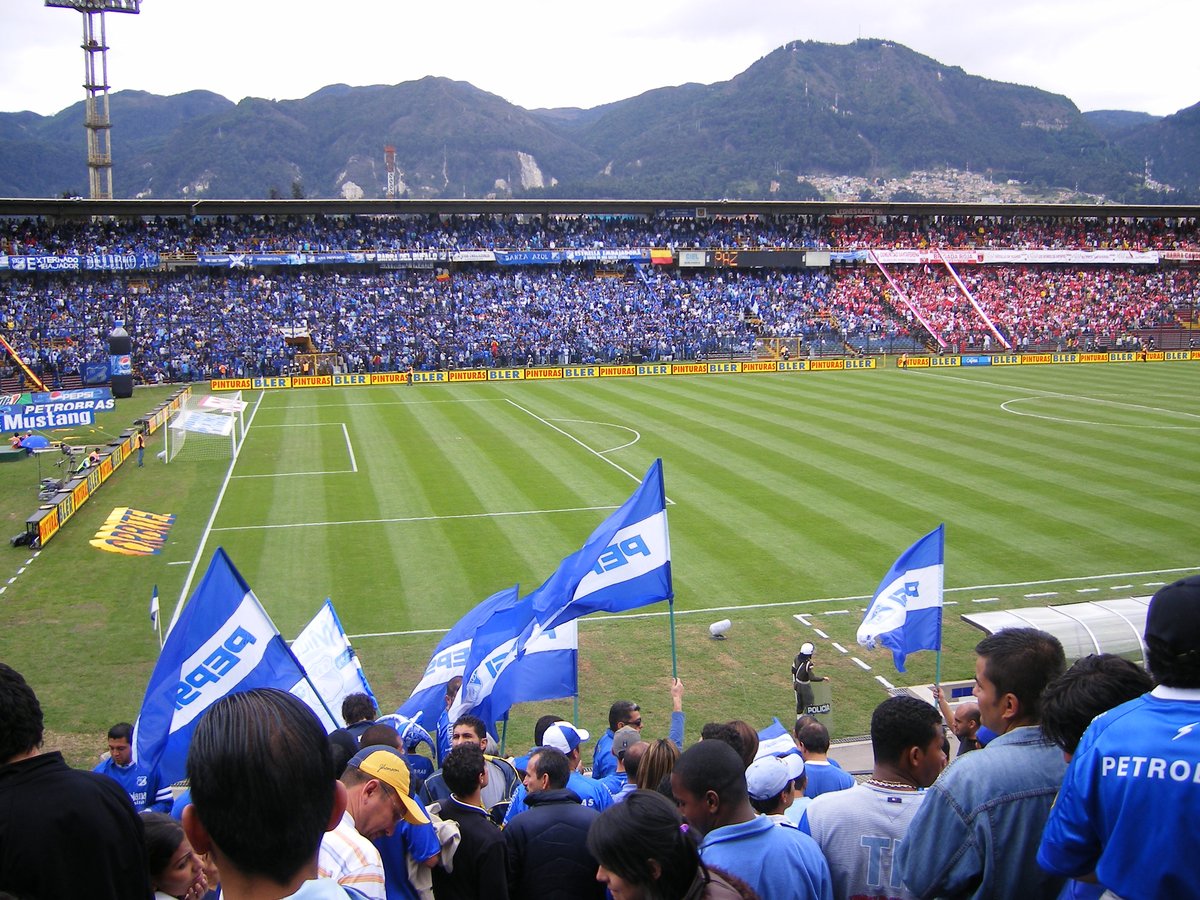
Estadio El Campín

Estadio El Campín

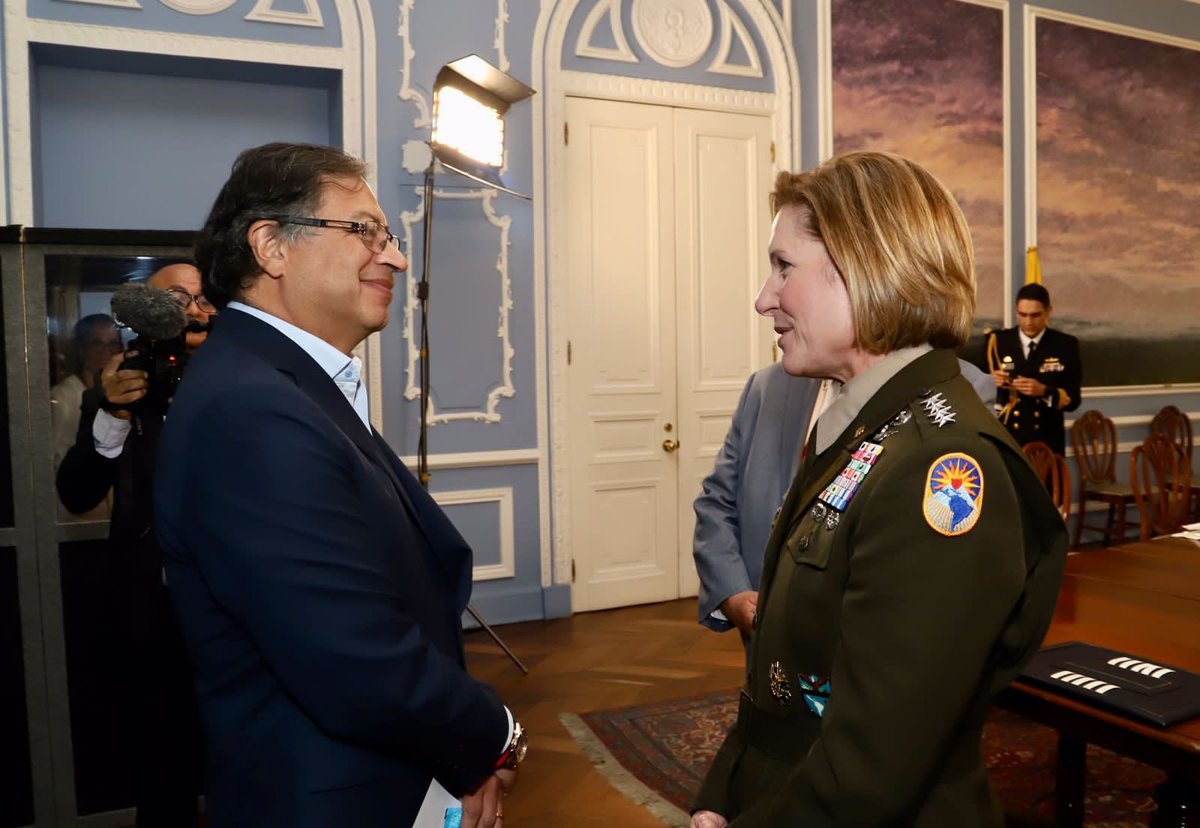
Casa De Nariño

Casa De Nariño

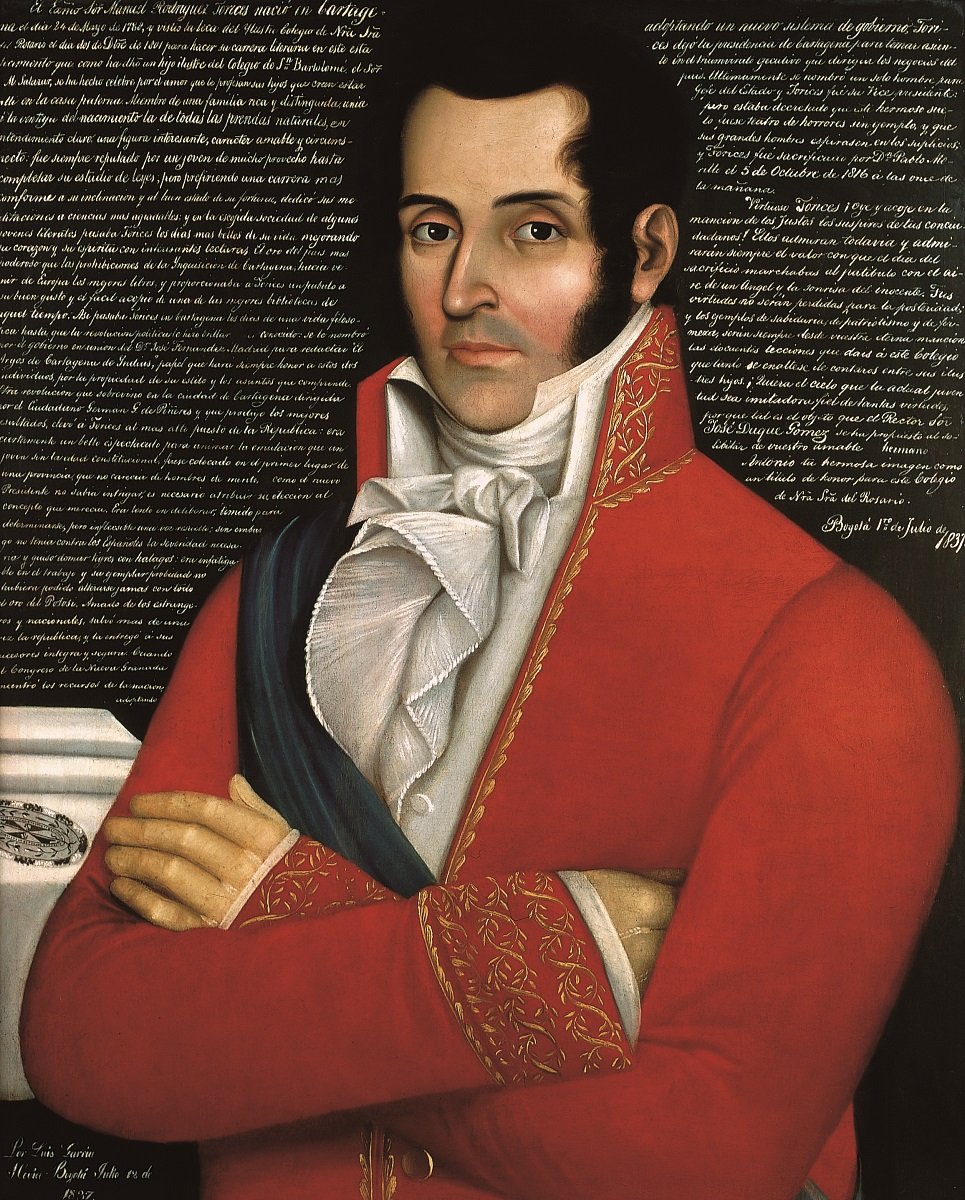
Our Lady of the Rosary University

Our Lady of the Rosary University

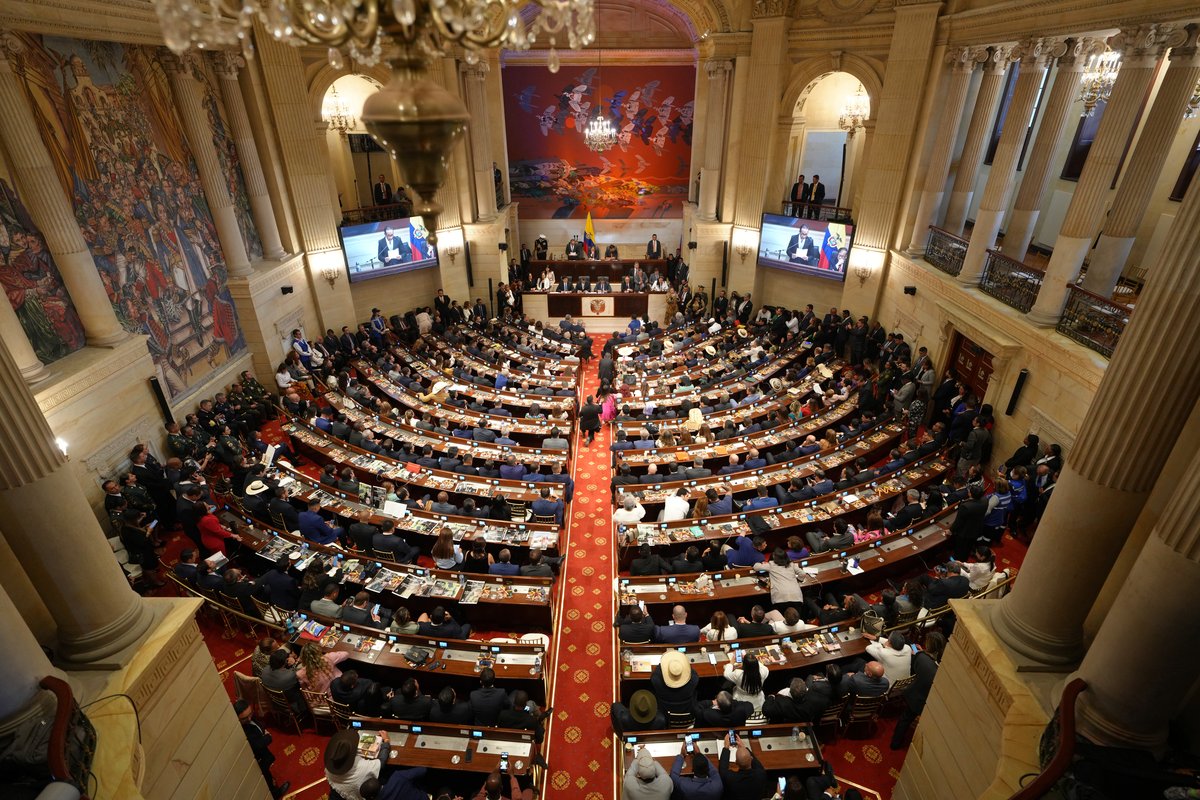
National Capitol

National Capitol

Teatro Colón

Teatro Colón

Luis Ángel Arango Library

Luis Ángel Arango Library

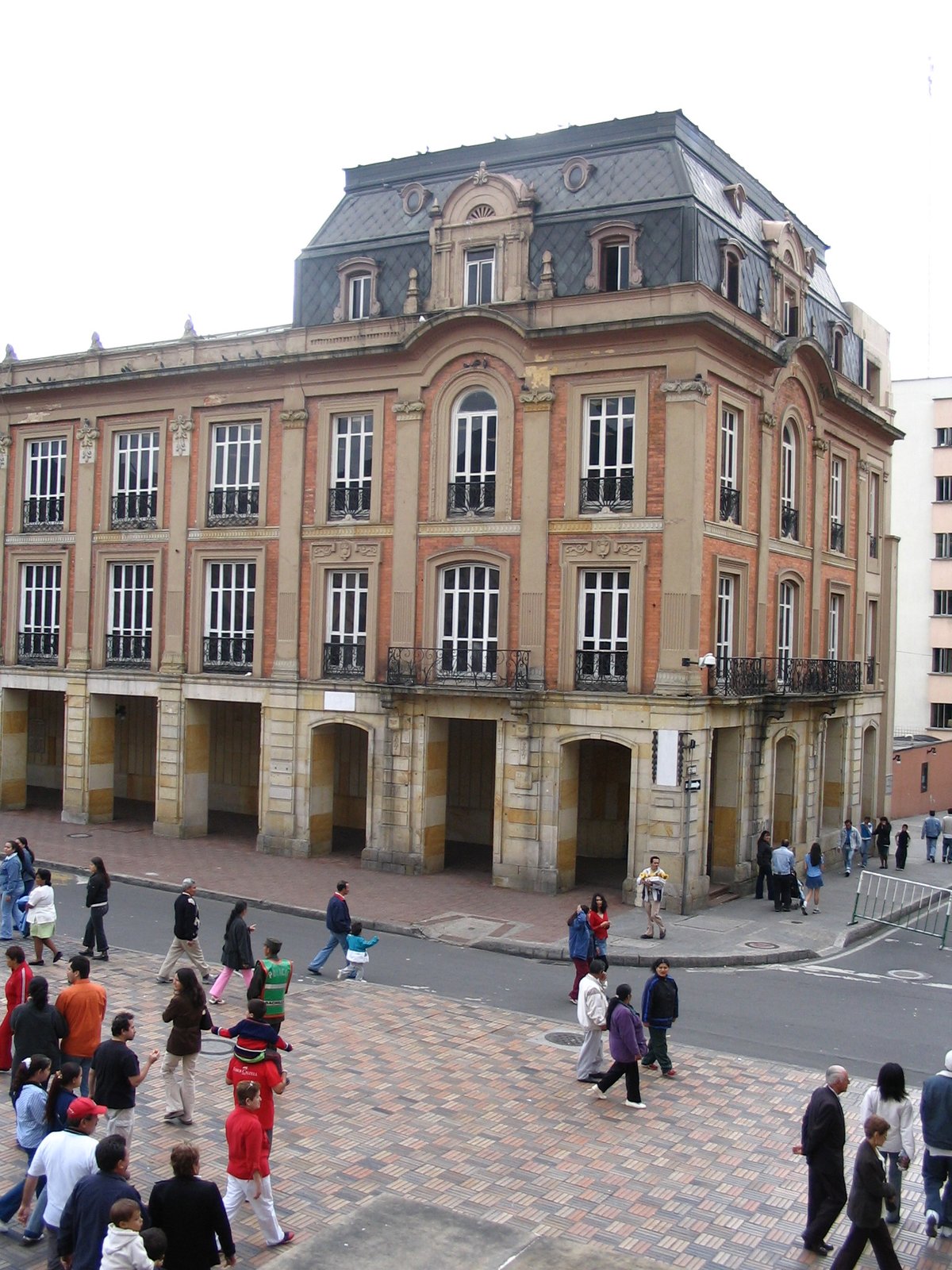
Palacio Liévano

Palacio Liévano

Quinta De Bolívar

Quinta De Bolívar

photo_camera

Estadio Metropolitano De Techo

Casa De Moneda De Colombia

Casa De Moneda De Colombia

photo_camera

Palacio De San Carlos

photo_camera

General Santander National Police Academy

photo_camera

General Archive of the Nation

Monserrate Sanctuary

Monserrate Sanctuary

Corferias

Corferias

photo_camera

Museo De La Independencia Casa Del Florero

Estación De La Sabana

Estación De La Sabana

Bd Bacatá

Bd Bacatá

photo_camera

National University of Colombia at Bogotá

photo_camera

Hospital San Juan De Dios, Bogota