


A Storied Past: From Colonial Court to National Monument
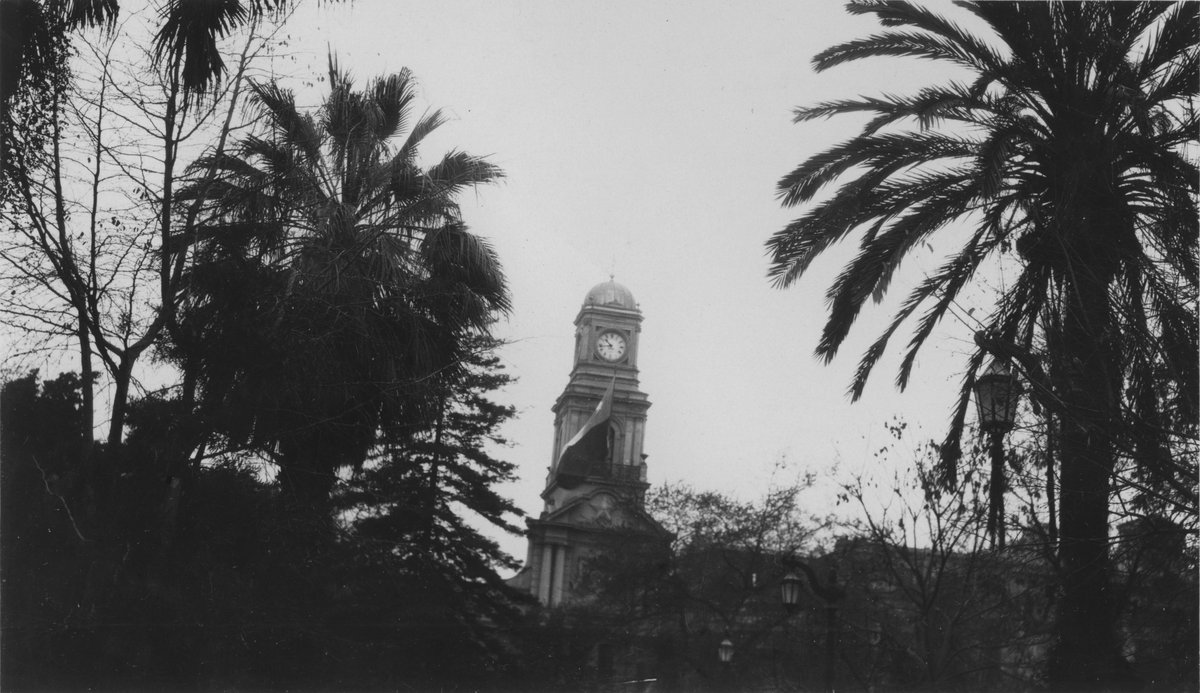
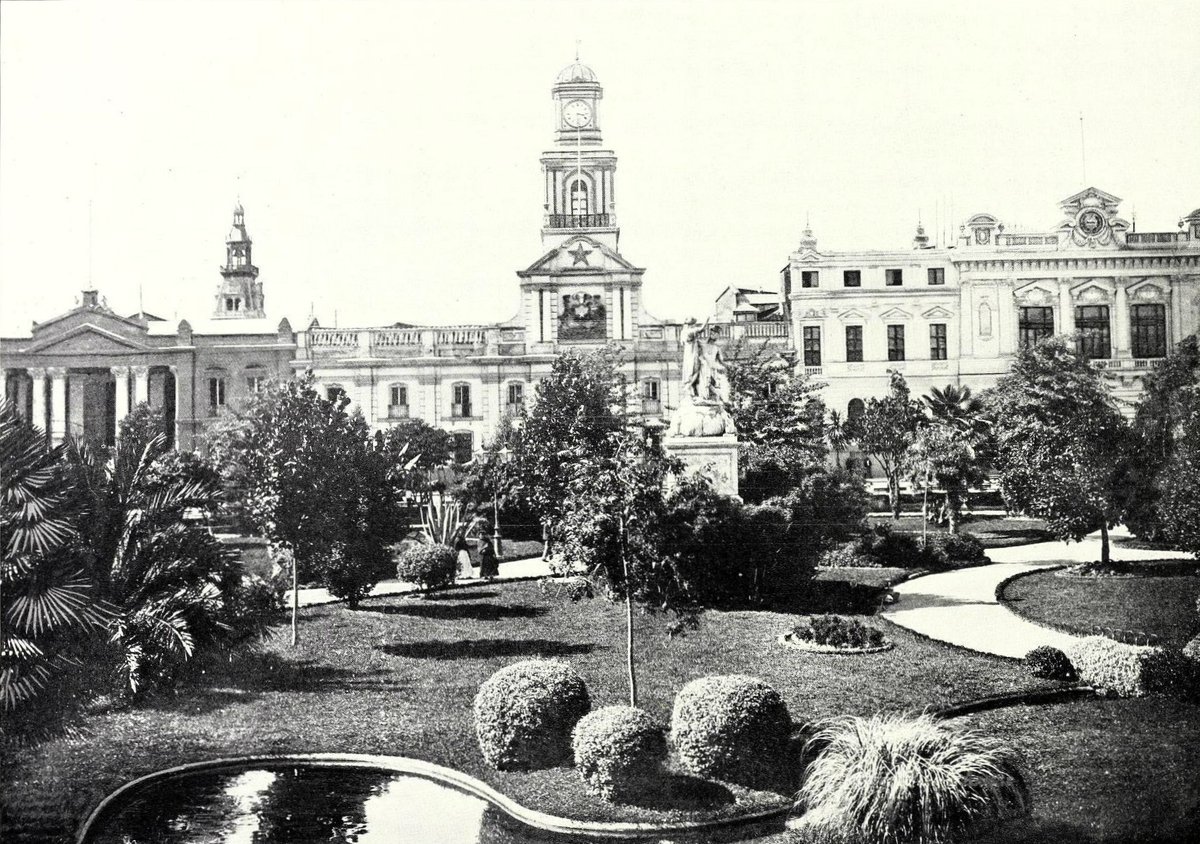
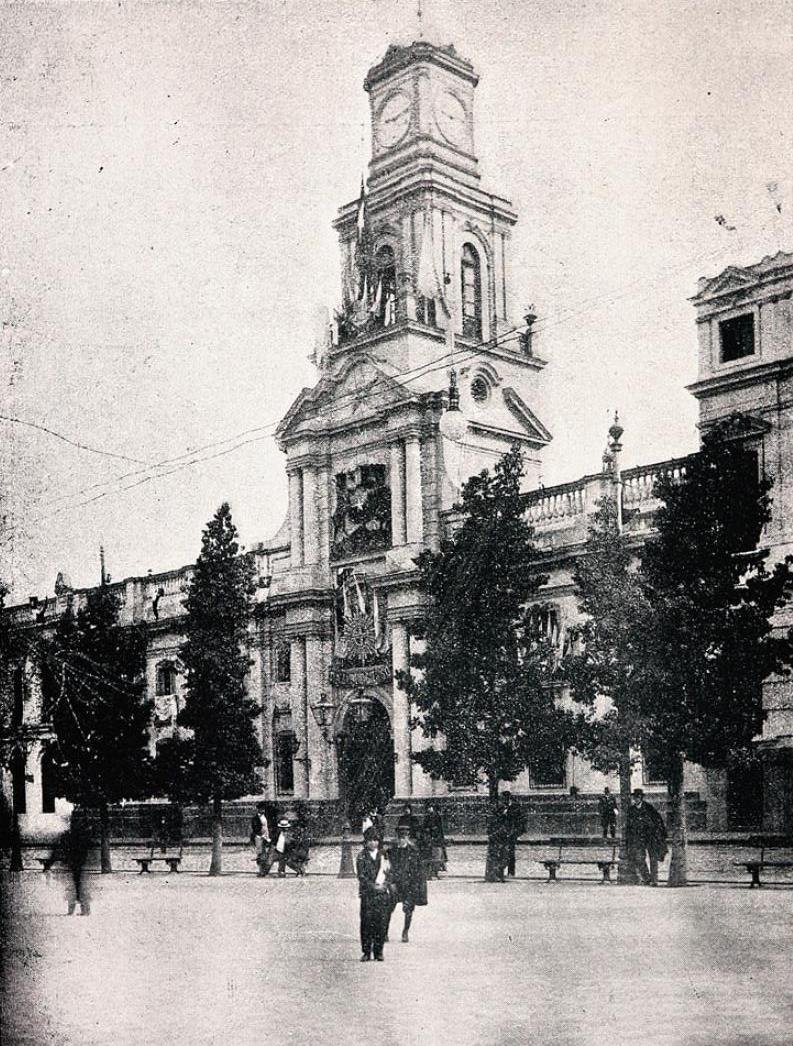
The Palacio de la Real Audiencia de Santiago stands as a testament to the country’s rich and complex history. Its story is a journey through colonial rule, independence movements, and the evolution of Chilean national identity.
Early Days and Colonial Justice
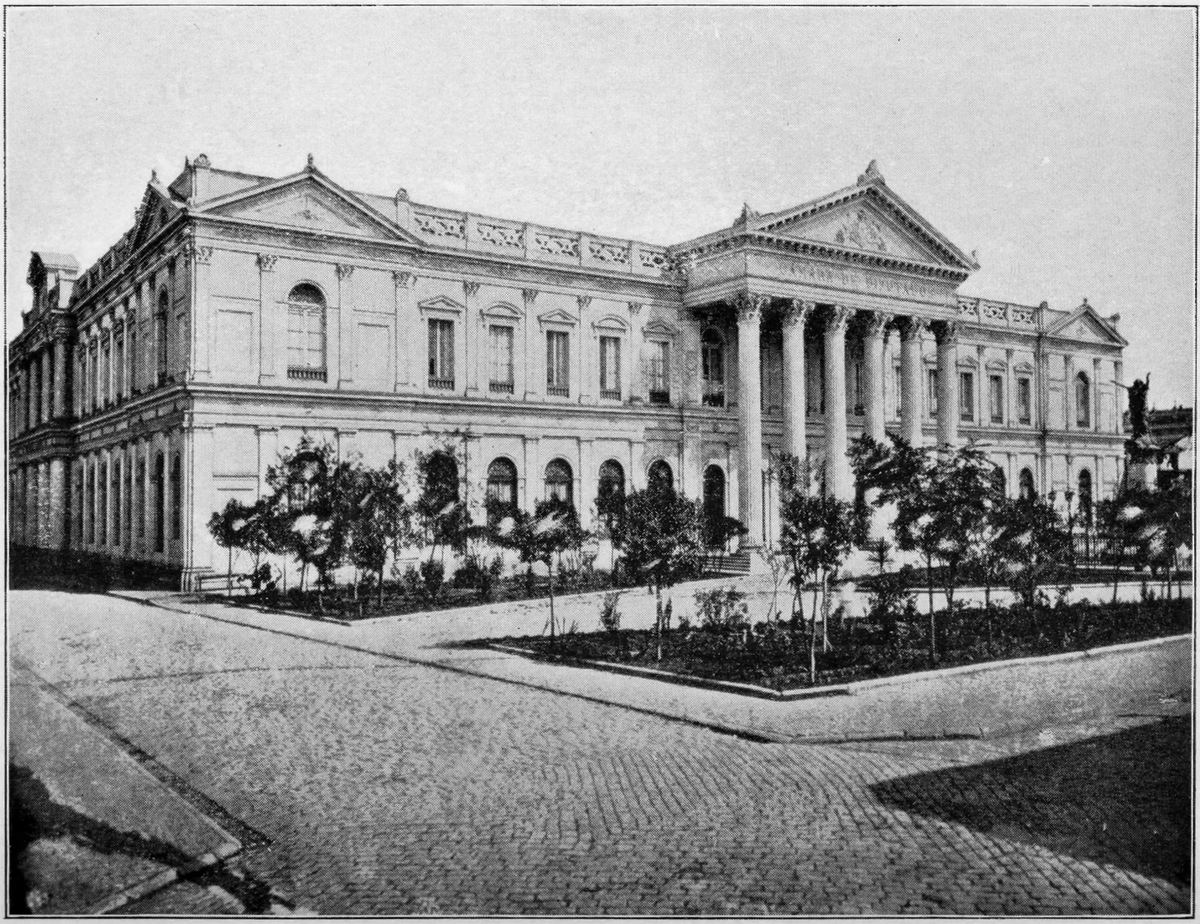
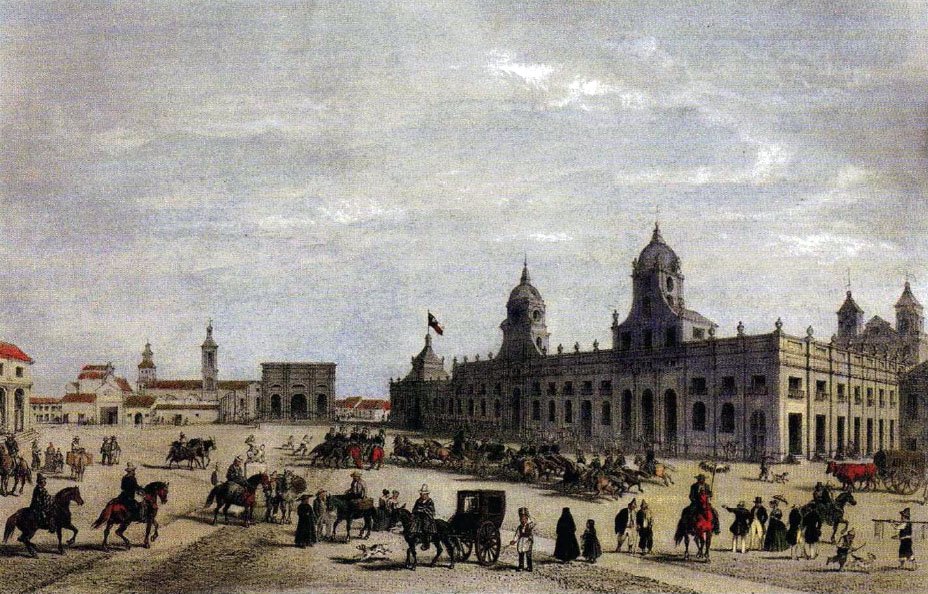
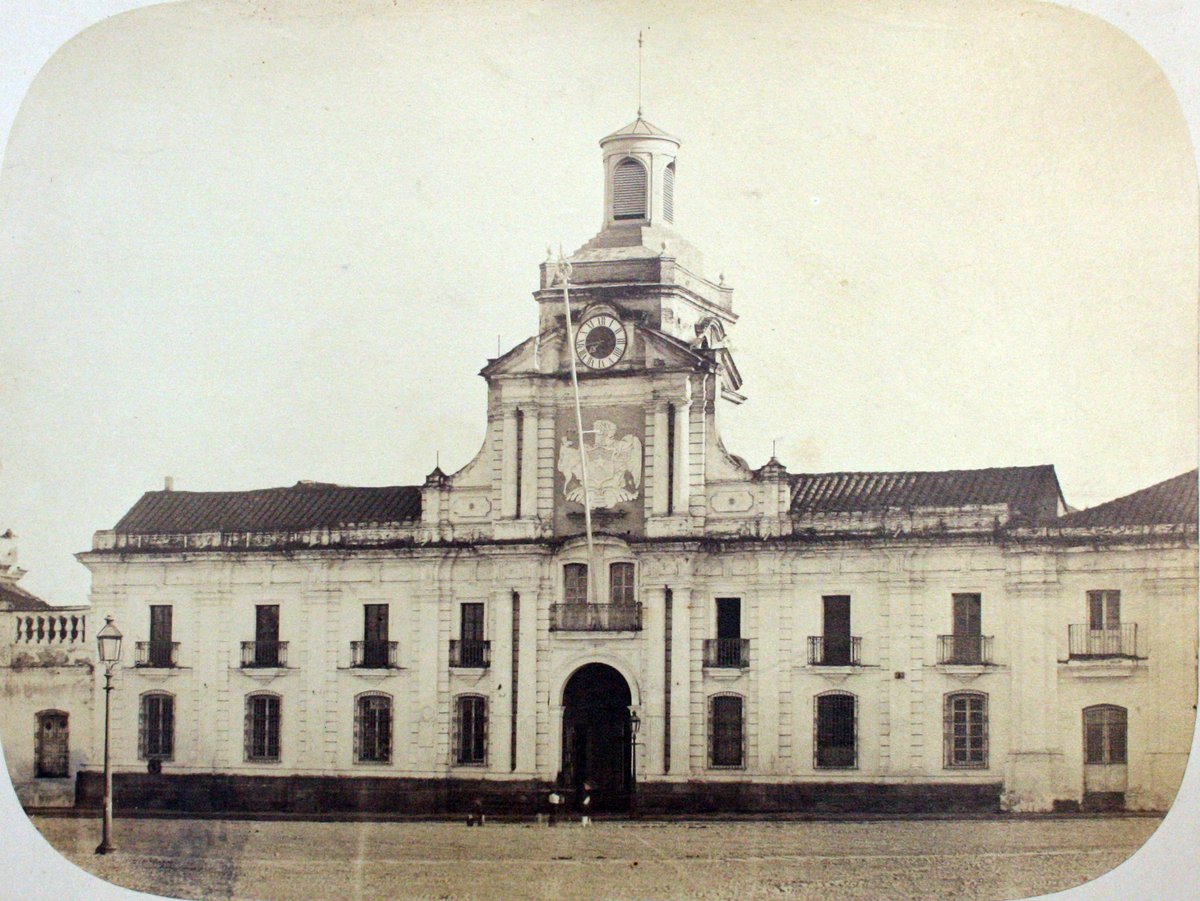
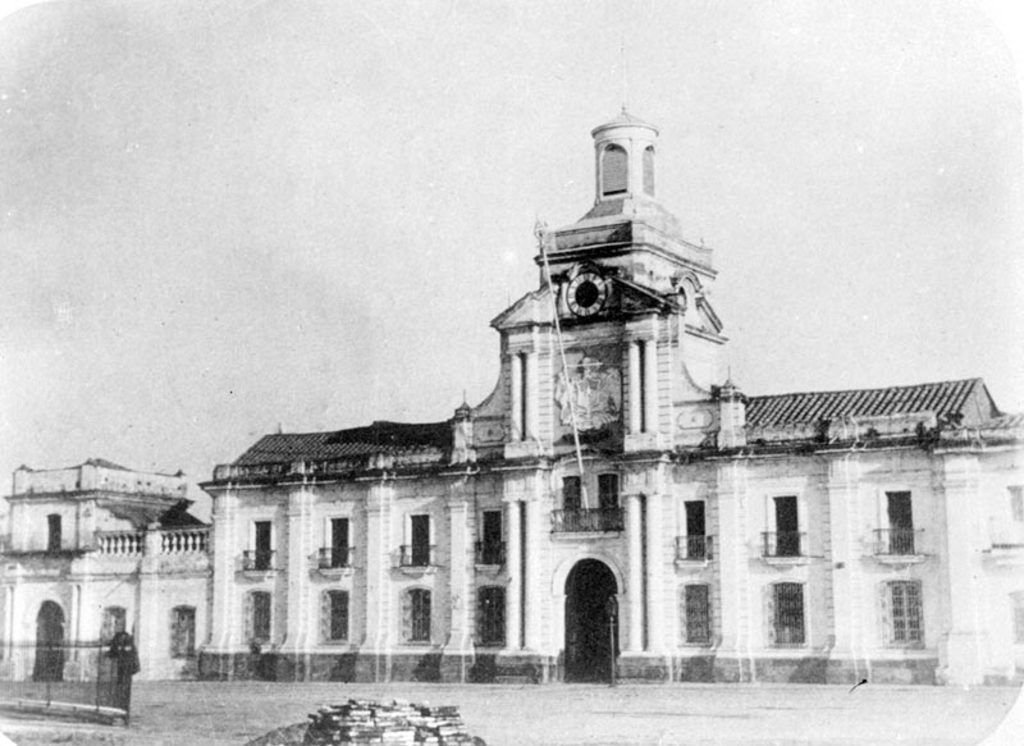
The building’s origins date back to the early 17th century when Chile was under Spanish colonial rule. Construction began in 1607, commissioned by the Royal Court of Justice, or “Real Audiencia,” established by King Philip III of Spain. This court aimed to administer justice and maintain order in the colony. The Palacio served as the seat of this institution for over two centuries, conducting legal proceedings that shaped the lives of Chileans under colonial rule. The building itself, with its imposing facade and grand interiors, reflected the power and prestige of the Spanish Crown.
Independence and a Shifting Purpose
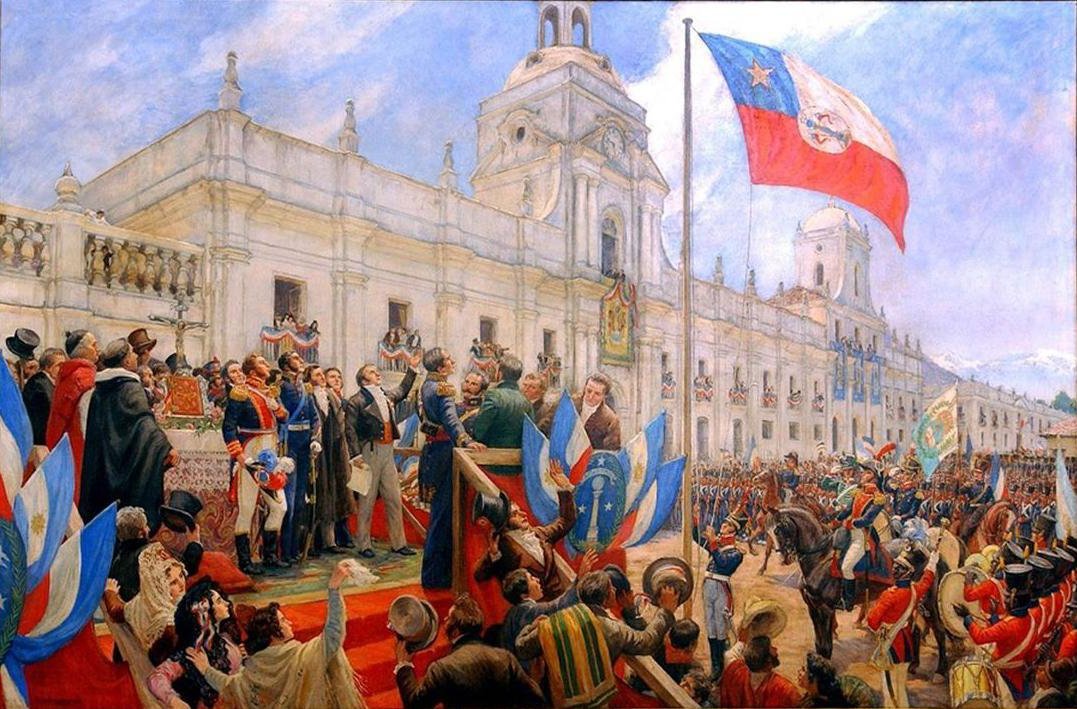
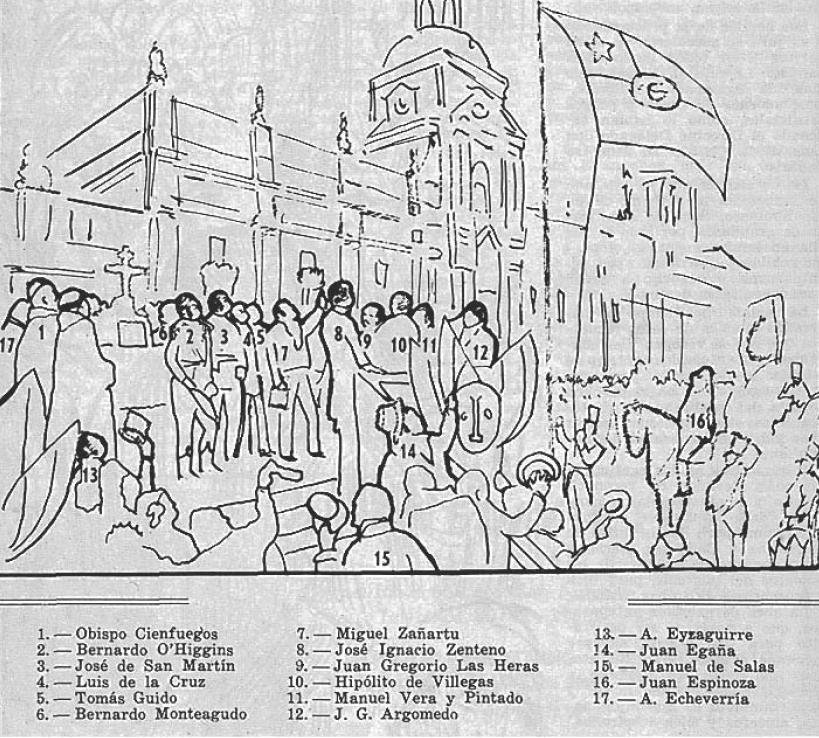
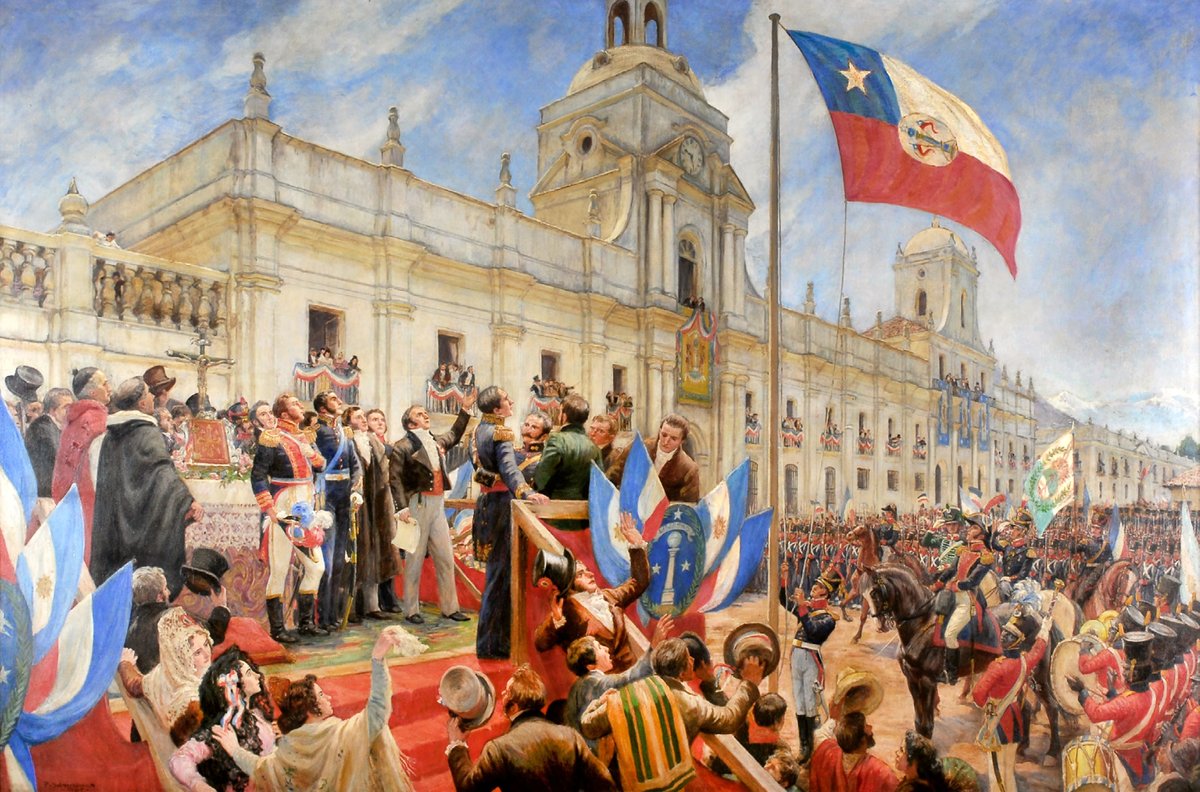
The year 1810 marked a turning point in Chilean history with the formation of the First Government Junta, a key step towards independence from Spain. This event had a significant impact on the Palacio, which ceased to be the seat of the Real Audiencia and instead became the meeting place for the newly formed government. This transition marked a shift in the building’s symbolic meaning, no longer representing colonial authority but rather the burgeoning spirit of Chilean independence and self-governance.
From Government Offices to National Museum
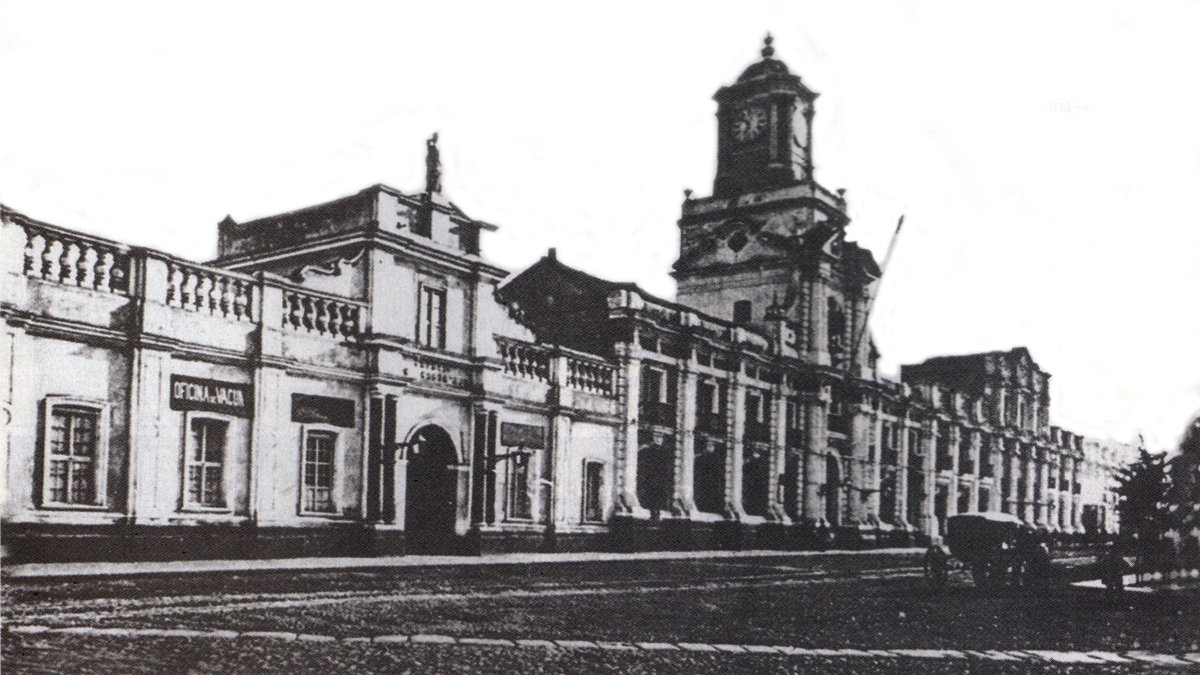
Following Chile’s definitive independence in 1818, the Palacio continued to house various government offices. However, its purpose underwent another significant transformation in the 20th century. In 1941, it was declared a National Monument, recognizing its historical and architectural importance. This decision paved the way for the Palacio to become the home of the Museo Histórico Nacional (National History Museum) in 1982, solidifying its status as a repository of Chilean history and culture.
Architectural Evolution and Restoration Efforts
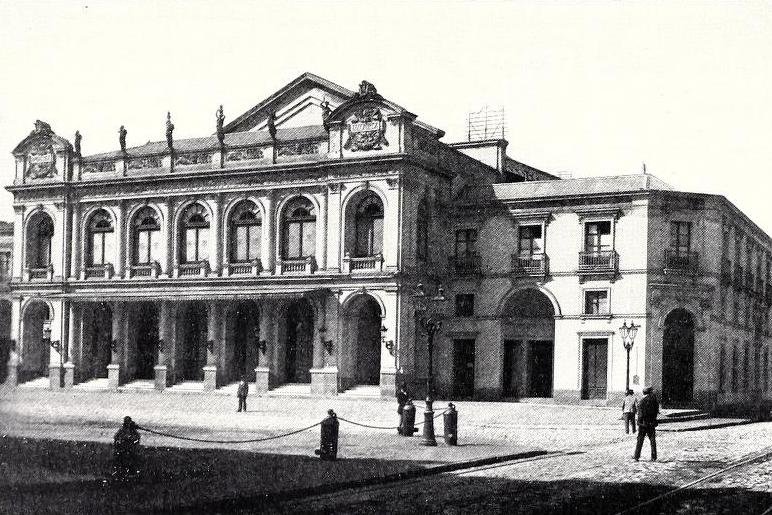
Over the centuries, the Palacio has undergone several modifications and expansions, reflecting changing needs and architectural styles. The original 17th-century structure, built in a simple, austere style typical of the period, formed the core of the building. Later additions, particularly in the 18th and 19th centuries, introduced elements of neoclassical and baroque architecture, adding to the building’s grandeur. The Palacio has also undergone significant restoration efforts to preserve its historical integrity, including a major restoration project in the late 20th century to repair damage caused by earthquakes and the passage of time.
Visitor Information
Planning your visit? Here are some essential details to help you make the most of your trip to the Palacio de la Real Audiencia de Santiago.
Visiting Hours
The Palacio is open from Tuesday to Sunday, 10:00 AM to 5:30 PM. It is closed on Mondays and some public holidays.
Tickets
General admission tickets are available for a nominal fee. Discounts are often available for students, seniors, and groups. Check the official website for the latest pricing and ticketing information.
Guided Tours
Enhance your visit with a guided tour. Knowledgeable guides offer insights into the building’s history and the exhibits housed within the Museo Histórico Nacional. Tours are available in both Spanish and English.
Accessibility
The Palacio is wheelchair accessible, with ramps and elevators available for visitors with mobility issues. Special accommodations can also be arranged upon request.
Nearby Attractions
While you’re in the area, consider exploring these nearby attractions:
- Plaza de Armas
The central square of Santiago, featuring beautiful architecture and vibrant street life. - Metropolitan Cathedral
A stunning example of neoclassical architecture, located just a short walk from the Palacio. - Cerro Santa Lucía
A historic hill with panoramic views of the city, perfect for a leisurely stroll.
FAQ
Q: Are there any special events held at the Palacio?
A: Yes, the Palacio hosts a variety of events throughout the year, including temporary exhibitions, cultural festivals, and educational programs. Check the official website for the latest schedule.
Q: Can I take photos inside the Palacio?
A: Photography is allowed in most areas of the Palacio, but flash photography and tripods are generally prohibited. Always check for specific signage or ask a staff member for guidance.