
Historical Background
San Carlos de Apoquindo has a history that dates back to the pre-Columbian era. The area was originally inhabited by the indigenous Mapuche people, who utilized the fertile lands for agriculture and the surrounding mountains for hunting and gathering. The Mapuche's deep connection to the land is evident in the numerous archaeological sites found in the region, including ancient petroglyphs and burial mounds.
The Spanish colonization in the 16th century marked a significant turning point for San Carlos de Apoquindo. The land was granted to Spanish settlers, who established large estates known as 'haciendas.' These estates played a crucial role in the agricultural development of the region and have left a lasting legacy on its cultural landscape.
Visitor Information
- Visiting Hours San Carlos de Apoquindo is open from 9 AM to 6 PM daily. Special hours may apply during holidays.
- Tickets Entry is free, but guided tours may have a fee. Check the official website for up-to-date information.
Travel Tips
- Wear comfortable shoes for walking and bring water, as the area can be quite expansive.
- Visit early in the morning to avoid the midday heat and crowds.
- Don’t forget your camera; the views are spectacular!
Nearby Attractions
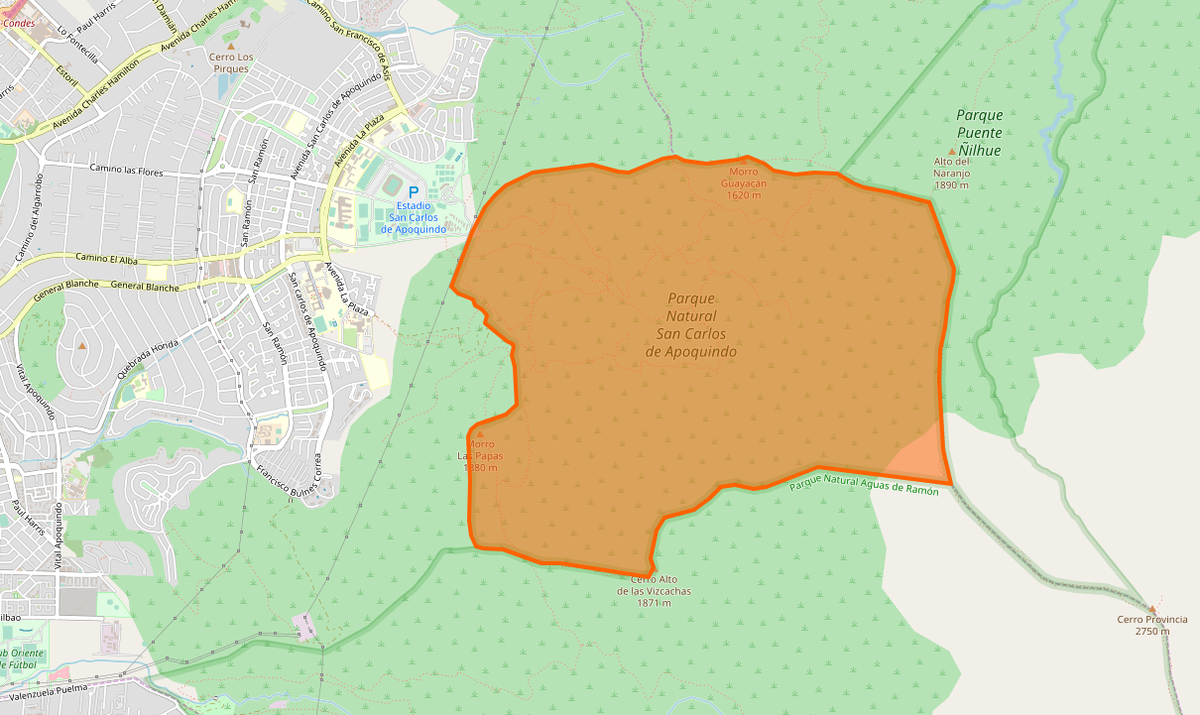
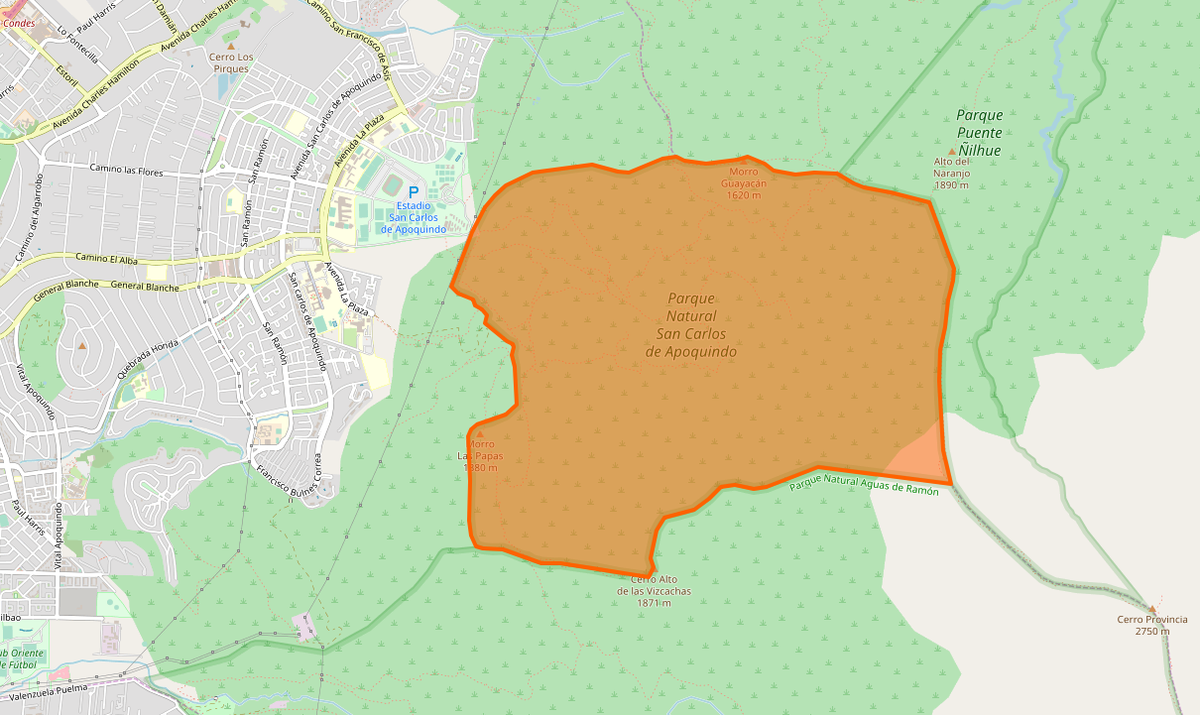
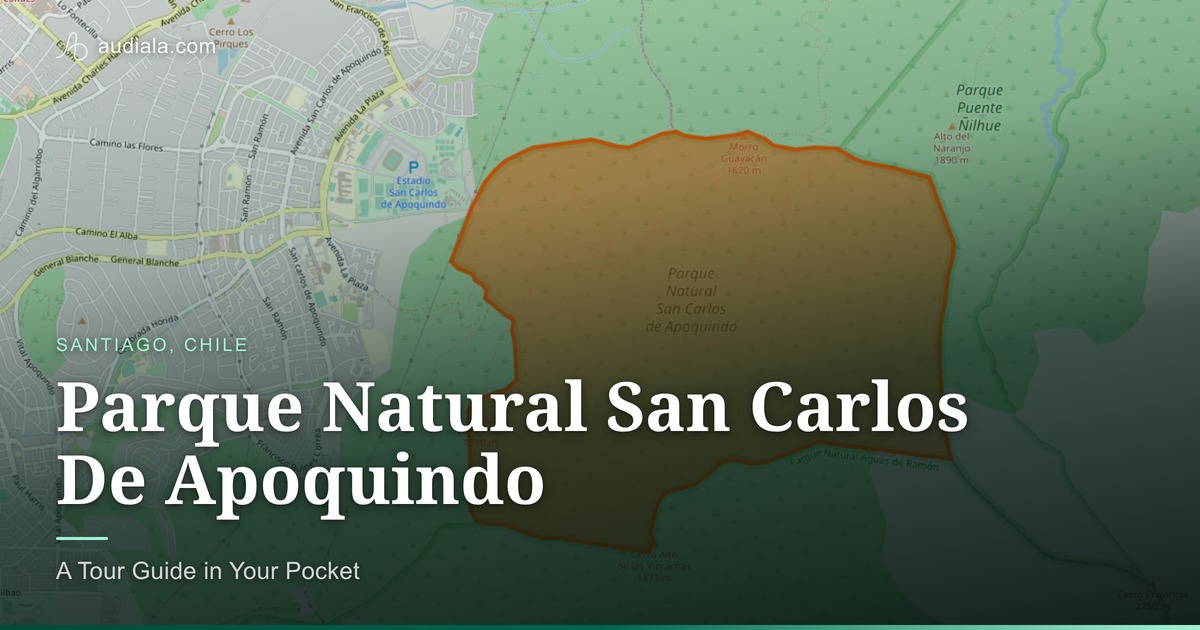
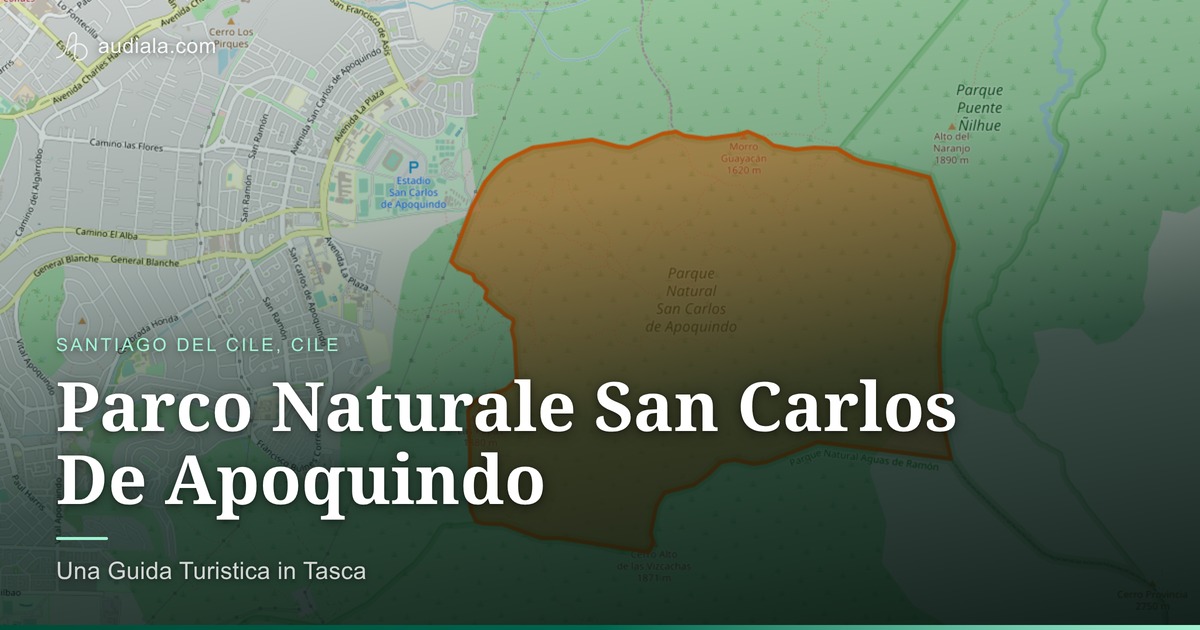
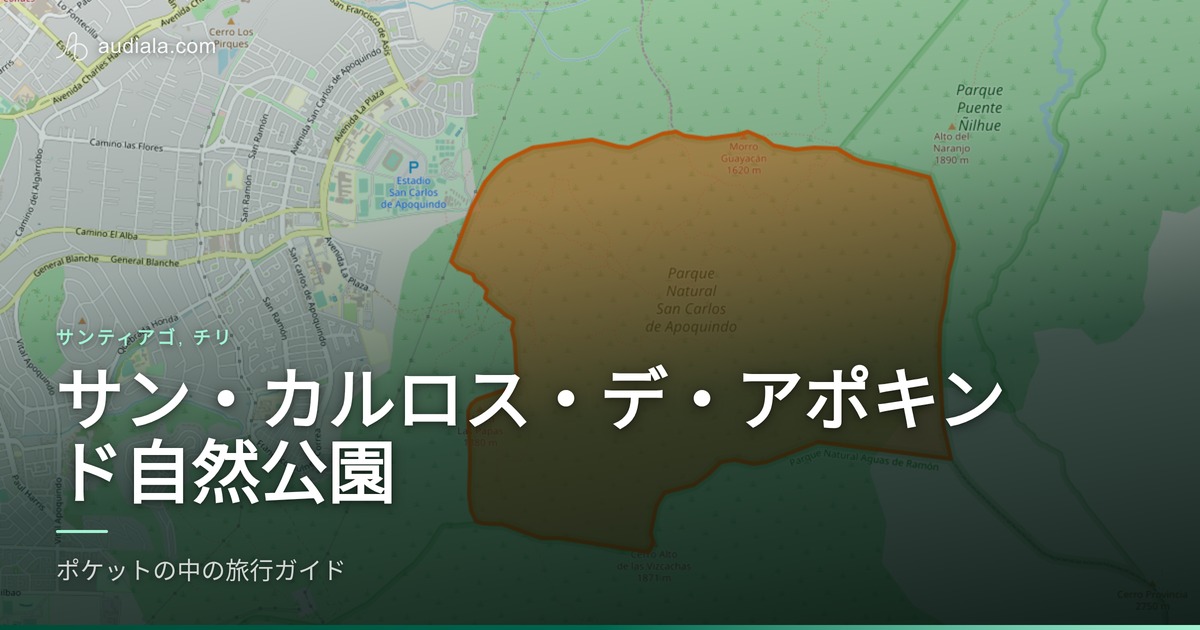
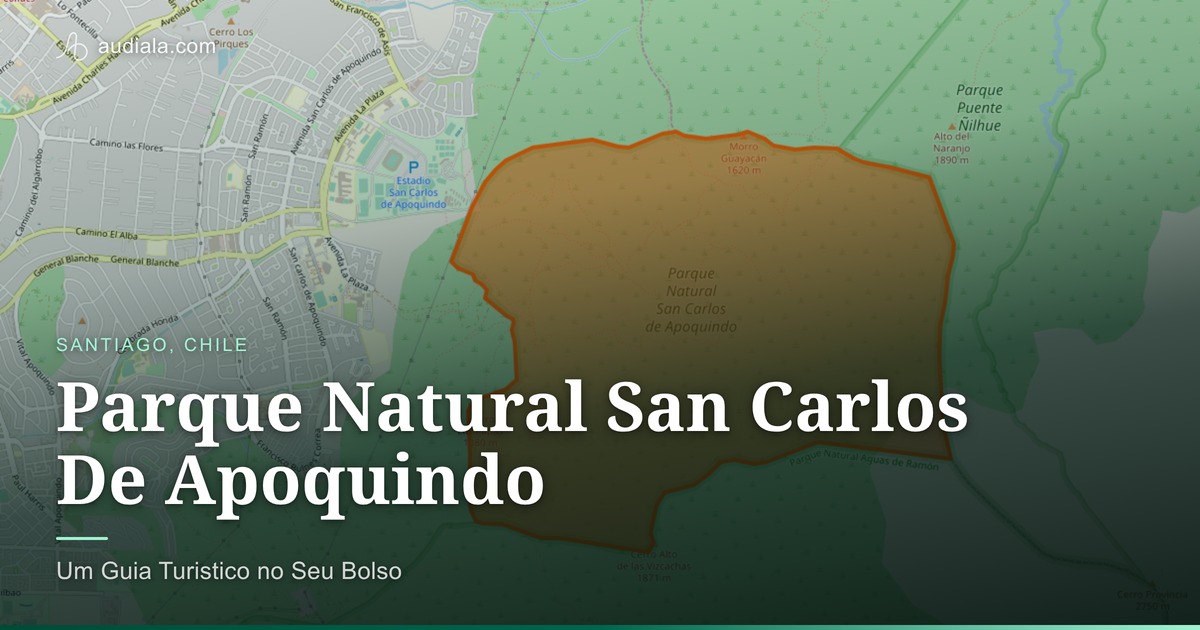
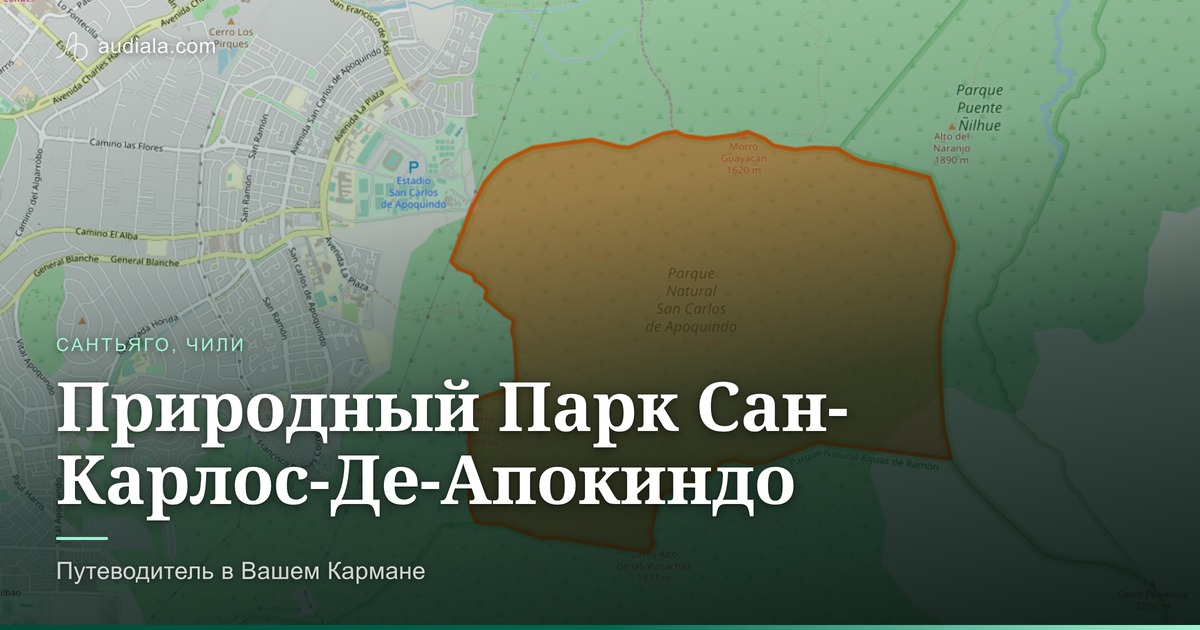
- Parque Natural Aguas de Ramón Known for its beautiful hiking trails and waterfalls, this park is a must-visit for nature lovers.
- Museo Interactivo Mirador A short drive away, this interactive museum is perfect for families and those interested in science and technology.
Accessibility
The main areas of San Carlos de Apoquindo are wheelchair accessible. However, some historical sites may have limited accessibility.
Special Events
San Carlos de Apoquindo hosts various cultural and historical events throughout the year, including traditional Mapuche ceremonies and Spanish colonial reenactments. Check the official website for event schedules.
FAQ
- What is the best time to visit San Carlos de Apoquindo? The best time to visit is during the spring and fall when the weather is mild.
- Are there guided tours available? Yes, guided tours are available and can be booked through the official website.
- Is there parking available? Yes, there is ample parking space for visitors.