
Visiting Hours and Tickets
- MAC Parque Forestal (Palacio de Bellas Artes)
Tuesday to Sunday, 10:00 AM – 6:00 PM - MAC Quinta Normal (Palacio Versailles)
Tuesday to Sunday, 11:00 AM – 5:00 PM - Closed Mondays and public holidays
Admission: General entry is free at both venues, supporting MAC’s mission of accessibility and inclusion. Some special exhibitions or events may charge a small fee—please check the official website for up-to-date details.
Locations and Accessibility
Parque Forestal Site
- Address José Miguel de la Barra 650, Santiago.
- Metro Bellas Artes station (Line 5).
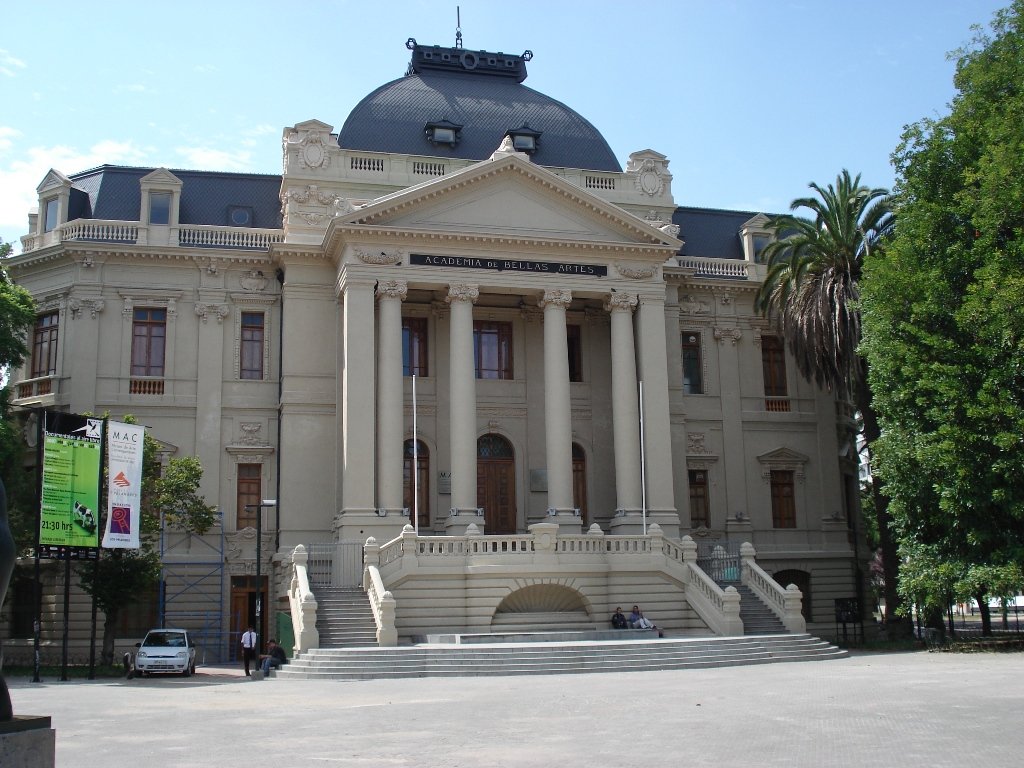
- Setting Housed within the historic Palacio de Bellas Artes, sharing the building with the National Museum of Fine Arts, and surrounded by the leafy Parque Forestal.
Quinta Normal Site
- Address Matucana 464, Santiago.
- Metro Quinta Normal station (Line 5).
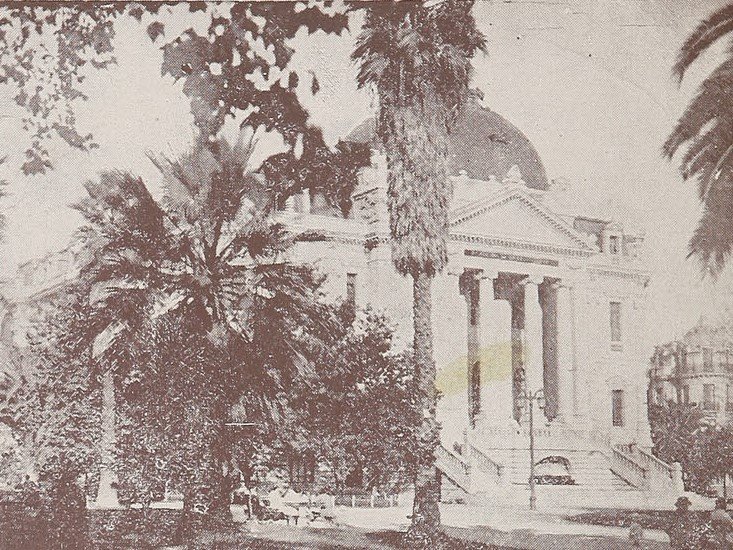
- Setting Located in Palacio Versailles within Quinta Normal Park, near museums such as the National Museum of Natural History.
Accessibility:
Both sites are wheelchair accessible, with ramps, elevators, and accessible restrooms. Staff are available to assist visitors with special needs. For further details, visit the MAC accessibility information page.
Guided Tours and Events
MAC offers guided tours in Spanish and, on occasion, English. Tours provide deeper insights into current exhibitions and the museum’s history. Group and educational tours can be scheduled in advance via the museum’s website. MAC also hosts workshops, artist talks, and cultural events throughout the year, fostering community engagement.
Historical Evolution and Cultural Significance
Founding and Early Years
Established in 1947, MAC began in the El Partenón building, Chile’s first fine arts museum, in Quinta Normal Park. It was created to champion contemporary Chilean and international art, with early curators like Marco Aurelio Bontá Costa shaping its direction.
Transition and Growth
In 1974, MAC relocated to the Palacio de Bellas Artes, a Beaux-Arts landmark designed by Emile Jéquier. In 2005, the museum expanded to operate from two sites, increasing its exhibition capacity and audience reach (MAC Mission and Vision).
Cultural Role
MAC is both an art museum and an educational institution, fostering creativity, diversity, and social inclusion. Its programs spotlight emerging and marginalized voices, encouraging critical reflection on contemporary issues.
Permanent Collections and Temporary Exhibitions
Permanent Collection
MAC’s holdings of over 3,000 works reflect Chilean artistic evolution alongside global trends. Highlights include paintings and sculptures by Chilean icons such as Roberto Matta, Matilde Pérez, Nemesio Antúnez, and Gracia Barrios. The collection also features international artists like Isamu Noguchi and Friedensreich Hundertwasser.
Temporary Exhibitions
MAC’s rotating exhibitions cover a wide range of contemporary themes—identity, migration, memory, and environmental change—often incorporating new media, video art, and installations. International collaborations bring global perspectives to Santiago’s art scene, while educational exhibitions support emerging talent from the University of Chile (WhichMuseum).
Architectural Features and Visitor Experience
Palacio de Bellas Artes (Parque Forestal)
- Style Early 20th-century Beaux-Arts, with grand façades, a glazed metal dome, and ornate detailing (Architectuul).
- Interiors Double-height galleries, natural light, and flexible spaces ideal for large-scale installations.
Palacio Versailles (Quinta Normal)
- Style Historic elegance in a park setting, with spacious galleries and tranquil surroundings.
Both venues offer rest areas, cloakrooms, and are located near cafés and bookstores—perfect for combining art with relaxation.
Amenities and Services
- Restrooms and cloakrooms are available at both venues.
- Seating areas are located throughout the galleries.
- Family-friendly workshops and educational resources are offered regularly.
- Onsite staff can assist with accessibility and visitor inquiries.
Photography Policy and Tips
- Photography Non-flash photography is generally permitted, except where indicated for special exhibitions.
- Tips Visit in the morning for a quieter experience. Respect signage and guidelines to help preserve the art.
Nearby Attractions
Make the most of your visit by exploring these nearby highlights:
- Museo Nacional de Bellas Artes Adjacent to MAC Parque Forestal.
- Centro Gabriela Mistral A hub for theater and music.
- Museum of Precolombian Art A short distance away.
- Quinta Normal Park Home to the National Museum of Natural History and Railway Museum.
- Parque Forestal Ideal for walks and picnics.
Frequently Asked Questions (FAQ)
What are the museum’s opening hours?
- Parque Forestal: Tue–Sun, 10:00 AM–6:00 PM
- Quinta Normal: Tue–Sun, 11:00 AM–5:00 PM
Closed Mondays.
Is admission free?
Yes, general entry is free. Some special events may have a fee.
Are guided tours available?
Yes, in Spanish and sometimes English. Book in advance if possible.
Is the museum accessible for people with disabilities?
Both venues are wheelchair accessible and staff can assist as needed.
Can I take photos inside the museum?
Photography (without flash) is allowed in most areas; check for restrictions at the entrance.
Plan Your Visit
- Check the official website for the latest exhibition schedules, ticket info for special events, and accessibility details.
- Download the Audiala app for audio guides and interactive maps.
- Follow MAC on social media for updates and event announcements.
- Combine your visit with nearby museums and cultural sites for a full Santiago experience.