
Founding and Early Development (1880–1910)
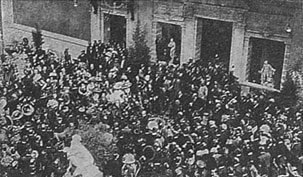
The MNBA was founded in 1880, aligning with a Latin American movement to establish national museums as educational and identity-forming institutions (MNBA official history, awe-inspiringplaces.com). Initially housed in Quinta Normal Park, its early collections reflected strong European influences, a testament to Chile’s cultural aspirations in the 19th century (Museo Nacional de Bellas Artes: Itinerario de una colección, p. 5).
Architectural Significance: The Palacio de Bellas Artes
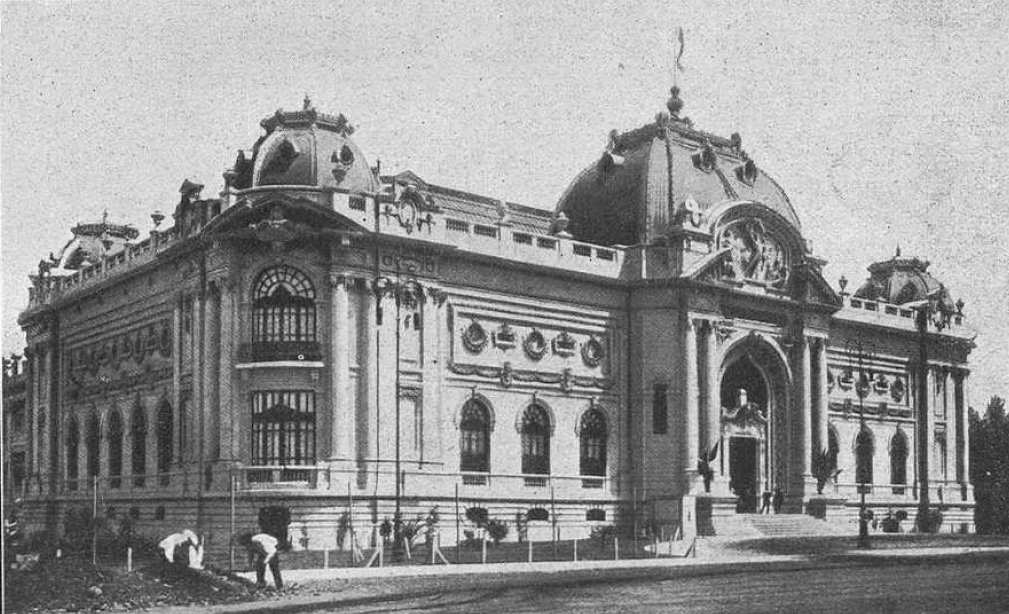
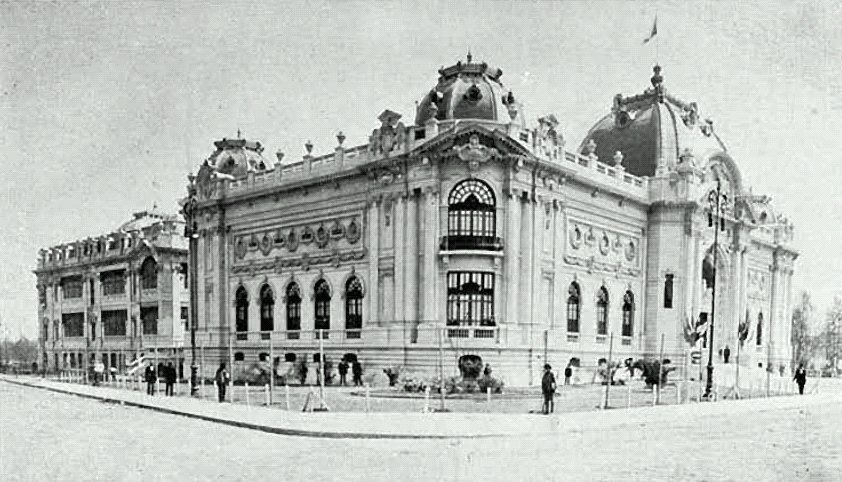
In 1910, the museum moved to the Palacio de Bellas Artes, a Beaux-Arts masterpiece by Émile Jéquier, designed for Chile’s centennial celebrations. The palace features neoclassical and Art Nouveau elements, a monumental façade, and a central glass dome that bathes the grand hall in natural light (ArchDaily).
Evolution of the Collection and Institutional Role
What began as a European-centric collection soon expanded to include works by prominent Chilean artists, such as Pedro Lira and Camilo Mori, and eventually embraced modern and contemporary art. Today, the MNBA is recognized for its dynamic programming and its role in shaping Chilean cultural identity (Museo Nacional de Bellas Artes: Itinerario de una colección, p. 10, awe-inspiringplaces.com).
Cultural Impact and Resilience
The MNBA has democratized access to the arts through free admission, educational initiatives, and cultural resilience—surviving earthquakes and periods of political change thanks to dedicated preservation efforts (MNBA official site).
Visitor Information
Opening Hours
- Tuesday to Sunday: 10:00 am – 6:45 pm
- Closed Mondays and certain public holidays
Admission and Tickets
- General admission: Free
- Some special exhibitions require tickets; check the official website for current details
Guided Tours and Accessibility
- Free guided tours in Spanish; English tours are occasionally available or by group request
- The museum is wheelchair accessible, with ramps, elevators, and accessible restrooms on the ground floor
- Facilities and programs support visitors with visual or hearing impairments (Minube)
Special Events and Temporary Exhibitions
- The MNBA regularly hosts temporary exhibitions, workshops, and cultural events
- Check the events calendar on the official website for updates
Location and Nearby Attractions
- Address José Miguel de la Barra 650, Parque Forestal, Santiago
- Nearest metro Bellas Artes (Line 5)
- Nearby Museum of Contemporary Art (connected via passage), Parque Forestal, Lastarria neighborhood (Rebecca and the World)
Architectural Highlights
Exterior Features and Façade
The symmetrical Beaux-Arts façade features classical columns, sculptural reliefs, and a central entrance framed by glass and stone, all reminiscent of Paris’s Petit Palais (Wikipedia; Academia-Lab; The Singular).
Structural Innovations and Materials
A pioneering use of steel and iron supports the expansive glass dome, crafted in Belgium and weighing 2,400 kg, which floods the central hall with natural light—a highlight of early 20th-century architecture (Wikipedia).
Interior Layout and Artistic Elements
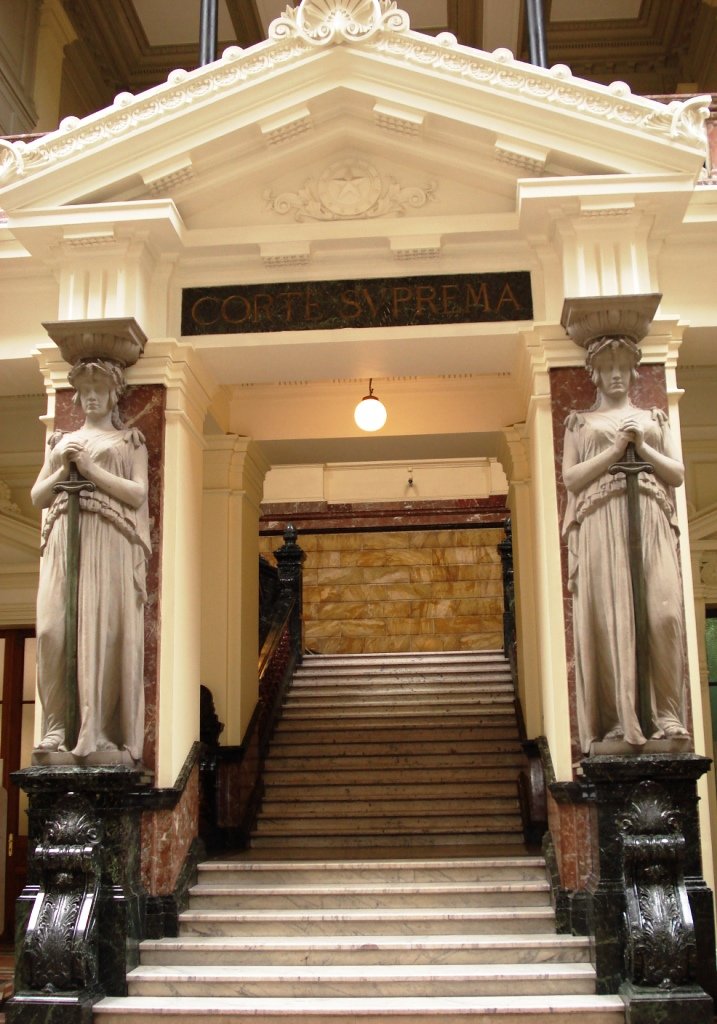
Inside, visitors are welcomed by a grand staircase, high ceilings, ornate moldings, and stained glass. The galleries are arranged around the central axis, offering a harmonious blend of elegance and functionality (Academia-Lab).
Collections and Exhibitions
Permanent Collections
Chilean Art: 19th to 21st Century
The MNBA’s collection features over 5,000 works, tracing the evolution of Chilean art from the academic realism of Pedro Lira to the modernism of Roberto Matta and Nemesio Antúnez. The collection charts the nation’s artistic journey and its dialogue with global trends.
International Art Collection
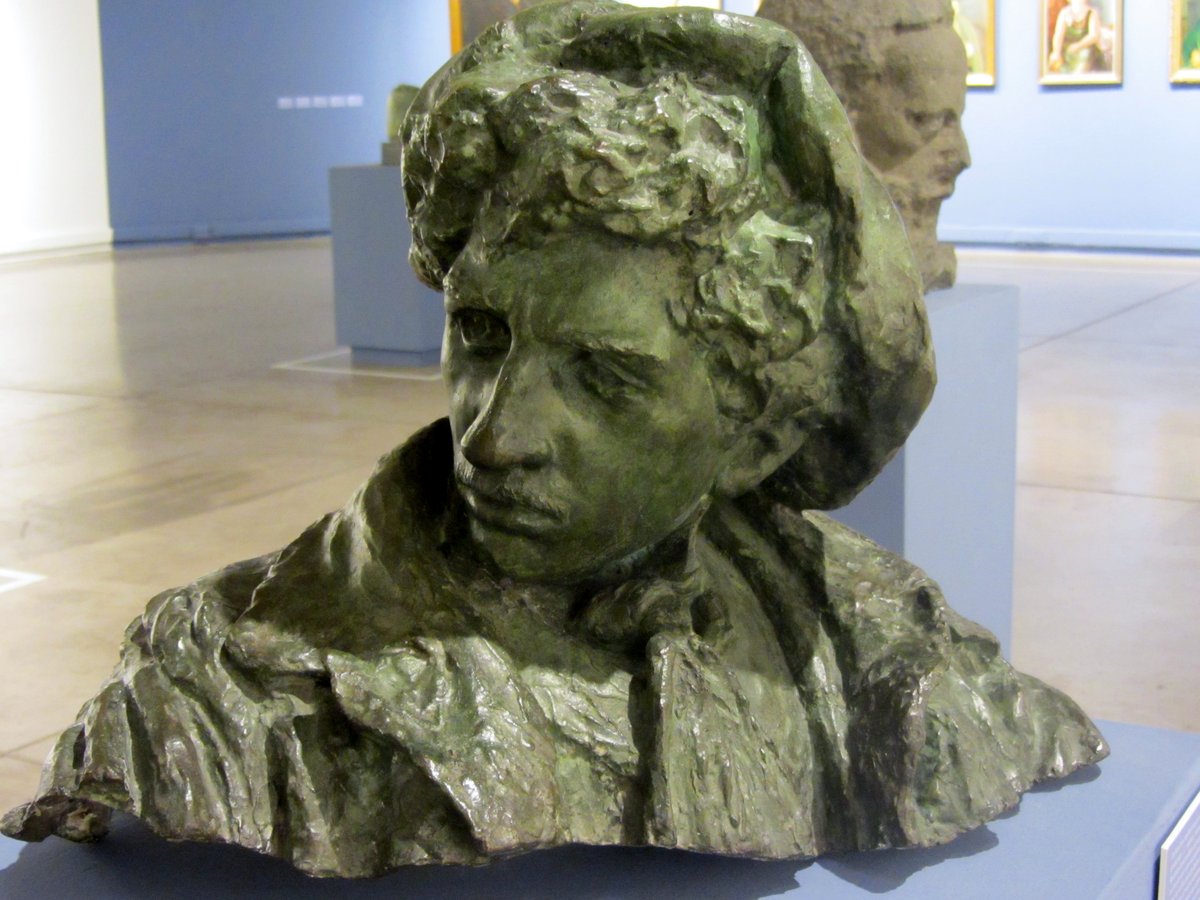
While focused on Chilean art, the museum also holds significant European paintings and sculptures from the 15th to 20th centuries, including works by Giovanni Battista Moroni and Auguste Rodin, providing context for Chilean artistic development (MutualArt).
Decorative Arts and Works on Paper
Ceramics, textiles, and furniture showcase Chilean and European craftsmanship, while the works on paper collection features rare 19th-century lithographs and modern Latin American graphic art.
Temporary and Rotating Exhibitions
The MNBA is renowned for its dynamic temporary exhibitions, including retrospectives, thematic shows, and international collaborations. Recent highlights include exhibitions on Chilean participation in the Venice Biennale and Impressionist treasures from the Musée d’Orsay (MutualArt).
Navigating the Museum
Upon entry, visitors are greeted by the grand central hall with its glass dome. Bilingual signage and free maps in Spanish and English help you navigate the museum’s multiple levels and specialized galleries. Informative panels provide exhibition context, and staff are available for assistance.
Visitor Amenities
- Cloakroom Free, near the entrance; large bags not permitted in galleries
- Restrooms Accessible and clean, located on the ground floor
- Museum Shop Art books, postcards, and local souvenirs
- Nearby Cafés A variety of options in Bellas Artes and Lastarria neighborhoods
Photography and Visitor Conduct
- Photography without flash is allowed in permanent galleries; restrictions may apply to temporary exhibitions
- Tripods and selfie sticks are not permitted
- Eating, drinking, and phone calls are not allowed in galleries; maintain a respectful atmosphere
Travel Tips
- Visit on weekday mornings for a quieter experience; weekends can be busy
- Plan 1–2 hours for your visit
- Comfortable footwear is recommended due to marble floors and spacious halls
- Check the events calendar for temporary exhibitions and workshops
- Support the museum through purchases or donations, as admission is free
Frequently Asked Questions (FAQ)
Q: What are the MNBA’s visiting hours?
A: Tuesday to Sunday, 10:00 am to 6:45 pm; closed Mondays and some public holidays.
Q: Is admission free?
A: Yes, permanent collections are free; some special exhibitions may require a ticket.
Q: Is the museum accessible for visitors with disabilities?
A: Yes, with ramps, elevators, and accessible restrooms.
Q: Are guided tours available in English?
A: Most tours are in Spanish; English tours may be available by request or for groups.
Q: Can I take photographs inside the museum?
A: Non-flash photography is allowed in permanent galleries; check for restrictions in temporary exhibitions.
Discover More
The Chilean National Museum of Fine Arts stands as a vibrant hub for art, culture, and history in Santiago. With its remarkable Beaux-Arts architecture, extensive collections, and commitment to accessibility and education, the MNBA offers an inspiring and memorable experience for all visitors. Plan your trip by visiting the official MNBA website for up-to-date information on exhibitions, events, and visitor services.
Enhance your visit with the Audiala app for offline guides and interactive content, and explore Santiago’s rich cultural landscape with stops at nearby institutions like the Museum of Contemporary Art and the Lastarria district. For more travel inspiration, read our guides on Santiago’s top museums.