


Place
Santiago
Chile Updated Mar 2026
Santiago wakes up each morning pressed against a wall of ice and rock — the Andes, 6,000 meters of white teeth visible from nearly every street corner, yet only on the 150 or so days when the smog relents. This is the defining tension of Chile's capital: a city of seven million caught between the spectacular and the everyday, where glass towers in Las Condes share sightlines with crumbling mansard-roofed mansions in Barrio Concha y Toro, and a Michelin-worthy tasting menu at Boragó costs less than a mediocre bistro dinner in Paris.
 Photo: Leonardo Córdova / Pexels
- Attractions
- 18
- Audio
- 10 h
- Trip length
- 4-6 days
- Best season
- Spring (September–October)
Why Santiago
Built from cited sources · see the method · How we make our guides →
The 2019 Estallido Social cracked Santiago open. What had been a polite, somewhat reserved capital — Chileans joke about being the "fríos" of Latin America — erupted into one of the continent's most politically charged street art movements. The murals around Plaza Dignidad are still being painted over and repainted, a living argument conducted in aerosol. That energy reshaped the city's cultural metabolism: neighborhoods like Barrio Italia and Barrio Franklin, once overlooked, are now dense with natural wine bars, independent galleries, and restaurants run by chefs who trained at the country's best kitchens and chose a working-class storefront over a Las Condes address.
Food is where Santiago reveals its layers. Mercado Central gets the guidebook ink, but the real city eats across the river at La Vega Central — a wholesale produce market where mote con huesillo (wheat grain in dried-peach syrup) is ladled from plastic buckets and cazuela arrives in bowls the size of your head for under three dollars. The Peruvian immigrant community has woven ceviche and lomo saltado so deeply into the local fabric that younger Santiaguinos barely register them as foreign. And Chile's wine revolution — Carménère, the grape France lost to phylloxera and Chile quietly saved — means the house pour at a neighborhood restaurant is often genuinely good.
Santiago works as a base camp. Cajón del Maipo, 45 minutes southeast, delivers volcanic hot springs at 2,800 meters and a turquoise reservoir beneath Tupungato volcano. The Maipo Valley wine appellation begins 30 minutes south. Valparaíso's painted hills and Neruda's sea-cliff house at Isla Negra are each under two hours away. But the city itself rewards patience — its best experiences hide in residential barrios, behind unmarked doors, in the gap between lunch and the 5 p.m. once, that strange and lovely Chilean teatime that is really a second dinner of bread, avocado, and unhurried conversation.
A City Framed by the Andes
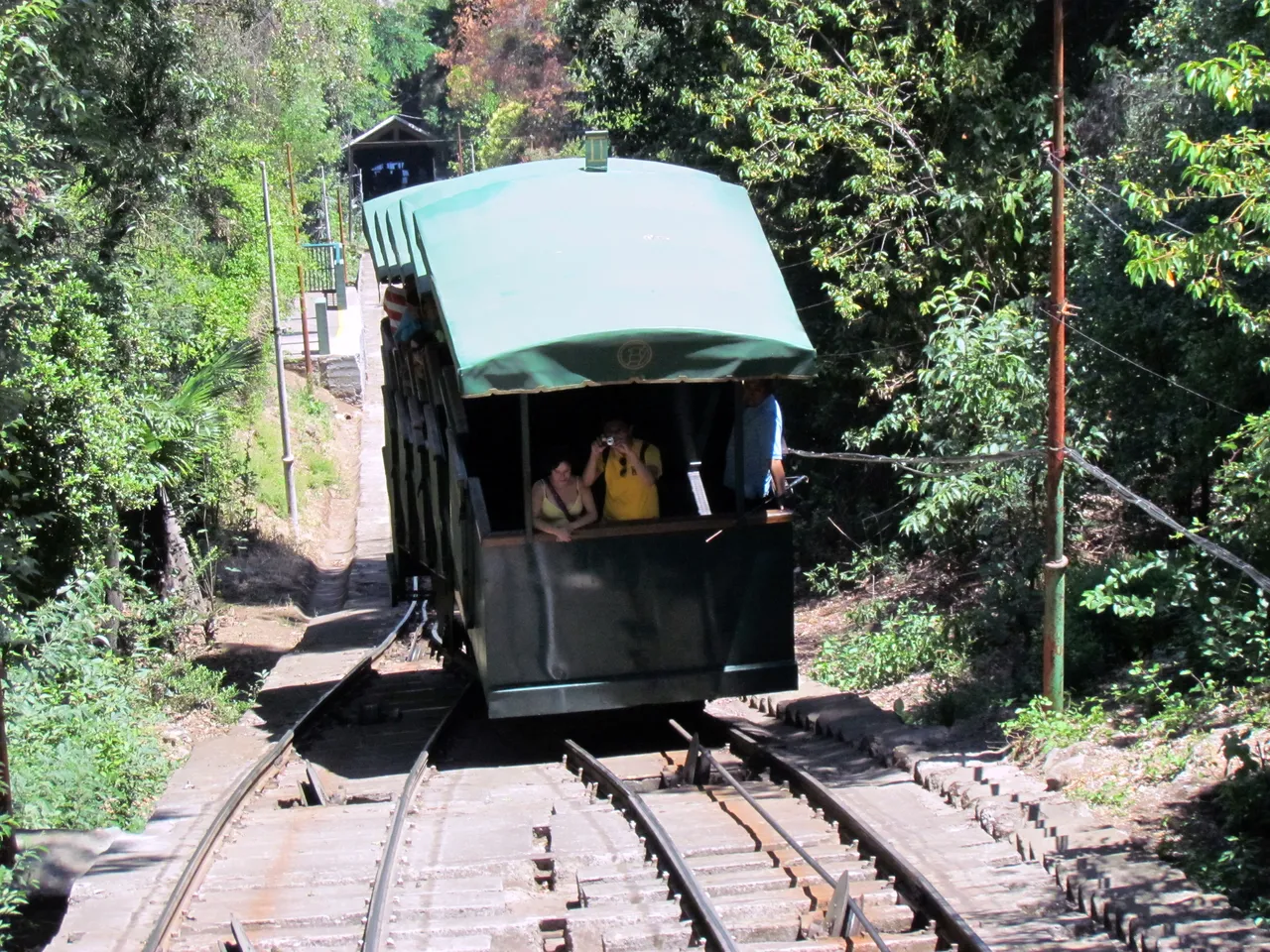
On clear days, a wall of 6,000-meter peaks materializes behind the skyline — snow-capped in winter, sun-scorched in summer. Santiago is one of the few capitals where you can ride a funicular at breakfast and reach a glacier by lunch.Street Art as Living History
The 2019 Estallido Social turned Santiago into an open-air political gallery. Murals around Plaza Dignidad shift with every election cycle, while Barrio Yungay's walls carry older, more considered work by INTI and Cekis — a city literally painting its own memory in real time.Wine Country Starts at the City Limits
The Maipo Valley — Chile's most storied Cabernet appellation — begins 30 minutes south of downtown. Concha y Toro draws the crowds, but the real discovery is Viña Santa Rita's hacienda in Buin, where a pre-Columbian art museum rivals the one in the capital.Neruda's Santiago
La Chascona, the hillside house Pablo Neruda built secretly for his lover Matilde Urrutia, still feels like an intimate act of defiance. It anchors a three-house pilgrimage — Valparaíso's La Sebastiana and Isla Negra's Pacific retreat complete the triangle — that maps the poet's restless, collecting, ocean-obsessed life.
Places to Visit
Not every monument, just the ones we'd walk you past ourselves.
-
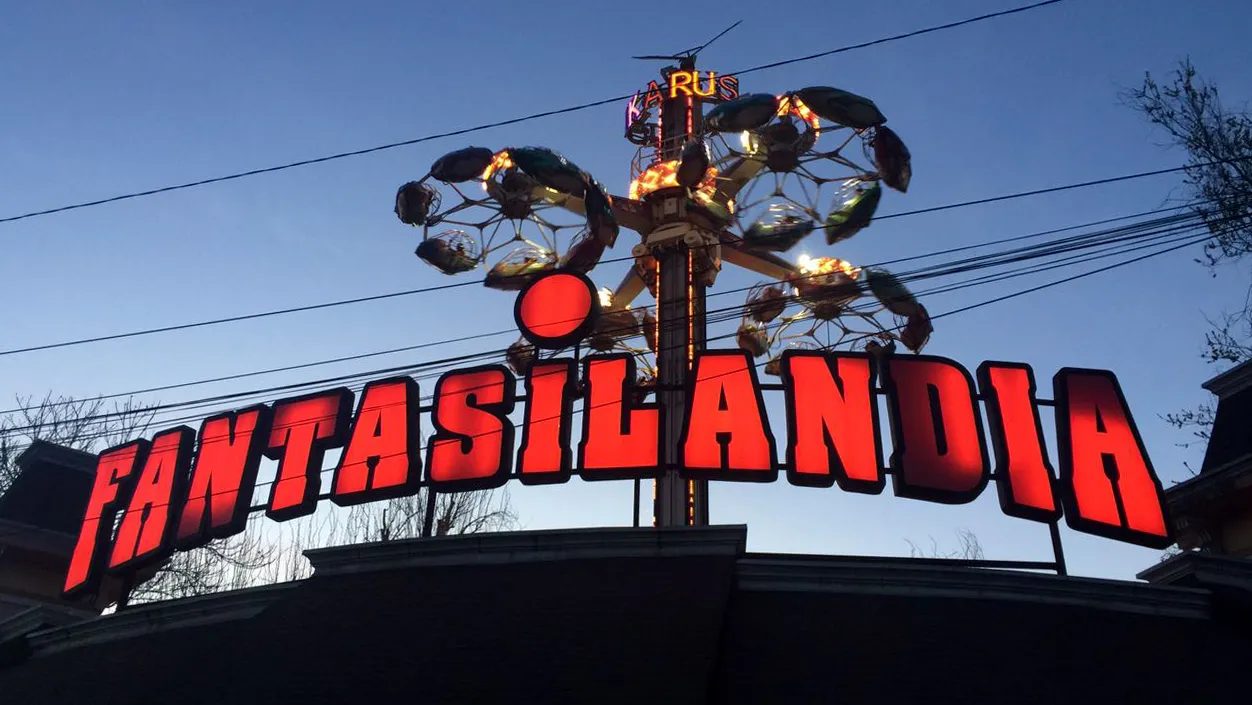
Fantasilandia Chile's only major amusement park sits inside a public city park and opened in 1978 with US$2M in European rides. Home to South America's second Vekoma SLC coaster.
-
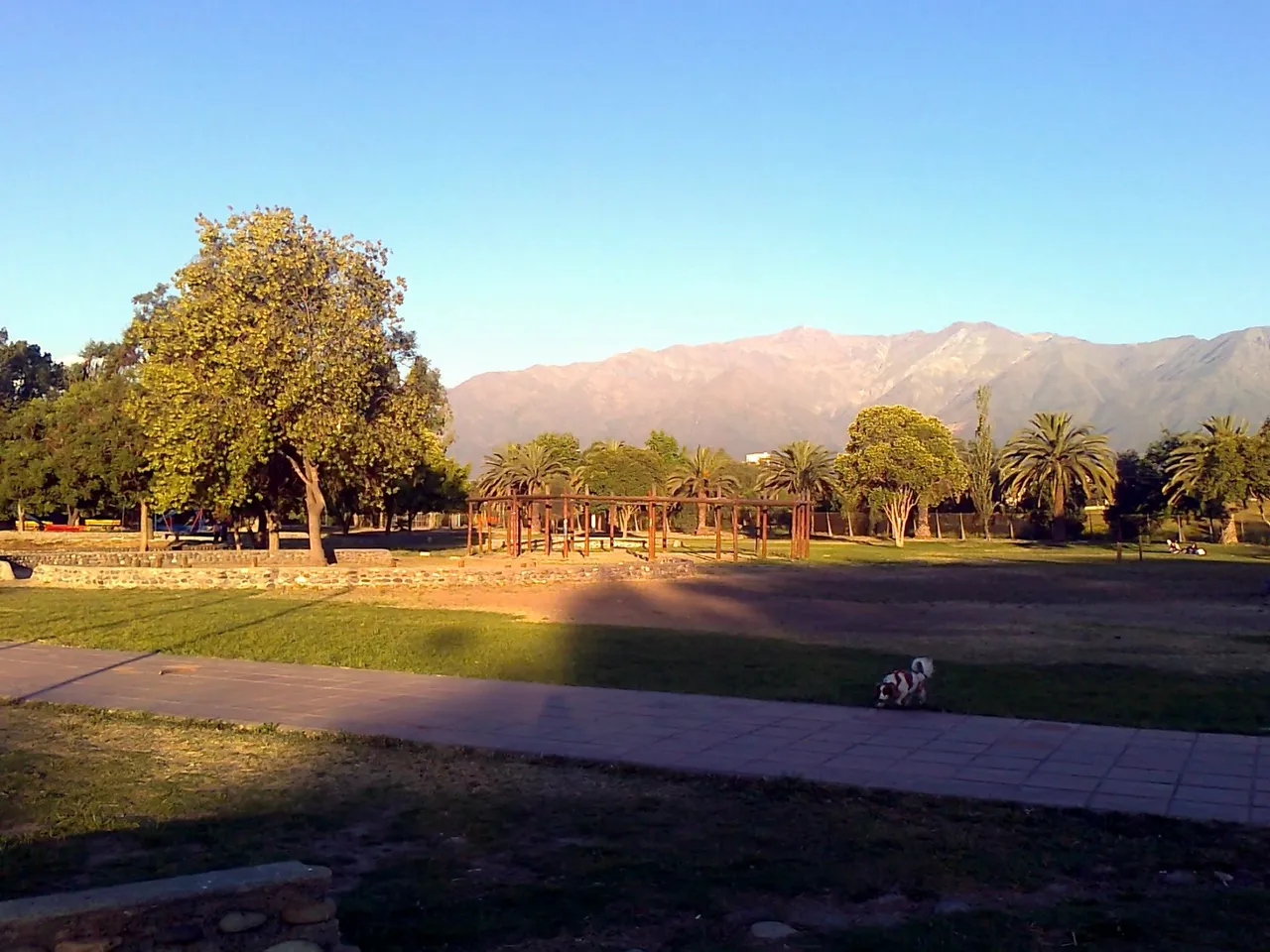
Parque Araucano Parque Araucano, situated in the affluent Las Condes district of Santiago, Chile, is an expansive urban park that has evolved into a central recreational hub…

-
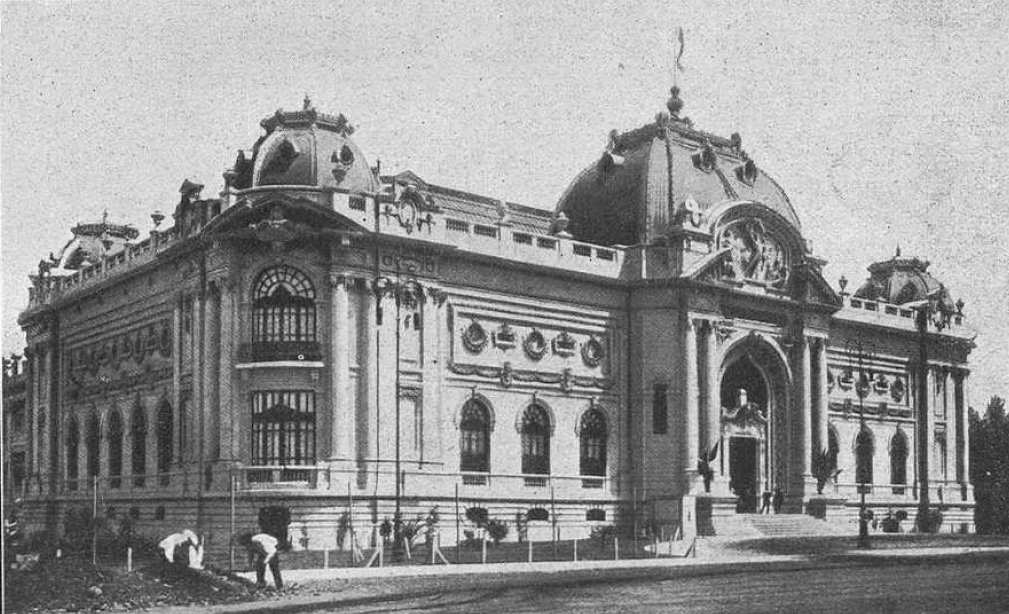
Chilean National Museum of Fine Arts Nestled in the vibrant cultural heart of Santiago, Chile, the Chilean National Museum of Fine Arts (Museo Nacional de Bellas Artes, MNBA) stands as a beacon…
-
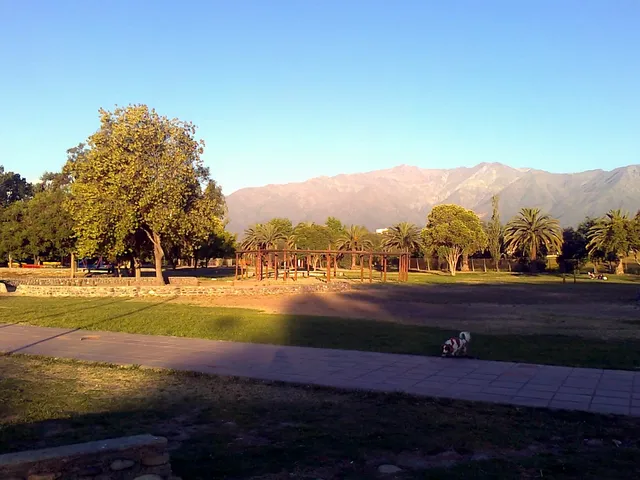
Parque Brasil Explanada MIM, officially known as the Museo Interactivo Mirador, is a remarkable historical and educational attraction located in Santiago, Chile.
-
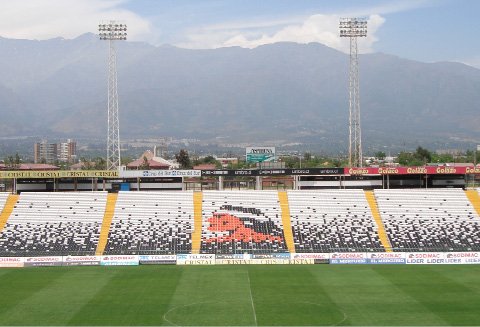
Estadio Monumental Estadio Monumental David Arellano stands as a monumental symbol in Santiago, Chile, celebrated not only as the largest privately owned football stadium in the…
-
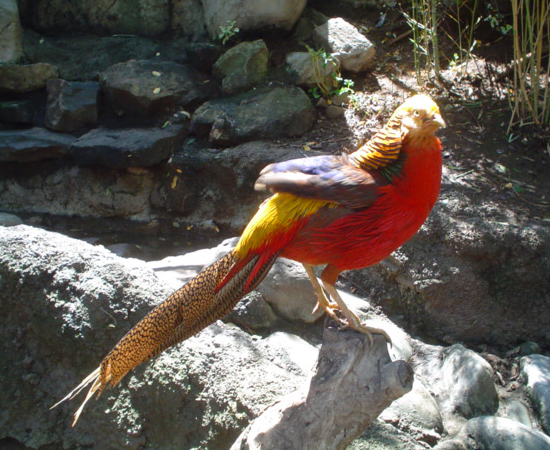
Chilean National Zoo The Zoológico Nacional in Santiago, Chile, stands as a testament to the country's dedication to wildlife conservation and education.
-
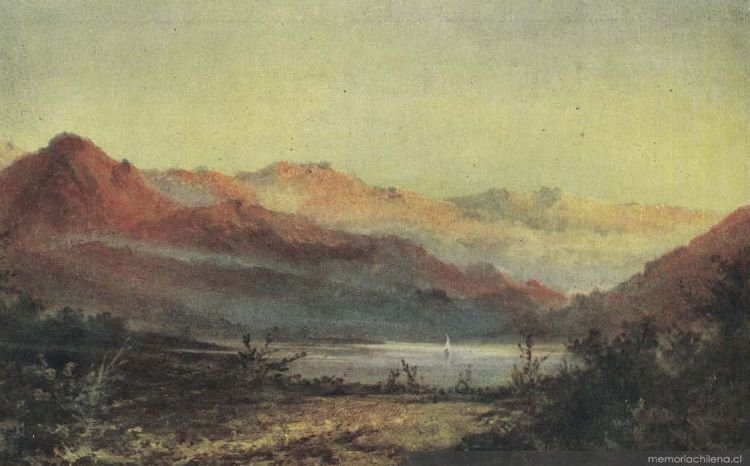
National Library of Chile The National Library of Chile (Biblioteca Nacional de Chile), located in the heart of Santiago at Avenida Libertador Bernardo O’Higgins 651, stands as a…
-
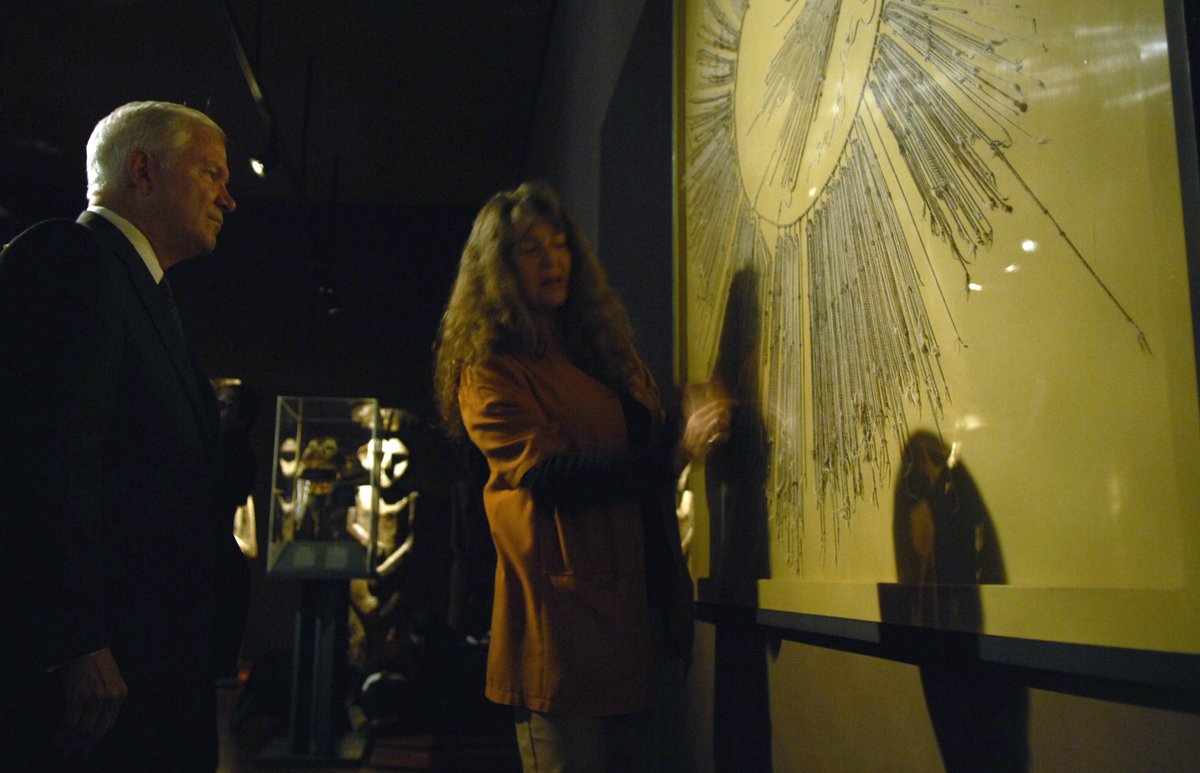
Chilean Museum of Pre-Columbian Art The Palacio de la Real Aduana de Santiago, located in the bustling heart of Santiago, Chile, stands as a monumental edifice of immense historical,…
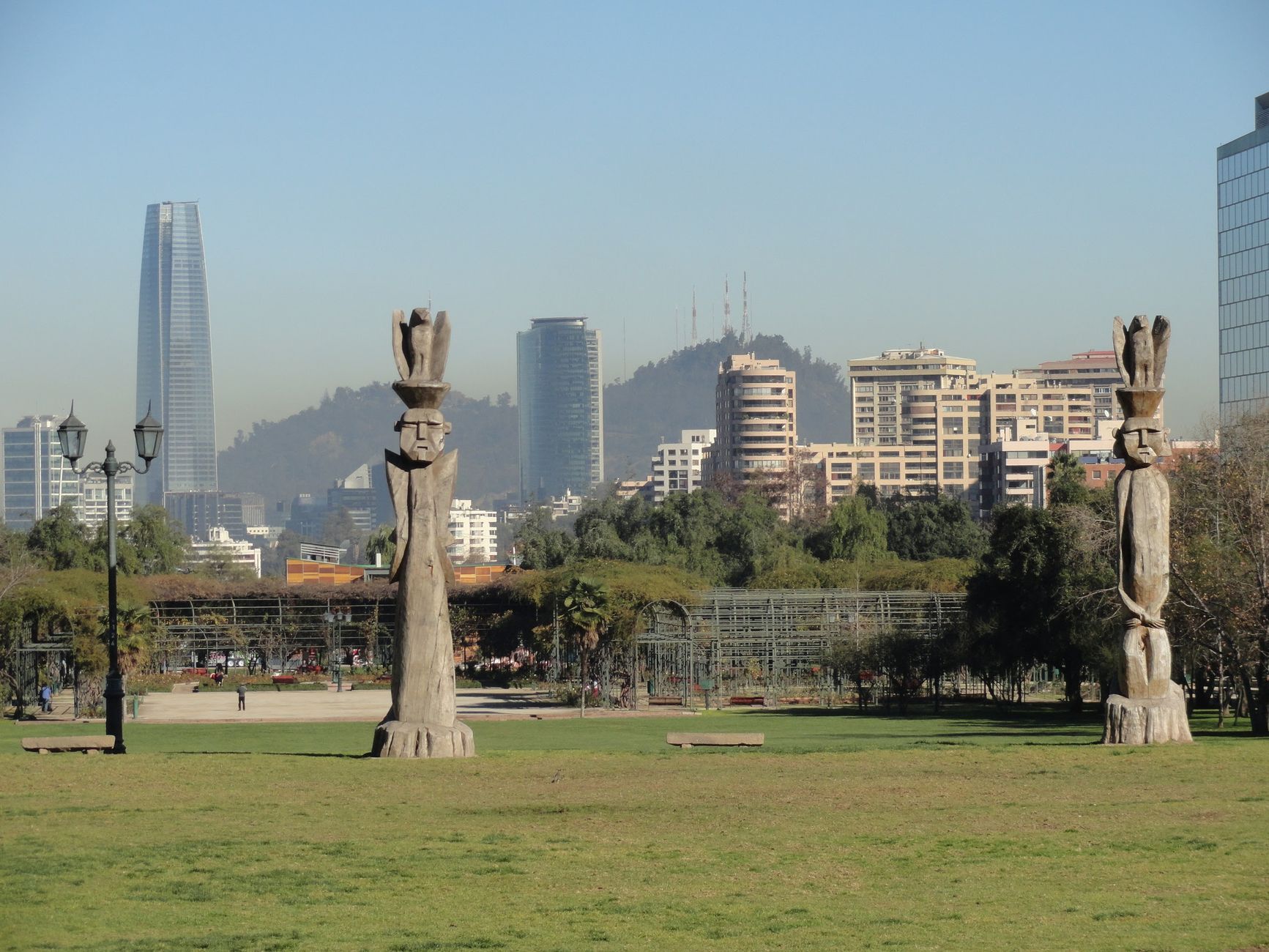
- Costanera Center The Costanera Center in Santiago, Chile, stands as a beacon of modernization and economic growth in the heart of the Providencia district.
Neighborhoods
Where to wander, by quarter — each with its own rhythm.
Barrio Italia
Santiago's most exciting food and design neighborhood runs along Avenida Italia and Calle Condell, where former warehouses now house mid-century furniture restorers, natural wine bars, and some of the city's best kitchens — Ambrosía and 99 Restaurante among them. Antique dealers spill onto sidewalks at the weekend Feria Biobío Italia. The crowd skews 25-to-40, creative-professional, and the energy is more Berlin-Kreuzberg than tourist trail. Go Tuesday through Thursday to avoid weekend overflow.Barrio Lastarria
Santiago's Left Bank: a compact pedestrian quarter between the Alameda and Parque Forestal where Sunday artisan fairs, terrace wine bars, and independent bookshops cluster around cobblestone streets. The Museo Nacional de Bellas Artes and GAM cultural center anchor the arts scene. Fuente Alemana, a sandwich counter unchanged since 1955, serves the city's definitive chacarero — beef, green beans, tomato, and hot pepper in a soft roll. More polished than Barrio Italia, more walkable than Bellavista.Bellavista
The historic bohemian quarter at the foot of Cerro San Cristóbal splits into two personalities: lower Bellavista along Calle Loreto, with Pablo Neruda's house La Chascona, wine bars, and street art tours departing from the Pío Nono bridge; and upper Bellavista along Pío Nono itself, which after midnight on weekends becomes Santiago's loudest nightlife strip. La Piojera, the self-proclaimed "dump of dumplings," is here — order a terremoto (pineapple ice cream drowned in sweet pipeño wine) and accept the consequences.Barrio Yungay
One of Santiago's oldest neighborhoods and still one of its most authentic. The Sunday Feria Yungay draws secondhand book hunters and vinyl collectors. Cueca brava — the raw, working-class version of Chile's national dance — has been revived in the local bars and cultural centers. A sizable Peruvian immigrant community means some of the city's best ceviche and ají de gallina comes from unmarked storefronts with hand-written signs. The crumbling Palacio Astoreca gives you a sense of what Santiago's elite left behind when they moved east.Barrio Patronato
Santiago's immigrant district stretches across nine city blocks of textile shops — the largest fabric market in Chile — anchored by Korean, Palestinian, and Chinese communities. Chile hosts the largest Palestinian diaspora outside the Arab world, and here shawarma joints sit directly beside Korean bibimbap restaurants and Chinese noodle houses. It is a genuine multicultural food quarter entirely absent from standard tourist itineraries, and a reminder that Santiago's identity extends well beyond Spanish colonial roots.Centro Histórico
The founding core around Plaza de Armas still hums with the energy of street chess players, shoeshiners, and office workers streaming toward Bar Nacional for a cazuela lunch. The Museo Chileno de Arte Precolombino, housed in the old Royal Customs building, holds one of Latin America's finest indigenous art collections. Beneath the Palacio de La Moneda, the underground Centro Cultural Palacio La Moneda — white geometric volumes carved into the earth by architect Cristián Undurraga — hosts world-class touring exhibitions. The Correo Central post office still operates from a French neo-Renaissance palace built in 1882; ask to see the inner courtyard.Ñuñoa
The neighborhood Santiaguinos recommend when they say "not where tourists go." Plaza Ñuñoa is ringed with jazz bars, theater companies, and restaurants that serve a proper cazuela without translating the menu. Club de Jazz de Santiago operates here. Saturday mornings bring a small market to the plaza. The energy is couples and young professionals — quieter than Bellavista, more residential than Barrio Italia, and entirely unconcerned with visitor expectations.Barrio Franklin
The emerging frontier. On weekends, the massive Feria Biobío flea market fills blocks with antiques, military surplus, vintage electronics, and outright junk — Santiago's answer to the Marché aux Puces. The surrounding streets have become the city's craft beer hub, with brewpubs and mezcal bars opening in converted warehouses. Rougher-edged and not yet in most guidebooks, Franklin is where Santiago's next cultural shift is being brewed, quite literally.
Plan your trip
Before you go
- Getting There
- Arturo Merino Benítez International Airport (SCL) sits 18 km west of downtown in Pudahuel. No metro line reaches the airport — the cheapest transfer is the Centropuerto bus (around CLP 2,800) to Pajaritos Metro station, then Line 5 into the center. Uber and Cabify run CLP 15,000–25,000 to Providencia; official airport taxis cost more but offer fixed-price zones prepaid at the arrivals kiosk.
- Getting Around
- Metro de Santiago runs 7 lines across roughly 140 stations — clean, air-conditioned, and the backbone of the city. You'll need a Bip! card (CLP 1,500 deposit, sold at any metro station) for both the metro and RED bus network; no cash accepted on buses. Peak metro fare hovers around CLP 810, dropping to CLP 680 on evenings and weekends. Every Sunday, the CicloRecreoVía closes 42 km of major avenues to cars — the entire Alameda-Providencia corridor becomes a cycling lane.
- Climate & Best Time
- Mediterranean climate: dry summers hit 30°C in January with persistent smog, while winters (June–August) bring rain, 12°C highs, and the clearest Andes views after storms. The sweet spots are October–November (spring wildflowers, 22–26°C, low crowds) and March–April (harvest season, golden light, cooling to 22–27°C). Avoid January–February if you dislike heat haze and Chilean holiday crowds.
- Language & Currency
- Chilean Spanish is famously fast, consonant-dropping, and laced with slang — 'cachai?' (get it?) and 'al tiro' (right away) are everywhere. English is reliable in Providencia and Las Condes hotels but scarce at street level; download Google Translate's offline Spanish pack. The Chilean Peso (CLP) trades at roughly 950–1,000 per USD. Use bank-branch ATMs (BancoEstado, Banco de Chile) and avoid standalone Multicaja machines, which charge up to CLP 10,000 per withdrawal.
- Safety
- Santiago ranks among South America's safer capitals, but phone snatching is the primary tourist risk — never walk while scrolling. Providencia, Las Condes, and Barrio Lastarria feel comfortable day and night; Santiago Centro around Plaza de Armas needs more caution after 21:00, and the Estación Central bus terminal area is a known hotspot for bag theft. Use Uber or Cabify rather than street taxis, and watch for the classic 'plainclothes police' scam where someone asks to inspect your wallet — real Chilean officers never do this.
03 Top tickets in Santiago.
Book ahead
Curated from places in this city. Same price as official sites.

Chilean Museum Of Pre-Columbian Art
Cable Car, Funicular and Sightseeing Bus in Santiago one day
★4.9
from €51.80

Chilean Museum Of Pre-Columbian Art
Cable Car, Funicular and Sightseeing Bus in Santiago two days
★4.8
from €59.58

Chilean Museum Of Pre-Columbian Art
Discover Santiago: Tourist Bus, Cerro San Cristobal and Wine
★4.6
from €99.29

Centro Cultural La Moneda
The best walking tour in Santiago de Chile
★4.9
from €34.54

Plaza De Armas (Santiago)
A Fabulous Walking tour by the Old Santiago of Chile -
★4.9
from €21.71

Centro Cultural La Moneda
Santiago Half-Day Walking Tour with Hotel Pick up & Food Sample
★4.8
from €50.94
Prices shown are indicative — final pricing and availability are confirmed at checkout. Audiala may receive a commission from bookings made via these links.
Between the Andes and Upheaval
From Inca waystation to Latin America's most contested capital
- c. 1441
Inca Roads Reach the Mapocho Valley
Topa Inca Yupanqui pushes the empire's southern frontier into central Chile, establishing a tambo and agricultural outposts along the Mapocho River. The valley's indigenous Picunche people — sedentary farmers, not warriors — are absorbed into Inca tributary networks without major resistance. The hilltop that will become Cerro Santa Lucía serves as a huaca, a sacred lookout. When the Spanish arrive a century later, they find irrigation canals already carved into the land.
- 1541
Pedro de Valdivia Founds Santiago
On February 12, the Spanish conquistador Pedro de Valdivia stands atop the rocky hill he names Santa Lucía and declares the founding of Santiago del Nuevo Extremo. He lays out a grid of 126 blocks around a central plaza — the same Plaza de Armas that anchors the city today. Within six months, Mapuche forces under Michimalonco burn the settlement to the ground. Valdivia rebuilds. The pattern of destruction and stubborn reconstruction will define Santiago for centuries.
- 1647
The Great Earthquake Flattens the City
On May 13, an earthquake estimated at magnitude 8.5 destroys nearly every building in Santiago. Churches collapse during evening mass; at least 600 people die in a city of barely 5,000. The Cristo de Mayo crucifix in the Church of San Agustín survives with only its crown of thorns slipped to its neck — a miracle, the faithful say. It remains the city's most venerated relic. Colonial Santiago learns to build lower and thicker, hugging the ground against the next tremor.
- 1748
Casa de Moneda Rises in Stone
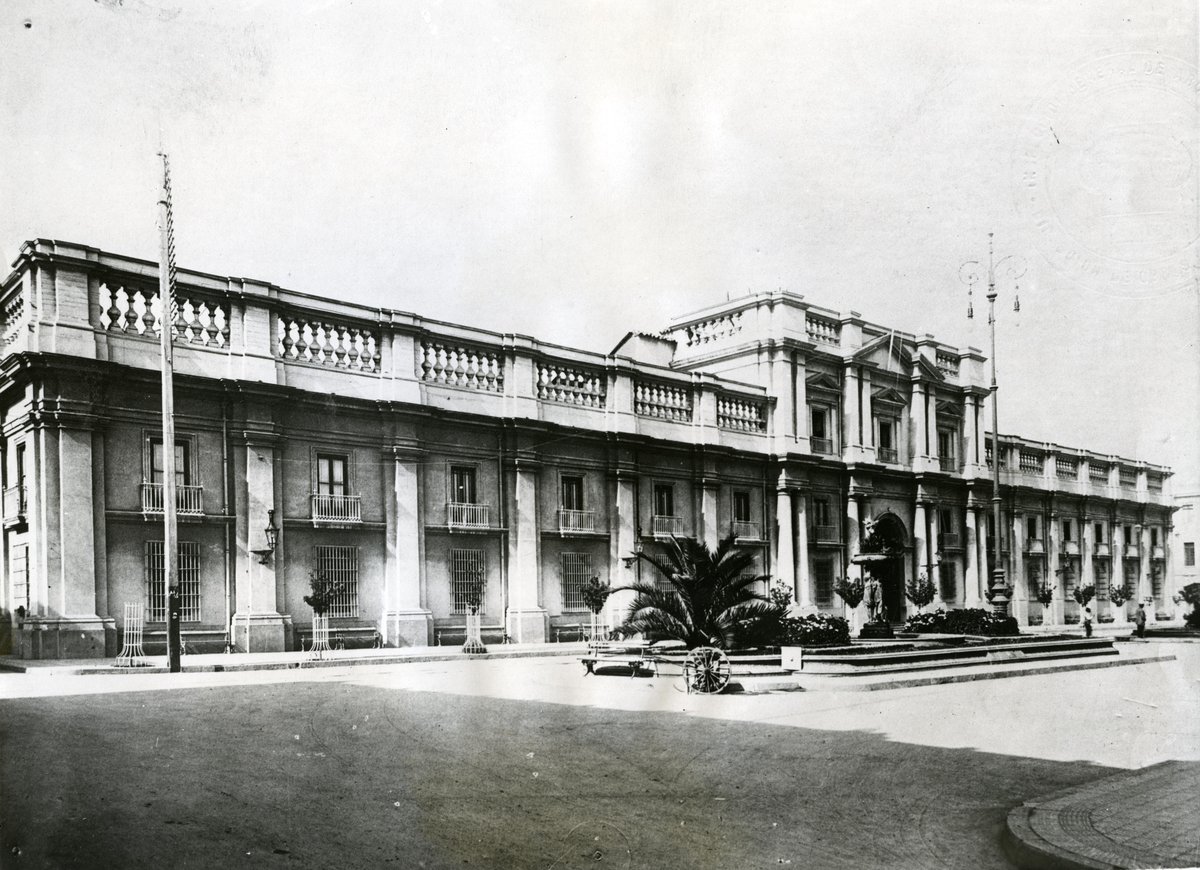
Italian architect Joaquín Toesca begins work on the Casa de Moneda — the royal mint — a neoclassical block so solidly built it survives every earthquake since. By independence it becomes the seat of government, La Moneda, and remains so today. Toesca also designs the Metropolitan Cathedral on Plaza de Armas. Between these two buildings, he gives colonial Santiago its only architecture that will last.
- 1781
Andrés Bello, Future Architect of a Nation
Born in Caracas, Bello arrives in Santiago decades later as a Venezuelan exile and proceeds to build Chilean intellectual life from scratch. He founds the Universidad de Chile in 1842, drafts the Civil Code that still underpins Chilean law, and writes the grammar textbook used across Spanish America. He is buried in the Metropolitan Cathedral — a foreigner who became the bedrock of his adopted city's civic culture.
- 1810
The First Junta Breaks with Spain
On September 18, Chilean creoles gather in Santiago and establish an autonomous governing junta, ostensibly loyal to the imprisoned Spanish king but in practice the first step toward independence. The date becomes Chile's national holiday — Fiestas Patrias — celebrated every September with empanadas, chicha, and cueca dancing in every park and plaza. The actual fighting, though, is still seven years away.
Show the full timeline (24 moments)
- 1817
San Martín and O'Higgins Liberate the Capital
After crossing the Andes with 5,000 troops in one of military history's great forced marches, José de San Martín and Bernardo O'Higgins defeat the royalists at Chacabuco, 60 kilometers north of Santiago. The liberating army enters the capital on February 14. O'Higgins becomes Supreme Director; the city's main boulevard — the Alameda — will bear his name. San Martín, characteristically, declines power and moves on to liberate Peru.
- 1863
The Church of the Compañía Burns
On December 8, during the Feast of the Immaculate Conception, fire engulfs the Jesuit Church of the Compañía packed with 3,000 worshippers. The doors open inward; the crowd crushes against them. Between 2,000 and 3,000 people die — mostly women, as was custom for the evening service. It remains one of the deadliest structural fires in history. The disaster leads to Chile's first fire codes and the founding of volunteer fire brigades that still operate today.
- 1872
Cerro Santa Lucía Becomes a Park
Intendant Benjamín Vicuña Mackenna transforms the barren rocky hill where Valdivia founded the city into an elaborate public park with fountains, terraces, a Gothic castle, and winding paths lined with European statuary. It is Latin America's first major urban renovation project, modeled on Haussmann's Paris. Vicuña Mackenna also builds a ring road separating 'civilized' Santiago from its working-class outskirts — a social divide the city has never fully closed.
- 1904
Pablo Neruda Is Born
Ricardo Eliécer Neftalí Reyes Basoalto arrives in the world in Parral, but Santiago becomes the stage for his political and poetic life. His house La Chascona, built in Bellavista for his third wife Matilde Urrutia, cascades down a hillside in a whimsical labyrinth of low ceilings, secret passages, and collections of ship figureheads. Soldiers ransack it during the 1973 coup; his funeral cortège through Santiago's streets becomes the first public act of resistance against the dictatorship.
- 1910
Centennial Building Boom Reshapes Downtown
Chile's independence centennial triggers a wave of construction meant to prove Santiago belongs among world capitals. The Museo Nacional de Bellas Artes opens in a Beaux-Arts palace in Parque Forestal, modeled on the Petit Palais in Paris. The Mapocho Station, Biblioteca Nacional, and Barrio París-Londres all date from this era. Nitrate export wealth pays for it all — a fortune that will evaporate within two decades.
- 1911
Roberto Matta, Surrealism's Chilean Voice
Born into a Santiago family of Basque-French descent, Roberto Matta studies architecture at the Universidad Católica before leaving for Paris, where he works under Le Corbusier and falls in with André Breton's Surrealists. His enormous canvases — cosmic, explosive, full of biomorphic forms — influence Abstract Expressionism in New York. Though he spends most of his life abroad, his work fills the Museo Nacional de Bellas Artes, and Santiago claims him as its most significant painter.
- 1917
Violeta Parra, Soul of Chilean Song
Born in San Carlos, Violeta Parra moves to Santiago as a teenager and spends decades collecting folk songs from the Chilean countryside, performing in the working-class peñas of Barrio Yungay and beyond. She writes 'Gracias a la Vida,' one of the most recorded songs in the Spanish language. She dies in Santiago's La Reina district in 1967. The Violeta Parra Museum near the Mapocho River now holds her tapestries, paintings, and the guitar she carried everywhere.
- 1943
Santiago's Metro Is First Proposed
French urban planners propose an underground rail system for Santiago, but it takes nearly three decades to materialize. When the Metro finally opens its first line in 1975 — running beneath the Alameda — it transforms the city's commuting patterns and becomes Latin America's most efficient subway system. Today it carries over 2.5 million passengers daily across seven lines, and its stations double as art galleries.
- 1960
The Great Chilean Earthquake
On May 22, the most powerful earthquake ever recorded — magnitude 9.5 — strikes near Valdivia, 800 kilometers south of Santiago. The capital shakes violently but is spared the worst destruction. The quake kills over 5,000 people nationwide and triggers tsunamis across the Pacific. Santiago's building codes are rewritten yet again, producing the seismic engineering expertise that today makes Chilean skyscrapers among the world's most earthquake-resistant.
- 1970
Allende Wins the Presidency
Salvador Allende becomes the world's first democratically elected Marxist head of state, winning with 36.3% of the vote in a three-way race. Santiago's streets fill with supporters singing Víctor Jara songs and waving red flags. Allende nationalizes copper mines, accelerates land reform, and sends milk trucks to poor neighborhoods. The economy spirals; CIA-backed destabilization accelerates the crisis. Three years of hope and turmoil end at the gates of La Moneda.
- 1973
The Coup: La Moneda Burns
On September 11, Hawker Hunter jets bomb the presidential palace. Salvador Allende dies inside — by his own hand, the evidence suggests. General Augusto Pinochet seizes power. Within days, thousands are detained in the Estadio Nacional and Estadio Chile, where folk singer Víctor Jara is tortured and murdered, his hands broken before he is shot. The 17-year dictatorship that follows kills over 3,000 people and exiles tens of thousands. Santiago becomes a city of curfews, disappearances, and whispered conversations.
- 1985
Another Earthquake Tests the City
A magnitude 7.8 earthquake strikes central Chile on March 3, killing 177 people and leaving 180,000 homeless. In Santiago, older adobe buildings in working-class neighborhoods collapse while modern high-rises ride out the shaking. The disparity in damage exposes the sharp class divide built into the city's architecture — a divide that persists into the 21st century.
- 1988
The Plebiscite: Chile Votes No
On October 5, Chileans vote in a plebiscite on whether Pinochet should remain in power. The 'No' campaign — creative, joyful, deliberately non-violent — wins with 55.99% of the vote. Santiago erupts in celebration. Patricio Aylwin wins the subsequent presidential election in 1989, and democracy returns. The transition is negotiated, imperfect, compromised — Pinochet remains army commander until 1998 — but the night of the 'No' vote remains the most emotionally charged moment in modern Santiago's memory.
- 2003
Museo de la Memoria Conceived
After decades of contested memory, Chile begins planning a museum dedicated to the human rights violations of the Pinochet era. The Museo de la Memoria y los Derechos Humanos opens in 2010 near Quinta Normal, a glass-and-copper building that houses testimonies, photographs, and personal effects of the disappeared. Admission is free. Visitors leave in silence. It becomes one of the most important human rights museums in the world — and remains politically contentious in a country that has never fully agreed on how to remember.
- 2010
The 8.8 Earthquake and Santiago's Resilience
On February 27, a magnitude 8.8 earthquake — the sixth largest ever recorded — strikes at 3:34 a.m. In Santiago, buildings sway for three minutes. A few modern high-rises suffer structural damage; one apartment tower in Maipú tilts visibly. But the city holds. Chile's strict seismic codes, forged through centuries of earthquakes, prevent the catastrophic collapse seen in similar quakes elsewhere. The death toll nationwide is 525 — devastating, but a fraction of what less-prepared cities would suffer.
- 2017
Costanera Center Crowns the Skyline
The Gran Torre Santiago — at 300 meters, the tallest building in Latin America — opens its observation deck. The glass tower dominates the skyline from every angle, a monument to the neoliberal economic model Chile adopted under Pinochet and refined under democracy. From the top, on a clear winter day after rain has scrubbed the smog, you can see the Andes in terrifying proximity: a wall of rock and ice that reminds you Santiago exists at the pleasure of geology.
- 2019
The Estallido Social Erupts
On October 18, a metro fare increase of 30 pesos — about four U.S. cents — ignites the largest protests in Chilean history. Over a million people march down the Alameda to Plaza Italia, renamed Plaza Dignidad by the movement. The protests are about inequality, pensions, healthcare, education — everything the 30 pesos symbolize. Street art explodes across the city; murals cover every surface around the plaza. The police response is brutal: thousands injured, hundreds blinded by rubber bullets. Chile votes to write a new constitution. The old one, inherited from Pinochet, is finally challenged.
- 2022
The Constitutional Gamble Fails
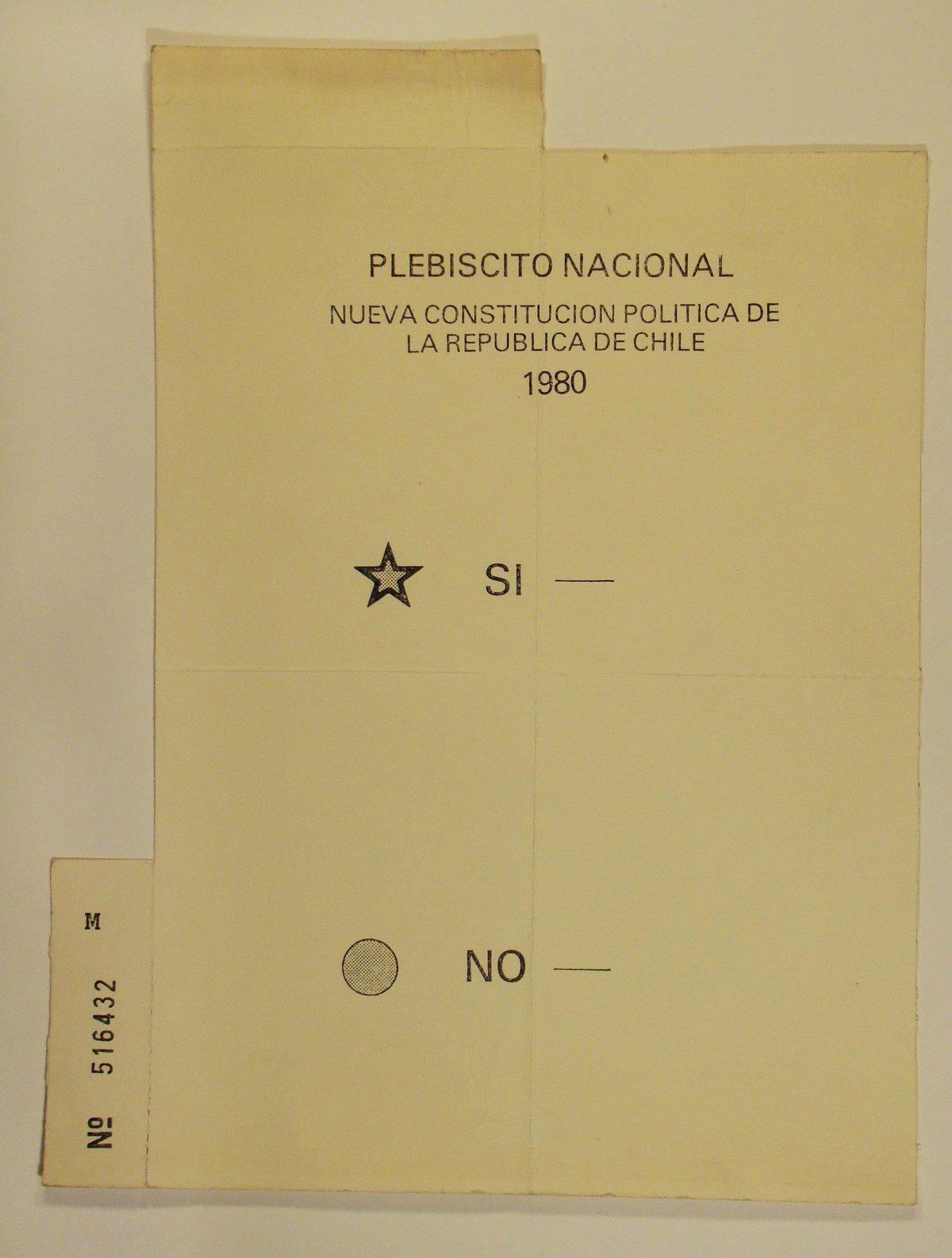
After a year of drafting by an elected convention, Chileans reject the proposed new constitution by 62% in a mandatory plebiscite on September 4. The document — progressive, Indigenous rights–centered, environmentally ambitious — proves too radical for a centrist electorate. Santiago's Plaza Dignidad falls quiet. A second attempt, drafted by a right-leaning body, is also rejected in 2023. Chile remains governed by the 1980 constitution, amended but undefeated. The estallido's energy dissipates into constitutional fatigue.
Who lived here
-
Poet · 1904–1973
Pablo Neruda
Lived and died here
Neruda built La Chascona in Santiago's Bellavista neighborhood in secret for his lover, hiding it from his wife behind a rocky hillside. He died in the city twelve days after the 1973 coup that destroyed the government he had supported — his funeral a quiet, dangerous act of resistance. The house is now a museum where his Nobel Prize medal sits in a room that still feels lived-in, not curated.
-
Folk Musician & Visual Artist · 1917–1967
Violeta Parra
Lived and died here
Parra spent years travelling Chile's countryside to recover folk songs no one else was recording, then brought them back to Santiago and ignited the Nueva Canción movement that gave voice to a generation of dissent. She died by suicide in a tent in La Reina, a suburb of Santiago, in 1967 — six years before the coup would kill many of the musicians she had inspired. Her song 'Gracias a la Vida' is now effectively the country's second national anthem.
-
President of Chile · 1908–1973
Salvador Allende
Governed and died here
The world's first democratically elected Marxist head of state governed from La Moneda palace until September 11, 1973, when he died there during Pinochet's coup. He is buried in the General Cemetery, and the plaza outside La Moneda — still called Plaza Dignidad by the people who renamed it during the 2019 uprising — carries the memory of both his death and the revolution that echoed it fifty years later.
-
Singer-Songwriter & Theater Director · 1932–1973
Víctor Jara
Murdered here
Jara was arrested days after the 1973 coup and taken to the Estadio Chile — a sports arena in central Santiago — where soldiers broke his hands and then killed him. His songs circulated clandestinely on cassettes throughout the dictatorship, which made them more powerful than they had been when legal. The stadium was renamed Estadio Víctor Jara in 2003, and stands in the city as the sharpest possible monument to what was lost.
-
Poet & Educator · 1889–1957
Gabriela Mistral
Lived and worked here
Mistral arrived in Santiago as a schoolteacher from the northern Elqui Valley and became the city's greatest literary export — the first Latin American to win the Nobel Prize in Literature, in 1945. The city named its main cultural center after her: the GAM on the Alameda, where free exhibitions and experimental theater now fill the building. She died in New York but her moral authority — and Chile's pride in it — belongs permanently to this city.
-
Painter · 1911–2002
Roberto Matta
Born here
Santiago gave Matta his architectural education — he trained under Le Corbusier — before surrealism claimed him and he left for Paris and New York in 1934, never really returning. He became one of the movement's most singular voices, making paintings that looked like the insides of machines or the edges of consciousness. The Museo Nacional de Bellas Artes in Parque Forestal holds his work, in the city that formed him without ever quite knowing what it had.
-
Independence Leader & Liberator · 1778–1842
Bernardo O'Higgins
Governed from here
O'Higgins led the liberation of Chile from Spanish rule alongside José de San Martín and became the country's first Supreme Director, ruling from Santiago. The city's main artery — Avenida Libertador Bernardo O'Higgins, universally called 'La Alameda' — carries his name along its entire length, though most Santiaguinos say it without a second thought. He was eventually exiled to Peru, where he died; his bones returned to Santiago in 1869.
-
Novelist · born 1942
Isabel Allende
Lived here; fled after 1973 coup
Allende grew up and worked in Santiago as a journalist until the coup that killed her uncle, President Salvador Allende, forced her into exile in Venezuela. She wrote 'The House of the Spirits' — set in a fictional Santiago drawn from intimate memory — from that exile in 1982, and it made the city's social world of the twentieth century legible to millions of readers who had never set foot there. Decades later, she has described pre-coup Santiago as the emotional geography she has never fully left.
Where to Eat
Where locals actually book dinner — not the tourist menus.
Insider tips
Small things that change how the city treats you.
Eat Lunch, Not Dinner
Top restaurants including Boragó and Ambrosía offer set lunch menus at a fraction of dinner prices — CLP 8,000–15,000 for what would cost three times more at night.Skip Monday Seafood
Fish markets receive deliveries Tuesday through Saturday; Monday ceviche and seafood at Santiago restaurants is not fresh — a rule locals follow without exception.Get a Tarjeta Bip
Buy a Bip! card on arrival for Santiago's clean, cheap metro — Line 1 (red) connects nearly every neighborhood of interest and runs until 1am on weekends.Time Your Andes View
June–August smog from thermal inversion often obscures the mountains for weeks; after rain or in September–October and March–April, the snow-capped Andes are fully visible from downtown.La Vega Over Mercado Central
Mercado Central is where tour groups eat; La Vega Central, directly across the Mapocho River, is where Santiaguinos actually shop — 30–40% cheaper, fresher produce, and a legendary juice court inside.Pisco Sour Protocol
Never suggest Peruvian pisco is better in front of a Chilean — the debate is genuinely emotional. Order a terremoto (pineapple ice cream dissolved into pipeño wine) at Fuente Mardoqueo at least once.Santiago Goes Late
Restaurants fill properly at 10pm, bars peak at midnight, and clubs don't start before 2am — arrive too early and you'll be eating alone in an empty room.September is Everything
Fiestas Patrias (September 18–19) closes the city for 4–5 days but opens it to cueca dancing, empanadas, chicha, and fondas in Parque O'Higgins — the single best cultural experience available to a visitor.
Gallery
The city, as it actually looks.
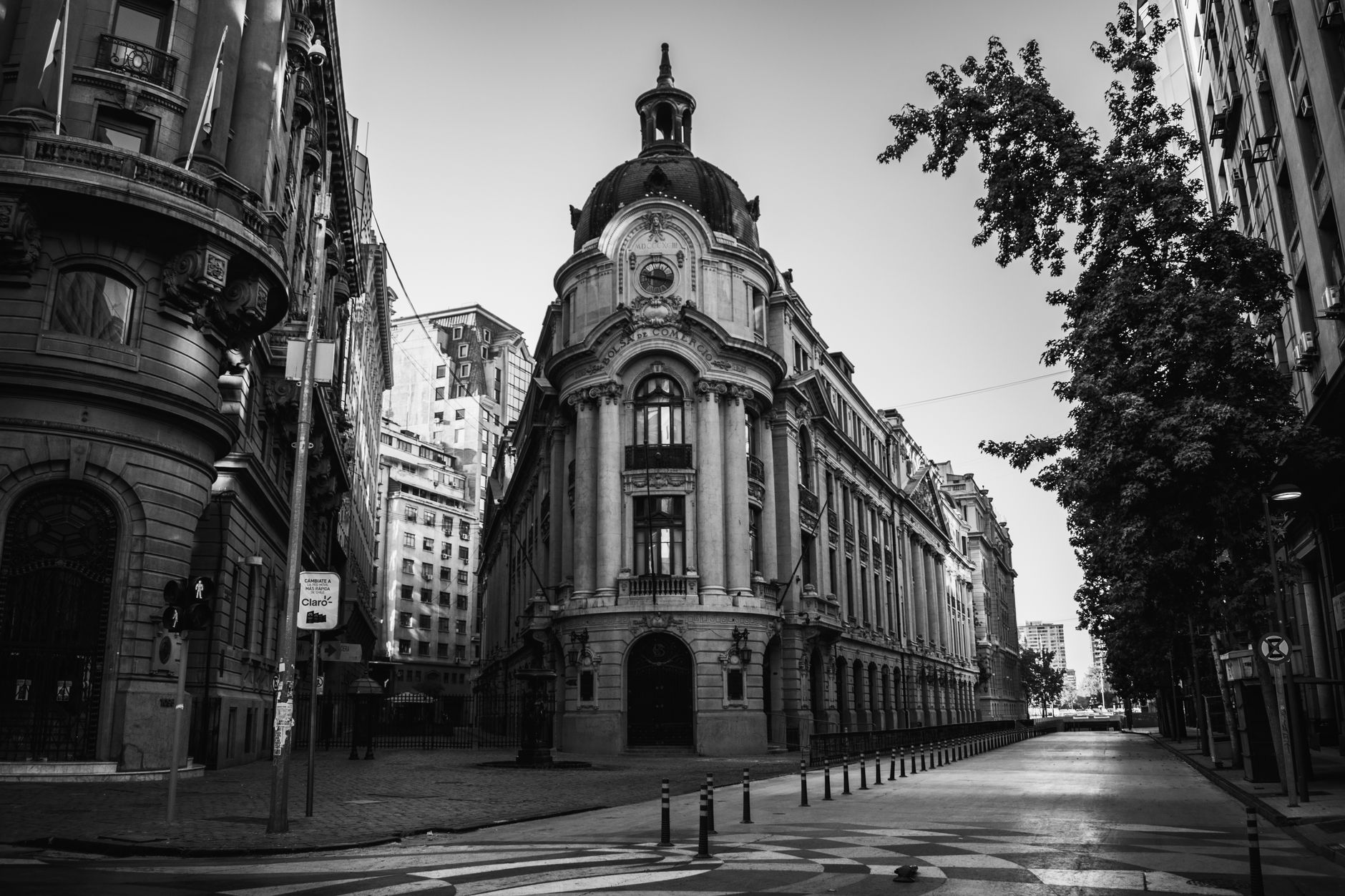


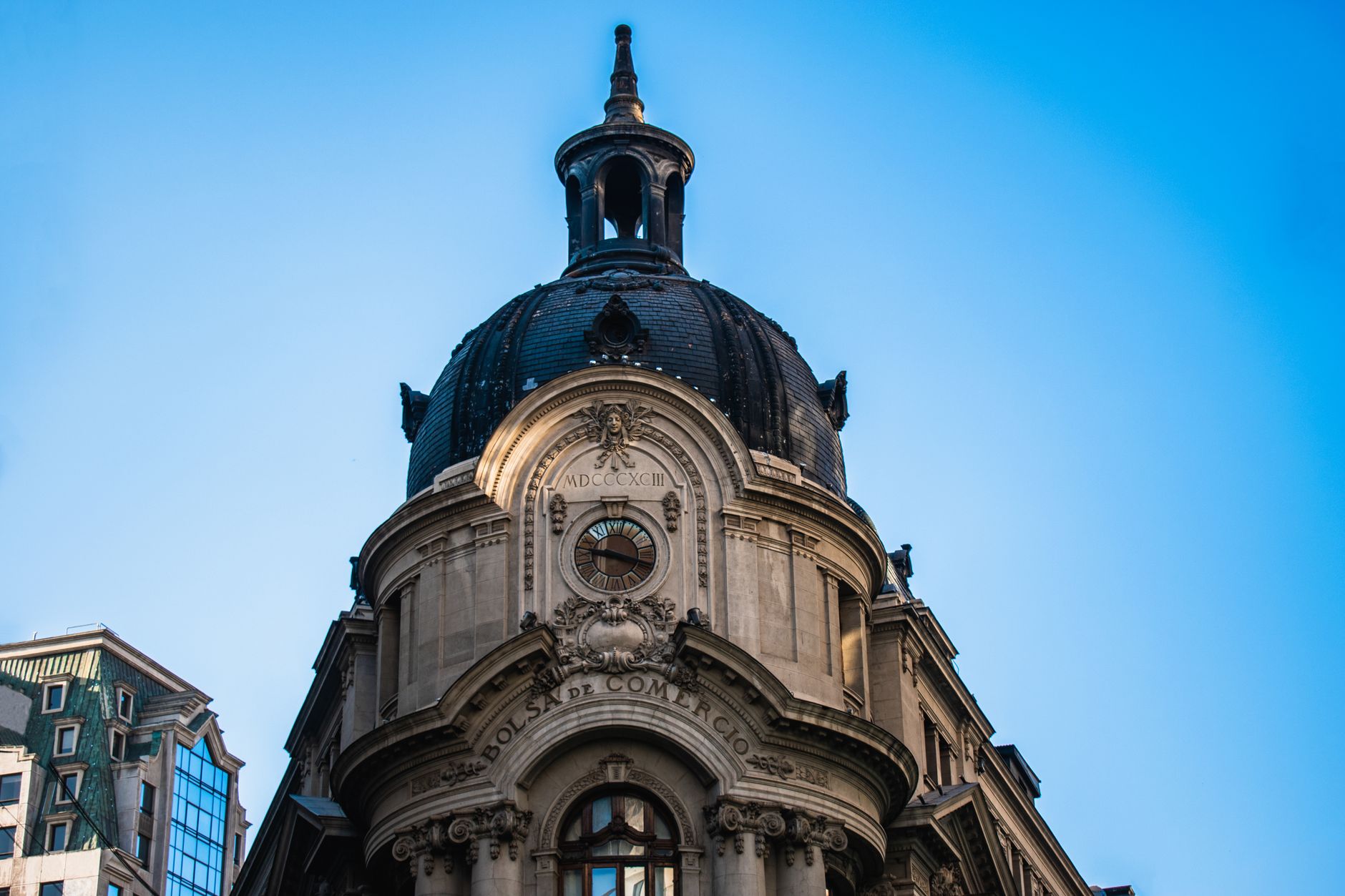


Watch
Frequently asked
Is Santiago worth visiting?
Yes — and it consistently exceeds expectations. The city has world-class restaurants (Boragó ranks in Latin America's top 10), Pablo Neruda's and Violeta Parra's homes open as museums, street art from the 2019 social uprising, and the snow-capped Andes visible from downtown on a clear day. It's also significantly cheaper than Buenos Aires or São Paulo for comparable quality.
How many days do you need in Santiago?
Four to six days is the right window. Two days covers the historic center, Cerro San Cristóbal, and the key museums; another two for Barrio Italia, Bellavista, and La Vega; a fifth day works well for a trip to Cajón del Maipo canyon or Valparaíso, 90 minutes west by bus.
How do I get from Santiago airport to the city center?
The Centropuerto bus (CLP 2,400–2,800) runs 24 hours and connects to Pajaritos and Los Héroes metro stations — the cheapest and most reliable option. Uber is available from the arrivals area and runs roughly CLP 15,000–25,000 off-peak, far less than the official taxi rank at the door.
Is Santiago safe for tourists?
The neighborhoods tourists visit — Providencia, Barrio Italia, Lastarria, Bellavista — are generally safe during the day and evening. Pickpocketing in crowded areas like Plaza de Armas and on the metro is the main risk; keep phones out of sight and use a money belt. Barrio Franklin and Matta warrant more caution after dark.
What is the best time of year to visit Santiago?
September–October (spring) and March–April (autumn) are the best windows: mild temperatures, low smog, and the Andes fully visible. June–August brings cold air and heavy smog from thermal inversion that can obscure the mountains for weeks. September also coincides with Fiestas Patrias on the 18th and 19th — the country's biggest cultural event.
How expensive is Santiago compared to other South American cities?
Mid-range by regional standards — cheaper than Buenos Aires for accommodation and fine dining, pricier than Lima or Bogotá. A set lunch at a serious restaurant costs CLP 8,000–15,000 (roughly USD 8–15); budget travelers can eat extremely well at La Vega Central and street stalls for under USD 5.
What is Santiago famous for?
Santiago is the capital of a country that produced two Nobel literature laureates (Neruda and Mistral), invented the Nueva Canción protest-folk movement (Víctor Jara, Violeta Parra), and hosts one of Latin America's most celebrated restaurants (Boragó). It also carries the weight of the 1973 coup — the Museo de la Memoria makes that history impossible to ignore.
Do I need to speak Spanish in Santiago?
Spanish helps significantly outside tourist corridors. In Barrio Italia, Lastarria, and most hotel-facing businesses, English is workable. At La Vega Central, local restaurants, and anything off the main drag, vendors speak little or no English — Google Translate's camera feature is genuinely useful for menus.
All Places to Visit.
118 places to discover
Place
Fantasilandia

Place
Parque Araucano
Place
Chilean National Museum of Fine Arts
Place
Parque Brasil
Place
Estadio Monumental
Place
Chilean National Zoo
Place
National Library of Chile
Place
Chilean Museum of Pre-Columbian Art
Place
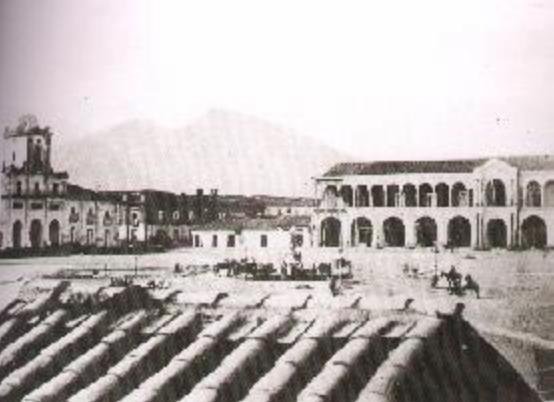
Plaza De Armas (Santiago)
Place
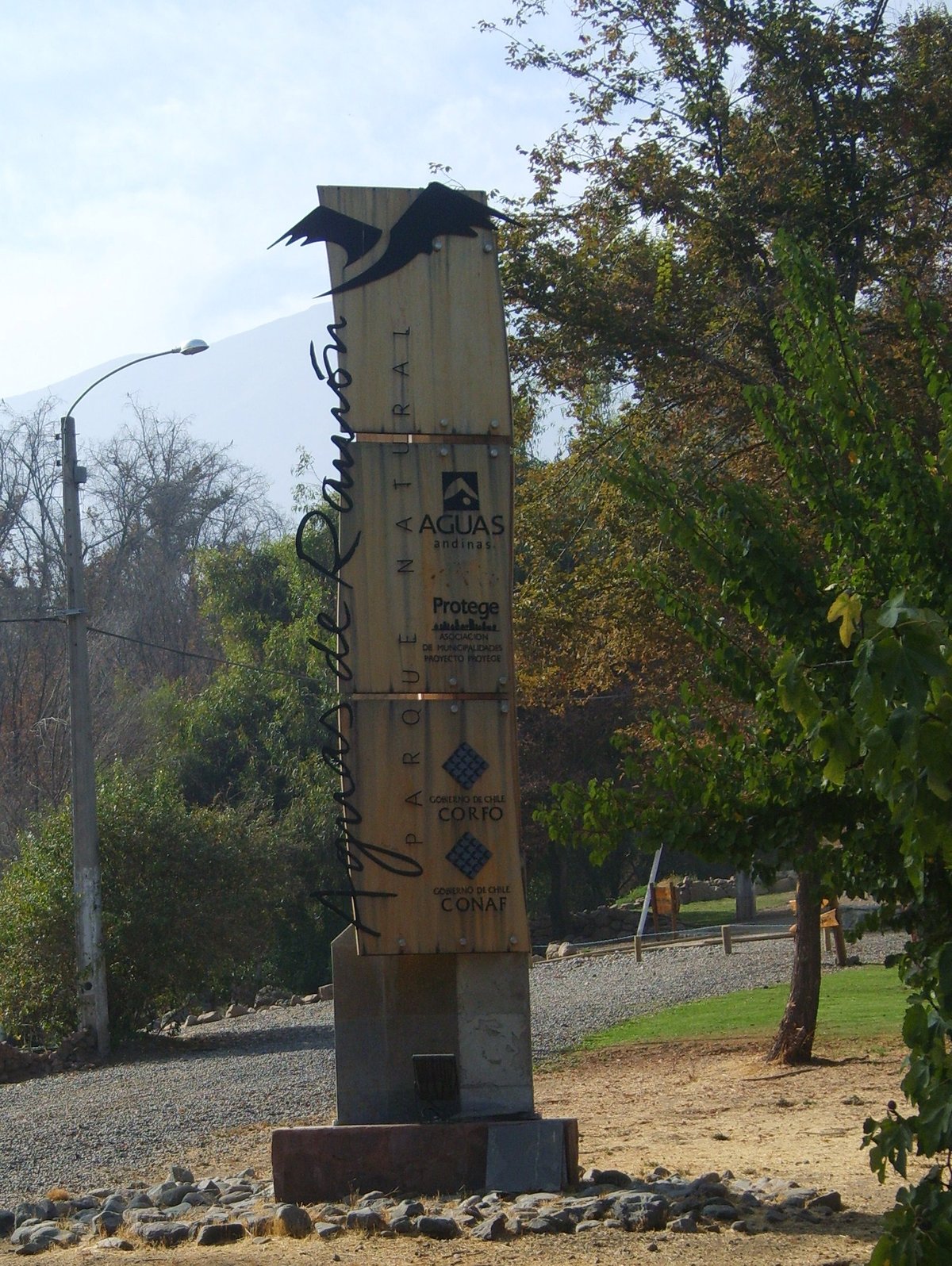
Parque Natural Aguas De Ramón
Place
San Miguel
Place
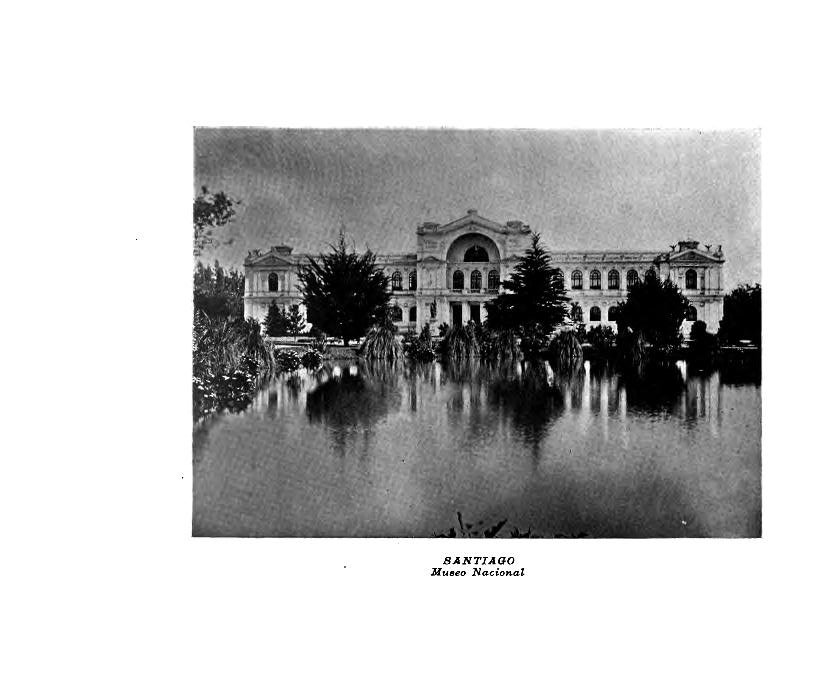
Chilean National Museum of Natural History
Place
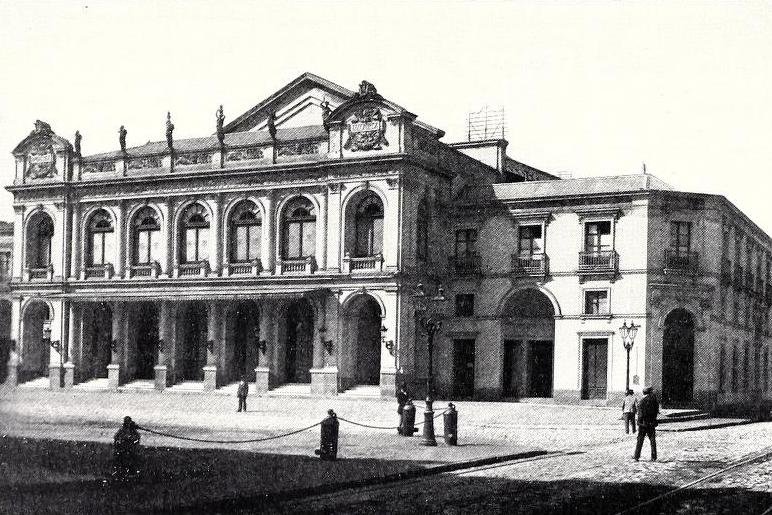
Municipal Theatre of Santiago
Place
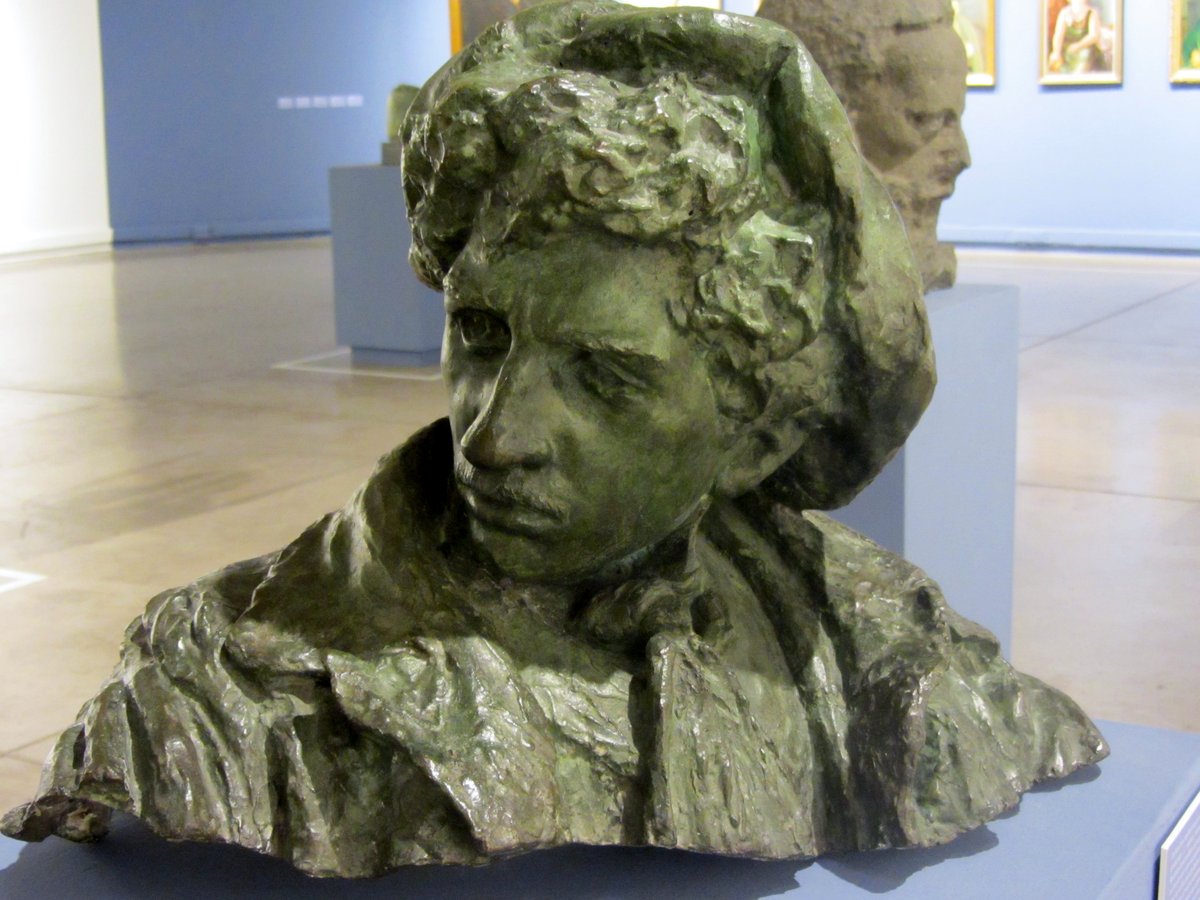
Santiago Museum of Contemporary Art

Place
Museo Parque De Las Esculturas De Providencia
Place
Chilean National History Museum
Place
La Chascona
Place
Museum of Memory and Human Rights
Place
Caupolicán Theatre
Place
Santiago Metropolitan Park
Place
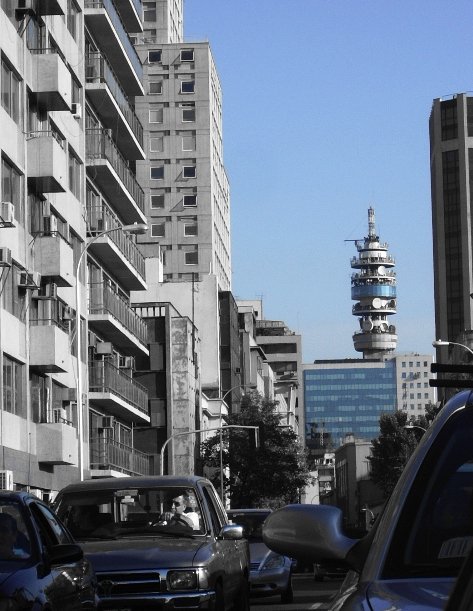
Torre Entel
Place
Plaza De La Ciudadanía
Place
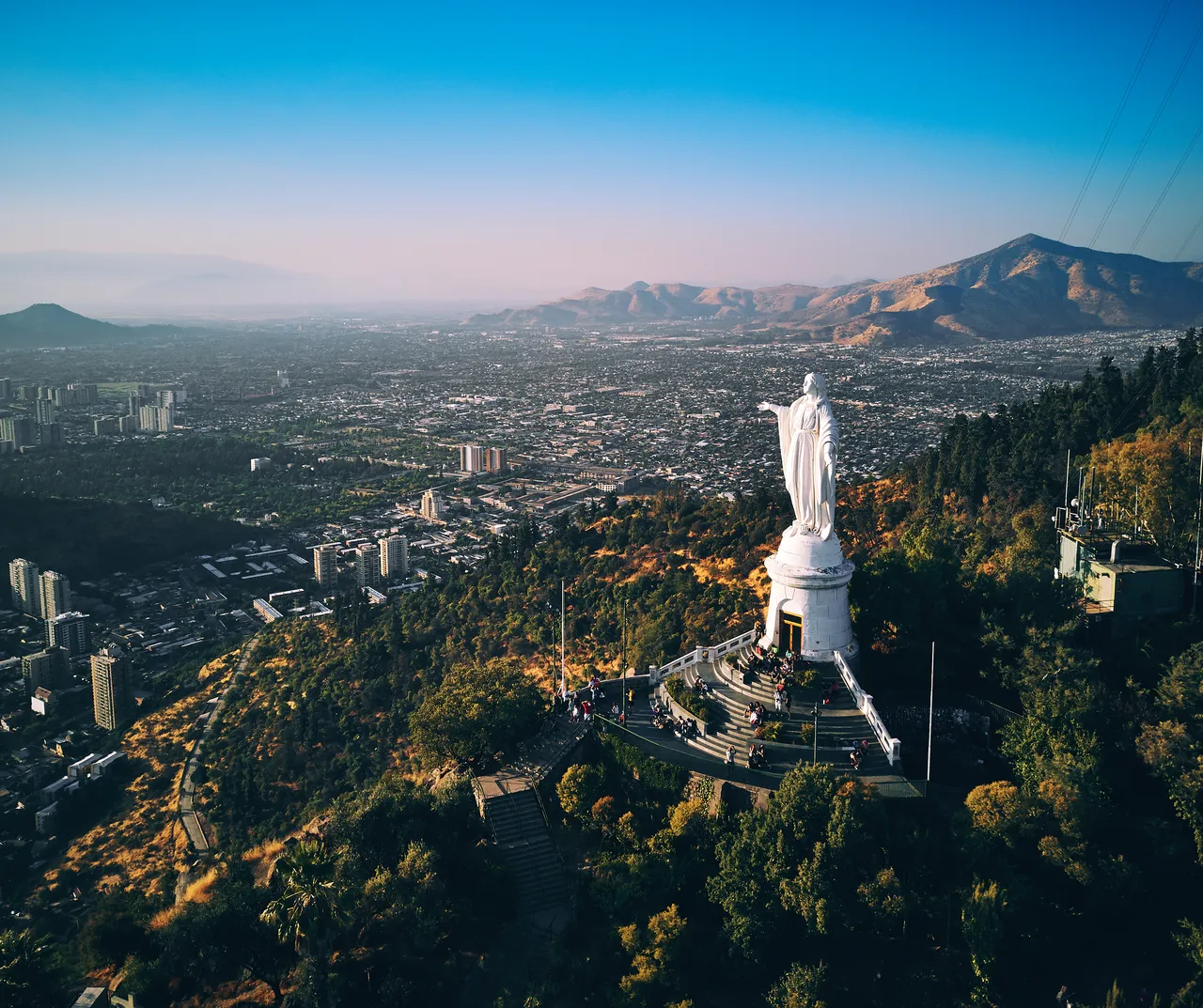
Sanctuary on San Cristóbal Hill

Place
Parque Peñalolén

Place
Palace of the Royal Consulate Court of Santiago
Place
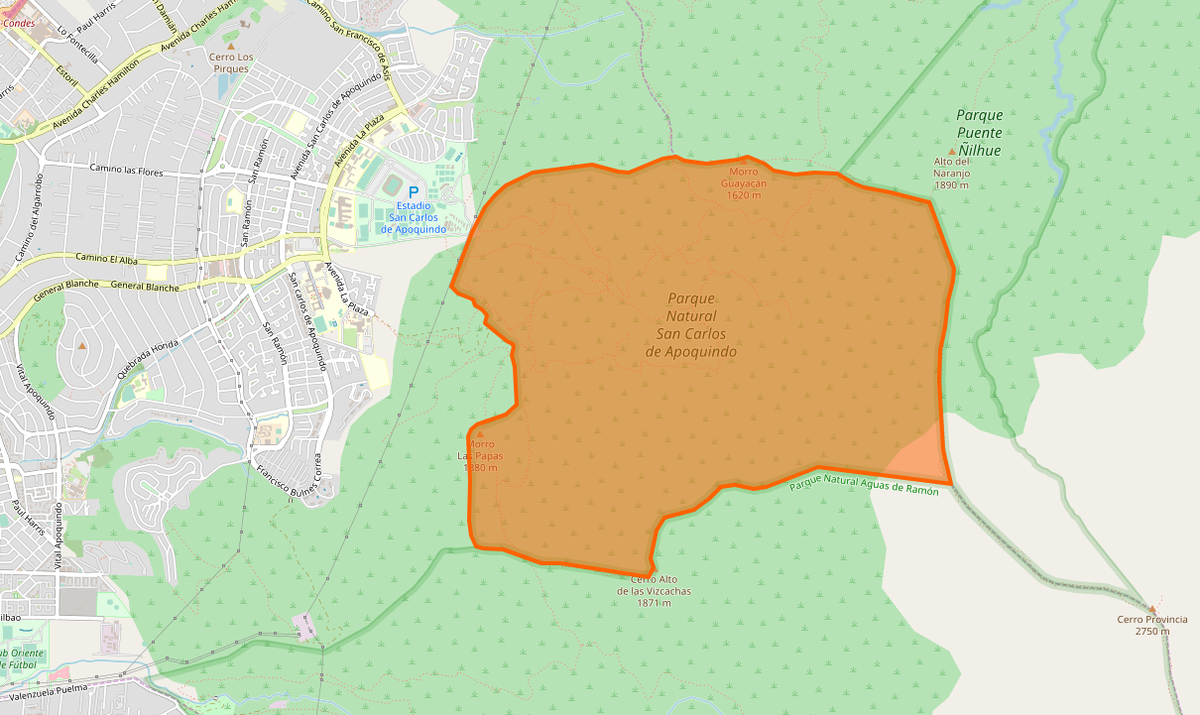
Parque Natural San Carlos De Apoquindo
Place
Parque Mapocho Poniente
Place
Palacio De La Moneda
Place
Plaza De La Constitución
Place
Pontifical Catholic University of Chile
Place
Panul Forest
Place
Instituto Geográfico Militar
Place
Parque Mahuida
Place
Cerro Alvarado
Place
Funicular De Santiago

Place
Monumento a Salvador Allende, Santiago De Chile

Place
Plaza Mulato Gil De Castro
Place
Estadio San Carlos De Apoquindo
Place
Children'S Museum
Place
Museo Nacional Benjamín Vicuña Mackenna
Place
Estadio Santa Laura-Universidad Sek

Place
Museo De Colo-Colo
Place
Movistar Arena
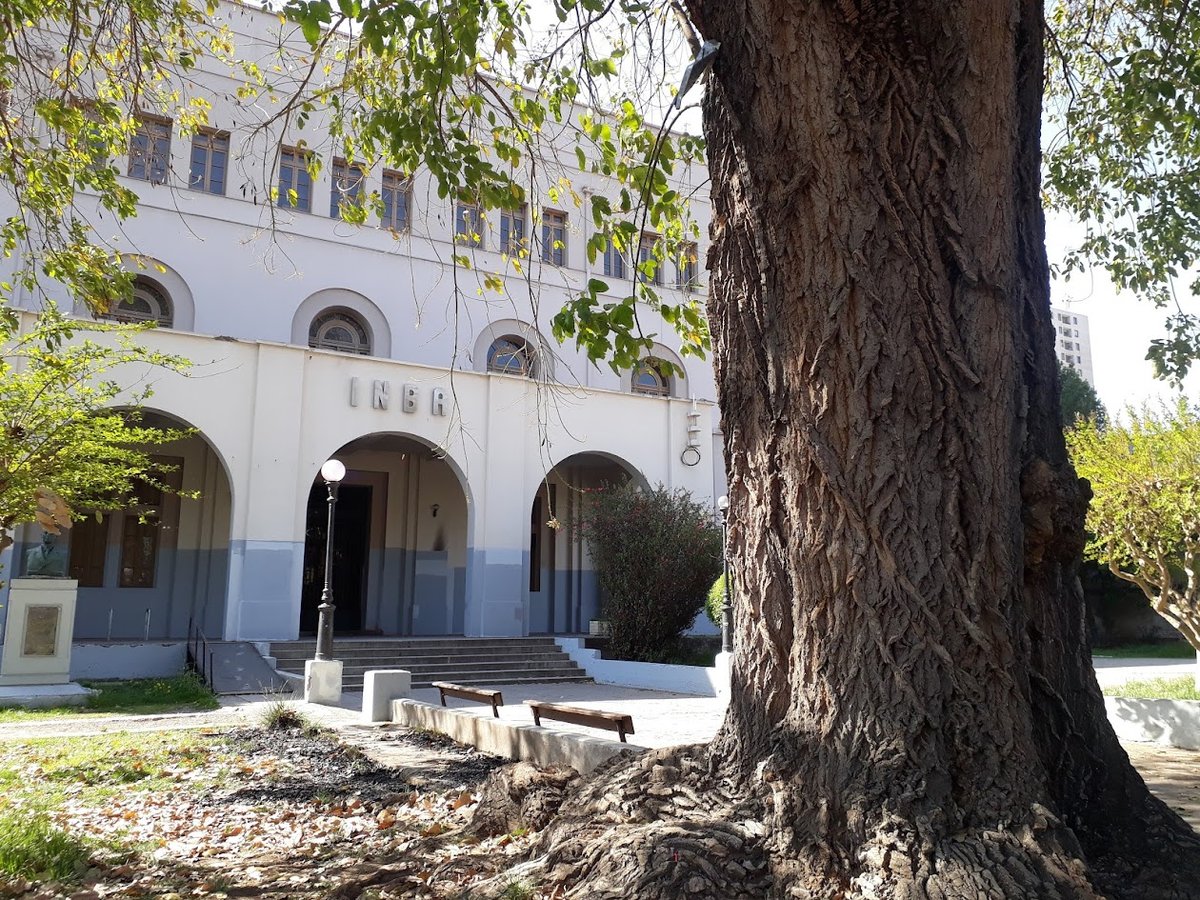
Place
Internado Nacional Barros Arana
Place
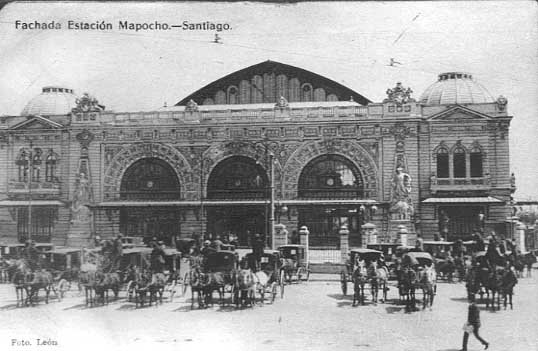
Estación Mapocho Cultural Center
Place
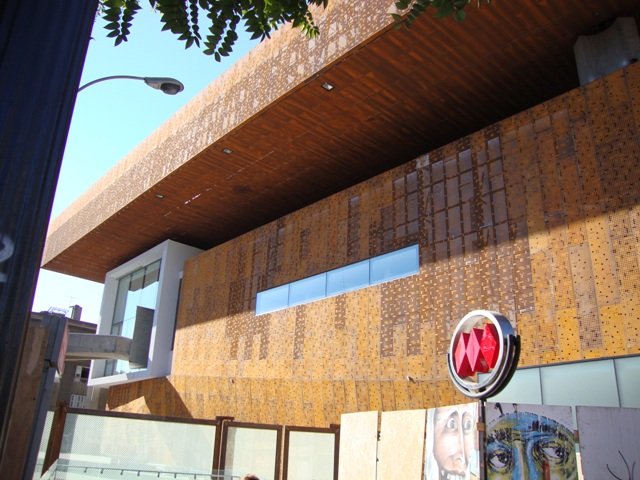
Biblioteca De Santiago
Place
Centro Cultural Gabriela Mistral
Showing 1–48 of 118 places
Pick up where you left off
Saved and recently read places — kept on this device only.
Photo credits (10)
- Leonardo Córdova — Pexels License (https://www.pexels.com/license/) — Source: https://www.pexels.com/photo/19287246/
- Beatriz Rios — Pexels License (https://www.pexels.com/license/) — Source: https://www.pexels.com/photo/29821497/
- Ale Zuñiga — Pexels License (https://www.pexels.com/license/) — Source: https://www.pexels.com/photo/7410627/
- Alisha Lubben — Pexels License (https://www.pexels.com/license/) — Source: https://www.pexels.com/photo/2305747/
- Marcelo Rodrigo — Pexels License (https://www.pexels.com/license/) — Source: https://www.pexels.com/photo/34095499/
- Ale Zuñiga — Pexels License (https://www.pexels.com/license/) — Source: https://www.pexels.com/photo/7410267/
- Camila Garcia Moreira — Pexels License (https://www.pexels.com/license/) — Source: https://www.pexels.com/photo/17056273/
- Nair Cristopher Sánchez Muñoz — Pexels License (https://www.pexels.com/license/) — Source: https://www.pexels.com/photo/6792498/
- Csaba Marosi — Pexels License (https://www.pexels.com/license/) — Source: https://www.pexels.com/photo/29713907/
- Omar Landaverry — Pexels License (https://www.pexels.com/license/) — Source: https://www.pexels.com/photo/20619734/
Photos may have been resized or cropped.