- Visa
- US, UK, EU, Canadian, and Australian passport holders can usually enter Chile visa-free for up to 90 days. Keep the tourist card you receive on entry, complete the mandatory SAG customs declaration for food and plant products, and note that Easter Island has a separate 30-day cap with extra proof-of-stay requirements.
- Currency
- Chile uses the Chilean peso (CLP). Cards work well in santiago, Valparaíso, and bigger hotel or restaurant settings, but cash still matters for markets, rural buses, small cafes, and parts of Patagonia or the Atacama.
- Getting There
- Most international arrivals come through Santiago Arturo Merino Benítez Airport, known as SCL. International flights use Terminal 2, domestic flights use Terminal 1, and there is no rail link from the airport, so most travelers use Centropuerto or TurBus Aeropuerto buses, taxis, or pre-booked transfers.
- Getting Around
- Chile is too long to treat as one overland trip unless you have serious time. Intercity buses are the practical backbone for central Chile, domestic flights save days on long jumps to San Pedro de Atacama, Punta Arenas, or Easter Island, and a rental car makes the most sense in the Lake District, Chiloé, and parts of the Carretera Austral.
- Climate
- Chile runs from hyper-arid desert to sub-Antarctic wind in one country, so season matters more than averages. December to February is the busiest and most expensive period, March to April and September to November usually give the best balance, and January to February can bring altiplano rains that disrupt northern routes around San Pedro de Atacama.
- Connectivity
- Mobile coverage is good in cities and on main highways, but it drops fast in national parks, mountain roads, and parts of Patagonia. Download offline maps before heading to Torres del Paine, Chiloé, or long desert stretches, and do not assume hotel Wi-Fi will handle video calls outside major urban areas.
- Safety
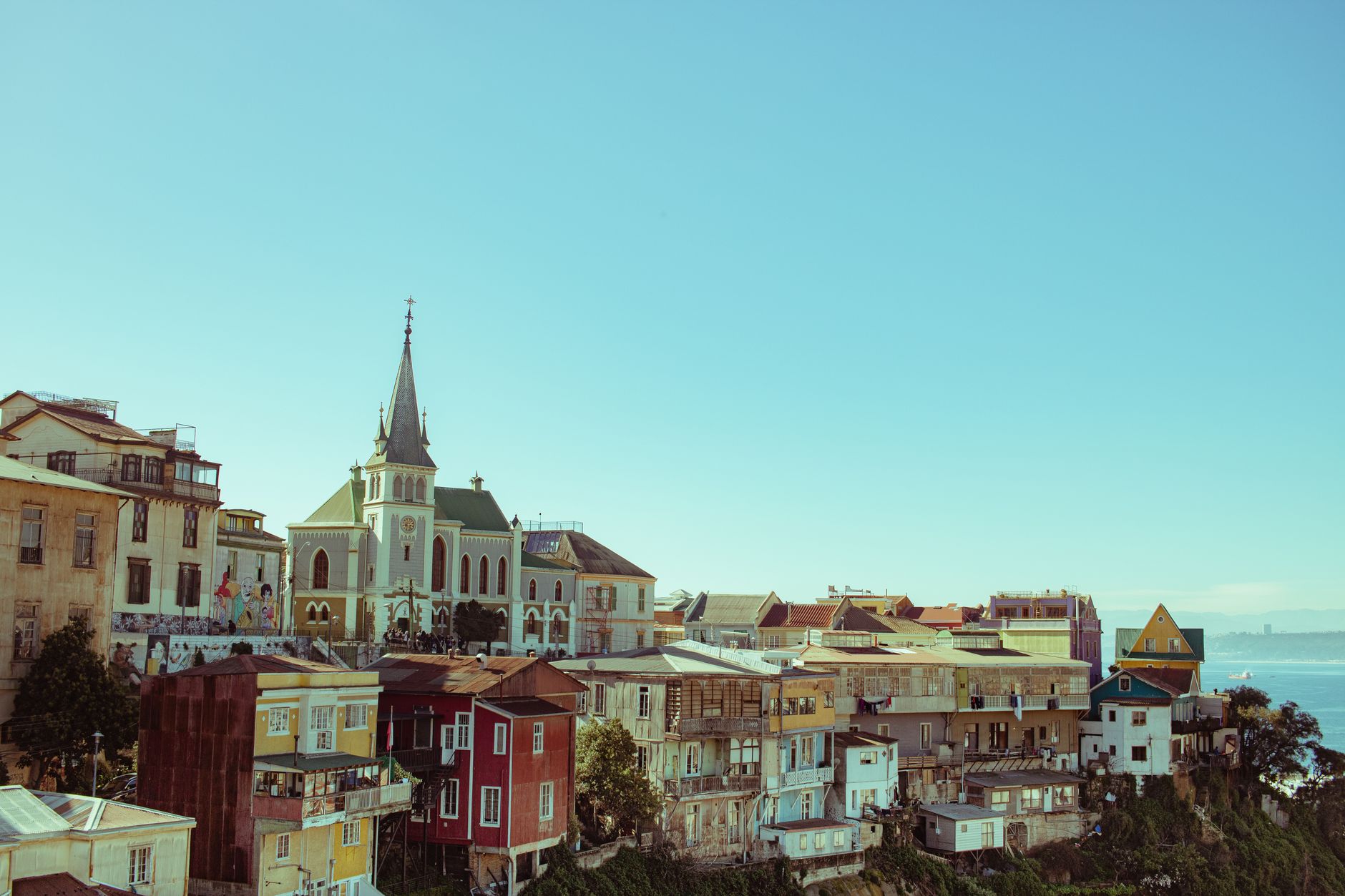
- Chile is one of the easier countries in South America for independent travel, but petty theft is real in transport hubs, busy plazas, and on overnight buses. In santiago and Valparaíso, keep phones out of your back pocket, use ride-hailing at night with luggage, and take official weather and park warnings seriously in the desert and Patagonia.
Budget by region
Your money goes furthest in central Chile and least far in Patagonia and on Easter Island. Book Torres del Paine lodging, park transport, and Rapa Nui flights early, then save on food by using lunch menus and bakery breakfasts in cities.
Know the 10%
Restaurants often suggest a 10% tip, and that is standard for sit-down service, but it is still voluntary. Check the bill before paying because some places ask directly at the card machine.
Do not count on rail
Chile has useful train pockets, but it is not a national rail country in the way many European travelers expect. For most long trips, the real choice is bus versus flight, not train versus bus.
Reserve Patagonia early
January and February fill first in Puerto Natales and Torres del Paine, especially for park-facing hotels, refugios, and bus seats at convenient times. If you are traveling in summer, lock those pieces first and build the rest around them.
Download before leaving
Offline maps, bus tickets, and reservation screenshots matter in Chile because signal can disappear outside urban corridors. This is especially true in San Pedro de Atacama, Chiloé, and on routes south of Puerto Natales.
Respect SAG rules
Chile takes agricultural controls seriously. Declare fruit, seeds, meat, dairy, and other restricted items on arrival instead of guessing, because fines for false declarations are not theoretical.
Ask about hotel tax
Some registered hotels can exempt eligible foreign tourists from the 19% VAT if payment is processed correctly in foreign currency. Ask before checkout, because the exemption does not apply automatically everywhere and it does not cover car rentals.