Type 2+ letters to search all countries, cities, and places
/Ctrl KEsc
travel_explore
Type 2+ letters to search all countries, cities, and places
Press Enter to open the top result
Fantasilandia
Santiago·Chile·33° S · 70° W·Updated Apr 2026
Chile's only major amusement park sits inside a public city park and opened in 1978 with US$2M in European rides. Home to South America's second Vekoma SLC coaster.
Flat terrain; some rides have height and mobility restrictions
Best season
Spring–Summer (October–March)
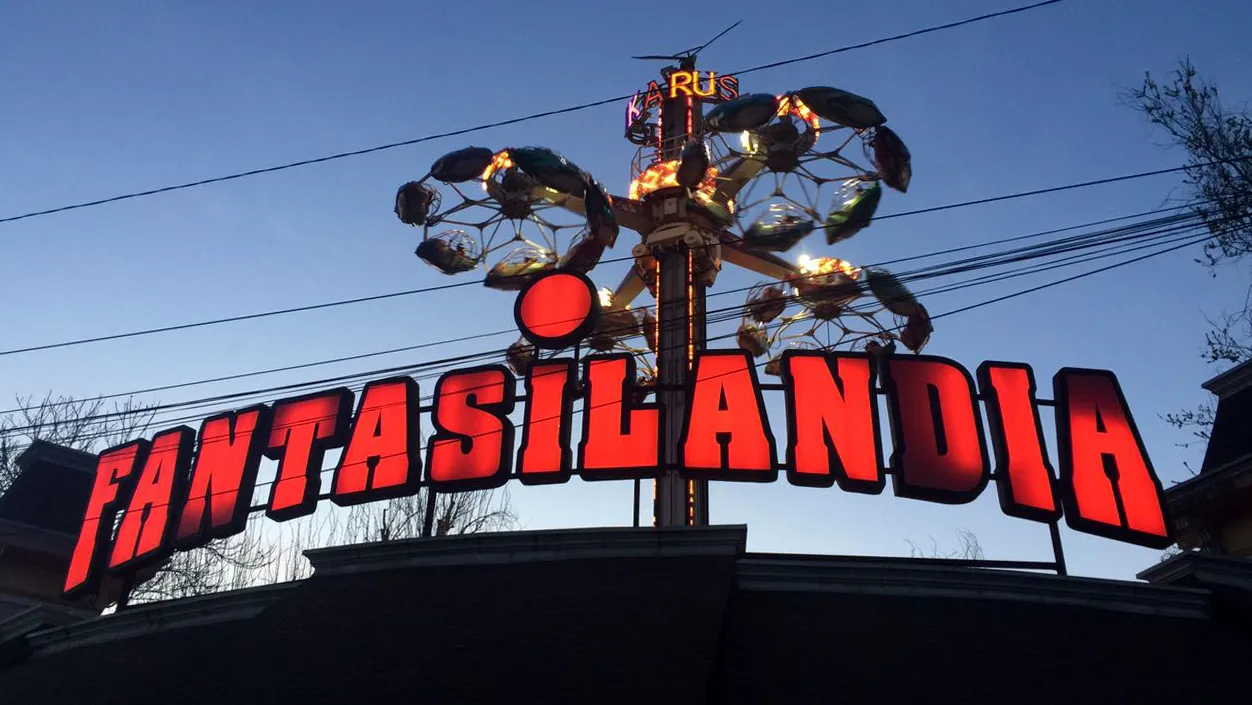
Somewhere inside one of Santiago's oldest public parks, a woman transforms into a gorilla on stage while roller coasters rattle overhead. Fantasilandia, Chile's largest amusement park, has been pulling that trick — and dozens of others — since 1978, when it opened with just eight rides and a coaster the press called South America's biggest. Nearly five decades on, it still occupies the same improbable patch of Parque O'Higgins, a commercial thrill machine nested inside free public green space.
The park splits into three zones — Kids, Family, and Adrenaline — and its rides read like an atlas of global manufacturing. Vekoma in the Netherlands, Zamperla in Italy, Intamin in Switzerland, Mack in Germany. For a park that started with imported European equipment bought for US$2 million, the sourcing has always been international. The screams, though, are distinctly Chilean.
What keeps Fantasilandia interesting after all these years isn't just the hardware. Grandparents remember the original Galaxy coaster, teenagers queue for the Raptor, and everyone has an opinion about the Monga sideshow. In a city where most entertainment has migrated to shopping malls, this place still smells like churros and machine oil.
Researched by the Audiala editorial team from historical records, architectural archives, and local expertise.
What to see
Raptor
The park's flagship coaster since 2008, the Raptor is a Vekoma Suspended Looping Coaster — only the second of its kind built in South America. Riders hang beneath the track with legs dangling free, swinging through inversions at speeds that turn the surrounding eucalyptus trees into green streaks. The US$10 million price tag made it the most expensive single addition in Fantasilandia's history. At roughly 700 meters of track, the ride lasts about two minutes. The weekend queues can stretch far longer than that.
Tsunami
Intamin's shoot-the-chute ride replaced the park's aging original Splash attraction in 2007, and the upgrade was dramatic. A boat climbs a steep lift hill, crests, and plunges into a trough that sends a wall of water over the surrounding walkway — drenching riders and bystanders with equal enthusiasm. The Tsunami was assembled in Chile under Swiss license, a rare hybrid of European engineering and South American construction. On hot Santiago afternoons, when temperatures push past 30°C, the soaking is the whole point. On cooler days, you'll have the boat almost to yourself.
The Monga and the Kids Zone
Fantasilandia's Zona Niños clusters gentler rides — a carousel, Dragon Mountain, Mini Splash, Villa Magica — around a landscaped area that feels calmer than the rest of the park. But the real curiosity nearby isn't a ride at all. The Monga is a live sideshow act, a throwback to traveling-carnival aesthetics, in which a woman appears to transform into a gorilla before a small audience. The effect is lo-fi and deliberately absurd. Children stare. Adults laugh nervously. In a park full of million-dollar imported machinery, the Monga costs almost nothing to run and generates more conversation than most coasters. Worth the stop.
Plan your visit
Getting There
Take Metro Line 2 to Parque O'Higgins station — the park entrance is a five-minute walk south through the greenery. By car, enter Parque O'Higgins from Avenida Beauchef or Avenida Blanco Encalada; paid parking is available inside the park grounds. From central Santiago, the ride is about 15 minutes by taxi or rideshare.
Opening Hours
As of 2026, Fantasilandia typically opens weekends and holidays from noon to 8 PM during the school year (March–November), and daily during Chilean summer (December–February) with extended hours until 9 or 10 PM. The park closes on rainy days without notice — check their official website or social media the morning of your visit, especially in winter.
Time Needed
A focused visit hitting the big rides takes 3–4 hours. Families with young children exploring the Kids Zone and Family Zone should budget a full 5–6 hours. On peak weekends and holidays, ride queues can double your time — arriving at opening shaves off the worst of it.
Tickets & Cost
Fantasilandia sells all-inclusive wristbands (pulseras) that cover unlimited rides, with different tiers for children and adults. As of 2026, expect to pay roughly CLP 15,000–22,000 per person depending on height category and season. Buy tickets online in advance — the park often runs web-only discounts of 10–20%, and you skip the box-office queue.
Photo Gallery
Thrill-seekers enjoy a high-speed ride on a yellow roller coaster at Fantasilandia, the premier amusement park in Santiago, Chile. · FantacoasterA detailed view of the intricate steel roller coaster tracks at Fantasilandia, a popular amusement park in Santiago, Chile. · FantacoasterVisitors enjoy a refreshing splash from a water ride at Fantasilandia, a popular amusement park in Santiago, Chile. · MulatoenchileA high-angle view of the Fantasilandia amusement park in Santiago, Chile, showcasing its iconic roller coaster set against a backdrop of city architecture. · FantacoasterA roller coaster train ascends the steep lift hill at Fantasilandia, a popular amusement park located in Santiago, Chile. · PanchoHardyThrill-seekers experience an inverted loop on a roller coaster at Fantasilandia, the popular amusement park located in Santiago, Chile. · RL GNZLZ from ChileA view of roller coaster track construction at Fantasilandia in Santiago, Chile, captured during a beautiful golden hour sunset. · Fantacoaster
History
A Two-Million-Dollar Gamble on Joy
Santiago in the mid-1970s had parks, plazas, and cinemas, but no amusement park. The idea that a city of four million people lacked a dedicated place for families to ride roller coasters struck Gerardo Ortega as both a problem and an opportunity. In 1977, he and a group of friends began building on a plot inside Parque O'Higgins, importing rides from Europe on a budget of roughly US$2 million.
The park that opened on January 28, 1978, had eight attractions. The Galaxy rollercoaster, marketed as South America's largest, was the headliner. Chilean newspapers compared the opening to the country getting its own Disneyland. The comparison was generous. But the excitement was real.
The turning point
Gerardo Ortega and the Disneyland of the Andes
Gerardo Ortega didn't come from the entertainment industry. According to local accounts, he was a businessman who noticed something obvious: Santiago's families had nowhere to go on weekends that combined rides, food, and spectacle under one ticket. His pitch was simple — import proven European ride technology, install it in the city's most beloved park, and let the crowds come. They did.
The gamble paid off almost immediately. Fantasilandia became a fixture of Santiago weekends within its first year, and the Galaxy coaster — a steel track towering over the eucalyptus trees of Parque O'Higgins — served as the park's symbol for three decades. Ortega's original eight rides grew to over 30 by the 2000s, each addition imported from a different corner of the world: Fabbri in Italy, Huss in Germany, Zamperla, Vekoma, Intamin.
The Galaxy's run ended in 2013, when an accident forced its permanent closure. By then the park had long outgrown its founding attraction. The Raptor, a US$10 million suspended looping coaster from Vekoma, had taken over as the headline ride in 2008. Fantasilandia had become something Ortega probably never imagined: a working museum of global amusement-ride engineering, tucked inside a Chilean public park.
Rides from Four Continents
The park's expansion reads like an atlas. The Boomerang shuttle coaster arrived from Vekoma in the Netherlands in 1996. The Kamikaze came from Italy's Fabbri Group in 1993. Germany's Huss Rides supplied the Top Spin in 2004, and Switzerland's Intamin built the Tsunami shoot-the-chute in 2007 — assembled in Chile under Swiss license, making it one of the few locally manufactured attractions in the park's history. The Wild Mouse, which opened around 2005, was the first of its kind anywhere in Latin America. By 2020, when the Spider ride opened, Fantasilandia had installed equipment from at least seven countries.
The Park Inside a Park
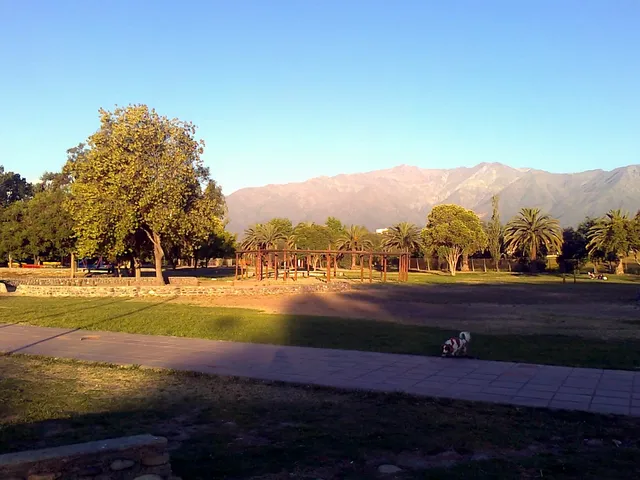
Fantasilandia's most unusual feature isn't a ride — it's the address. Parque O'Higgins, named after Chile's independence hero Bernardo O'Higgins, is one of Santiago's oldest and most cherished public green spaces. A commercial amusement park sitting inside a free park creates a strange and appealing contrast: families picnic on the grass while coaster cars clatter above the tree line thirty meters away. The arrangement would be unthinkable in most cities. In Santiago it's been the status quo since 1978, and nobody seems interested in changing it.
Tips for visitors
Time Your Visit
Weekday visits during Chilean summer (January–February) have the shortest queues. Weekend afternoons in spring are the worst — Santiago families descend in force, and the Raptor coaster line can stretch past 45 minutes.
Watch Your Belongings
Parque O'Higgins draws crowds, and the area around the metro station sees occasional pickpocketing. Keep phones in front pockets, leave valuables at your hotel, and stay aware when walking through the park grounds after dark.
Eat Outside the Gates
Park food is overpriced and underwhelming. Walk 10 minutes north to Barrio Franklin for cheap, excellent Chilean comfort food — try the cocinerías in the Persa Biobío market for cazuela or a completo that costs a third of what you'd pay inside Fantasilandia.
Ride Height Limits
Adrenaline Zone rides enforce strict minimum height requirements, typically 1.30–1.40 m. Measure your kids before you go — nothing ruins a morning faster than a child who's two centimeters short for the Boomerang and inconsolable about it.
Bring a Change of Clothes
The Tsunami shoot-the-chute and Pirate Revenge water coaster will soak you from the waist down. Pack a dry shirt and shorts in a small bag, or you'll spend the next three hours squelching through the park in wet denim.
Combine with Parque O'Higgins
The park sits inside one of Santiago's best public green spaces — free to enter. Arrive early, walk the gardens and the lagoon before Fantasilandia opens, then hit the rides. The contrast between the quiet old trees and the screaming coasters is half the fun.
Where to Eat
local_dining
Don't Leave Without Trying
Empanadas de pino — baked pastry with spiced beef, onion, egg, and olivesCompleto — Chilean-style hot dog loaded with avocado, tomato, and mayoCazuela — hearty broth with beef or chicken and vegetablesPastel de choclo — corn-topped meat casserole, best in summerCecina — cured and smoked pork, a classic street foodSopaipillas — fried pumpkin dough, especially popular in autumn and winterPisco Sour — Chile's national cocktail: pisco brandy, lemon juice, sugar, and egg white
El Rincón Quirihuano
local favorite
Chilean Traditional€€star4.3(153)
Order: The empanadas de pino and cazuela — hearty, authentic Chilean comfort food that locals actually eat. Skip the tourist traps and order what the regulars do.
This is where Santiaguinos come for real Chilean food, not the theme-park version. It's a genuine neighborhood spot on Beauchef with solid reviews and consistent quality.
Order: The sanguches (Chilean sandwiches) — ask for completo with avocado, or try a cecina sandwich. Quick, cheap, and exactly what you need before or after the park.
A proper local cafe where you'll see office workers and families grabbing lunch. It's the kind of place that doesn't cater to tourists, which is exactly why it's good. Their website shows they take it seriously.
Order: Whatever's on the menu — with a perfect 5.0 rating, even with limited reviews, this place knows what it's doing. Go for traditional Chilean dishes like pastel de choclo or a hearty cazuela.
Perfect rating and the name says it all: this is authentic Chilean food, no frills. It's small and under-the-radar, which means you're eating where locals do, not where guidebooks send you.
Order: Keep it simple — a classic margherita or a straightforward pasta. It's a no-nonsense spot for when you want Italian comfort food without pretension.
Sometimes after a day at Fantasilandia you just want pasta. This place delivers solid, unpretentious Italian without the tourist markup. It's a reliable fallback.
checkAll restaurants on Av. Beauchef are within walking distance of Fantasilandia — no need for taxis between the park and lunch.
checkLunch (almuerzo) is the main meal in Santiago, typically 12:00–2:00 PM. Many local spots offer good-value menú del día (daily special) around CLP 4,000–6,000.
checkCash is still widely used in smaller restaurants, though most accept cards. Check ahead if paying by card.
checkFor fresh seafood ceviche or congrio, Mercado Central (about 4 km north) is iconic but touristy; Vega Central is more authentic and cheaper.
Food districts:Estación Central — where Fantasilandia is located; home to traditional, affordable lunch spots and picadas (casual eateries)Barrio Lastarria — about 3 km away; upscale restaurants, galleries, and design-focused diningPlaza de Armas area — historic downtown with a mix of casual and mid-range restaurantsBarrio Italia — trendy neighborhood with contemporary Chilean cuisine and cafes
Restaurant data powered by Google
Frequently asked
Is Fantasilandia worth visiting?
Yes, particularly if you're traveling with kids or want a break from Santiago's museums and monuments. It's the only major amusement park in Chile, so there's no local alternative — and the setting inside Parque O'Higgins, one of the city's great public parks, makes the approach genuinely pleasant. Thrill-seekers will find the Raptor coaster and Tsunami water ride worth the ticket price alone.
How long do you need at Fantasilandia?
A full day — roughly 6 to 8 hours — covers most of the park without rushing. Families with young children may find 4 to 5 hours enough, since the Kids Zone attractions are fewer and faster to cover. Weekends get crowded; arriving at opening time cuts queue times significantly.
What is the best ride at Fantasilandia?
The Raptor is the headline attraction — a Vekoma Suspended Looping Coaster that cost around US$10 million when it opened in 2008, and was only the second of its kind in South America. For water rides, the Tsunami shoot-the-chute is the park's other standout. Both sit in the Adrenaline Zone.
How do you get to Fantasilandia in Santiago?
Take the Santiago Metro to Parque O'Higgins station (Line 2, Baquedano direction) — the park entrance is a short walk from the exit. Driving is possible but parking around Parque O'Higgins fills quickly on weekends and public holidays.
Is Fantasilandia good for families with toddlers?
Yes, the Kids Zone is designed specifically for young children, with rides like the Carousel, Dragon Mountain, and Villa Magica. Height restrictions apply on most thrill rides, so children under roughly 1.2 meters will be limited to the Family and Kids zones — which still offer a full half-day of activity.
When did Fantasilandia open?
The park opened in 1978, with records placing the date as January 28 of that year. It launched with just 8 attractions, including the Galaxy roller coaster — then marketed as the largest in South America — after an initial investment of around US$2 million with rides imported from Europe.
Is Fantasilandia inside Parque O'Higgins?
Yes — Fantasilandia sits within Parque O'Higgins, Santiago's large public park named after independence hero Bernardo O'Higgins. The park itself is free to enter; Fantasilandia operates as a separate paid attraction within it. This means you can combine a visit with time in the surrounding green space.
Sources & attribution2
Researched and written by the Audiala editorial team from historical records, architectural archives, and local expertise. Last updated April 2026.
Wikipedia — Fantasilandia — Primary source for ride opening dates, manufacturers, park history milestones, and the 2013 Galaxy coaster closure.
Santiago Turismo — Local tourism source used for founding story, zone descriptions, initial investment figures, and cultural context around the 1978 opening.
Ola de agua en Fantasilandia — Mulatoenchile — CC BY-SA 3.0 (https://creativecommons.org/licenses/by-sa/3.0/) — Source: https://commons.wikimedia.org/wiki/File:Ola_de_agua_en_Fantasilandia.jpg
Strictly necessary cookies keep the site working. Analytics (PostHog, Google Analytics) measures how each visitor uses our pages. Marketing loads YouTube videos and walking-route maps without a tap and lets Google Analytics set advertising cookies. We never sell your data. You can change this any time from the footer.
Analytics and marketing cookies are optional and only load if you agree. Details under Customize.
Privacy
Cookie preferences
Pick what you're okay with. You can change this any time from the footer.
Strictly necessary
Always on
Sign-in, language, navigation. Always on.
Product analytics
PostHog (EU) and Google Analytics record which pages you view and how you use them, under a random identifier stored in your browser. Helps us see which pages work and which need fixing. Google's ad personalisation stays off. No selling.
Marketing
Loads YouTube videos and the walking-route maps (OpenFreeMap) without a tap; without it, they load only when you tap them. If analytics is also on, Google Analytics may set advertising cookies. Ad personalisation stays off.