
Founding and Early Development (1888–1930)
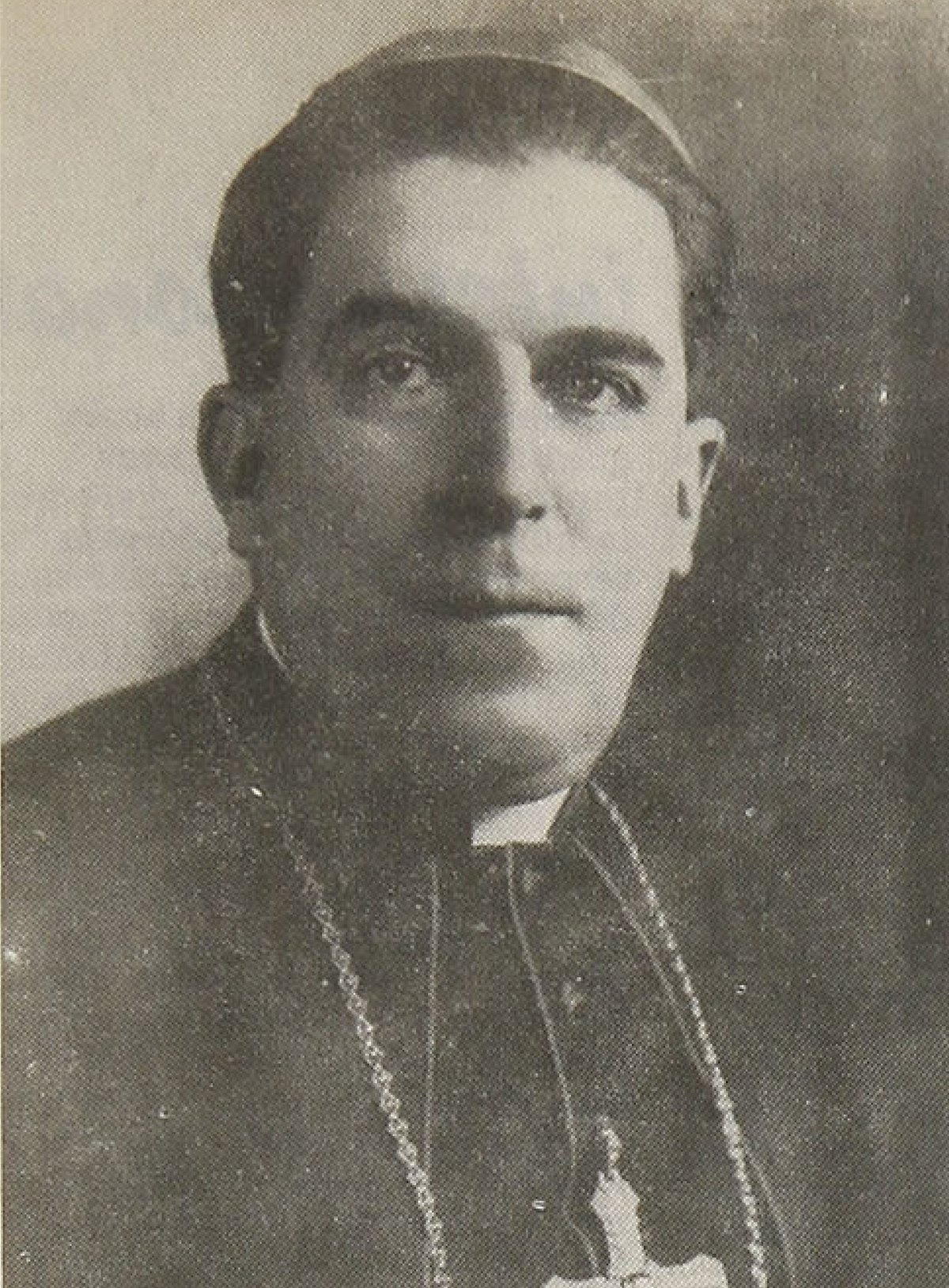
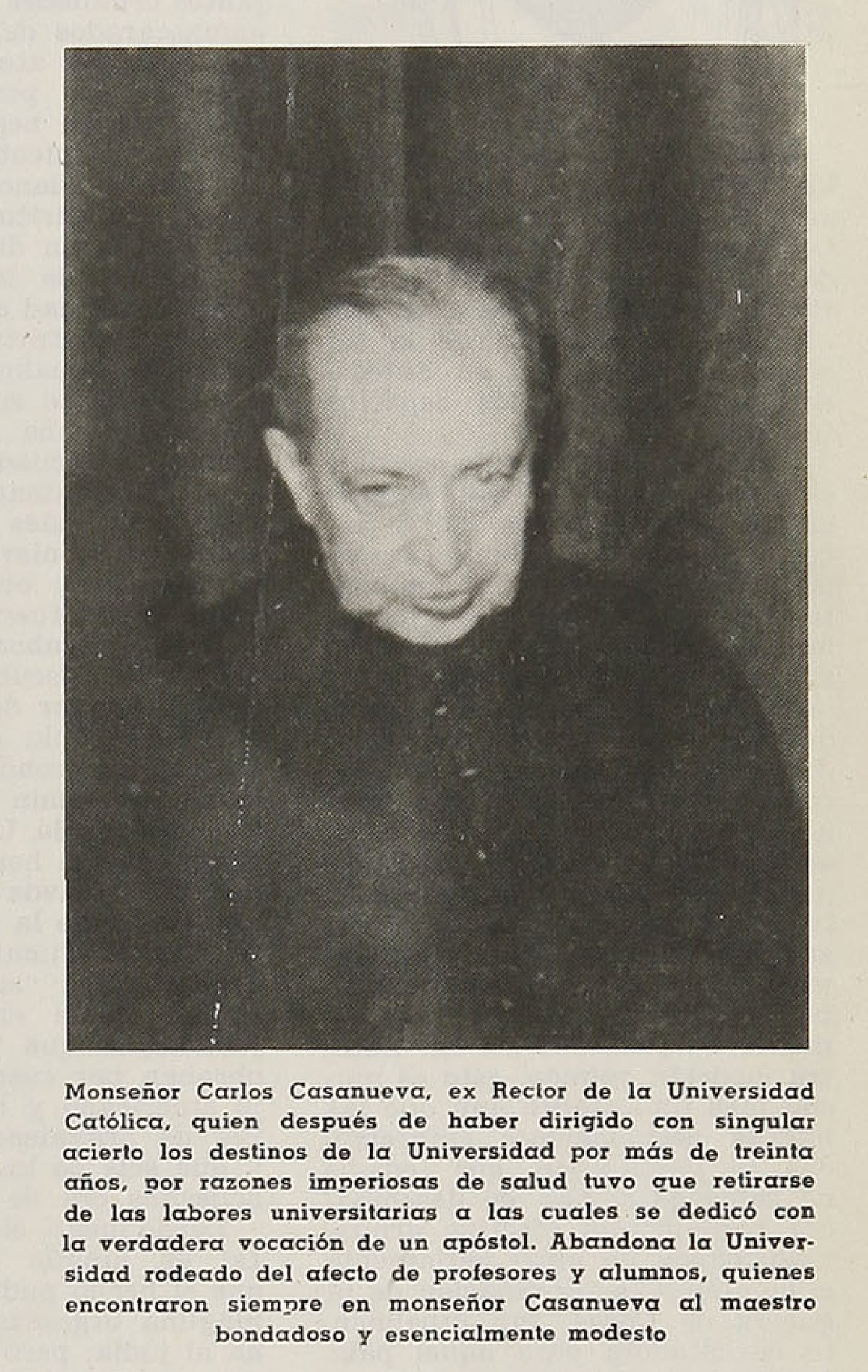
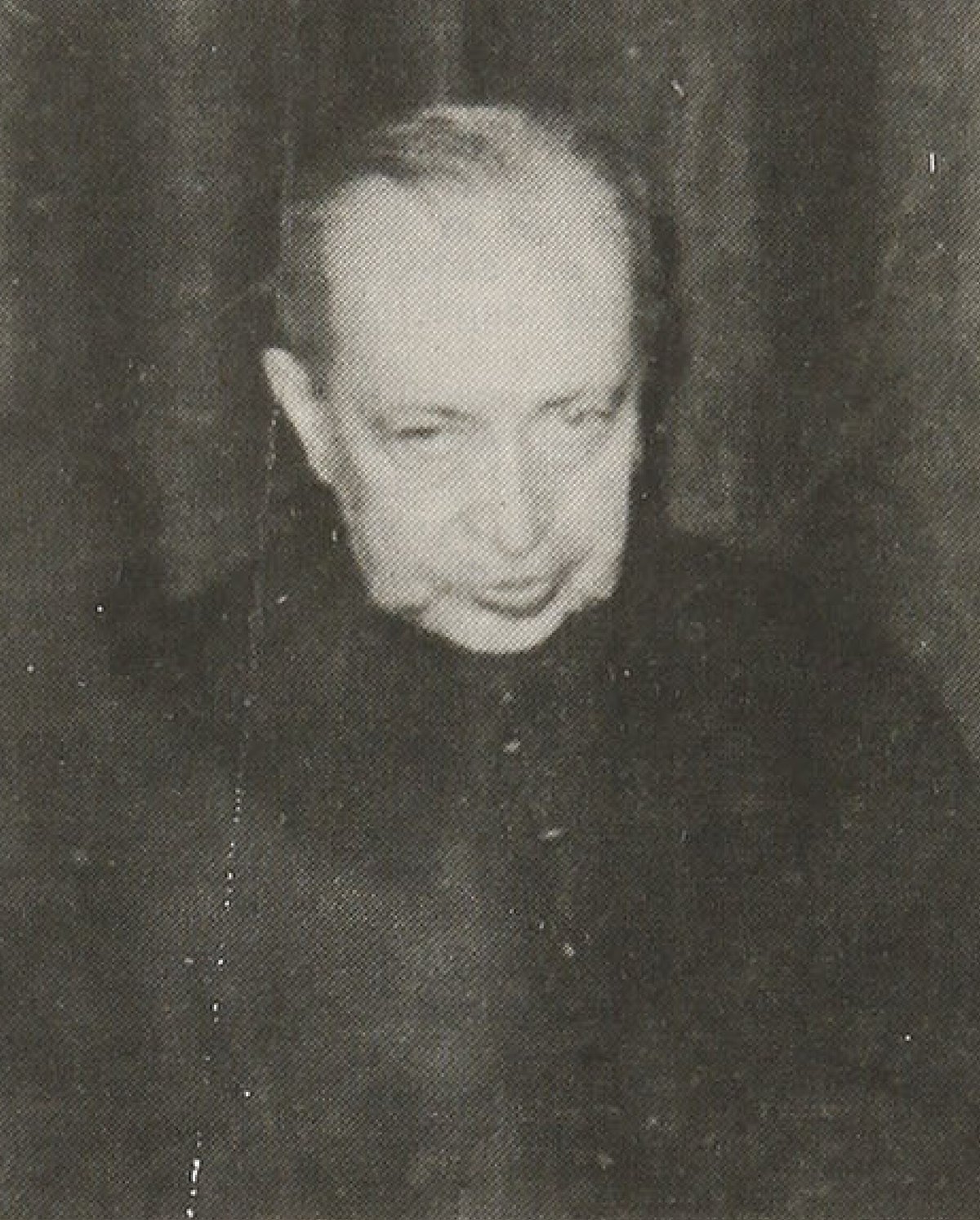
Established on June 21, 1888, by Archbishop Mariano Casanova, UC was envisioned as a center for rigorous academic training grounded in Christian values. Under the guidance of its first rector, Monsignor Joaquín Larraín Gandarillas, the university initially offered programs in Law, Physical Sciences, and Mathematics, addressing the needs of a rapidly modernizing Chile (TopUniversities, Prototypes for Humanity).
Papal Recognition and Mid-20th Century Expansion (1930–1970)
UC was granted "Pontifical" status by Pope Pius XI in 1930, which elevated its prestige and led to the creation of the Faculty of Theology in 1935. The following decades saw strategic expansion into new disciplines, including philosophy, commerce, education sciences, and technology, while maintaining a holistic educational philosophy rooted in the sciences, arts, and humanities (StandYou).
Resilience and Modernization (1970–Present)
Throughout periods of political upheaval, including the military dictatorship era, UC preserved its academic excellence and cultural significance. Many graduates, such as Sebastián Piñera and Ricardo Lagos, have gone on to hold pivotal roles in Chilean society. Since the 1990s, the university has expanded its campuses, modernized its infrastructure, and established itself as a regional leader in research, ranking #93 in the QS World University Rankings 2025 (TopUniversities, StandYou).
Visiting Information
Campus Locations and Accessibility
UC operates several campuses in Santiago:
- Casa Central (Downtown) Historic main campus, national monument, and center for administration and culture.
- San Joaquín The largest campus, featuring modern facilities and green spaces.
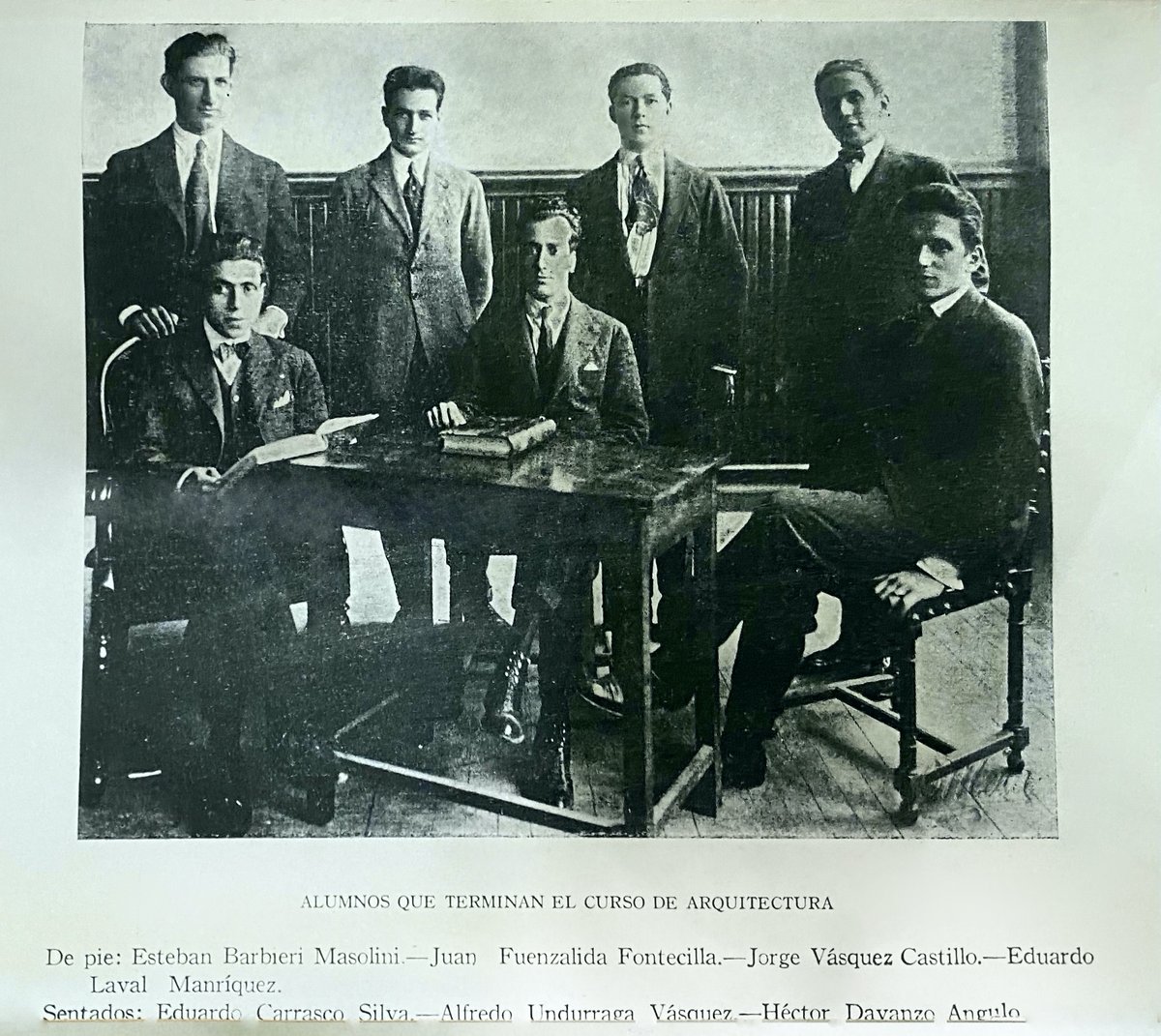
- Lo Contador (Providencia) Home of the School of Architecture, renowned for its creative environment.
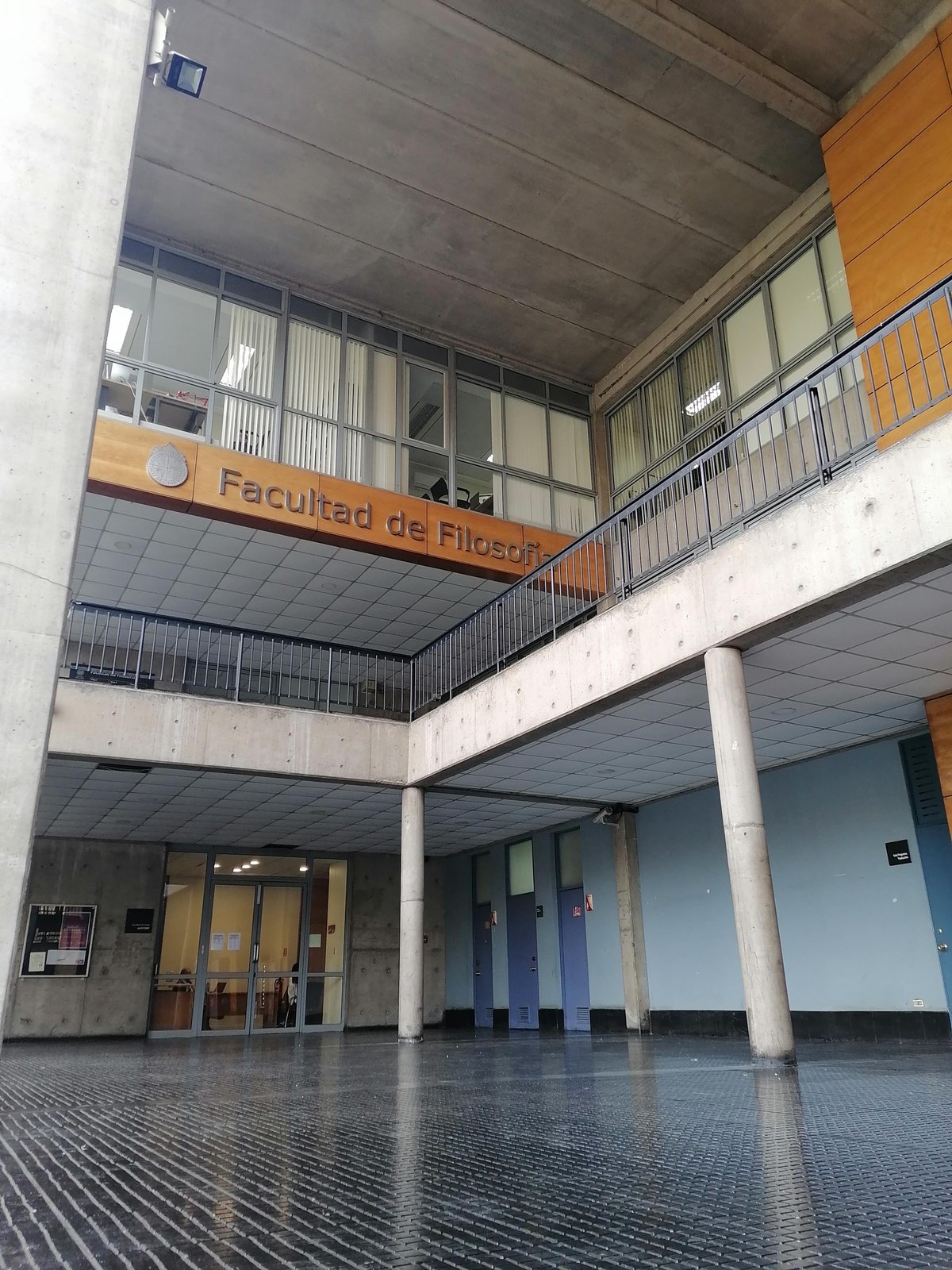
- Oriente Focuses on humanities and social sciences.
- Villarrica Dedicated to education and sustainable development in southern Chile.
All major campuses are accessible to visitors, with ramps, elevators, and services for persons with disabilities (UC Chile - About).
Visiting Hours and Entry
- Casa Central Monday–Friday, 9:00 AM–6:00 PM; Saturday, 10:00 AM–3:00 PM.
- San Joaquín Monday–Friday, 8:00 AM–8:00 PM.
- Other Campuses Typically open weekdays, 9:00 AM–5:00 PM.
General admission is free, although some exhibitions and guided tours may require prior booking or a small fee. Always check the official UC website for current information.
Getting There
- Casa Central Av. Libertador Bernardo O’Higgins 340, easily reached via Metro Line 1 (Universidad Católica station).
- San Joaquín Av. Vicuña Mackenna 4860, served by Metro Line 5 (San Joaquín station) and several bus routes (Moovit app).
- Lo Contador and Oriente Located in Providencia, accessible via public transit.
Architectural and Cultural Highlights
Casa Central: National Monument
Casa Central, designed by Ricardo Larraín Bravo, is a prime example of neo-Gothic and French neoclassical architecture. Its stately façade, grand columns, high ceilings, and marble interiors showcase the university’s history and prestige. The central courtyard (Patio Central) and University Chapel offer tranquil spaces for reflection and cultural events (landmarksarchitects.com).
School of Architecture: Tradition and Innovation
The Lo Contador campus is home to the acclaimed School of Architecture. In 2004, Pritzker Prize-winning alumnus Alejandro Aravena designed a sustainable addition using native wood, passive ventilation, and natural lighting—highlighting UC’s commitment to environmental innovation (landmarksarchitects.com).
Public Art and Green Spaces
UC’s campuses feature art installations, sculptures, and gardens, offering a vibrant atmosphere for both study and leisure. The Biblioteca Central provides modern amenities within a classic setting, while the Leandro Penchulef Museum in Villarrica highlights Mapuche culture (UC Chile - About).
Visitor Tips and Practical Information
Guided Tours and Events
Guided tours spotlight UC’s history, architecture, and academic achievements. These are generally available during open days, cultural festivals, or by appointment. Groups and academic delegations can arrange tours through the International Affairs Office (PUC Exchange Info).
Language
Spanish is the primary language; English is spoken by some staff. Visitors with B2-level Spanish proficiency will find it easier to engage in campus activities (Edinburgh Guidance Notes).
Accessibility
All major buildings are wheelchair accessible, with restrooms and support services for visitors with disabilities. Contact campus administration in advance for specific needs.
Photography
Photography is permitted in outdoor and most public areas. Please be respectful of classes and ceremonies and avoid disrupting university life.
Safety
Santiago is generally safe, with campus security staff present. Standard precautions are advised.
Nearby Attractions
UC’s central location places it close to:
- Plaza de Armas Santiago’s historic center.
- Metropolitan Cathedral An iconic religious site.
- La Moneda Palace Chile’s presidential palace.
- Providencia A vibrant neighborhood known for its restaurants, galleries, and boutiques.
Notable Alumni and Milestones
- 1888 University founded.
- 1930 Granted Pontifical status.
- 1935 Faculty of Theology established.
- 1990s–2000s Major campus expansions and internationalization.
- 2025 Ranked #93 in QS World University Rankings.
Notable alumni include presidents Sebastián Piñera and Ricardo Lagos, political leader Joaquín Lavín, and economist Andrés Velasco (StandYou).
Frequently Asked Questions (FAQ)
Q: What are the university’s visiting hours?
A: Most campuses are open Monday to Friday, 8:00 or 9:00 AM to early evening. Casa Central is also open Saturday mornings.
Q: Are tickets required to visit?
A: General access is free. Some events or guided tours may require a ticket or prior registration.
Q: Are guided tours available?
A: Yes, by appointment or during special events and open days.
Q: Is the campus accessible for people with disabilities?
A: Yes, with ramps, accessible restrooms, and assistance services.
Q: What attractions are nearby?
A: Plaza de Armas, Metropolitan Cathedral, La Moneda Palace, and Providencia’s cultural venues.