
Historical Background and Architecture
Origins and Naming
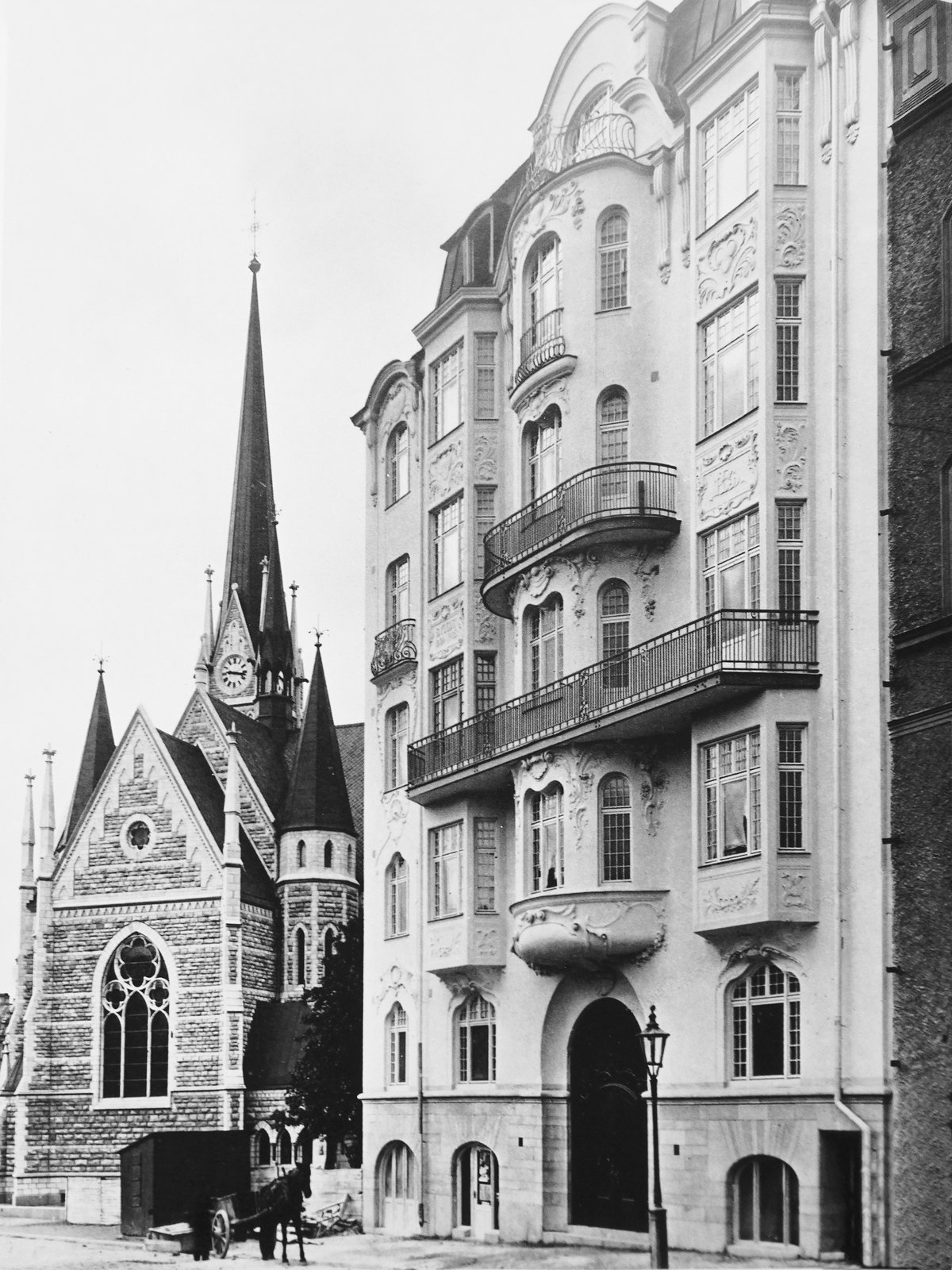
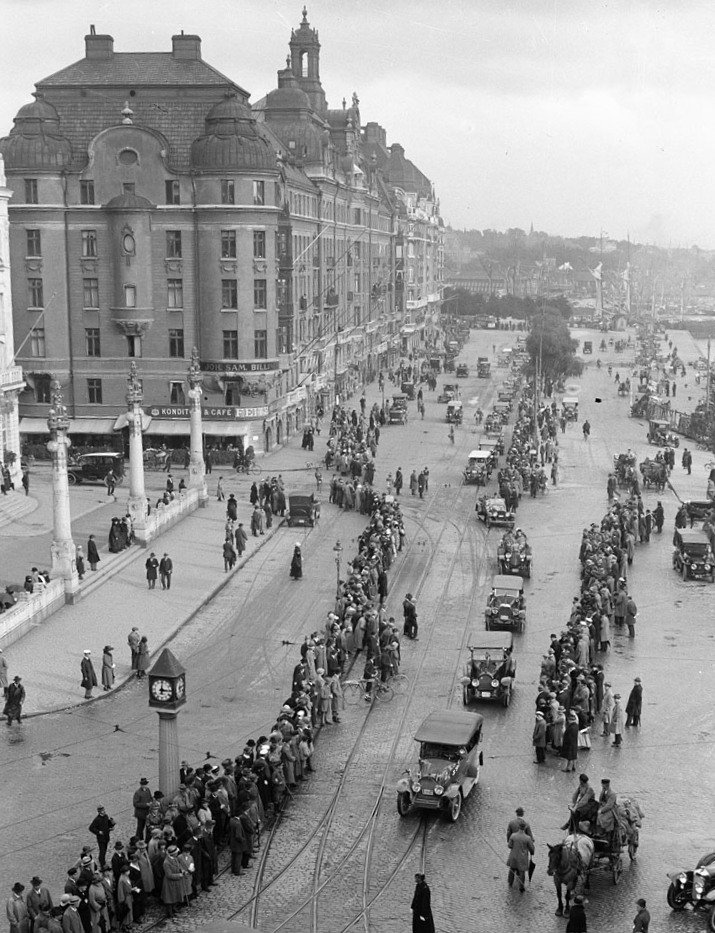
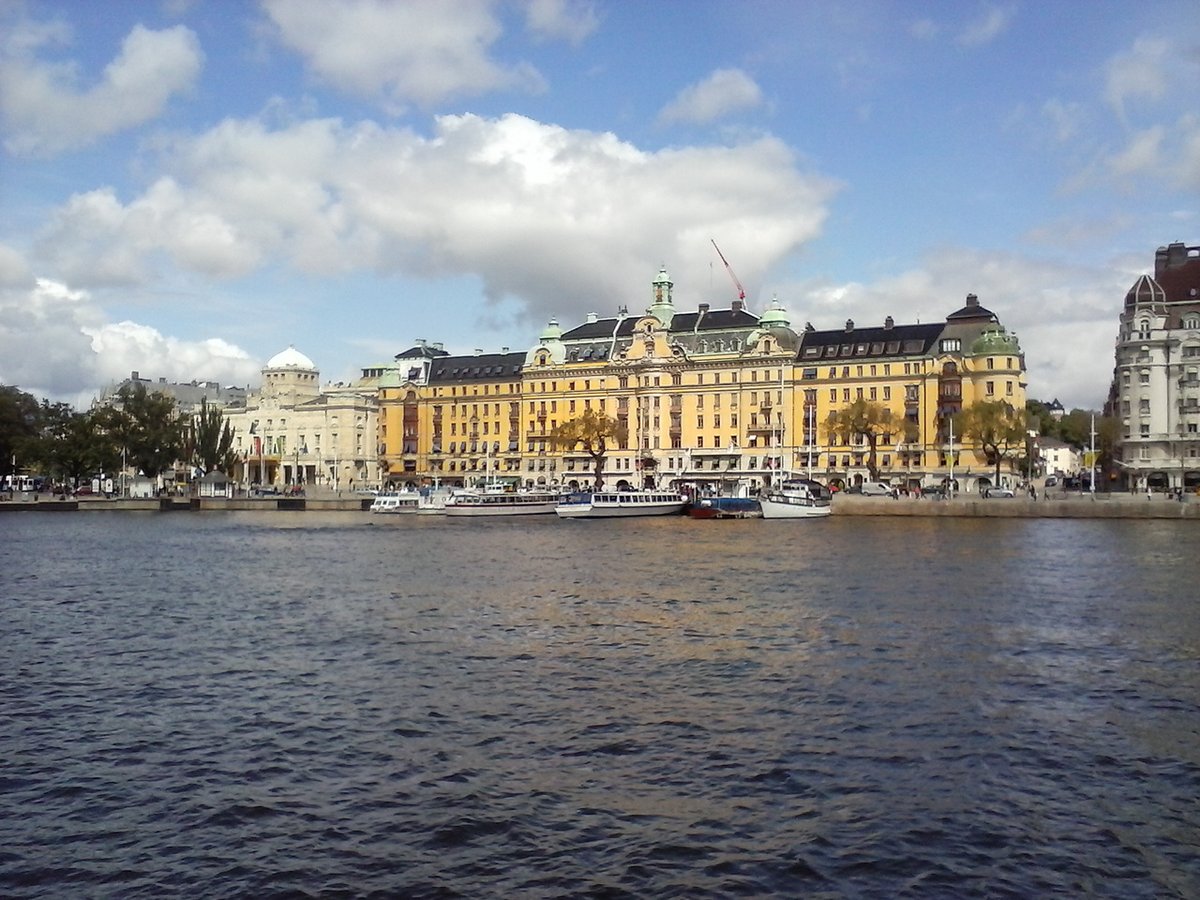
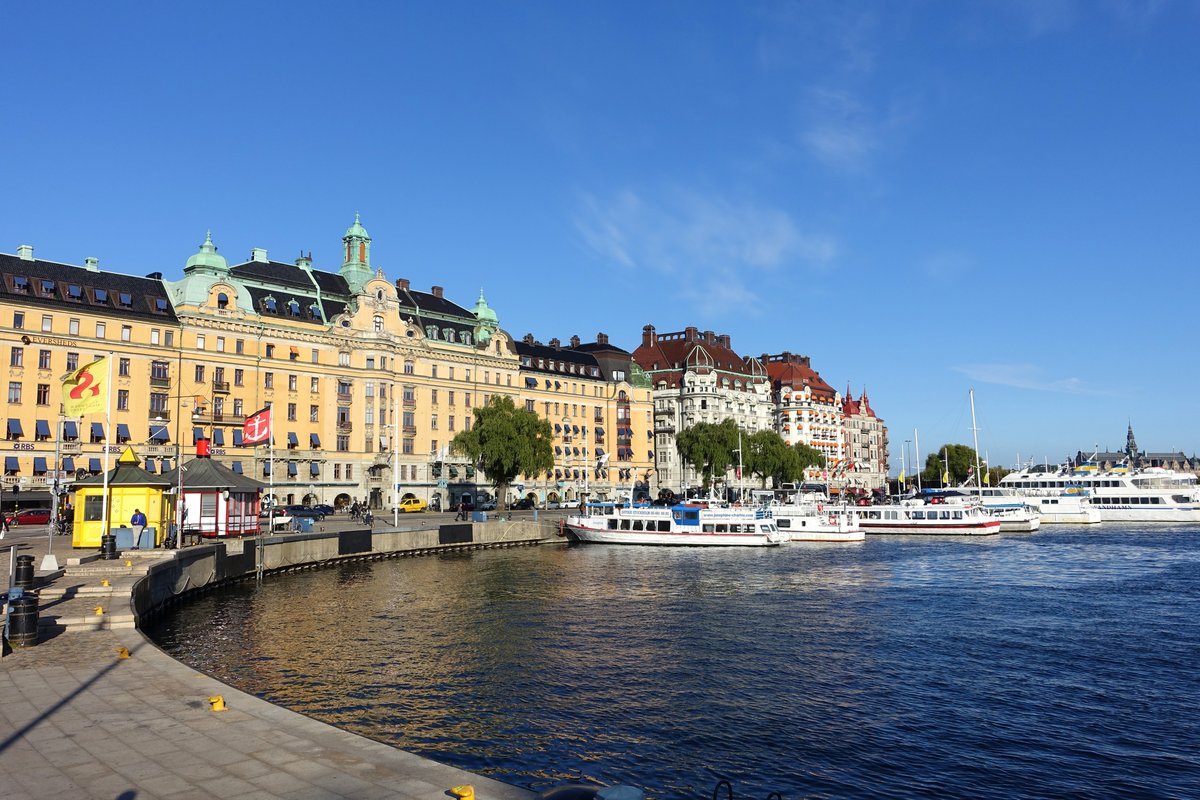
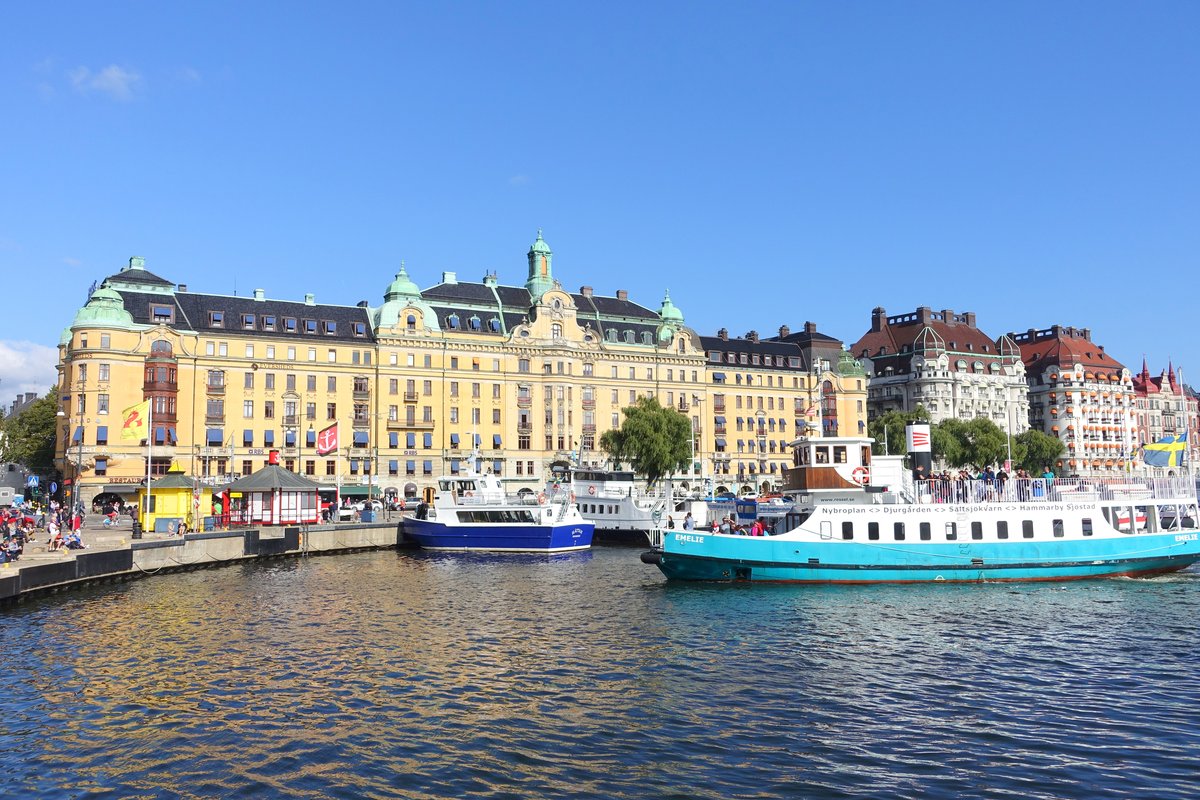
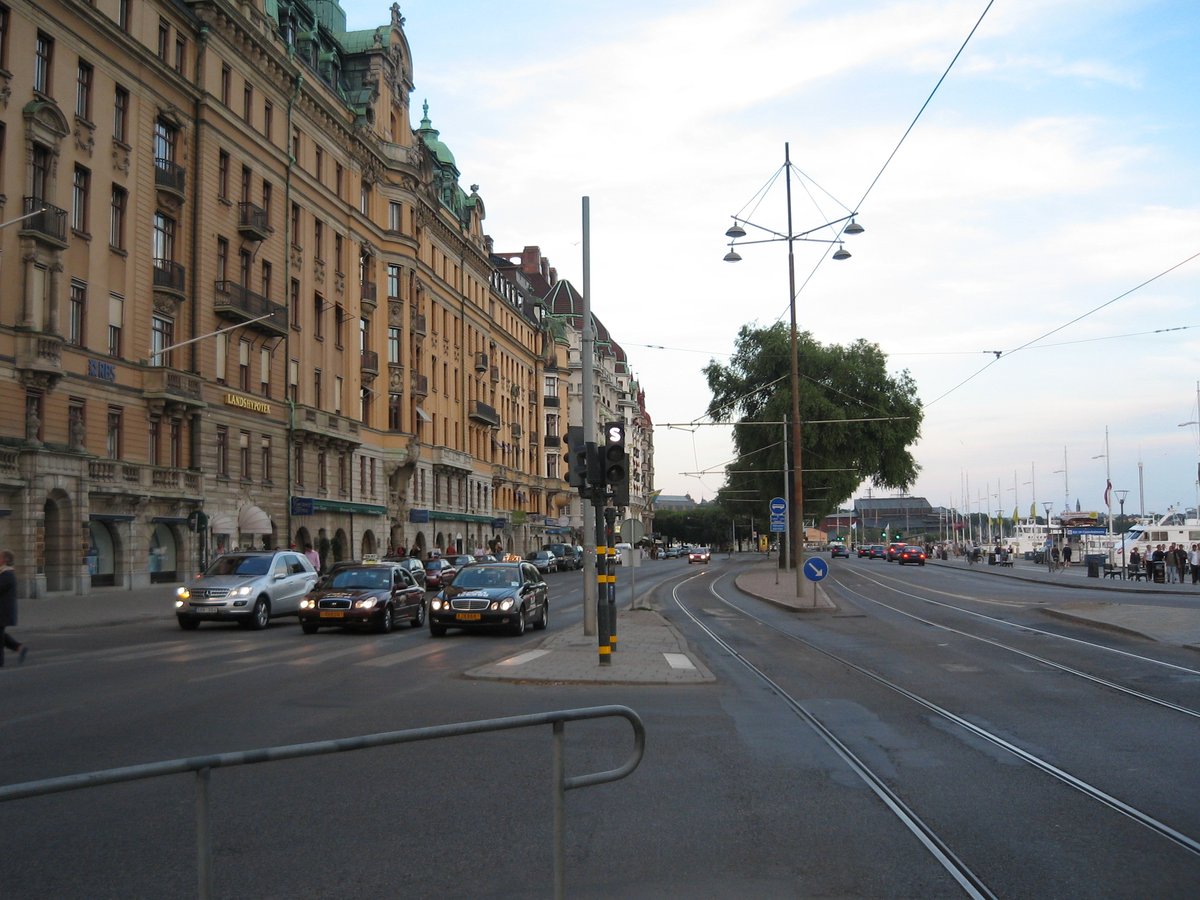
Kvarteret Bodarna derives its name from the "bodar" (storage sheds) that historically lined Stockholm’s waterfront, serving the city’s bustling maritime trade. The area’s current layout began to take shape in the late 19th century, reflecting Stockholm’s transition into a modern urban center. The central buildings, constructed between 1902 and 1904 by the renowned architectural firm Hagström & Ekman, are prime examples of the Jugendstil (Art Nouveau) movement blended with National Romanticism.
Architectural Features
- Façades and Towers The quarter is distinguished by ornately sculpted facades, decorative gables, and striking towers. Bodarne 11’s prominent tower with its lantern is a local landmark.
- Materials and Details Richly detailed portals, wrought iron balconies, and red tiled roofs with copper accents create a visually captivating streetscape.
- Urban Layout Cobblestone streets and intimate courtyards invite exploration, while the district’s open plan enhances accessibility and pedestrian flow.
Kvarteret Bodarna is recognized with "blåmärkning" by the Stockholm City Museum, the highest heritage protection, underscoring its cultural and architectural significance.
Visiting Hours and Tickets
- Public Access Kvarteret Bodarna is an open urban district. There are no entrance fees or restricted hours for strolling its streets and courtyards; the area is accessible 24/7.
- Interior Access Most buildings are residential or commercial and not open to the public. However, occasional guided tours or special events may grant access to select interiors.
- Shops, Cafés, and Galleries Venues within the quarter typically operate between 10:00 and 18:00, with extended hours during summer or special events.
(Visit Stockholm)
Accessibility and How to Get There
- Location The quarter spans the Östermalm and Gamla Stan districts, with key addresses along Strandvägen 1–5.
- Public Transport
- Metro Kungsträdgården and Gamla Stan stations are nearby.
- Trams & Buses Nybroplan is a major hub with tram and bus connections.
- SL Journey Planner Use SL Journey Planner for up-to-date routes and schedules.
- On Foot Easily walkable from major attractions such as the Royal Palace, Nybroplan, and Stortorget.
- Accessibility The area is mostly pedestrian-friendly, but cobblestone streets and some uneven surfaces may challenge those with mobility issues. Many venues have improved accessibility, and public restrooms are located near Stortorget and metro stations.
Nearby Attractions
Kvarteret Bodarna’s central location makes it a perfect base for exploring Stockholm’s historic and cultural landmarks:
- Royal Dramatic Theatre Next door, Sweden’s national stage for drama and performing arts.
- Nybroplan A lively square and transport hub.
- Gamla Stan Stockholm’s medieval core, featuring the Royal Palace, Stortorget, and Stockholm Cathedral.
- Musikaliska Kvarteret Historic concert hall and Nobel Prize landmark.
- Djurgården Island Home to museums like the Vasa Museum, ABBA The Museum, Skansen, and Gröna Lund amusement park—accessible by ferry from Nybroviken.
- Strandvägen Promenade Elegant waterfront boulevard lined with grand residences and boutique shops.
- Moderna Museet and Fotografiska Premier art and photography museums within easy reach.
For more on local events and festivals, see the Stockholm Events Calendar.
Dining, Shopping, and Events
- Dining The quarter features traditional Swedish cafés, contemporary bistros, and international eateries—many set in historic buildings. Try local favorites such as herring, gravlax, and cinnamon buns. Outdoor seating is popular in summer.
- Shopping Artisan boutiques and galleries offer Swedish design, glassware, textiles, and souvenirs. Non-EU visitors can inquire about tax-free shopping.
- Events Annual highlights include the Stockholm Culture Festival, Christmas markets, concerts at Kungsträdgården, and open-air exhibitions.
(Great drinks around town)
Practical Tips and Frequently Asked Questions (FAQ)
Practical Tips
- Footwear Wear comfortable shoes suitable for cobblestones.
- Weather Stockholm weather is variable; bring layers and a rain jacket.
- Currency Swedish krona (SEK); cards widely accepted.
- Language Swedish is official, but English is widely spoken.
- WiFi & Apps Free WiFi is available in many public areas. Download travel and navigation apps for maps and event listings.
(28 handy apps to use in Stockholm)
FAQ
Q: Are there entrance fees or tickets required?
A: No, the quarter is open to the public free of charge; some events or tours may require tickets.
Q: What are the best times to visit?
A: Daylight hours are ideal for sightseeing; early morning or late evening offers quieter experiences.
Q: Is the area accessible for those with disabilities?
A: Many spaces are accessible, but cobblestones and some historic buildings may present challenges.
Q: Are guided tours available?
A: Yes, several operators offer guided and self-guided tours, including thematic walks on history, architecture, and legends.
(Visit Stockholm Events)
Q: Where can I find public restrooms?
A: Near Stortorget, metro stations, and major squares; a small fee may apply.
Q: What sustainability practices should I follow?
A: Use public transport, recycle, and support local green businesses.
(Sustainable stay in Stockholm)