
Historical Background: Resilience Through the Centuries
Origins and Construction (1656–1695)
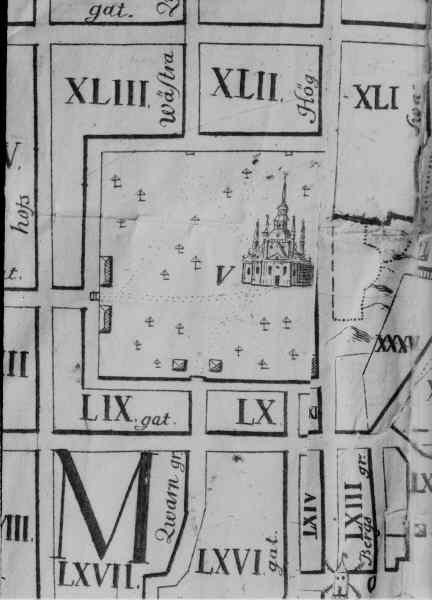
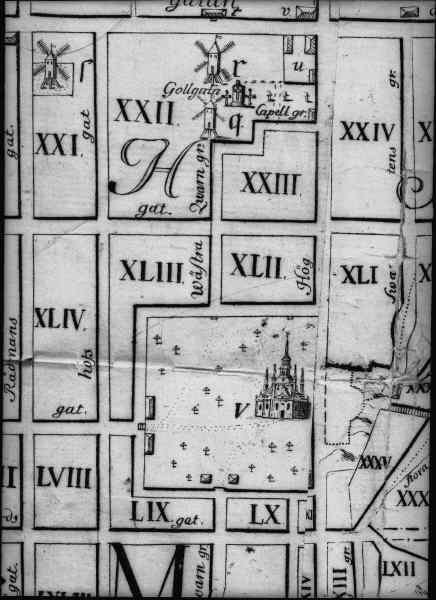
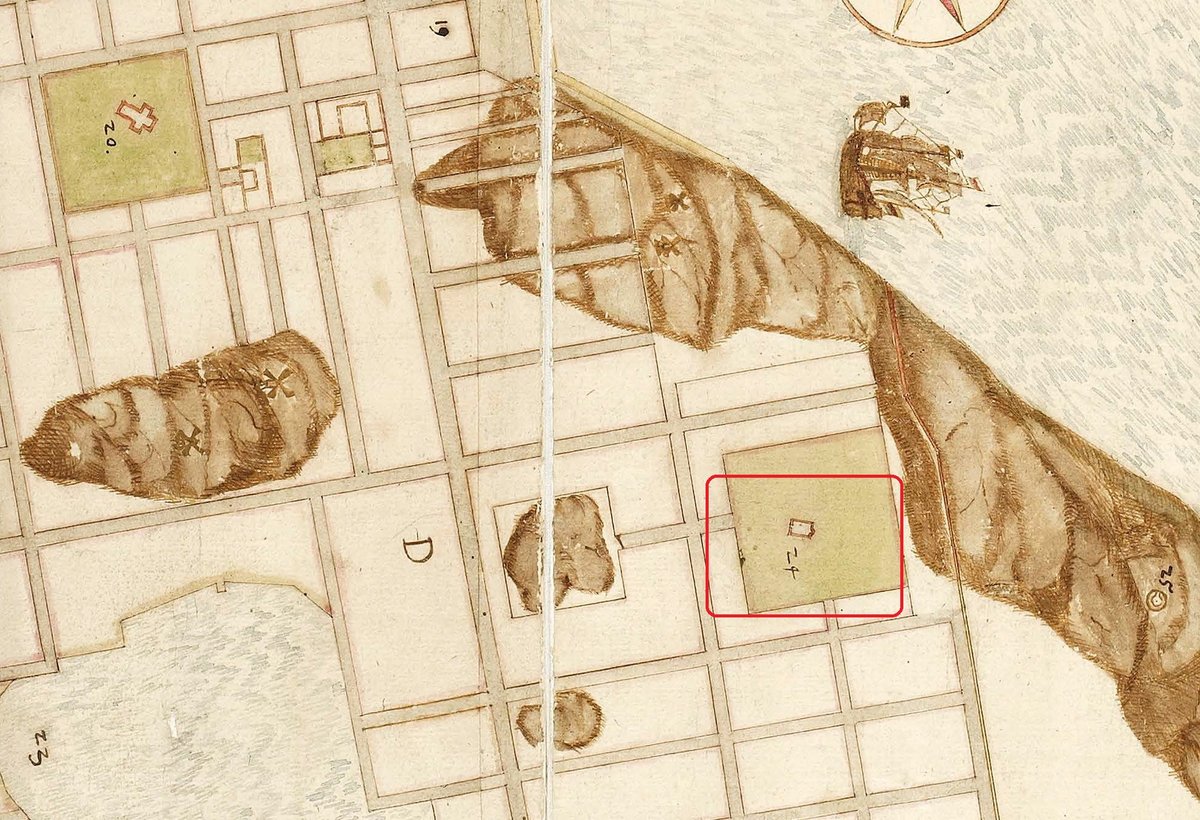
Commissioned under King Charles X Gustav and named for his mother, Princess Catherine, Katarina Church’s construction began in 1656. Esteemed architect Jean de la Vallée designed the church with a Greek cross plan and a central Baroque dome, epitomizing 17th-century grandeur. Despite delays from financial constraints, the church was consecrated in 1695, immediately becoming a focal point of the growing Södermalm district (mini-adventures.com).
The Fires and Restorations
Katarina Church has survived two catastrophic fires—in 1723 and 1990. The first, which devastated much of Södermalm, led to an ambitious Baroque reconstruction by Göran Josua Adelcrantz, who introduced an octagonal tower and expanded the church’s scale. The second fire in 1990 destroyed the tower and much of the interior, prompting a meticulous restoration led by Ove Hidemark. This effort married historical authenticity with modern safety and accessibility, culminating in the church’s reopening in 1995 (visitstockholm.com).
Katarina Church’s Architecture and Artistic Legacy
Katarina Church is a hallmark of Swedish Baroque architecture, with a distinctive Greek cross layout, ochre-yellow façades, and a copper-clad dome that soars over Södermalm. The stately porticos, pilasters, and clock tower define its exterior, while the interior is light-filled and serene, featuring whitewashed walls, gilded detailing, and significant artworks.
Highlights include:
- The Central Dome Rising 60 meters, the dome’s lantern and arched windows exemplify Baroque verticality and light.
- Altarpieces and Sculptures Notably, the main altar by Bror Hjorth blends tradition with modern expression.
- Pipe Organ The post-1990 fire organ, crafted by J. L. van den Heuvel Orgelbouw, is a centerpiece for concerts and worship.
- Stained Glass Windows Vivid glass art contrasts the calm interior, illuminating the space (sunnyathens.com).
The Churchyard and Notable Burials
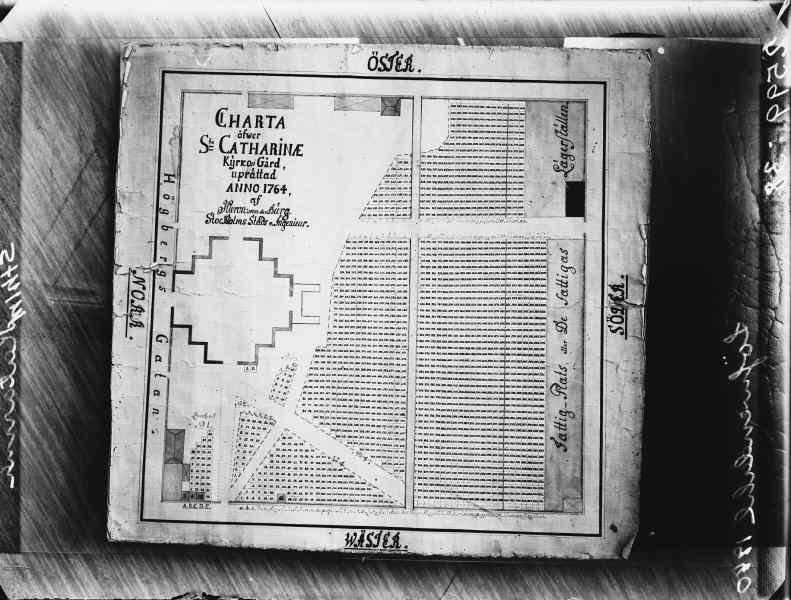
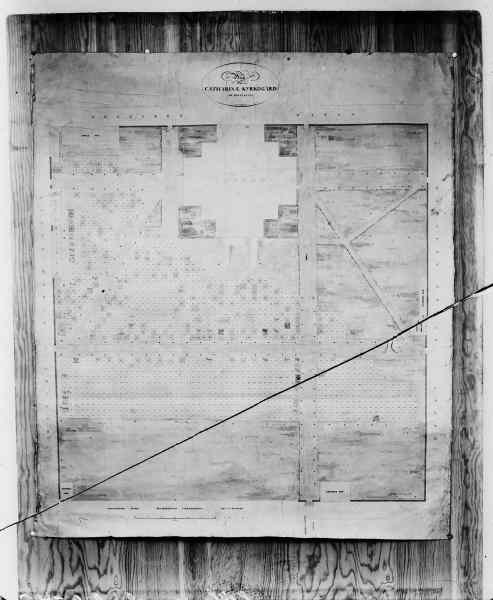
Encircling the church is one of Stockholm’s most historic cemeteries—a tranquil park-like setting with mature trees and ornate gravestones. Here lie distinguished Swedes such as:
- Anna Lindh, Foreign Minister
- Cornelis Vreeswijk, singer-songwriter
- Per Anders Fogelström, author
- Anna Lindhagen, politician and activist
The churchyard is a place for reflection and remembrance, especially poignant during autumn (Find a Grave: Katarina kyrkogård).
Katarina Church’s Role in Stockholm’s Community
Katarina Church is more than a monument; it’s a living hub for concerts, exhibitions, social programs, and spiritual gatherings. Its parish is active in social outreach, providing food aid, counseling, and integration support for newcomers, and has a longstanding commitment to openness and inclusivity, including support for LGBTQ+ rights and civic engagement (Stockholm City; Katarina församling).
The church is renowned for its choral and classical concerts—especially those featuring the acclaimed Katarina Chamber Choir—and regularly participates in city-wide commemorations, making it a touchstone of national remembrance.
Visiting Information: Hours, Tickets, Accessibility, and Directions
Opening Hours
- Monday–Friday 10:00 AM – 5:00 PM
- Saturday–Sunday 12:00 PM – 4:00 PM
- Public Holidays Closed or with reduced hours; always check the official website before your visit.
Tickets and Admission
- Entry Free for individual visitors. Donations are welcome to support preservation and community work.
- Events Special concerts or exhibitions may require tickets, available online or at the church.
Guided Tours
- Availability Seasonal, in Swedish and English; book in advance for groups.
- Content Focus on history, architecture, and art.
Accessibility
- Mobility Ramps and accessible restrooms are provided; staff are trained to assist visitors with special needs.
- Service Animals Permitted.
How to Get There
Address: Högbergsgatan 13, 116 20 Stockholm
- By Metro Slussen (Red and Green lines) or Medborgarplatsen stations; both within a 10-minute walk.
- By Bus Lines 2, 3, and 76 stop nearby.
- On Foot Easily reachable from Gamla Stan and other Södermalm attractions (freetoursbyfoot.com).
Visitor Experience: What to See and Do
- Admire the Exterior The ochre Baroque façade, octagonal dome, and clock tower are best viewed from the hilltop and nearby alleyways (theportablewife.com).
- Explore the Interior Visit the nave, stained glass, ornate altar, and impressive pipe organ.
- Attend an Organ Concert Free 20-minute recitals are held several times a week (freetoursbyfoot.com).
- Stroll the Cemetery Especially beautiful in autumn, the grounds offer a peaceful retreat and insight into Swedish history.
- Photography Non-flash photos are welcome except during services; the dome and stained glass are highlights.
Tip: Visit early on weekdays for a quieter atmosphere.
Events, Services, and Community Life
- Religious Services Open to the public, including Sunday worship, weddings, and national ceremonies.
- Concerts and Cultural Events Regularly scheduled; see the church’s event calendar for updates.
- Special Commemorations The church is a venue for national mourning and public reflection.
Practical Visitor Tips
- Language Most staff speak English; signage is primarily in Swedish.
- Dress Code Modest, respectful attire is advised.
- Restrooms Available during opening hours.
- Cafés and Facilities Södermalm abounds with nearby cafés, restaurants, and shops for a fika or meal (theportablewife.com).
- Safety The area is safe and welcoming, with well-lit streets even after dark.
Nearby Attractions and Suggested Itineraries
- Sofia Church/Vitabergsparken A short walk for more scenic views.
- SoFo District Trendy boutiques, galleries, and cafés.
- Gamla Stan Stockholm’s Old Town, with medieval streets and the Royal Palace.
- Monteliusvägen & Skinnarviksberget For panoramic city vistas (freetoursbyfoot.com).
Frequently Asked Questions (FAQ)
Q: What are the visiting hours?
A: Monday–Friday 10:00–17:00, Saturday–Sunday 12:00–16:00; check the official site for seasonal changes.
Q: Is there an entrance fee?
A: No, entry is free; donations are appreciated.
Q: Are guided tours offered?
A: Yes, seasonally, in Swedish and English—book in advance for groups.
Q: Is the church accessible?
A: Yes, with ramps and accessible restrooms. Some outdoor paths may be uneven.
Q: Can I take photos?
A: Non-flash photography is permitted except during services.
Q: How do I get there?
A: Metro (Slussen or Medborgarplatsen), bus lines 2, 3, 76, or on foot from Södermalm or Gamla Stan.
Summary
Katarina Church embodies Stockholm’s enduring spirit, artistic achievement, and inclusive community values. Its grand Baroque architecture, moving history of disaster and renewal, and vibrant cultural life make it a must-visit destination. Admission is free, accessibility is prioritized, and the location offers sweeping city views and proximity to Södermalm’s best attractions. To enrich your visit, check current opening hours and events on the official website and consider exploring with a self-guided audio tour.
Plan your journey today to experience one of Stockholm’s most inspiring historical sites. For deeper insights and updates, follow related posts, download the Audiala app, and stay connected via social media for the latest events and travel inspiration.