

Early Beginnings - From Market Square to Urban Landmark
The plaza's origins can be traced back to the 13th century, during the reign of Alfonso II of Asturias. Recognizing the need for a designated marketplace, he granted permission for a market to be established outside the city walls, in an area known as "Fonticellum" – a name hinting at the presence of a natural spring or fountain. This market, initially held on Sundays, became a pivotal point for trade and social interaction.
Over time, the market's popularity grew, attracting merchants and shoppers from surrounding areas. This led to the gradual development of permanent structures around the square, transforming it from an open market space into a bustling commercial hub. The 16th century saw the construction of several notable buildings, including the Church of San Juan el Real, which still stands today as a testament to the plaza's enduring history.
The Fire of 1756 and the Birth of a New Fontán
Tragedy struck in 1756 when a devastating fire swept through Oviedo, engulfing Plaza del Fontán and reducing much of it to ashes. This catastrophic event, while marking a dark chapter in the city's history, also paved the way for a remarkable rebirth.
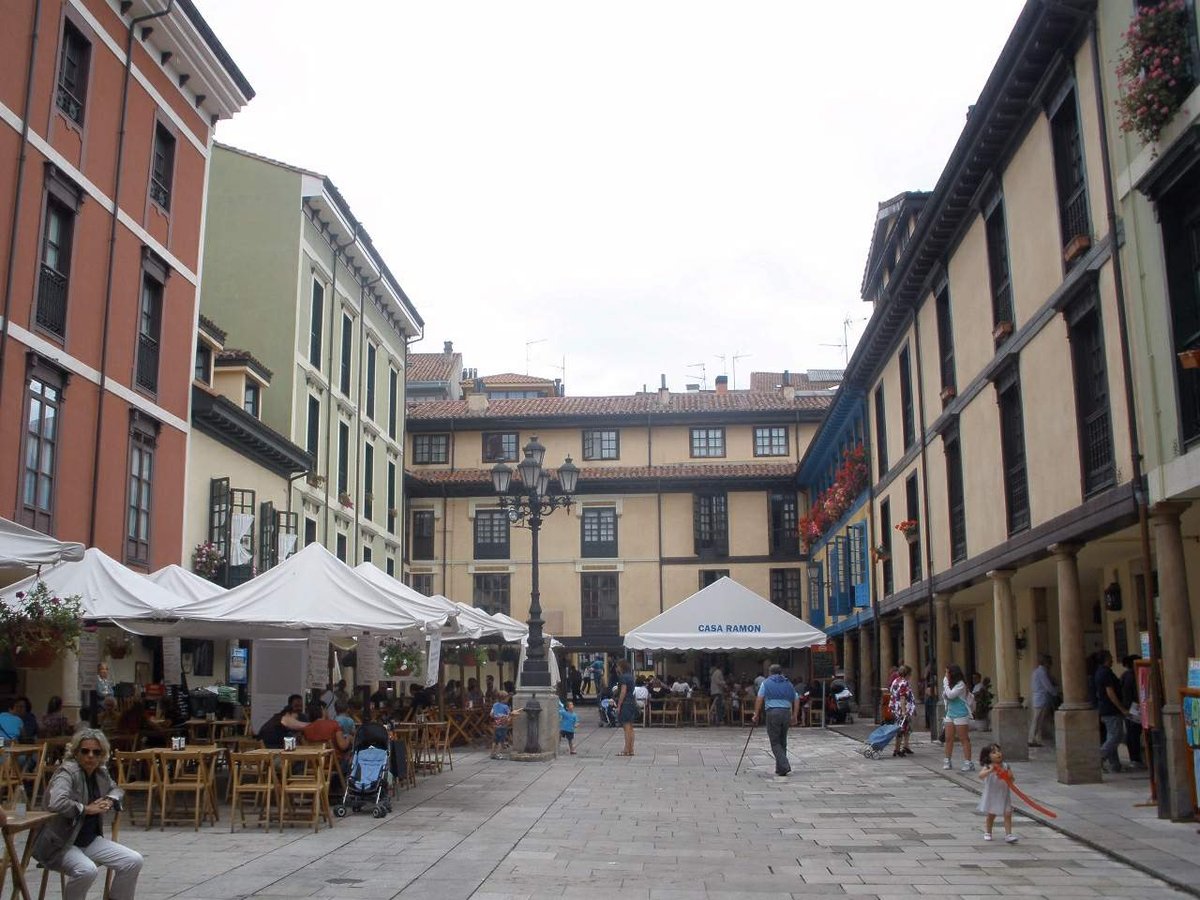
The reconstruction efforts, spearheaded by the enlightened spirit of the 18th century, aimed to create a more modern and organized urban space. Architect Francisco Pruneda took the helm, designing a new plaza with a focus on functionality and aesthetics. The result was a harmonious blend of Baroque and Neoclassical styles, evident in the elegant arcades and uniform facades that still characterize the plaza today.
A Hub of Commerce and Social Life
Throughout the 19th and 20th centuries, Plaza del Fontán continued to thrive as a commercial center. Its arcades housed a diverse array of shops, from traditional grocery stores and taverns to artisan workshops and boutiques. The plaza's central location made it a natural gathering place for locals and visitors alike, fostering a vibrant social scene that spilled out from the market stalls into the surrounding streets.
Plaza del Fontán Today - A Blend of Tradition and Modernity
Today, Plaza del Fontán remains a beloved landmark and a testament to Oviedo's rich heritage. While the daily market has evolved, it still retains its traditional charm, offering a sensory experience with its colorful displays of fresh produce, local cheeses, and regional delicacies. The surrounding arcades continue to house a variety of shops and businesses, while the numerous restaurants and cider houses lining the square offer a taste of Asturian gastronomy.
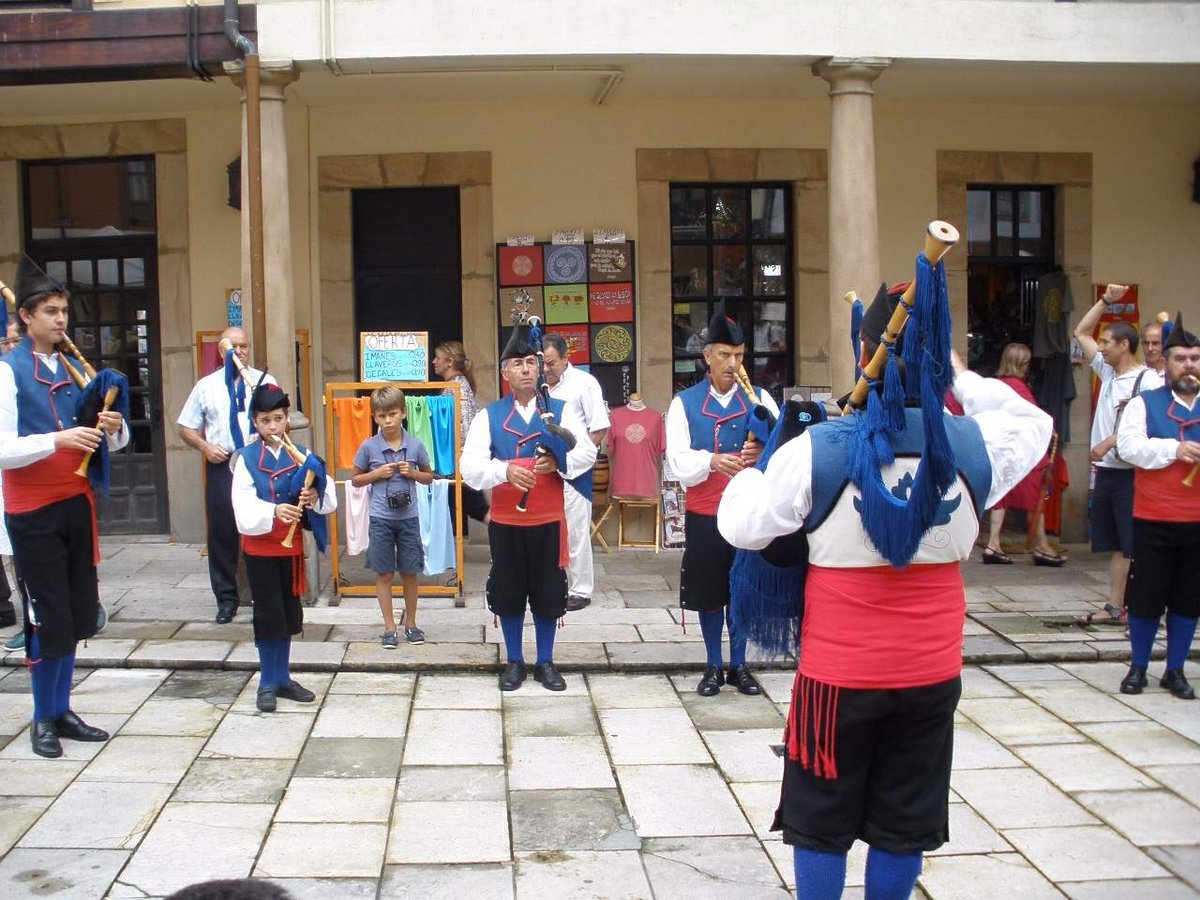
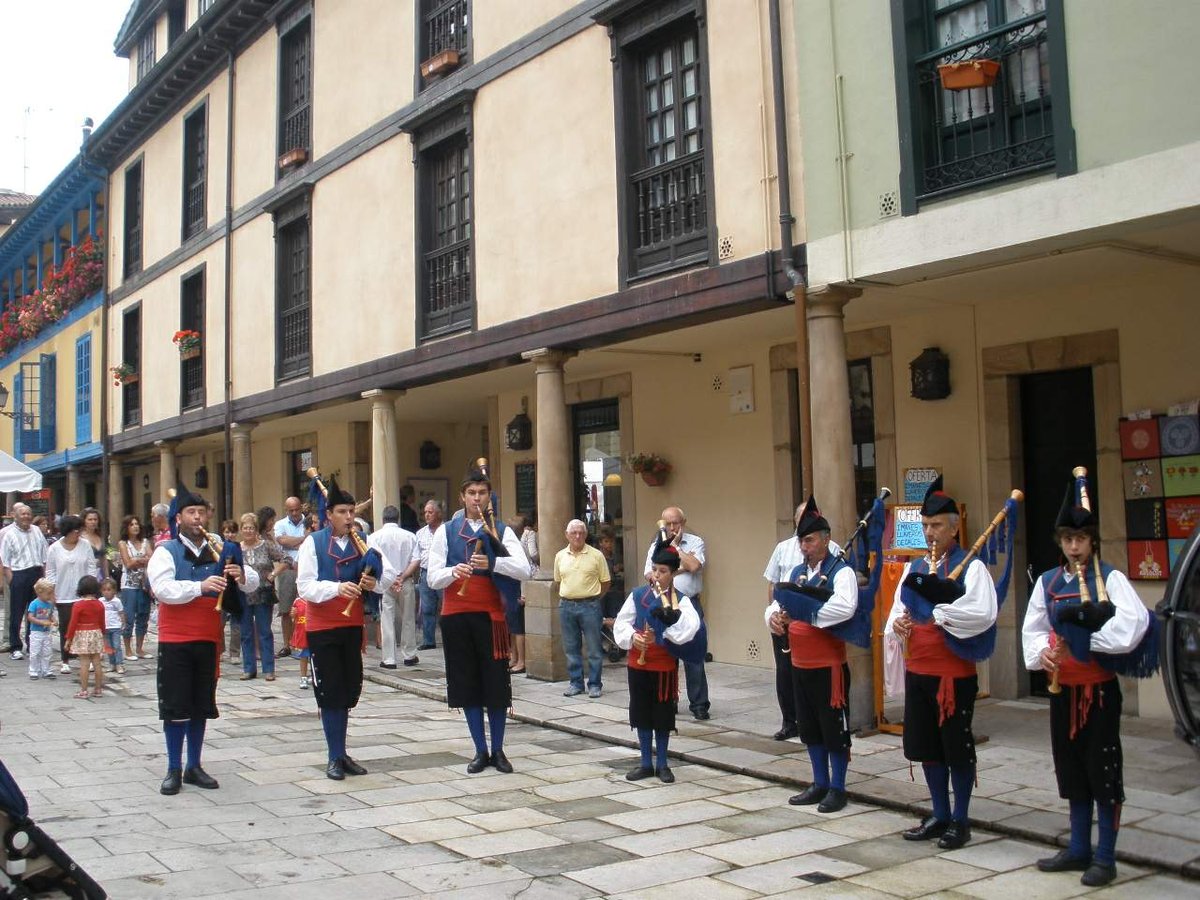
The plaza's significance extends beyond its commercial and historical value. It serves as a cultural hub, hosting events, festivals, and celebrations throughout the year. From the lively atmosphere of the weekly market to the joyous festivities of the Antroxu carnival, Plaza del Fontán pulsates with the energy of Oviedo's cultural spirit.
Visitor Information
Visiting Hours
Plaza del Fontán is open to visitors 24/7. However, the market operates from Tuesday to Saturday, typically from 9 AM to 2 PM.
Tickets
No admission fee is required to visit Plaza del Fontán. However, costs may vary for events and festivals held in the plaza.
Accessibility
The plaza is wheelchair accessible, with smooth pavements and ramps available.
Nearby Attractions
While in Oviedo, consider visiting the nearby Cathedral of San Salvador, the Archaeological Museum of Asturias, and the charming Campo de San Francisco park.
Architectural Gems and Hidden Details
A stroll through Plaza del Fontán is akin to stepping back in time. The architectural elements whisper tales of bygone eras, inviting visitors to uncover the stories etched into the very fabric of the square.
The Arcades
The elegant arcades, a defining feature of the plaza, were designed not only for their aesthetic appeal but also for their practicality. They provided shelter from the elements, allowing merchants to display their wares and shoppers to browse comfortably, regardless of the weather.
The Fountain
While the original fountain that gave the plaza its name no longer exists, a modern fountain now graces the center of the square, serving as a reminder of its historical roots.
The Church of San Juan el Real
This 16th-century church, with its imposing facade and ornate interior, stands as a testament to the plaza's enduring history. Its presence adds a touch of grandeur to the surrounding architecture.
The Buildings
The buildings surrounding the plaza, with their uniform facades and colorful paintwork, showcase the architectural harmony achieved during the post-fire reconstruction. Many of these buildings still bear witness to their past lives as shops and workshops, with faded signs and architectural details hinting at their former functions.
Experiencing Plaza del Fontán
Plaza del Fontán is best experienced by immersing oneself in its vibrant atmosphere. Here are some tips for making the most of your visit:
- Visit during market day The plaza truly comes alive on market days, typically held from Tuesday to Saturday. Witness the hustle and bustle of local vendors and shoppers, and savor the sights, sounds, and smells of this age-old tradition.
- Explore the arcades Take your time to wander through the arcades, browsing the diverse array of shops and soaking up the unique ambiance.
- Indulge in Asturian cuisine Treat your taste buds to the flavors of Asturias at one of the many restaurants and cider houses surrounding the plaza. Sample local specialties like fabada asturiana (a hearty bean stew), cachopo (breaded veal fillets filled with ham and cheese), and of course, the region's famous cider.
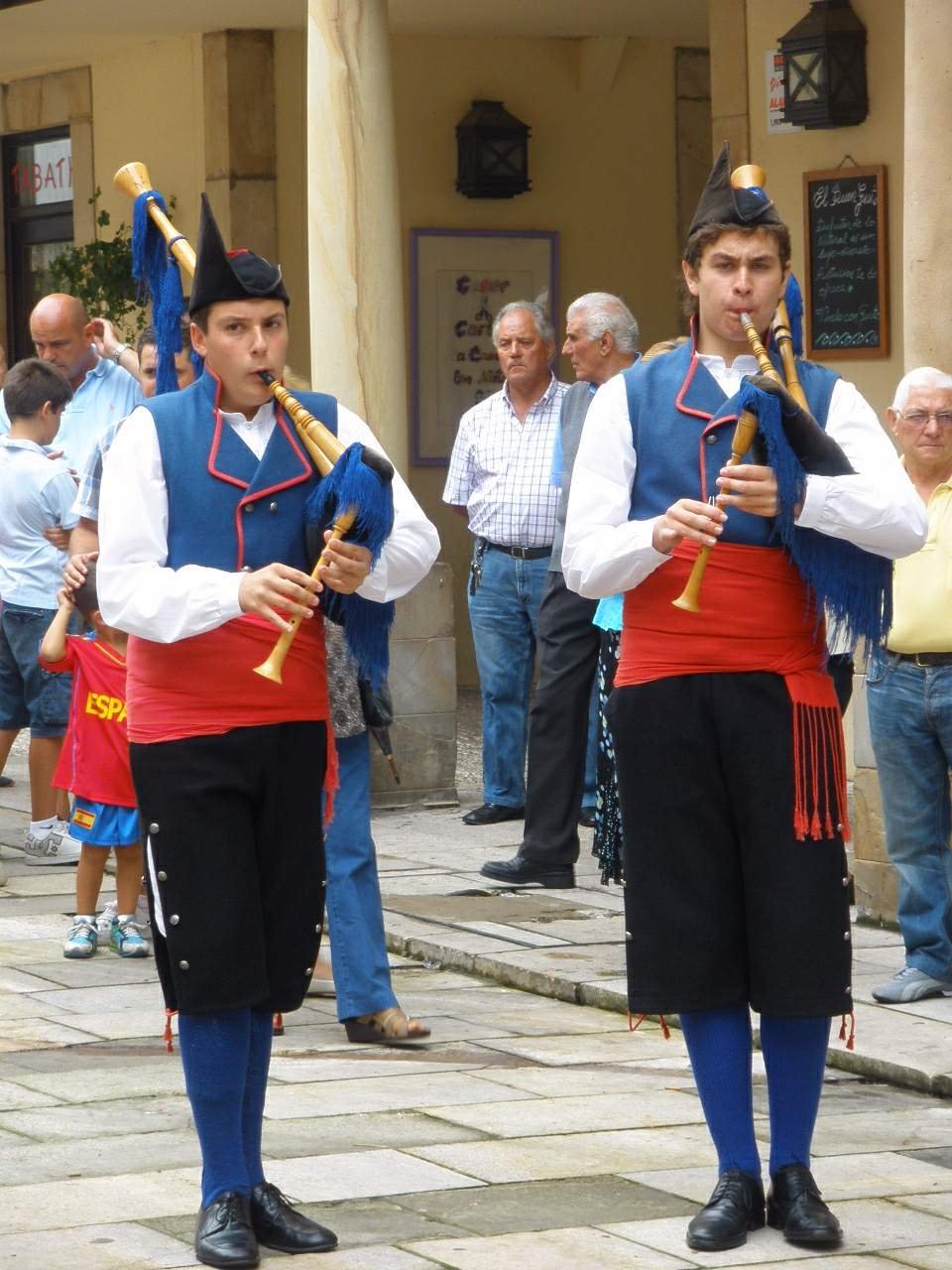
- Attend an event Check the local calendar for events and festivals taking place in the plaza. From traditional music performances to art exhibitions, there's always something happening in this lively hub.
- Capture the beauty Don't forget your camera! Plaza del Fontán offers endless photo opportunities, from the architectural details of the buildings to the vibrant colors of the market stalls.
FAQ
-
What are the visiting hours for Plaza del Fontán? Plaza del Fontán is open 24/7, but the market operates from Tuesday to Saturday, typically from 9 AM to 2 PM.
-
Are there guided tours available at Plaza del Fontán? While there are no official guided tours, local tour companies often include the plaza in their walking tours of Oviedo.
-
Is there an admission fee for Plaza del Fontán? No, visiting the plaza is free of charge.
Discover More
For more information on Oviedo's historical sites and upcoming events, download the Audiala mobile app, check out our other related posts, and follow us on social media for the latest updates. (source)