What the Sede Central de Caja Granada Is
The Sede Central de Caja Granada is a modern architectural landmark and cultural hub in Granada, Spain. Designed by Alberto Campo Baeza and completed in 2001, it is known for its minimalist design and use of natural light. Originally the headquarters of Caja General de Ahorros de Granada, it now forms part of a cultural complex that includes the CajaGranada Cultural Center and Museo Memoria de Andalucía.
History
Origins and urban significance
Conceived in the late 20th century as the central office for Caja General de Ahorros de Granada, the building brought the bank’s operations together under one roof and symbolized economic growth and the modernization of Granada’s urban fabric. The architectural commission was awarded to Alberto Campo Baeza in 1992, and construction took place from 1998 to 2001.
Its location on Granada’s southern periphery reflects the city’s expansion and the area’s transformation into a civic and cultural district (Arquitectura Viva). The headquarters was designed as an urban landmark: its cubic geometry and monumental scale give the area a strong identity, contrasting with neighboring developments while complementing cultural institutions established nearby. The addition of the Andalucía Museum of Memory helped make the site a focal point for financial and cultural activities (Arquitectura Viva).
Architecture
Campo Baeza’s design combines minimalism, geometry, and a poetic use of light. A semi-cubic volume sits above a robust podium that addresses the sloping site and houses essential services. The main volume is built on a 3 x 3 x 3 meter grid of reinforced concrete, creating a structural rhythm and a framework for natural light (Campo Baeza Official Site).
At the center is an atrium described as an “impluvium of light.” Sunlight enters through skylights and illuminates alabaster surfaces. Seven floors of offices surround the atrium, with open-plan workspaces to the south and individual offices to the north. Brise-soleil sunshades filter strong sunlight and contribute to energy efficiency (Metalocus).
The restrained material palette includes exposed concrete, stone, glass, and alabaster. Four massive concrete columns support the roof, while a travertine garden with orange trees brings Andalusian tradition into the modern setting (Arquitectura Viva).
Though modern in appearance, the building’s proportions and central atrium evoke Granada’s cathedral, creating a dialogue between past and present. It is recognized as a benchmark in contemporary Spanish architecture and has inspired visitors and professionals internationally (Afasia Archzine).
What to See
CajaGranada Cultural Center
The adjacent CajaGranada Cultural Center, also designed by Campo Baeza, has a minimalist concrete and glass façade, a ten-story “screen building” called Puerta de las Culturas, and an elliptical central patio inspired by the Palace of Charles V in the Alhambra. Its panoramic restaurant offers sweeping views of Granada (Arquitectura Viva, Hoy es Arte).
Museo Memoria de Andalucía
The museum explores Andalusia’s history and culture through interactive multimedia exhibits, digital installations, and hands-on workshops for all ages (Andalucia Diary). It is also described as a model of innovative museology in Spain (CajaGranada Fundación).
Cultural program and facilities
The Isidoro Máiquez Theatre hosts performances, concerts, and dance. The center also has rotating exhibitions and a flexible event space, Patio Elíptico; educational workshops on art, heritage, and technology; and festivals and concerts in the Plaza de las Culturas.
Visitors can find accessible restrooms, a gift shop selling books and local souvenirs, Wi-Fi in public spaces, and secure underground visitor parking. A panoramic restaurant is located in the adjacent museum.
Images and virtual tours
Images and virtual tours of the central atrium, brise-soleil façades, and interactive museum exhibits are available on the Campo Baeza Official Site and official museum website.
Practical Visiting Information
Location and getting there
The address is Avenida de la Ciencia 2, 18006 Granada, Spain (CajaGranada Fundación). The cultural center is accessible by public transport, taxi, car, or on foot from the city center. Parking is available on-site.
Hours and renovation information
The Sede Central building’s exterior and gardens are accessible daily from 9:00 AM to 7:00 PM. Its administrative interior is generally closed to the public.
Museum hours are typically Tuesday to Saturday, 10:30 AM–3:00 PM, with Thursday and Friday hours until 8:00 PM; it is closed on Mondays (IBN Battuta Travel). Check the official website for current information.
As of June 2025, parts of the Sede Central de Caja Granada are closed for renovations, with anticipated reopening hours of 10:00 AM to 7:00 PM, Tuesday through Sunday (Granada Tourism). Check the Granada Tourism website for updates and ticketing.
Tickets and accessibility
No ticket is required to visit the exterior, and access to the administrative interior is restricted. Cultural center admission ranges from free to €10, with discounts for students, seniors, and groups (WhichMuseum). Another stated price range for museum tickets is €5–€10, with discounts; most exterior visits and cultural events are free.
The gardens and paths are paved and accessible for visitors with mobility needs. The cultural center also has ramps, elevators, tactile guides, and multilingual programs.
Tips
- Early morning or late afternoon offers optimal lighting and cooler temperatures.
- Weekday mornings can help avoid crowds.
- Photography is allowed in public spaces; ask about restrictions in exhibitions.
- Guided tours and English-language materials are available. Groups and visitors interested in special exhibitions can pre-book.
- Virtual maps or apps can enhance exploration. The Audiala app is also suggested for personalized itineraries.
Nearby Places
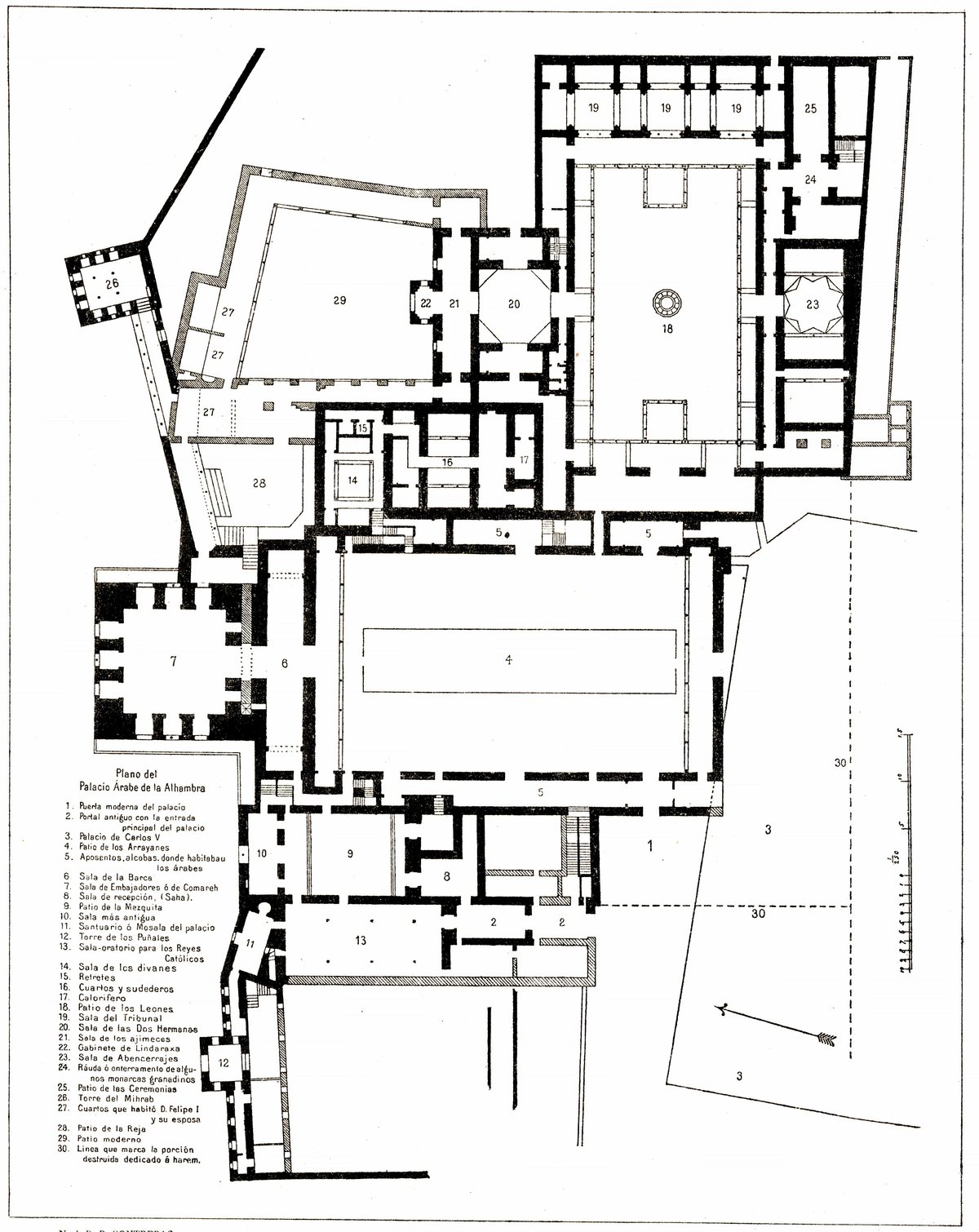
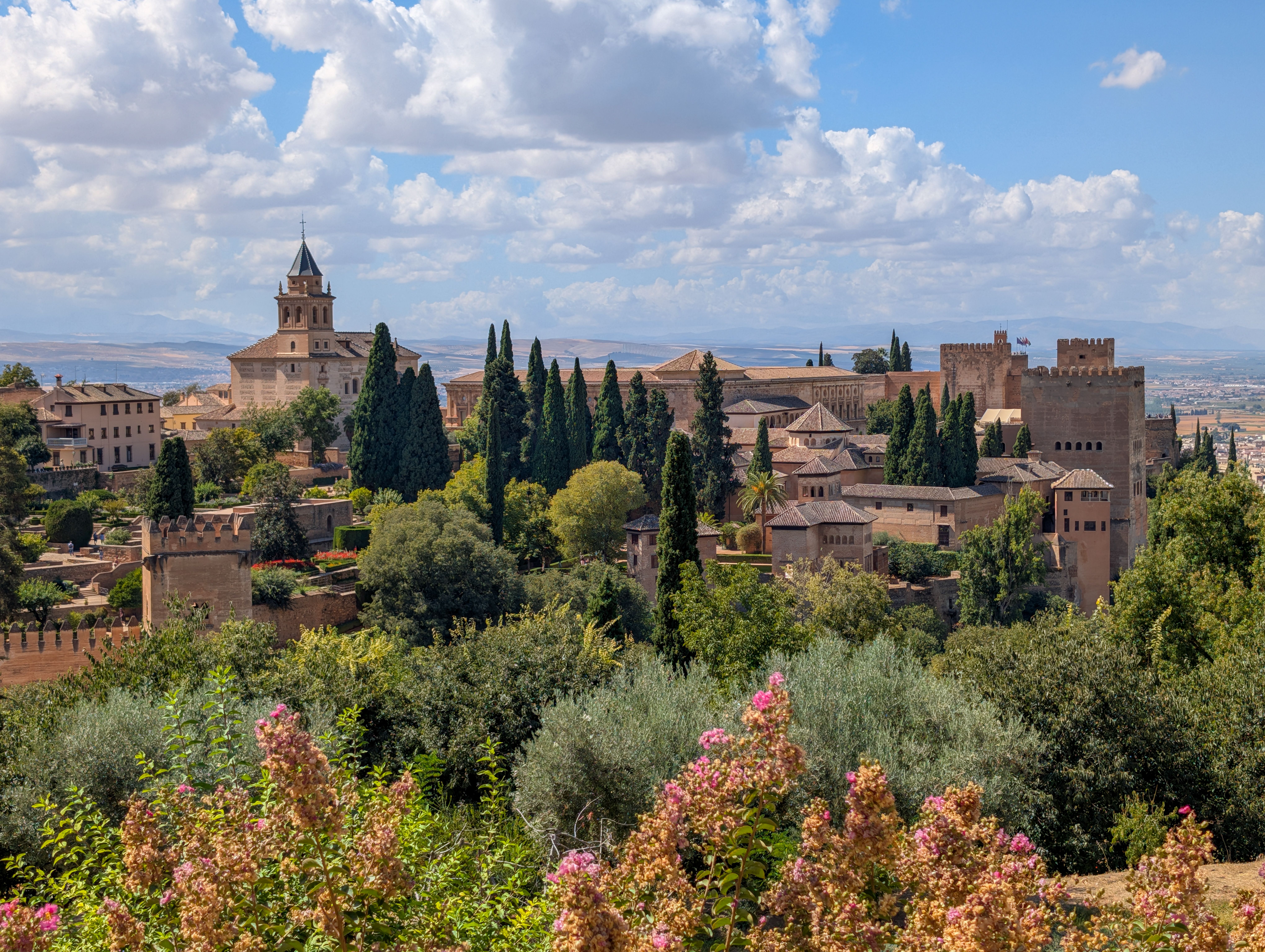
- Alhambra Palace Moorish masterpiece.
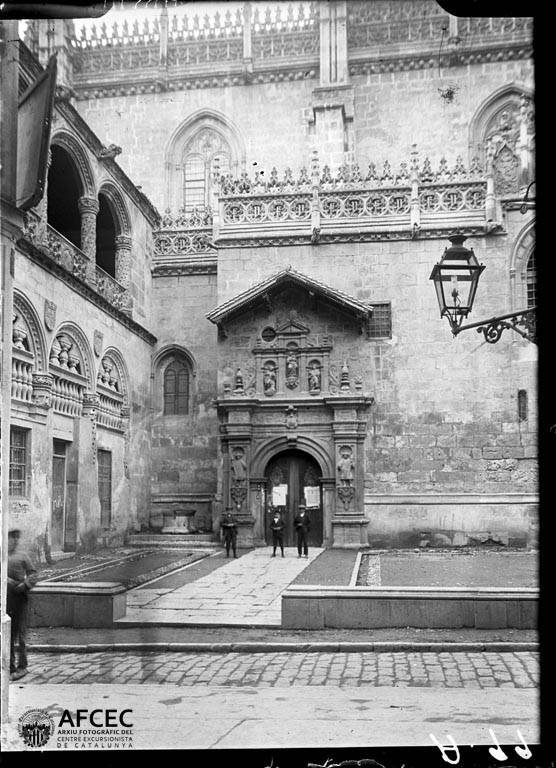
- Granada Cathedral Renaissance architecture.
- Granada Science Park Interactive science museum.
- Historic city center.
The Andalucía Museum of Memory and these nearby attractions are reachable from the cultural center (Granada Tourism, WhichMuseum).
Frequently Asked Questions
Q: Can I enter the Sede Central de Caja Granada?
A: The administrative interior is generally closed to the public, but the exterior and gardens are accessible.
Q: What are the visiting hours for the CajaGranada Cultural Center?
A: The usual museum hours and the anticipated renovation reopening hours are listed above; check the linked official sources for updates.
Q: Are guided tours available?
A: Yes. Tours are available, especially at the museum and for architectural groups; check the website for schedules.
Q: Is the center accessible for people with disabilities?
A: Yes. Accessibility features include ramps, elevators, and tactile guides.
Q: What are ticket prices?
A: The listed ranges and free-admission details are given above.