Origins and Construction
Construction of Granada Cathedral began in 1523, shortly after the Catholic Monarchs reclaimed Granada from Moorish rule in 1492. The cathedral was initially designed in the Gothic style by Enrique Egas, but the project soon shifted to Renaissance aesthetics under Diego de Siloé, with Baroque elements later added by Alonso Cano. The building process spanned nearly two centuries, culminating in 1704, and resulting in a unique fusion of architectural styles (Voyage Tips).
Symbolic Significance
Erected on the site of the city’s main mosque, the cathedral’s construction marked the triumph of Christianity in Granada and the unification of Spain under Catholic rule. Its dedication to the Virgin of the Incarnation reflects both religious devotion and the political vision of Ferdinand and Isabella, whose tombs rest in the adjacent Royal Chapel (Cicerone Granada, Espanaguide).
Architectural Highlights
Exterior
The cathedral’s imposing facade showcases Spanish Renaissance architecture, with dramatic vertical lines, Corinthian columns, and statues of saints. Notably, the bell tower remains incomplete, yet the structure’s grandeur dominates Granada’s skyline (Voyage Tips).
Interior
Inside, visitors encounter a vast nave supported by towering white marble columns, a Latin cross floor plan, and over 15 chapels. Key features include:
- Main Altar A Renaissance masterpiece adorned with gilded details.
- Choir Stalls Finely crafted woodwork depicting scenes from the lives of Christ and the Virgin Mary.
- Pipe Organs Two impressive 18th-century instruments still used for liturgical music.
- Stained Glass Large windows flood the nave with natural light, enhancing the spiritual ambiance.
Cultural and Religious Importance
Granada Cathedral remains an active center for worship and community life. It hosts regular Masses, sacraments, concerts, and cultural events, particularly during Holy Week and other major feasts (Catedral de Granada Official Site). The site’s transformation from mosque to cathedral stands as a testament to the city’s complex religious and cultural history, inviting reflection on unity and diversity (Wikipedia).
Visitor Information
Location and Access
- Address Plaza de las Pasiegas, 18001 Granada, Spain
- Getting There The cathedral is centrally located and easily accessible on foot from major landmarks like the Albaicín and the Alhambra. Several city buses stop nearby, and taxis are readily available. Parking is limited in the historic center, so walking is recommended (explorial.com).
Visiting Hours
- Monday to Saturday 10:00 AM – 6:30 PM
- Sunday and Public Holidays 2:00 PM – 6:30 PM
Hours may vary during religious celebrations; confirm on the official website.
Ticket Information
- General Admission €5
- Reduced Admission €3 (students, seniors)
- Free Children under 12 and Granada residents
Tickets can be purchased onsite or online via the official ticketing portal, which is advisable during peak seasons. Combination tickets are available for the Royal Chapel and other religious sites (catedraldegranada.com).
Accessibility
The cathedral is wheelchair accessible, with ramps at the main entrance and accessible restrooms. Some areas may have uneven flooring, so contact staff in advance for specific accommodations (catedraldegranada.com).
Guided Tours and Audio Guides
- Guided Tours Available in Spanish and English, offering historical and artistic insights. Advance booking is recommended.
- Audio Guides Available for rent onsite or via the Audiala app, with options for visitors with hearing difficulties (explorial.com).
Visitor Etiquette and Photography
- Dress Code Modest attire required—shoulders and knees must be covered. Men should remove hats inside (community.ricksteves.com).
- Behavior Maintain a respectful atmosphere by speaking softly and silencing mobile devices.
- Photography Allowed without flash. Tripods and selfie sticks may be restricted, and photography is prohibited during Mass or in certain chapels (explorial.com).
Facilities and Amenities
- Restrooms Available inside the cathedral complex.
- Gift Shop Sells religious items, books, and souvenirs.
- Dining Numerous cafés and restaurants surround Plaza de las Pasiegas (lovegranada.com).
- Cloakroom Not available—travel light.
Nearby Attractions
Capilla Real de Granada (Royal Chapel)
Adjacent to the cathedral, the Royal Chapel houses the tombs of Ferdinand and Isabella and contains prized Flemish paintings and royal relics. Separate ticket required (Nomads Travel Guide).
Alcaicería
A historic silk market with Moorish-style alleys and shops selling ceramics, textiles, and souvenirs.
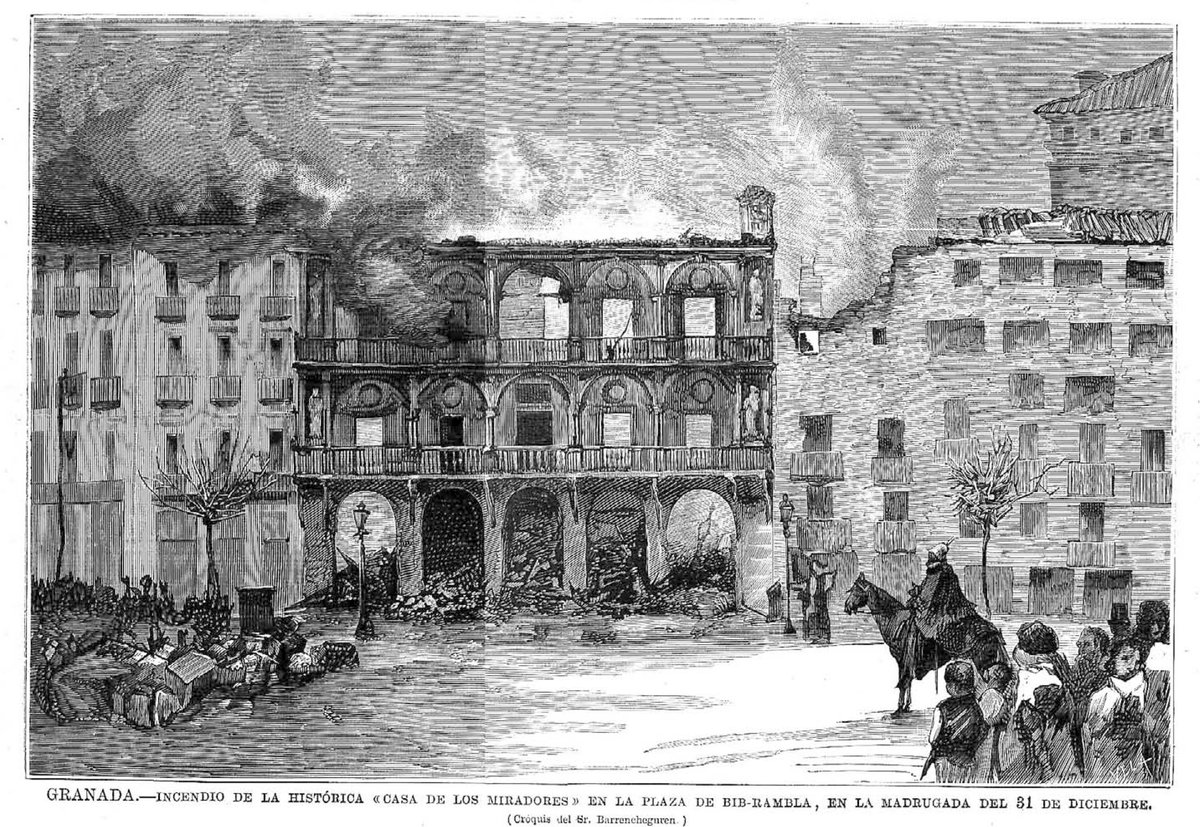
Plaza Bib-Rambla
A lively square ideal for coffee breaks and people-watching.
Corral del Carbón
The only surviving Nasrid-era alhóndiga in Spain, now hosting cultural events.
Alhambra and Generalife
Granada’s most iconic monument, about 20–25 minutes on foot from the cathedral. Tickets must be purchased well in advance.
Albaicín Neighborhood
Granada’s ancient Moorish quarter, known for its narrow streets and scenic views. A 10–15 minute walk from the cathedral.
Iglesia del Sagrario
A Baroque church attached to the cathedral, built on the former mosque site.
Calle Reyes Católicos and Tapas Bars
A vibrant street for experiencing Granada’s tapas culture.
Suggested Itineraries
Half-Day Itinerary
- Granada Cathedral (1–1.5 hours)
- Capilla Real (45–60 minutes)
- Alcaicería (20–30 minutes)
- Plaza Bib-Rambla (20–30 minutes)
- Optional: Corral del Carbón (15–20 minutes)
Full-Day Itinerary
- Morning: Cathedral, Capilla Real, Alcaicería, Plaza Bib-Rambla, Corral del Carbón
- Lunch: Tapas on Calle Reyes Católicos
- Afternoon: Alhambra and Generalife
- Evening: Albaicín and sunset at Mirador de San Nicolás
Practical Tips
- Plan Ahead Buy tickets online during peak seasons.
- Combine Visits Include the Royal Chapel for a comprehensive historical experience.
- Best Times Early morning or late afternoon for fewer crowds and better light.
- Footwear Wear comfortable shoes for stone floors and walking.
- Hydration Bring water but avoid eating or drinking inside.
- Respect Services Remain quiet and avoid restricted areas during religious ceremonies.
FAQs
Q: Where can I buy tickets?
A: Onsite at the ticket office or online.
Q: What are the visiting hours?
A: Monday to Saturday, 10:00–18:30; Sundays and holidays, 14:00–18:30.
Q: Is the cathedral accessible for visitors with reduced mobility?
A: Most areas are accessible; contact staff for details.
Q: Can I take photos?
A: Yes, without flash. Tripods and selfie sticks may be restricted.
Q: Are guided tours available?
A: Yes, in Spanish and English. Booking ahead is advised.
Contact Information
- Address Plaza de las Pasiegas, 18001 Granada, Spain
- Phone +34 958 22 29 59
- Email [email protected]
- Official Website catedraldegranada.com