Quick Visitor Information
- Opening Hours Monday to Friday, 9:00 AM – 3:00 PM
- Tickets Free entry
- Location Left bank of the Genil River, approximately 1 km from Granada’s city center
- Accessibility The site accommodates visitors with reduced mobility
- Guided Tours & Events Organized through the Francisco Ayala Foundation; check their website for schedules and special programming
Historical Background
Origins and Historical Significance
Built around 1218–1219 by Sayyid Ishaq, the Almohad governor of Granada, the Alcázar Genil—originally known as al-Qasr al-Sayyid—was designed as an almunia, or rural palace, with expansive gardens and an impressive albercón, a reservoir used for both irrigation and recreational events like mock naval battles. With the rise of the Nasrid dynasty, particularly under Sultan Yusuf I, the palace was transformed into a secondary royal residence, acquiring intricate stucco, geometric motifs, and Kufic inscriptions that exemplify Nasrid artistry. The palace is notably associated with Aixa al-Horra, mother of the last Nasrid king, Boabdil, who resided here during Granada’s final years under Muslim rule.
Christian Reappropriation and Later Developments
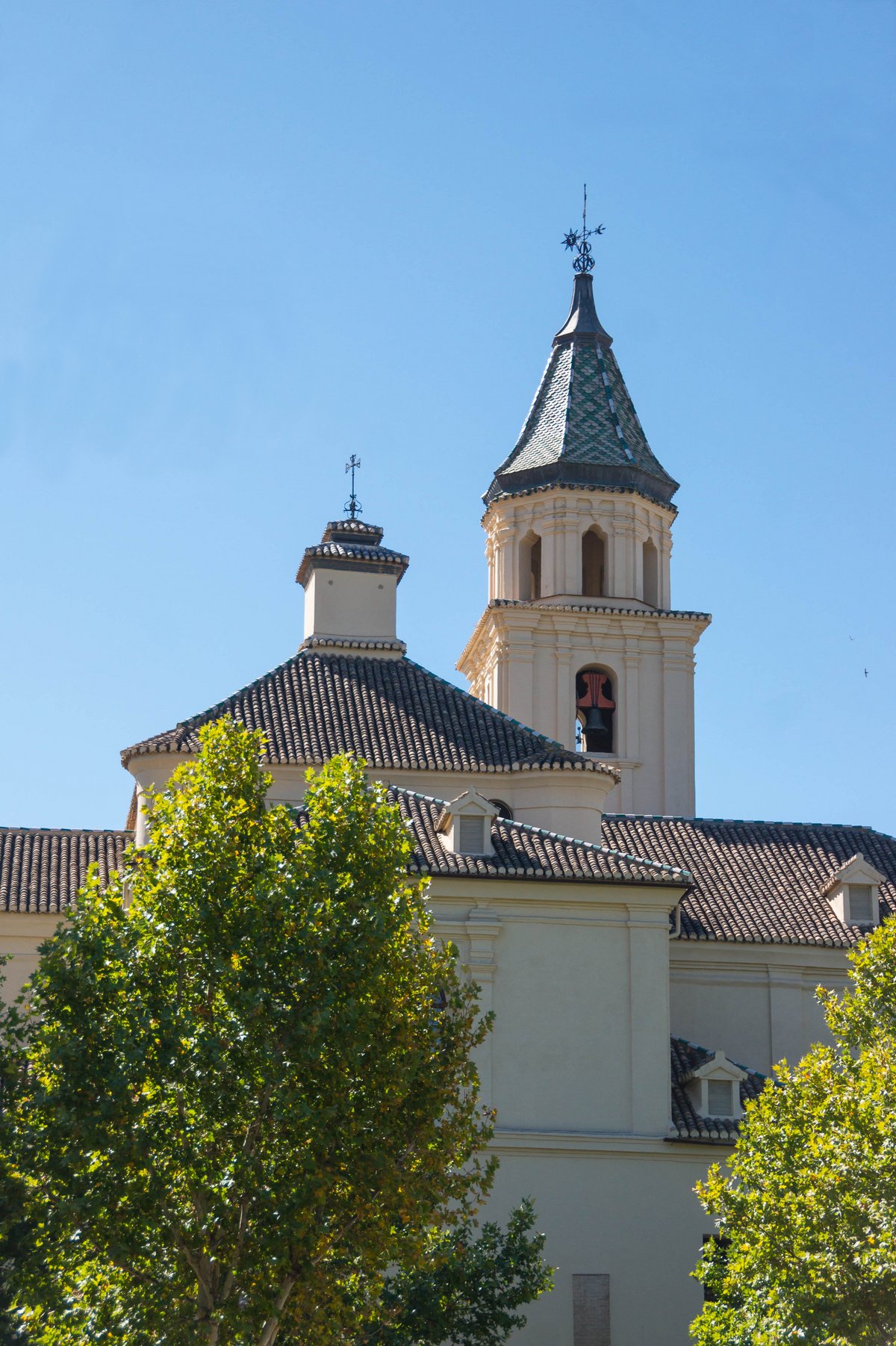
After the 1492 conquest of Granada by the Catholic Monarchs, the Alcázar Genil became a Christian estate, and the Ermita de San Sebastián chapel was added to its grounds. Over the centuries, the property changed hands, underwent garden destruction, and was altered by urban development. Restoration initiatives in the late 20th century have preserved the central Nasrid pavilion (qubba) and key decorative elements, ensuring the site’s continued cultural relevance.
Architectural Highlights
- Entrance & Layout The palace is entered through a pointed horseshoe arch, leading into a central hall with a wooden dome and lattice windows filtering natural light.
- Interior Decoration Stucco vegetal motifs, Kufic script, and original blue and white tiled floors showcase Nasrid craftsmanship.
- 19th-Century Enhancements Architect Rafael Contreras added lateral wings and a portico that complement the Nasrid structure without overshadowing its character.
- Gardens The surrounding Andalusian gardens are planted with myrtle, lavender, pomegranate, and hackberry, creating a serene environment for visitors.
The Albercón and the Archaeological Experience
A defining feature of the estate was its massive albercón, a reservoir stretching over 120 meters. During the construction of the Granada Metro, remains of this medieval hydraulic marvel were uncovered and are now preserved beneath the Alcázar Genil metro station. Visitors can view these archaeological remains, blending Granada’s medieval and modern histories (HeyGranada).
Planning Your Visit
Getting There
- By Metro The Alcázar Genil metro station is directly adjacent to the palace and fully accessible.
- By Bus Lines 5, 11, and 21 all stop within a few minutes’ walk of the site (Thrillophilia).
- On Foot The palace is within walking distance of central Granada.
- By Car Limited street parking; public transport recommended.
Visitor Services & Facilities
- Central Pavilion Open to visitors, featuring exhibitions and cultural activities.
- Library & Exhibition Spaces Managed by the Francisco Ayala Foundation, with temporary exhibits and access to Ayala’s personal collection.
- Restrooms & Amenities Available in the pavilion and metro station.
- Accessibility Ramps, modern entrances, and fully accessible event spaces, including the Jiménez Torrecillas multi-purpose hall (2031Granada).
- Gardens Well-maintained and home to a friendly community of feral cats (Reddit).
Events and Activities
The Francisco Ayala Foundation hosts a variety of cultural events, including:
- Temporary art and photography exhibitions
- Literary and book presentations
- Concerts and award ceremonies
- Educational activities for local schools and community organizations
The adjacent Jiménez Torrecillas Hall provides a modern venue for larger events, with advanced acoustic and multimedia facilities (2031Granada).
Best Times to Visit
- Weekday Mornings For a tranquil experience and optimal photography conditions.
- Spring & Autumn Mild weather for exploring both the palace and gardens.
- During Events Check the Foundation’s website for information on current exhibitions and cultural programming.
Essential Visitor Tips
- Verify Hours Always check the latest visiting hours and event schedules online.
- Photography Permitted in most areas, but flash and tripods may be restricted.
- Respect the Monument Follow staff instructions and posted signage.
- Combine Attractions Pair your visit with the Alhambra, Generalife Gardens, or the Albaicín for a full day of cultural exploration.
- Enjoy the Gardens Observe the resident cat community, but do not feed or disturb them.
Frequently Asked Questions (FAQ)
Q: What are the Alcázar Genil visiting hours?
A: Monday to Friday, 9:00 AM to 3:00 PM; closed weekends and holidays.
Q: Is there an entrance fee?
A: Admission is free; some events may require tickets or registration.
Q: Are guided tours available?
A: Yes, guided tours can be booked through the Francisco Ayala Foundation or local tourism services.
Q: Is the site accessible for visitors with reduced mobility?
A: Yes, recent upgrades have improved accessibility. Contact the Foundation for personalized assistance.
Q: Can I see the albercón archaeological remains?
A: Yes, they are integrated into the Alcázar Genil metro station.