Stevan Mokranjac: Early Life and Musical Legacy
Early Life and Influences
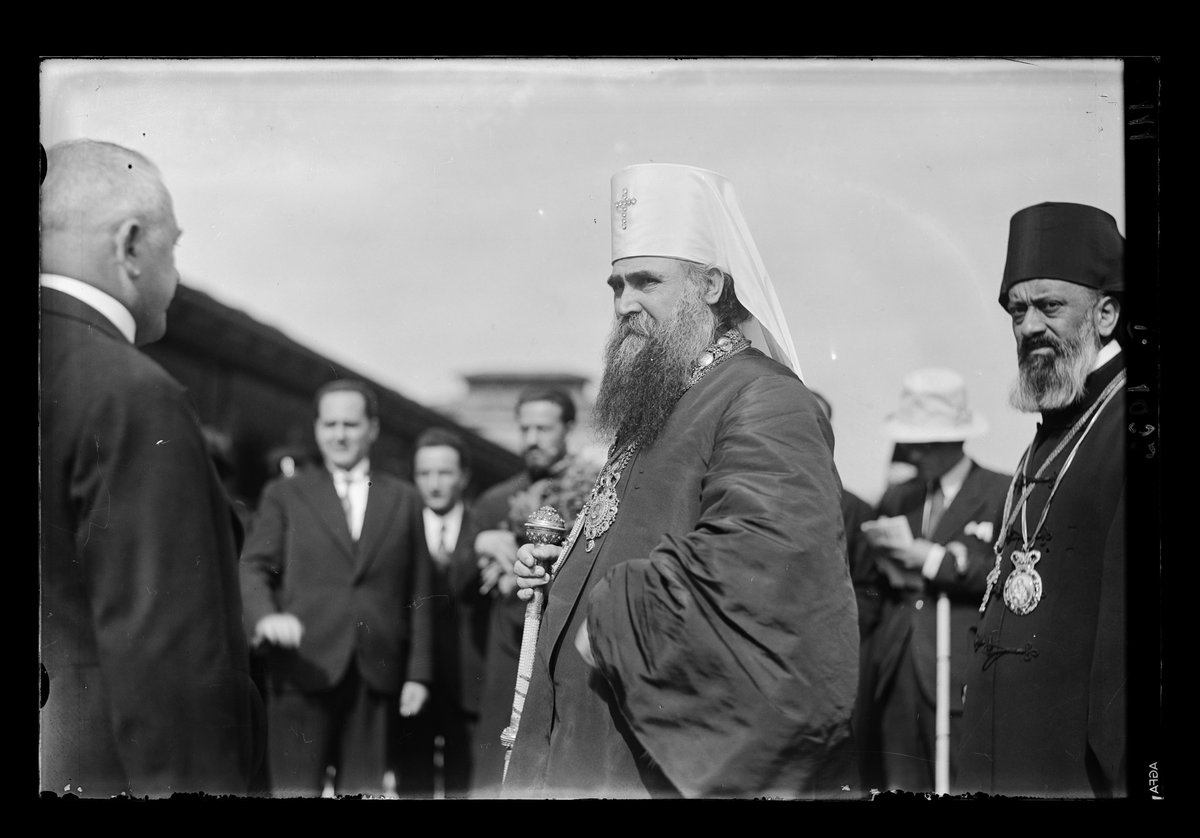
Stevan Stojanović Mokranjac (1856–1914) was born in Negotin, Serbia, into a family deeply rooted in both commerce and musical tradition (Muzej Krajine). Raised by his mother, Marija, after his father’s early death, Mokranjac grew up surrounded by traditional songs and choral chanting, which shaped his musical sensibility. Negotin’s rich cultural environment—marked by folklore, religious traditions, and early educational institutions—provided fertile ground for his artistic development (belgrade-apartments.net).
Musical Achievements and Signature Works
Mokranjac revolutionized Serbian music by integrating folk, secular, and religious melodies into sophisticated choral works, notably his “Rukoveti” (Choral Garlands) composed between 1883 and 1909. These suites, based on regional folk traditions, are considered masterpieces of Serbian choral music (muzejkrajine.org.rs). Additional works include “Primorski napjevi” (Coastland Tunes), “Kozar,” and sacred pieces such as “Heruvimska pesma” (Cherubic Hymn) and “Tebe Boga hvalim” (Te Deum). Mokranjac’s commitment to music education led him to found Serbia’s first independent music school and mentor future generations of composers (newsound.org.rs).
Visiting Stevan Mokranjac Sites in Serbia
Mokranjac Birth House and Krajina Museum, Negotin
Explore Mokranjac’s origins at his preserved birthplace in Negotin, part of the Krajina Museum complex. The museum houses original manuscripts, personal items, and family memorabilia, offering a comprehensive look at his life and work.
- Location Vere Radosavljević 1, 19300 Negotin, Serbia
- Hours Daily, 9:00 AM–5:00 PM
- Tickets ~300 RSD (about €2.50), with discounts for students and seniors
- Guided Tours Available by prior arrangement (muzejkrajine.org.rs)
- Accessibility Partial; contact the museum for details
- Photography Permitted without flash; video by request
Mokranjčevi dani Festival
Celebrate Mokranjac’s enduring influence at the annual Mokranjčevi dani festival each September in Negotin. The festival features choral concerts, lectures, and cultural activities dedicated to his works.
- Info Details on schedules and tickets are published by the Krajina Museum and local tourism offices
- Highlights Live performances of Rukoveti, workshops, and expert panels
Mokranjac’s Legacy in Ljubljana
Historical Context and Cultural Significance
Ljubljana, a city at the crossroads of European cultures, honors Mokranjac as part of its broader recognition of regional composers who shaped the musical landscape (MoMUS). His cosmopolitan outlook, as well as connections with Slovenian composers such as Davorin Jenko, underscores the deep Serbian–Slovenian cultural ties (Britic).
Cultural Events, Exhibitions, and Performances
- Exhibitions The Serbian Library “Mihajlo Pupin” in Ljubljana hosts exhibitions like “Legacy of Stevan Mokranjac,” often in June to coincide with the Day of Serbian–Slovenian Friendship. Open Monday–Friday, 9:00 AM–6:00 PM; Saturday, 9:00 AM–2:00 PM. Admission is typically free or nominal.
- Concerts Mokranjac’s choral works are featured in performances at the Ljubljana Philharmonic Hall and Opera House, especially during the Ljubljana Festival and other music events. Tickets should be purchased in advance via venue websites or box offices.
- Special Events June is the prime month for Mokranjac-related programming, including lectures, guided tours, and live performances (kimkim.com).
Serbian Cultural Society and Library “Mihajlo Pupin”
Serving as cultural hubs, these venues offer archival access, lectures, and community events. They are wheelchair accessible, with multilingual staff, and provide research opportunities for those interested in Mokranjac’s oeuvre.
Aleja slovenskih skladateljev (Avenue of Slovenian Composers)
Location, Accessibility, and Visiting Tips
Located at Vegova ulica 5, in Ljubljana’s city center, the Aleja slovenskih skladateljev is an open-air monument accessible 24/7 and free of charge. The site is fully wheelchair and stroller accessible and can be reached easily from Prešeren Square or the Triple Bridge in under ten minutes (Visit Ljubljana).
Guided Tours and Events
- Tours Book guided walking tours through the Ljubljana Tourist Information Centre (TIC) or online platforms for in-depth insights.
- Events The avenue often features as part of city music festivals and concerts celebrating regional composers. Check the local cultural calendar for special events.
- Photography Best visited during daylight hours for optimal photography; early morning and late afternoon offer ideal lighting.
Nearby Attractions and Visitor Facilities
The avenue’s central location provides easy access to:
- Ljubljana Castle for panoramic city views and exhibitions (Earth Trekkers)
- Prešeren Square and the lively Old Town
- Tivoli Park for relaxation and outdoor art
- Central Market for local culinary delights
Visitor amenities such as public restrooms, cafés, and shops are nearby. The TIC at Adamič-Lundrovo nabrežje 2 offers maps, information, and operates daily from 8:00 to 19:00 (Visit Ljubljana TIC).
Ljubljana Historical Sites and Cultural Attractions
Ljubljana Castle
A medieval fortress atop Castle Hill, Ljubljana Castle offers museums, exhibitions, and panoramic views. Open daily from 10:00 AM–8:00 PM (April–October) and 10:00 AM–6:00 PM (November–March); tickets cost around €13 for adults, with discounts available (Slovenian Guide).
Old Town and Mestni Trg
Stroll the cobblestone streets of Old Town, featuring the historic Town Hall and Robba Fountain. This area is lively day and night, with plenty of cafés and shops (Touropia).
Museums, Galleries, and Music Venues
- National Museum of Slovenia Open Tuesday–Sunday, 10:00 AM–6:00 PM; tickets ~€10 (Chasing the Donkey).
- National Gallery Free on the first Sunday of each month.
- Museum of Modern Art Metelkova (MSUM) Tuesday–Sunday, 10:00 AM–6:00 PM.
- Slovenian Philharmonic and Opera House Hosts regular concerts and festivals (MoMUS).
Parks and Green Spaces
Tivoli Park and the Ljubljanica River promenades are perfect for relaxation, walking, or cycling (The Common Wanderer).
Practical Visitor Information
Transportation
- Ljubljana Pedestrian-friendly center, reliable bus network (€1.30 for a 90-minute ticket), bike and boat rentals (We Will Nomad).
- Negotin Reachable by regional bus or car; town center is walkable.
Accessibility
Most central attractions and cultural venues are wheelchair accessible; contact venues in advance for specific needs.
Language
Slovenian is the official language, but English is widely spoken, especially in tourist areas (Slovenian Guide).
Best Time to Visit
June–September offers pleasant weather, lively events, and outdoor festivals. Spring and autumn provide mild temperatures and fewer crowds. Winter is festive but cold (Touropia).
Accommodation and Culinary Scene
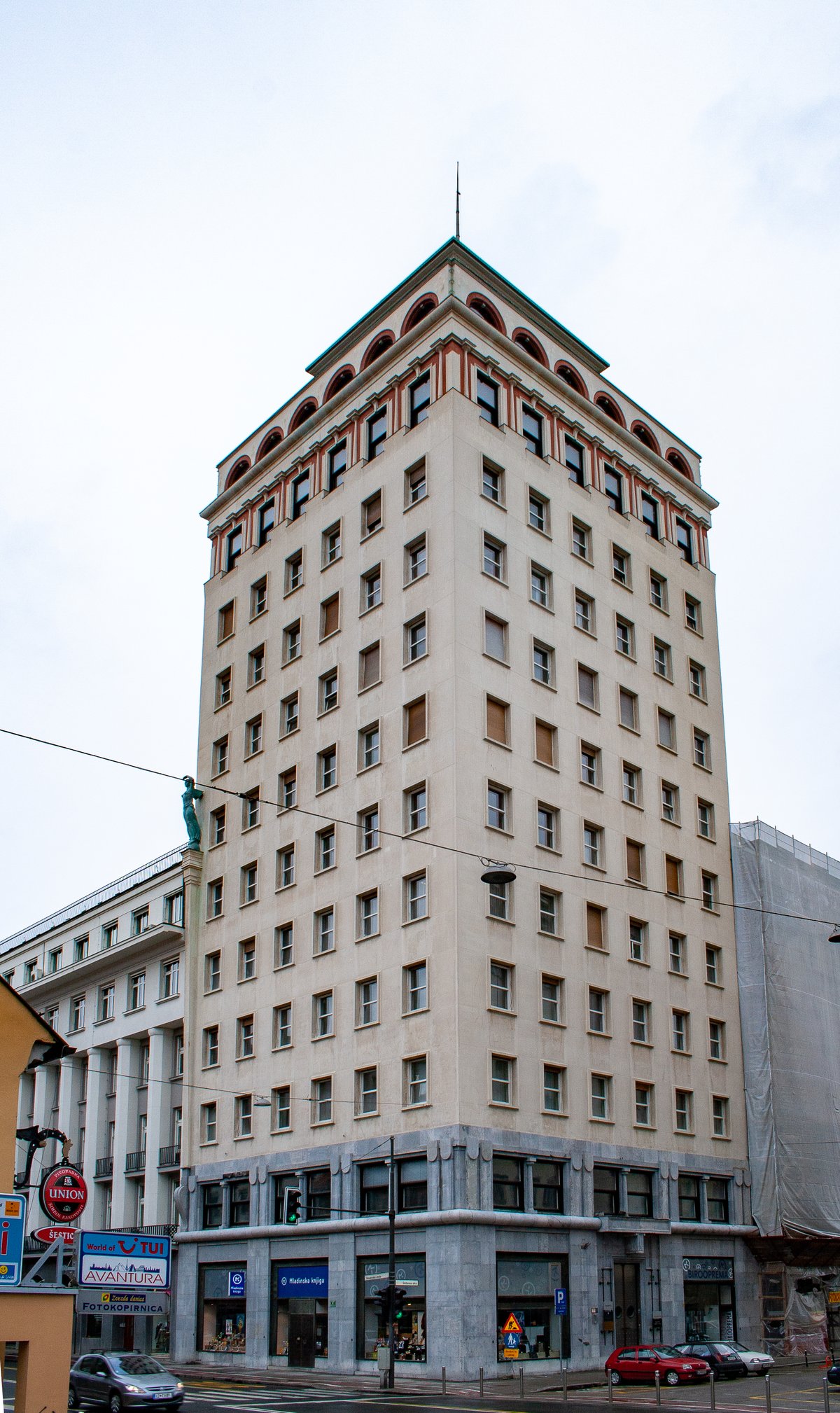
Accommodation ranges from boutique hotels (like Grand Hotel Union, CN Traveller) to hostels. Explore local cuisine at Central Market or the Open Kitchen food market (Visit Ljubljana).
Safety and Sustainability
Ljubljana is considered one of Europe’s safest capitals and is committed to green tourism and pedestrian-friendly urban design (Visit Ljubljana).
Frequently Asked Questions (FAQ)
Q: What are the opening hours for the Mokranjac Museum in Negotin?
A: Daily from 9:00 AM–5:00 PM.
Q: How do I attend the Mokranjčevi dani festival?
A: Held annually in September in Negotin. Check the Krajina Museum website for schedules and tickets.
Q: Are venues and museums accessible for people with disabilities?
A: Most central venues are accessible; contact in advance for specific needs.
Q: How can I buy tickets for concerts or exhibitions?
A: Purchase through official venue websites, box offices, or directly at the site; advance booking is advised during festivals.
Q: Are guided tours available at key sites?
A: Yes, through local tourist centers and online platforms for both Mokranjac-related and general city tours.
Q: What is the best time to visit for Mokranjac events in Ljubljana?
A: June, especially during the Day of Serbian–Slovenian Friendship, and summer music festivals.