Place
Slovenia Updated Mar 2026
Few European capitals let you feel the entire city from a single café chair, but Ljubljana does — the Ljubljanica river slipping past your feet, the castle floating above the rooftops, and Plečnik's stone bridges framing it all like a stage set designed for exactly this moment. Slovenia's compact capital is a city shaped more by one architect's obsessive vision than by any emperor, war, or industrial boom, and that strange fact gives it a coherence most cities twice its size can only envy.
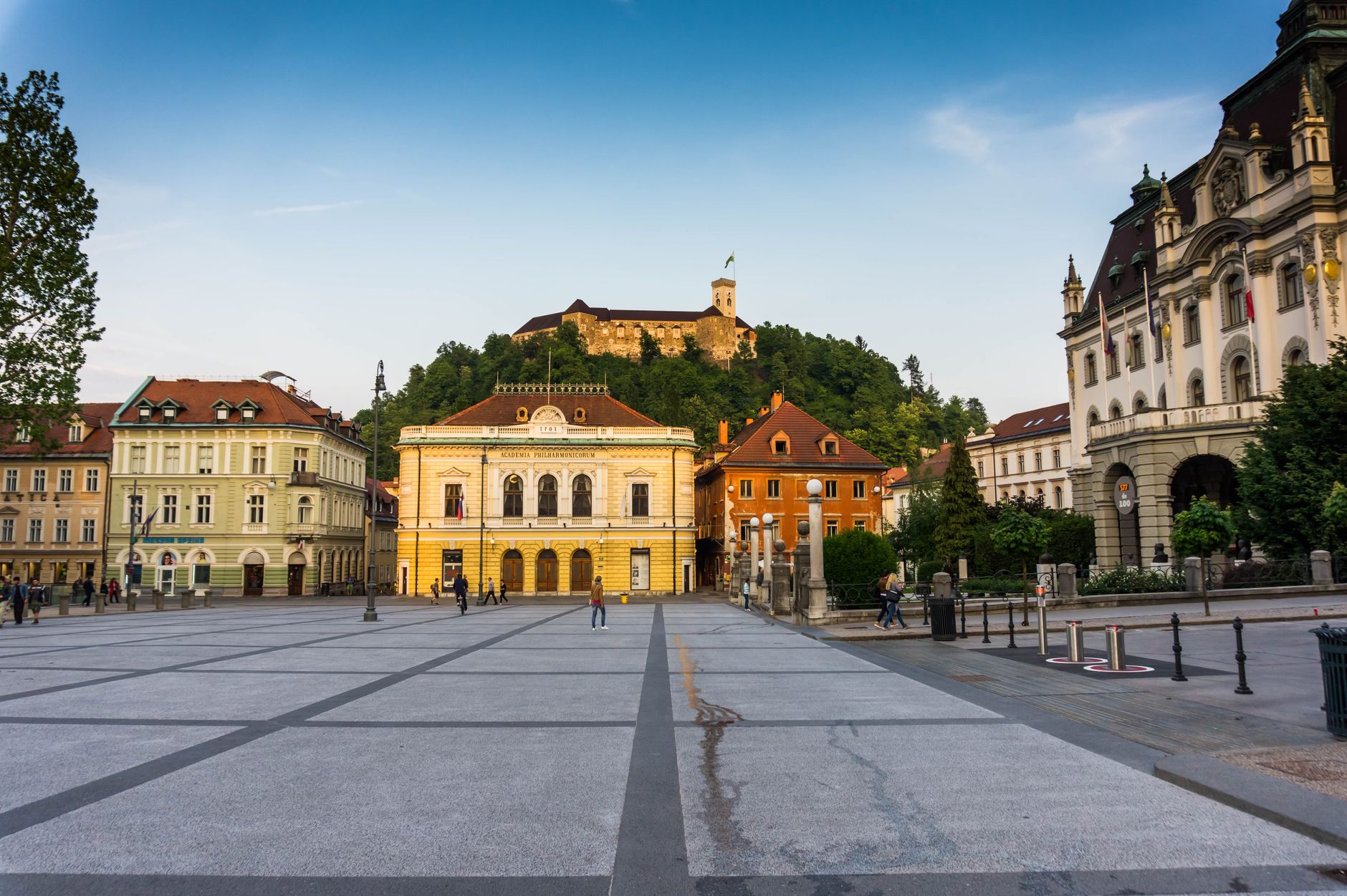 Photo: Bogdan R. Anton / Pexels
Built from cited sources · see the method · How we make our guides →
Jože Plečnik returned to Ljubljana in 1921 and spent the next three decades remaking it — not with grand demolitions but with precise, human-scaled interventions. A colonnaded market here, an asymmetric bridge there, river embankments that turn a neglected waterway into an outdoor living room. The Triple Bridge, the National and University Library, the Central Market arcades, the Trnovo Bridge, the Žale funeral complex: together they earned UNESCO recognition not for a single monument but for an entire urban philosophy. Walking Ljubljana is like reading one architect's autobiography written in stone, concrete, and willow trees.
But Plečnik is only one layer. Beneath the medieval old town lie the remains of Roman Emona — a walled city whose traces surface at Mirje and in a small archaeological park most visitors walk right past. The Baroque interiors of St. Nicholas Cathedral carry Giulio Quaglio's frescoes and modern bronze doors added barely a generation ago. Art Nouveau facades line Miklošičeva street. Edvard Ravnikar's socialist-modernist Trg republike and Cankarjev dom anchor the Republic Square with a completely different architectural confidence. Ljubljana stacks its centuries quietly, without the self-conscious monumentality of larger capitals.
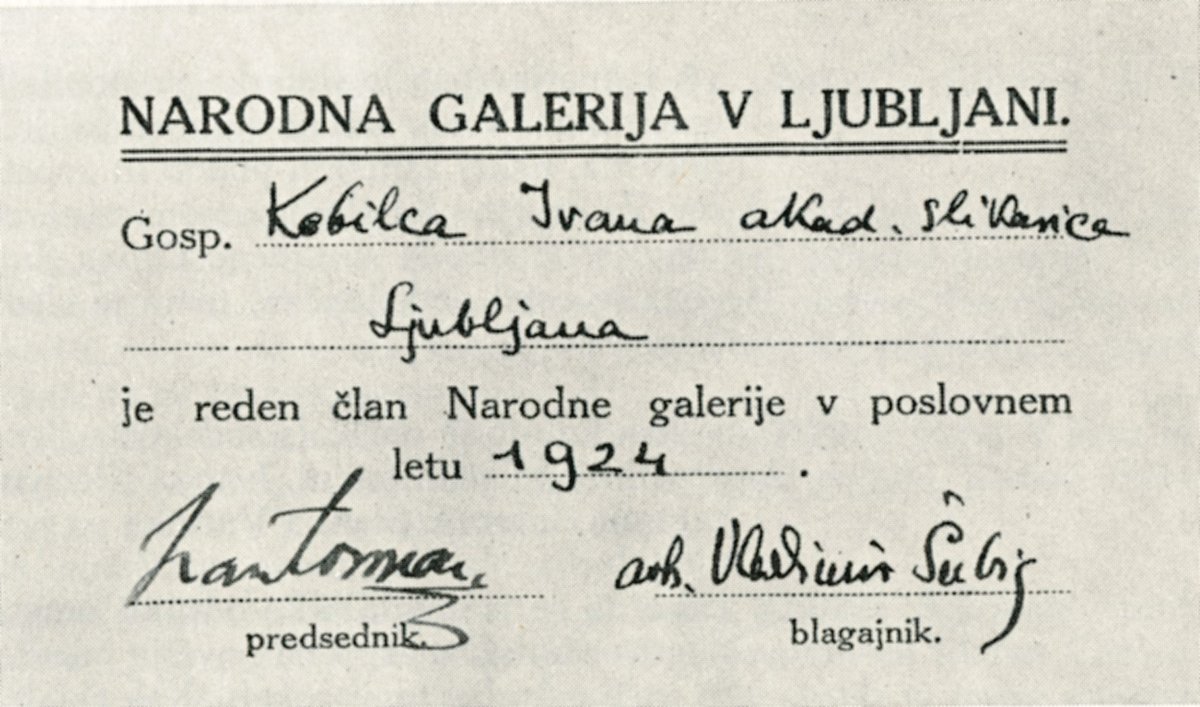
What makes the city stick, though, is not architecture or history but rhythm. The car-free center functions as a pedestrian living room where Friday's Odprta kuhna food market at the Central Market dissolves any boundary between cooking, eating, and socializing. Coffee is not fuel here — it is a cultural act, linked in local imagination to Ivana Kobilca's painting Kofetarica and practiced daily at tables that stay occupied for hours. By midnight, the energy migrates to Metelkova's converted barracks or the clubs along Tabor, and the old town empties into a quiet you would not expect from a national capital. Ljubljana does not try to compete with Vienna or Prague; it operates on a different scale entirely, and that is precisely its advantage.
Not every monument, just the ones we'd walk you past ourselves.
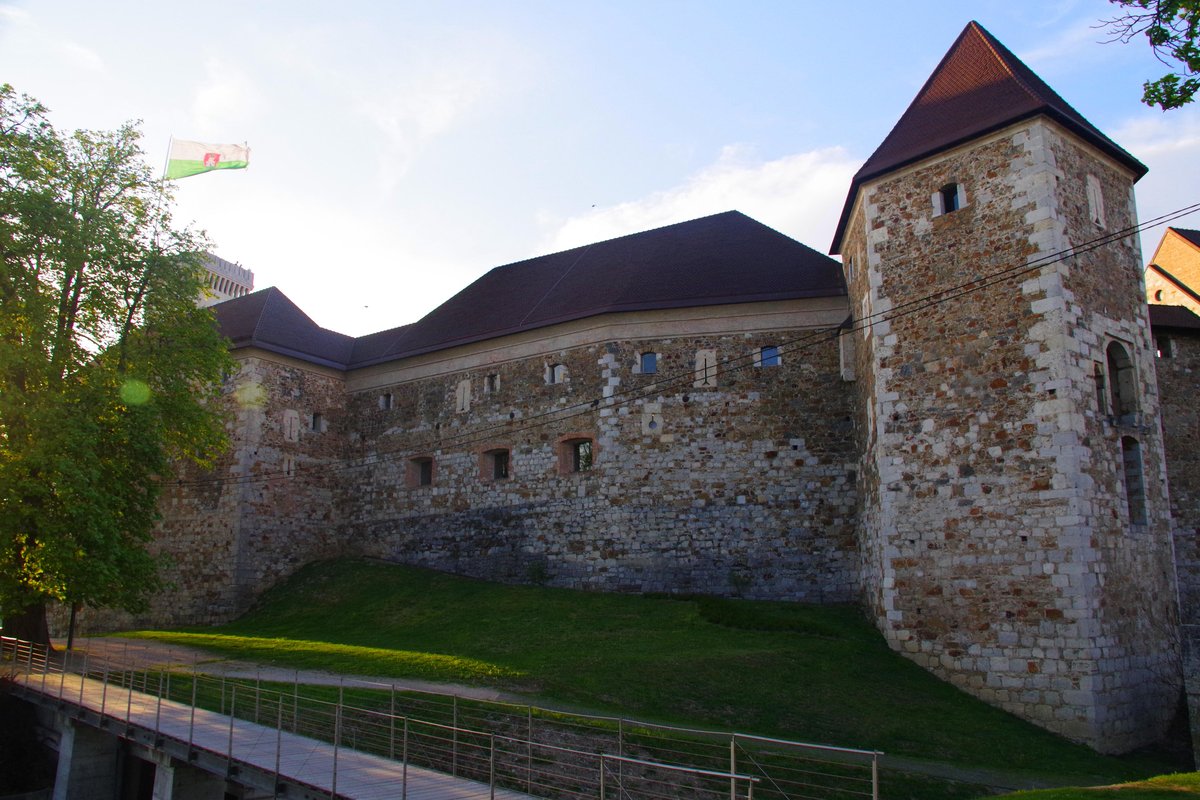
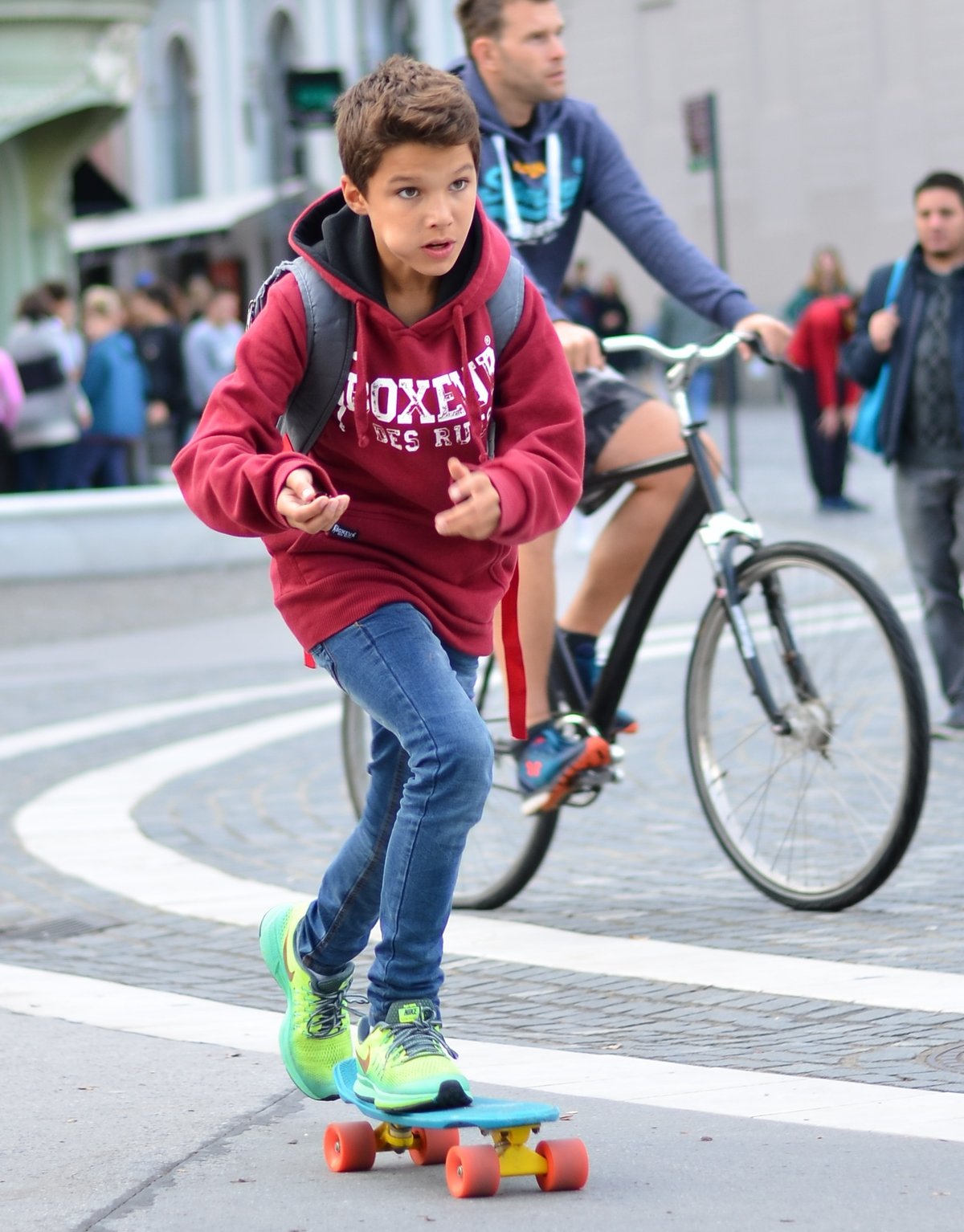
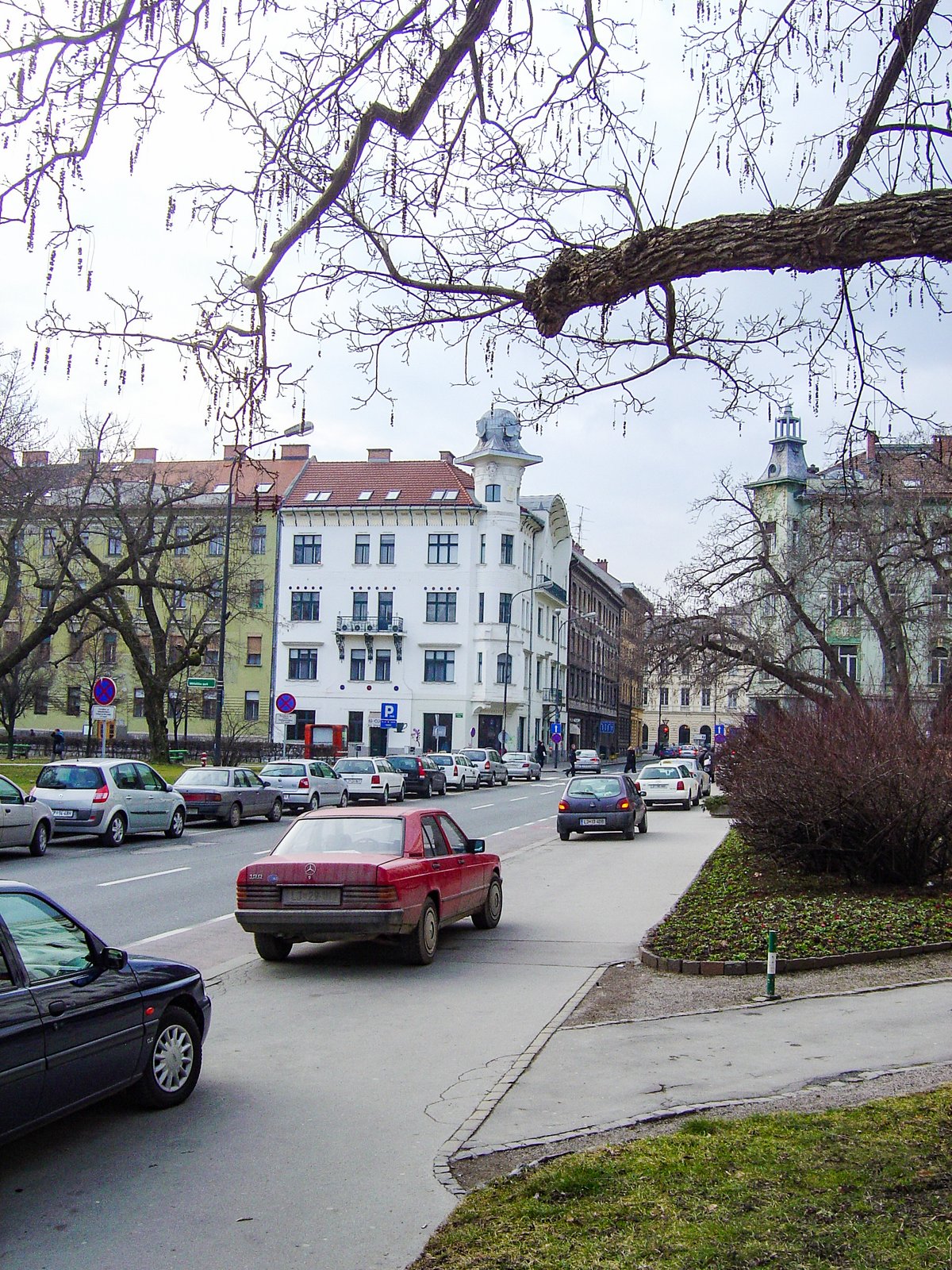
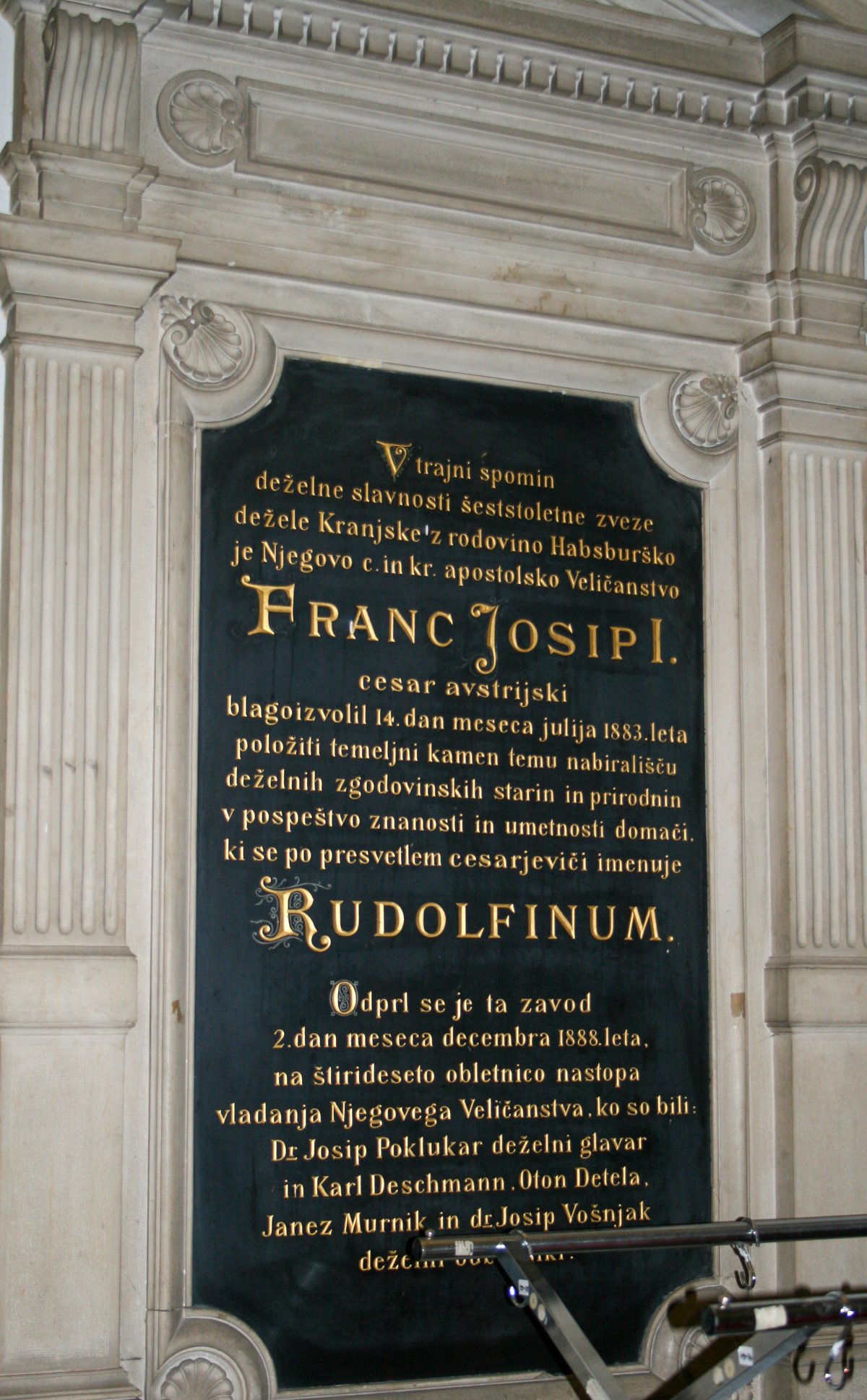
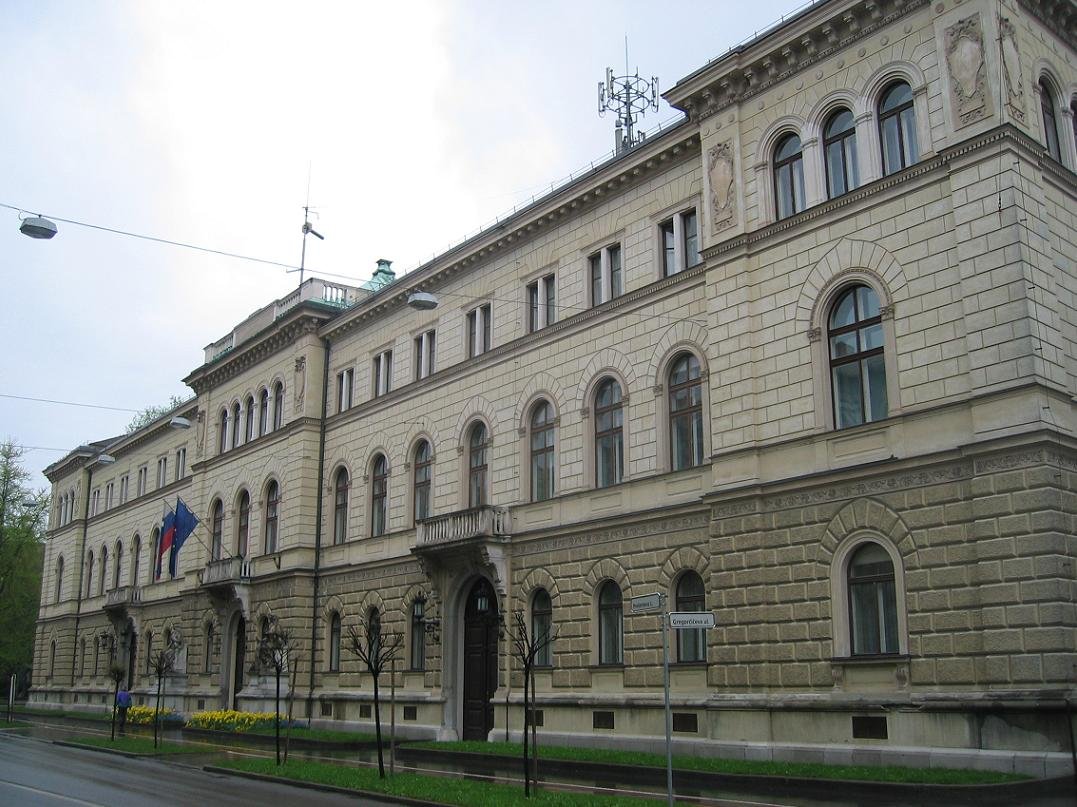
Where to wander, by quarter — each with its own rhythm.
Before you go
Curated from places in this city. Same price as official sites.


Prices shown are indicative — final pricing and availability are confirmed at checkout. Audiala may receive a commission from bookings made via these links.
From marshland pile dwellings to Europe's greenest city
Communities built wooden houses on stilts over the Ljubljana Marshes, leaving behind what would become a UNESCO World Heritage site. Among their artifacts: a wooden wheel with axle dating to roughly 3200 BCE — the oldest such object yet found anywhere on Earth. The marshes that seem peripheral today were once the center of everything.
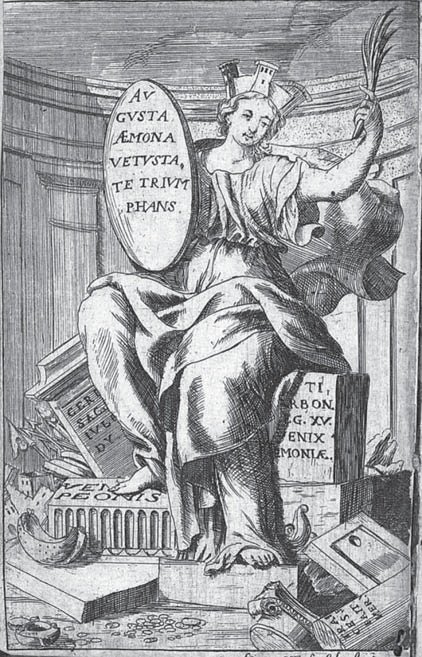
On the site of a military camp established around 50 BCE, Romans built the permanent colony of Iulia Aemona — complete with paved streets, mosaics, sewers, and central heating for a population of five to six thousand. The walls were formidable, the layout orderly, and the settlement became an early Christian center. Almost nothing visible survives above ground, but Emona's grid still ghosts through the modern street plan.
The army of Attila swept through and devastated the Roman city. Emona never recovered as a Roman settlement. Within a century and a half, Slavic peoples would arrive and begin building something entirely new beneath Castle Hill, letting the Roman ruins sink quietly into the earth.
The settlement beneath the castle appears in written sources for the first time, named Laibach. By the following century it would receive formal city rights and grow as three distinct cores — Stari trg, Mestni trg, Novi trg — entered through five gates and connected by just two bridges across the Ljubljanica. A small medieval town, quietly accumulating identity.
After Ottokar II of Bohemia's brief conquest, Ljubljana passed to Habsburg control — a political relationship that would persist, with interruptions, for more than six centuries. By 1335 it was the capital of the Habsburg province of Carniola, a status that made it administratively important but culturally overshadowed by Vienna, Graz, and Prague.
Ljubljana received its own diocese, and St. Nicholas became a cathedral church — a marker of civic maturity in a region where Ottoman raids kept everyone on edge. Just eight years later, in 1469, the church burned, probably during a Turkish incursion. The present Baroque cathedral, built 1701–1706, would replace it entirely.
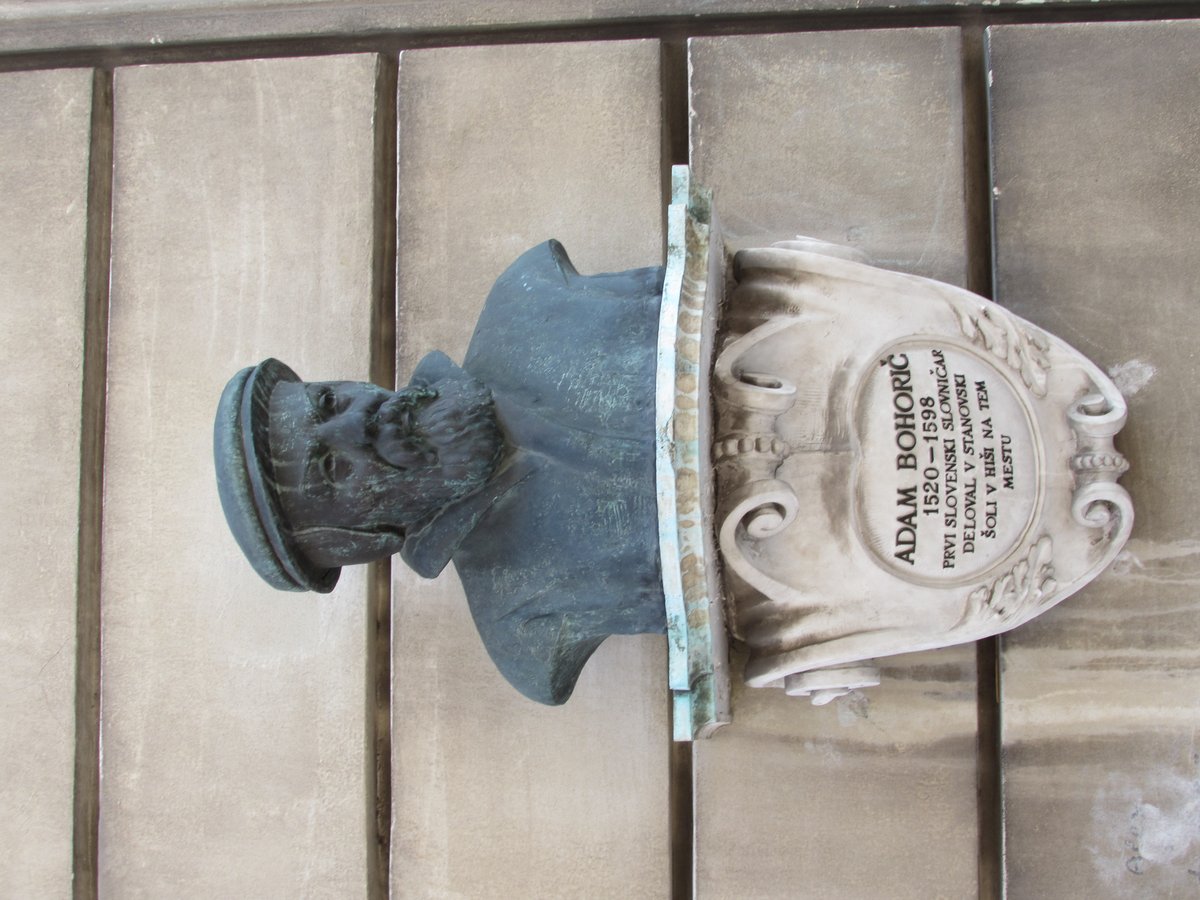
Primož Trubar published his Catechism and Abecedary — the first books ever printed in Slovene. Ljubljana became the nerve center of the Slovenian Reformation, with a school, library, and printing house. Trubar had been preaching in the city since 1530, consciously using Ljubljana speech as a foundation for written Slovene. A language crystallized here, in ink.
The Academia Philharmonicorum was founded — one of the earliest musical academies of its kind outside Italy, following the scholarly Academia Operosorum by just eight years. Ljubljana was punching above its weight in Baroque cultural life. A young Gustav Mahler would conduct here in 1881, and the institution's descendants still perform today.
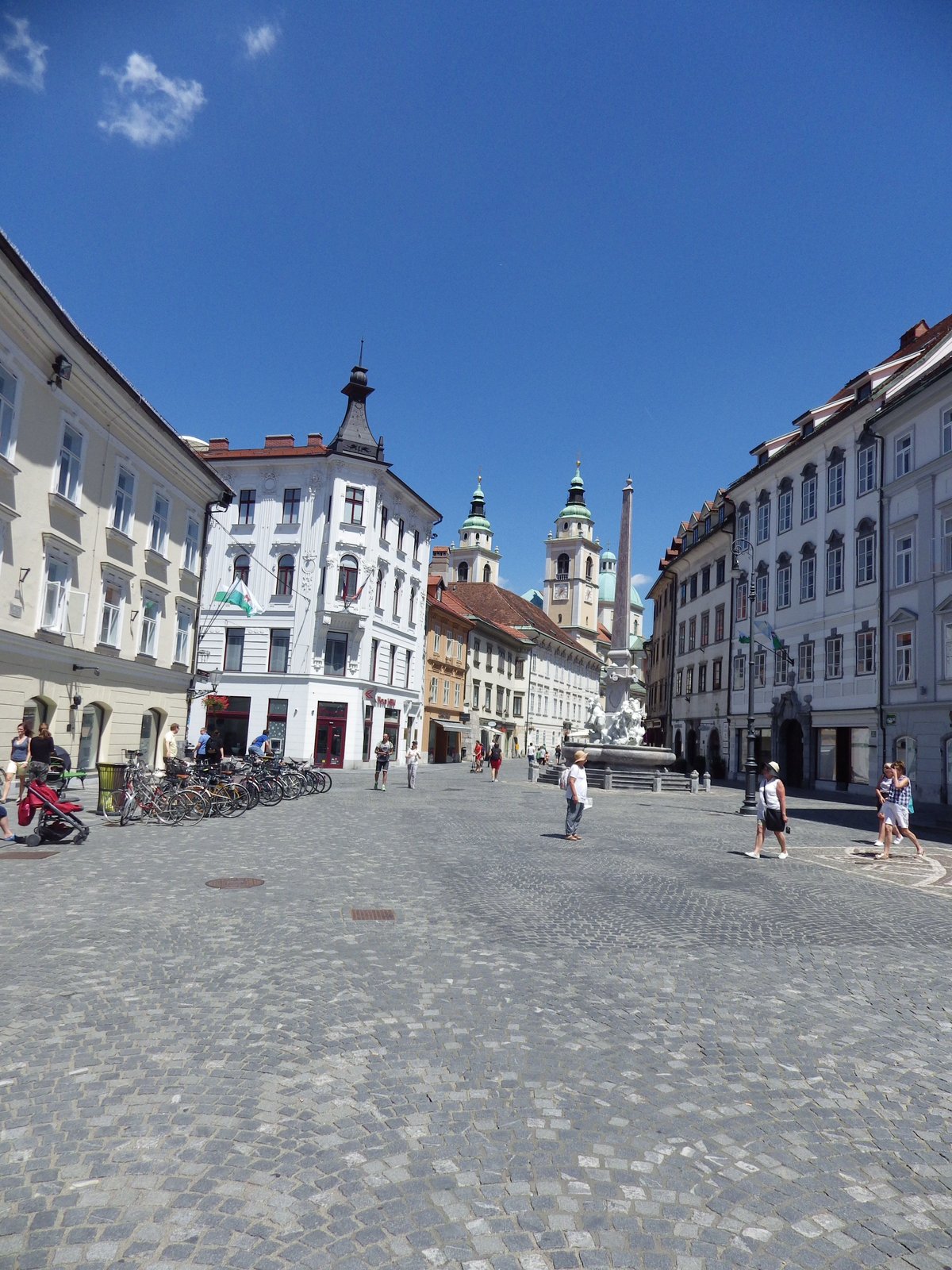
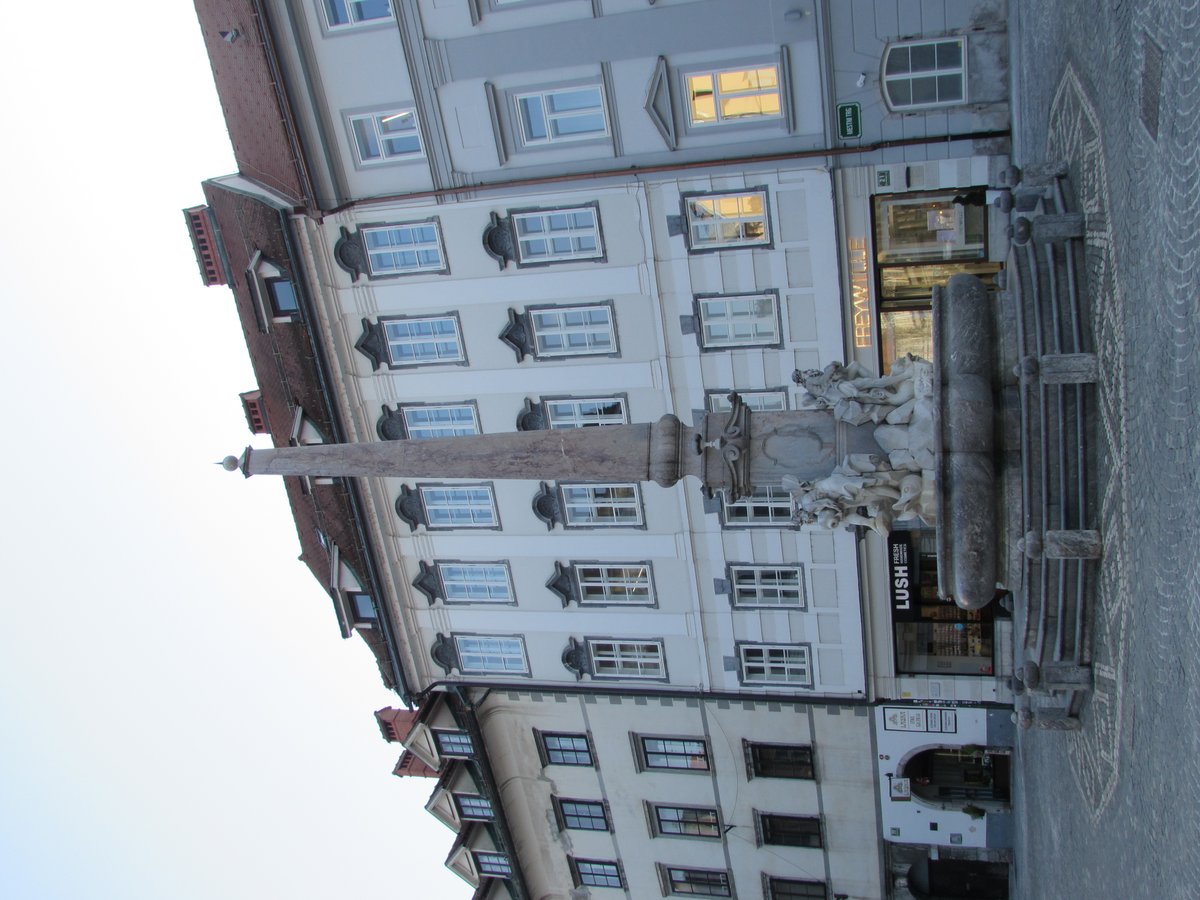
Venetian-born sculptor Francesco Robba completed his Fountain of Three Carniolan Rivers after eight years of work, giving Ljubljana's Town Hall square a centerpiece worthy of Rome. Robba had spent most of his career in this small provincial capital, and the fountain — three muscular river gods pouring water over travertine — remains the high-water mark of Ljubljana's Baroque ambitions.
Born in the countryside, Prešeren moved to Ljubljana at twelve and spent most of his life in the city, writing lyric poetry that would define Slovenian literary identity. His face is on the euro coin, his words are the national anthem, and the central square that bears his name — with his bronze statue gazing toward the window of his unrequited love — is where every visitor's walk begins.
French forces occupied the city and made it the capital of the Illyrian Provinces. For four transformative years, Slovene became an official language for the first time, and Ljubljana gained its first college. The French period was brief — ending in 1813 — but it planted the seed of national consciousness that would grow throughout the century.
From January to May, European diplomats gathered in Ljubljana for the Congress of Laibach, one of the great post-Napoleonic conferences that tried to put the lid back on revolution. For a few months, this provincial Habsburg city hosted the machinery of Continental power. Metternich walked these streets. It was the closest Ljubljana had come to the center of European history.
The architect who would reshape Ljubljana more profoundly than any earthquake was born here — the son of a carpenter from the Krakovo neighborhood. After studying under Otto Wagner in Vienna and teaching in Prague, Plečnik returned in 1921 and spent three decades reimagining his hometown: bridges, riverbanks, markets, library, cemeteries, parks. His works earned UNESCO inscription in 2021. No other European small capital is so thoroughly the creation of a single architect.
At 23:17 on April 14, a magnitude 6.1 earthquake struck Ljubljana, killing 21 people and damaging roughly 10 percent of the city's 1,400 buildings. More than a hundred aftershocks followed in the next days. But the destruction became a catalyst: the reconstruction of 1896–1910 gave Ljubljana its Vienna Secession character, replacing medieval shabbiness with Art Nouveau confidence.
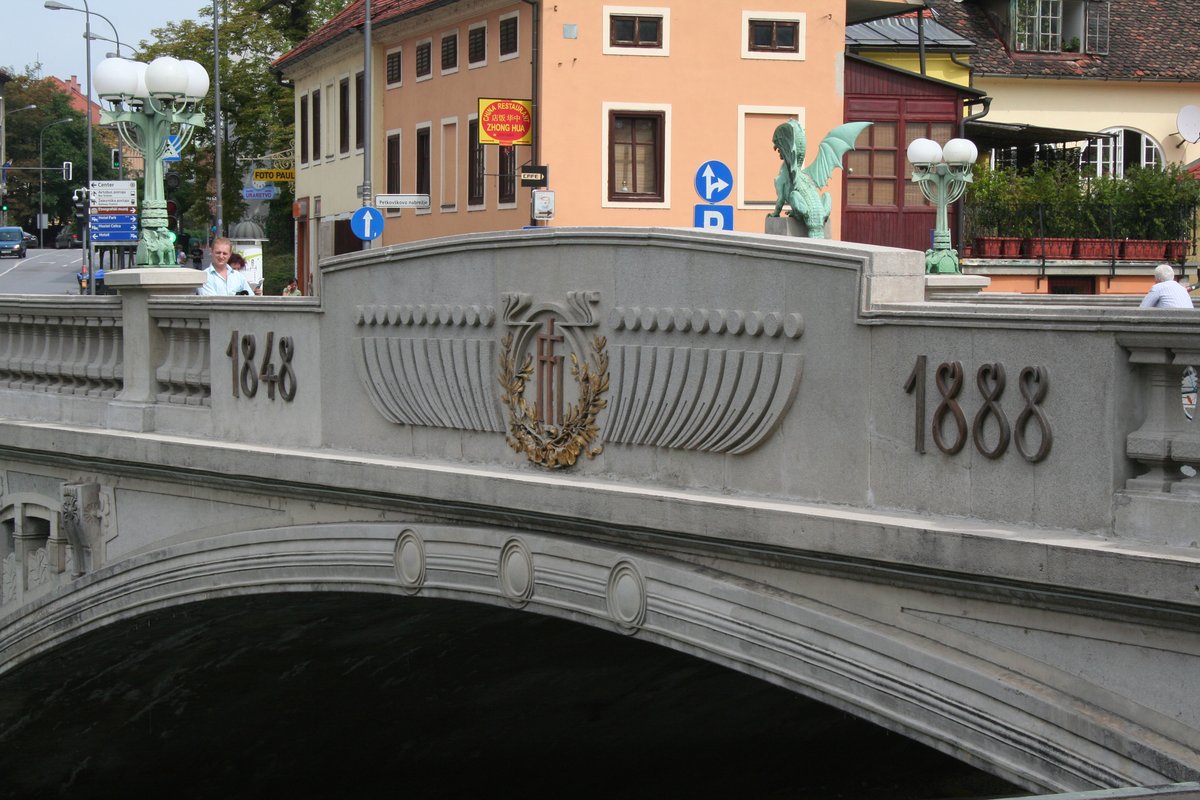
Completed in 1901, the Dragon Bridge was Ljubljana's first reinforced-concrete structure and one of the earliest large concrete bridges in Europe. Four copper dragons perch at its corners, mouths open, wings taut — and they've been the city's unofficial mascot ever since. The bridge is pure Art Nouveau engineering bravado: built to prove that the post-earthquake city could be modern.
After the collapse of Austria-Hungary, Ljubljana finally established its own university — a milestone that had been blocked for centuries under Habsburg rule. The city was now the political, cultural, and intellectual capital of the Slovene nation within the new Kingdom of Serbs, Croats, and Slovenes. A population that had been governed in German could at last be educated in Slovene.
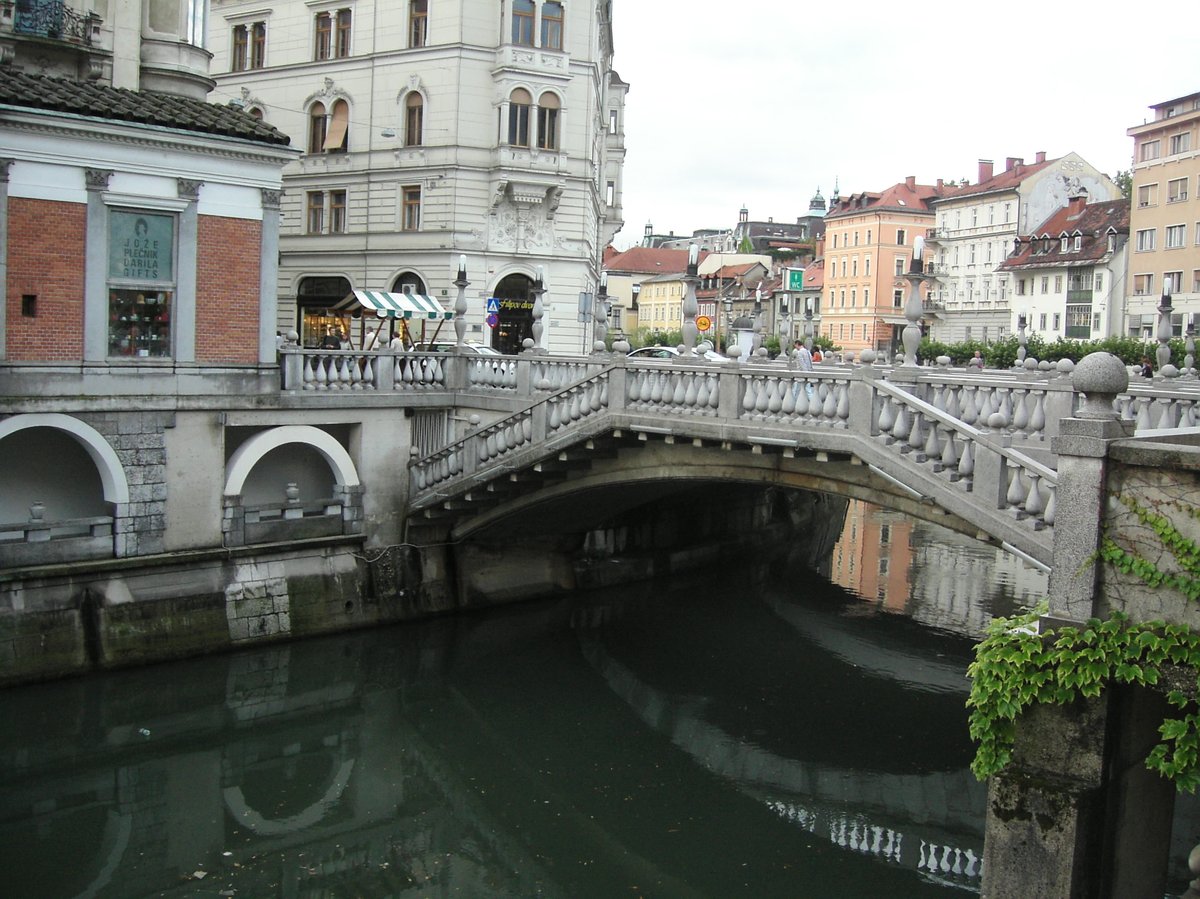
Plečnik's boldest urban gesture: he took the existing central bridge and flanked it with two elegant pedestrian spans, creating the Triple Bridge that funnels walkers from Prešeren Square into the Old Town. In the same years he built the Cobblers' Bridge, the covered Central Market colonnade, and began work on the National and University Library. Ljubljana was being rewritten in stone, one structure at a time.
Italian occupation forces ringed Ljubljana with barbed wire, 206 guard towers, and roughly 1,700 soldiers and police, sealing the city for 1,170 days. Around 150 hostages were shot in the city; from the broader region, 25,000 to 30,000 people were sent to internment camps. The Liberation Front, established in April 1941, organized resistance from within. The barbed-wire perimeter is now traced by the Path of Remembrance and Comradeship, a memorial walking route completed in 1985.
On May 9, Ljubljana was liberated and became the capital of the People's Republic of Slovenia within federal Yugoslavia. An Allied bombing raid two months earlier had killed 54 people — a reminder that even liberation came at a cost. The city entered decades of socialist industrialization, growing rapidly but turning inward from Western Europe.
Born in Ljubljana, Žižek would become the world's most recognizable Slovenian intellectual — a prolific, combative philosopher who built the 'Ljubljana school' of psychoanalysis and Lacanian theory. He never really left: the city's compact, somewhat insular intellectual culture shaped his thinking as much as Hegel or Lacan did. Ljubljana is one of the few small capitals that can claim its own philosophical school.
After a brief ten-day war, Slovenia declared independence from Yugoslavia, and Ljubljana became the capital of a sovereign state for the first time in its history. The transition was remarkably smooth compared to the wars that consumed the rest of Yugoslavia. A city that had always been a provincial capital — of Carniola, of a Yugoslav republic — was suddenly a national one.
Artists and activists occupied a former Yugoslav army barracks complex and declared it an autonomous cultural zone. Thirty years later, Metelkova is still there — spray-painted, chaotic, hosting clubs and galleries — Ljubljana's answer to Christiania or Exarcheia. It's the clearest expression of the city's alternative streak, born from the same 1980s counterculture that produced the band Laibach.
The boy who would become one of basketball's global superstars was born in Ljubljana and began playing organized ball in the city as a child. By his teens he was in Madrid; by his twenties he was an NBA phenomenon. In a country of two million, Dončić made Ljubljana's name recognizable in gyms and living rooms worldwide — the city's most famous living export.
Ljubljana was named European Green Capital, the culmination of years of pedestrianizing the center, investing in cycling infrastructure, and overhauling waste management. The car-free Old Town — once a radical experiment — had become the city's defining quality. For a capital of 290,000 people, it was a statement: being small is not the same as being unambitious.
On July 31, a selection of Jože Plečnik's works in Ljubljana — bridges, markets, library, cemetery, riverbanks — was inscribed on the UNESCO World Heritage List. It was the rare case of an entire urban vision, not a single building, receiving the designation. Sixty-four years after the architect's death, the world formally recognized what anyone walking through Ljubljana already knew: this city is his monument.
On October 26, the former Rog bicycle factory reopened as Center Rog — a maker space, creative hub, and community workshop built into the bones of an industrial landmark. The factory had been squatted, contested, and debated for decades. Its transformation into a public creative facility marked Ljubljana's latest act of self-reinvention: a city that keeps finding new uses for old walls.
Architect · 1872–1957
Born here, reshaped the city 1920s–1950s
Plečnik returned to his native Ljubljana in 1921 and spent three decades quietly rebuilding it — bridges, embankments, markets, a library, a cemetery, even sluice gates. His interventions are now a UNESCO World Heritage site, one of the rare cases where a single architect's vision defines an entire capital. Walk from the Triple Bridge to the Central Market colonnade and you're inside his mind.
Poet · 1800–1849
Lived and worked here
Slovenia's national poet spent his adult life in Ljubljana, writing the verses that would become the country's national anthem. His statue in Prešeren Square faces the window of Julija Primic, the woman he loved unrequitedly — the city literally built its central plaza around his heartbreak. Every Slovenian can recite his Zdravljica; the square still feels like his stage.
Writer · 1876–1918
Lived and worked here
Cankar wrote the foundational texts of modern Slovenian literature from cramped Ljubljana rooms, capturing the tensions between rural tradition and urban modernity that still define the country. The city's largest cultural center, Cankarjev dom, bears his name — a brutalist concert hall that would have baffled and probably delighted him.
Painter · 1869–1943
Born and worked here
Jakopič led the Ljubljana Impressionists who painted the marshes, riverbanks, and birch groves around the city in light that feels distinctly Central European — softer and greener than Provence. The city's Jakopič Gallery carries his name, and the National Gallery holds the canvases that made Ljubljana a serious painting city at the turn of the twentieth century.
Architect · 1907–1993
Practiced here from 1940s onward
If Plečnik gave Ljubljana its humanist bones, his student Ravnikar gave it a modernist spine. Trg Republike — the monumental square flanked by two towers and Cankarjev dom — is Ravnikar's defining mark, a socialist-era civic space that still anchors the city's public life west of the old center.
Philosopher · born 1949
Born and based here
The world's most recognizable living philosopher grew up in Ljubljana and still orbits the city's university and cultural life. His restless, contrarian energy mirrors something in Ljubljana itself — a small capital that insists on punching above its weight intellectually, from Plečnik's architecture to Metelkova's underground culture.
Where locals actually book dinner — not the tourist menus.
Small things that change how the city treats you.
The city, as it actually looks.


Yes — and it rewards more than a quick stop. Ljubljana is one of Europe's most walkable capitals, with a car-free center since 2007, a UNESCO-listed architectural layer by Jože Plečnik, and a food-and-café culture that punches well above its size. Two to three days lets you get past the postcard Old Town into neighborhoods like Metelkova and Šiška where the city's creative identity lives.
Two full days cover the Old Town, castle, river, market, and key museums comfortably. Three days let you add Plečnik's deeper works, the cultural quarters, and a day trip. If you're using Ljubljana as a base for Bled, Postojna, or the coast, budget four to five days total.
The airport is 26 km from the center, about 20 minutes by road. A public bus runs to Ljubljana Central Bus Station (platform 28). Contactless card payment was piloted in February 2026, but carrying cash is still the safer backup. Shuttles like GoOpti and Nomago are reliable alternatives. Avoid taxi drivers who approach you inside the terminal — use only marked taxis from the official stand.
Ljubljana is very safe. The U.S. State Department rates Slovenia Level 1 (Exercise Normal Precautions). Slovenian police note that tourist-targeting crime is mostly pickpocketing in crowded areas like bus stations and markets, not violent crime. Use normal city awareness and you'll have no issues. Emergency numbers: 112 for ambulance/fire, 113 for police.
Ljubljana is moderate by European capital standards and noticeably cheaper than Vienna or Zurich. A city bus ride is EUR 1.50, BicikeLJ bikes cost EUR 1/week with free first hours, and a solid lunch at a gostilna runs EUR 10-15. The Ljubljana Card at EUR 41-54 is only worthwhile for heavy museum-goers.
Start with štruklji (rolled dumplings in dozens of varieties) at Moji Štruklji under the market arcades, and Kranjska klobasa at Klobasarna. For a proper sit-down, Vodnikov hram serves old Ljubljana dishes like beef soup with noodles and buckwheat sides. Burek Olimpija is open 24/7 and has cult status for late-night burek. On Fridays, skip restaurants entirely and graze through Odprta kuhna at the Central Market.
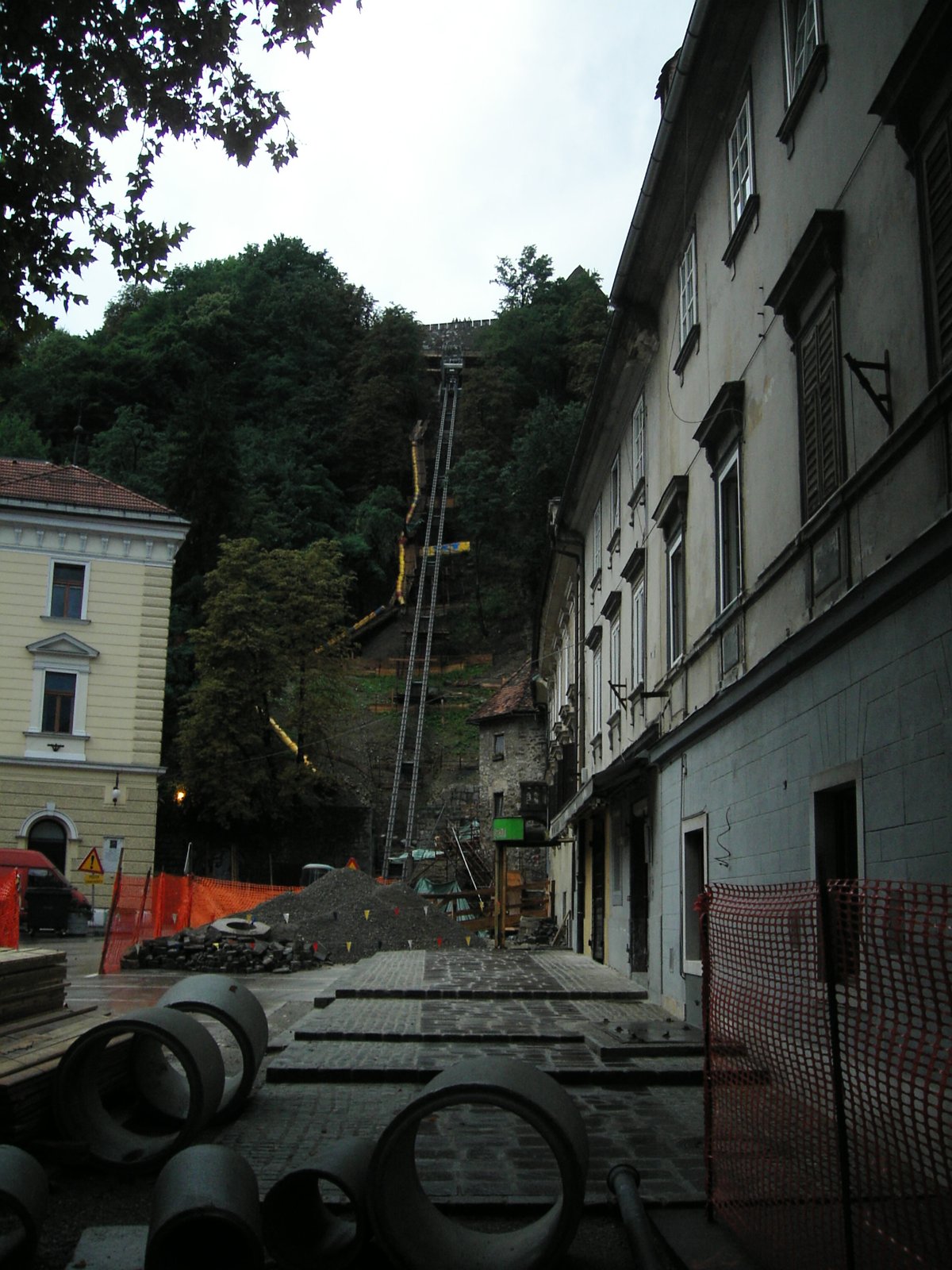
The entire historic center has been pedestrian-only since 2007, and most key sights are within a 15-20 minute walk of Prešeren Square. For the castle hill, there's a funicular. Free Kavalir electric cars (6:00-22:00) shuttle elderly and mobility-impaired visitors through the pedestrian zone. You only need a bus or bike for outer neighborhoods like Šiška or Tivoli's far end.
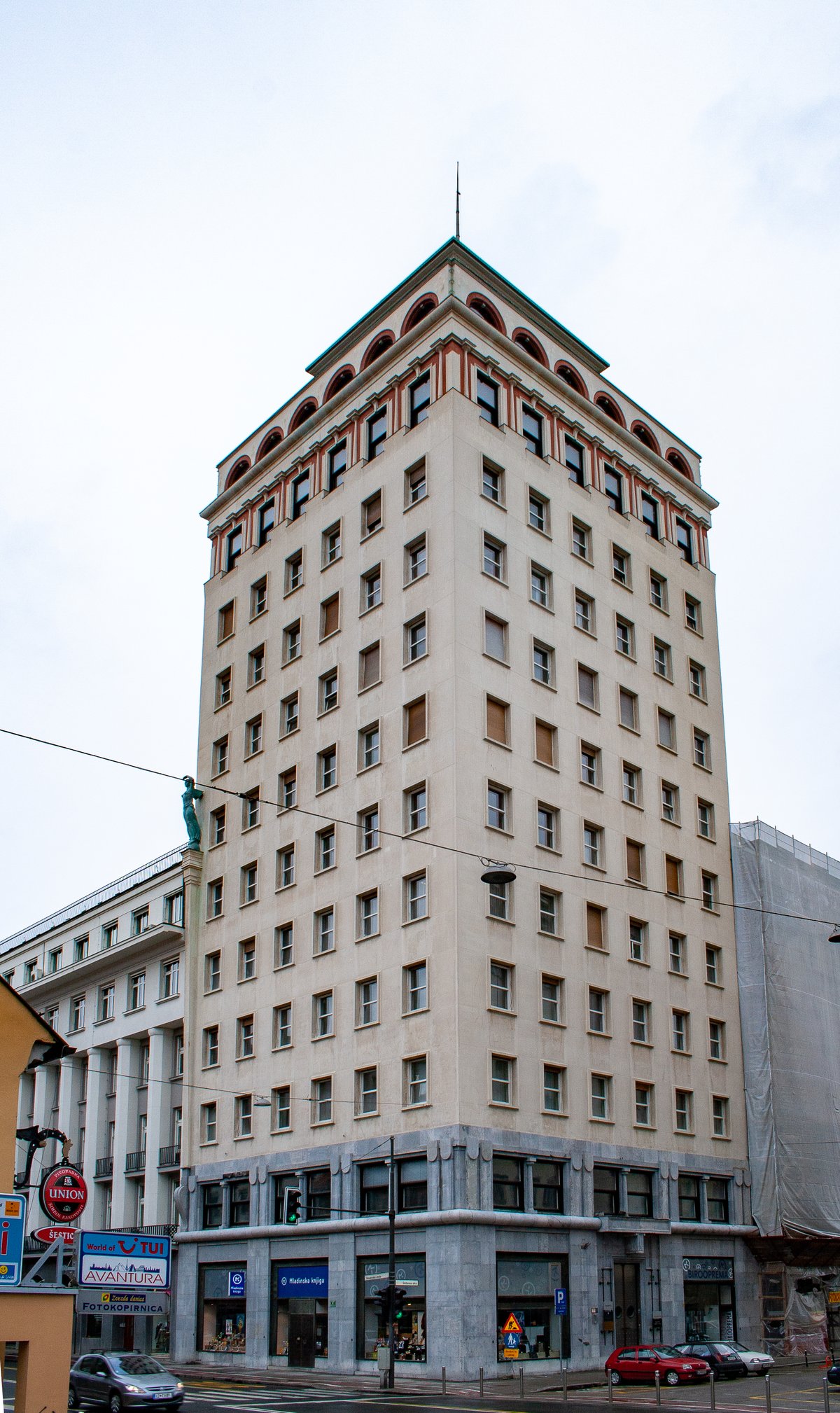
Ljubljana Castle's lookout tower gives the classic panorama over red rooftops to the Julian Alps. Nebotičnik (the 1933 Skyscraper) offers a different angle from its rooftop terrace with a retro-modern atmosphere. For a wider landscape view, locals hike Šmarna Gora on the city's northern edge — it takes about an hour and shows the full Sava basin with alpine backdrop.
102 places to discover

Showing 1–48 of 102 places
Saved and recently read places — kept on this device only.
Photos may have been resized or cropped.