
Early Settlement and Etymology
Dravlje’s origins stretch back to Roman times, evidenced by archaeological finds such as 6th-century Gothic jewelry displayed at the City Museum of Ljubljana (td-dravlje.si). The district’s name likely comes from the Slovene word for “woodland” (“drevje” or “drevlje”), reflecting the forests that once dominated the area.
Medieval and Modern Development
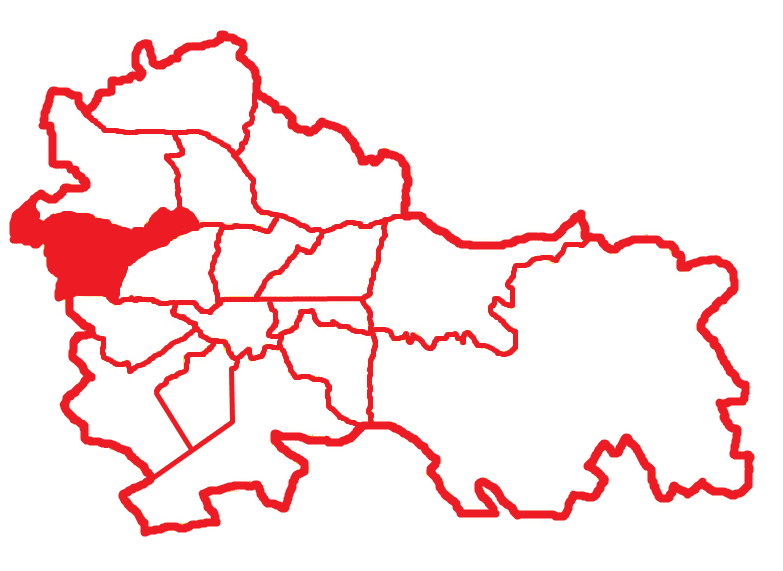
During the Middle Ages, Dravlje was a rural farming settlement often beset by invasions and plagues, including a significant outbreak in 1644 (td-dravlje.si). Over centuries, Dravlje gradually integrated into the expanding city of Ljubljana, officially becoming one of its 17 districts in the 20th century (Wikipedia). The district includes former villages such as Dolnice, Glinica, Kamna Gorica, Podutik, and Zapuže, with boundaries marked by major city roads and highways.
Key Attractions and Visiting Information
St. Bartholomew’s Church
One of Ljubljana’s oldest churches, St. Bartholomew’s is a testament to Dravlje’s deep-rooted traditions (trek.zone).
- Visiting Hours 9:00 AM – 6:00 PM daily (hours may vary on holidays)
- Tickets Free entry
- Accessibility Reachable by foot, bicycle, and public transport
- Tours Available through the local parish office (advance booking recommended)
Kavšek Bridge (Kauschegg Bridge)
This historic stone bridge over Glinščica Creek in Podutik commemorates early infrastructural development (trek.zone).
- Visiting Hours Open year-round (outdoor site)
- Tickets Free
Vodnikova domačija Cultural Center
A hub for literary events, workshops, and exhibitions celebrating Slovenian culture (mapcarta.com).
- Visiting Hours Monday–Friday, 10:00 AM–6:00 PM (closed weekends)
- Tickets Entry fees vary by event
Computer History Museum Slovenia
A highlight for technology enthusiasts, this museum presents the evolution of computing through interactive exhibits (Mapcarta).
- Visiting Hours Tuesday–Sunday, 10:00 AM–6:00 PM (closed Mondays)
- Tickets €5 general admission; discounts available
- Tours By appointment
Natural Features and Recreation
Dravlje is rich in green spaces such as Koseze Pond, perfect for walking, jogging, birdwatching, and picnics (trek.zone). The area’s gently rolling terrain and proximity to Tivoli Park and Rožnik Hill make it ideal for outdoor enthusiasts seeking tranquility close to the city center.
Visitor Tips and Nearby Attractions
- Getting There Dravlje is accessible from Ljubljana’s center by public bus (lines 6, 20), bicycle, or car. Parking is generally available.
- Photography St. Bartholomew’s Church, Kavšek Bridge, and tree-lined avenues are excellent for photos.
- Nearby Attractions Explore Tivoli Park, Rožnik Hill, the National Gallery, and Ljubljana’s historic center.
- Events Check for local festivals, workshops at Vodnikova domačija, and historical guided tours.
- Dining Enjoy local bakeries, cafes, and family-run restaurants; more options are available in central Ljubljana.
- Accommodation Mostly private apartments and guesthouses; a wider range is available in the city center (slovenianguide.com).
Preservation and Community Identity
Dravlje’s residents are dedicated to preserving the district’s heritage through cultural programs, the maintenance of historical sites, and active participation in citywide events (td-dravlje.si). This commitment blends tradition with a vibrant urban lifestyle, enriching the visitor experience.
Visiting St. Roch’s Church in Dravlje
St. Roch’s Church (Cerkev sv. Roka) is a notable Baroque monument built in the 17th century as a votive offering during the plague. It features striking frescoes and a tranquil setting beside Dravlje Cemetery.
- Opening Hours 9:00 AM–5:00 PM, Monday–Saturday (hours may vary on religious holidays)
- Admission Free
- Guided Tours Available through the Community Centre or local tourist offices
- Accessibility Wheelchair accessible via paved paths
- Photography Permitted (no flash during services)
Nearby, the Dravlje Cemetery and Draveljski Gaj park offer peaceful spots for reflection. The Community Centre hosts annual music events—most notably, the free “Evening of Slovenian Music” each June.
Transportation and Accessibility
Dravlje is well-served by Ljubljana’s public transport network. Multiple bus lines connect the district to central Ljubljana in 15–20 minutes (visitljubljana.com), and the area is highly walkable and cycle-friendly. The H3 expressway provides easy access by car, with parking regulated near busy zones. Public spaces and transport are generally accessible for visitors with mobility challenges.
Frequently Asked Questions (FAQ)
Q: What are the visiting hours for main churches and museums in Dravlje?
A: St. Bartholomew’s Church: 9:00 AM–6:00 PM; St. Roch’s Church: 9:00 AM–5:00 PM; Computer History Museum: 10:00 AM–6:00 PM (closed Mondays).
Q: Are tickets required for Dravlje’s historical sites?
A: Most are free; museums may charge a modest entry fee.
Q: How do I reach Dravlje from Ljubljana city center?
A: Use public buses (lines 6, 20), cycling routes, or drive (15–20 minutes).
Q: Are guided tours available?
A: Yes, for churches, museums, and themed walking or food tours via local operators.
Q: What is the best time to visit?
A: Spring to early autumn for festivals and pleasant weather; mornings and late afternoons for photography.
Q: What nearby attractions are recommended?
A: Tivoli Park, Rožnik Hill, National Gallery, Lake Bled, and Triglav National Park.