
From Fortress to Civic Landmark
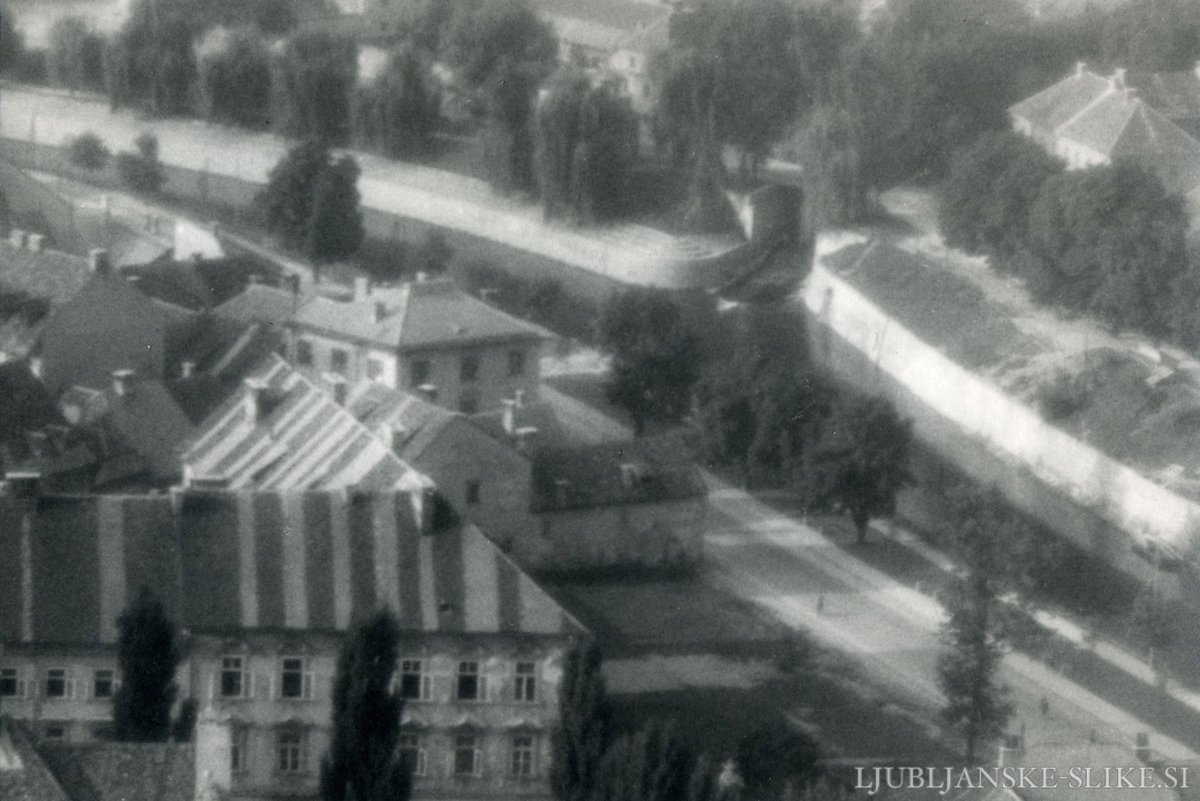
Kresija Palace occupies a site with roots in Ljubljana’s medieval defensive system, evolving from a strategic checkpoint into the heart of municipal administration. Its name traces to the German “Kreisamt” (district office), reflecting the building’s civic origins. The current palace was erected between 1897 and 1898, following designs by Austrian architect Leopold Theyer, after the city’s devastating earthquake. This period marked a transformative phase in Ljubljana’s urban development, and Kresija Palace quickly became a symbol of resilience and renewal (en.wikipedia.org).
Eclectic Architectural Style
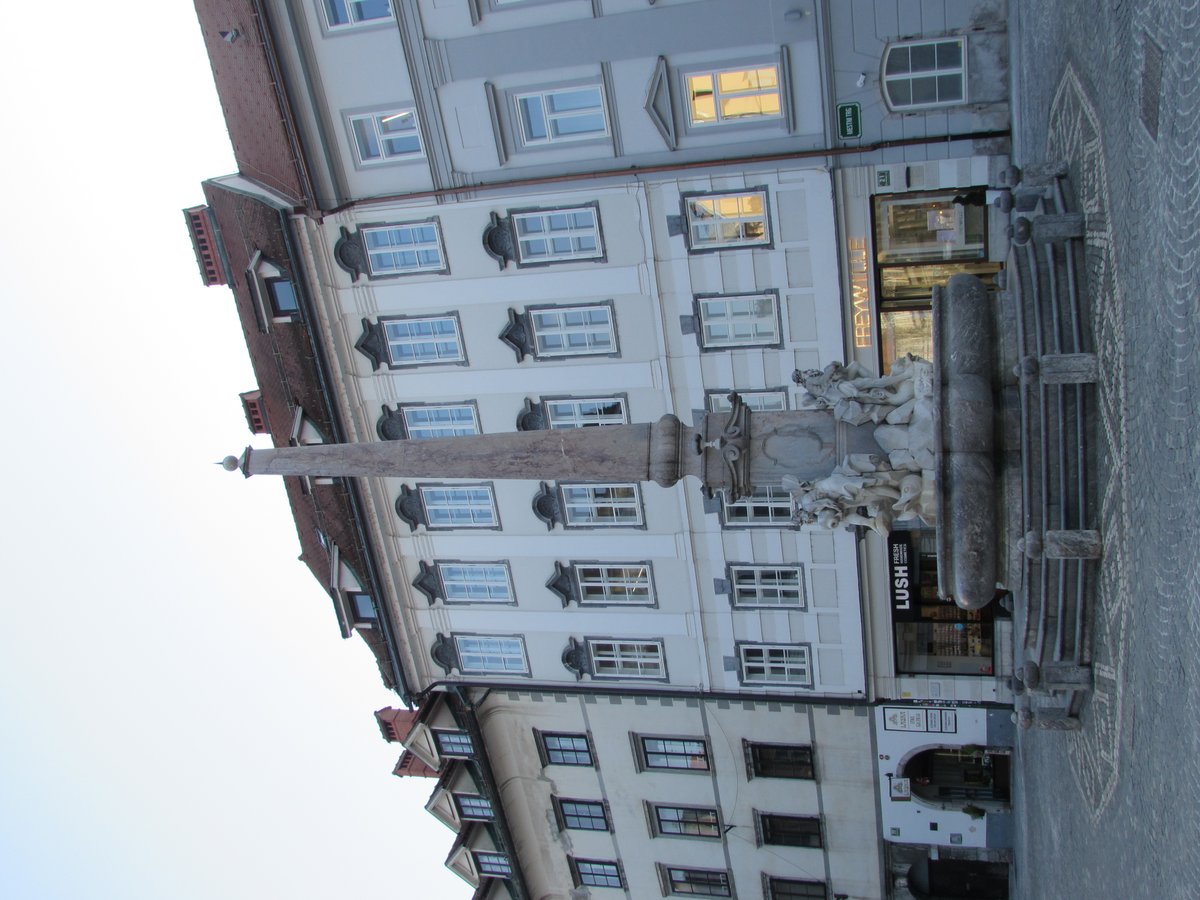
The palace is celebrated for its eclectic historicist style, harmoniously blending Neo-Renaissance symmetry and proportions with Neoclassical details and Baroque Revival ornamentation. Noteworthy features include:
- Symmetrical façades with pilasters, cornices, and arched windows.
- Baroque decorative elements such as intricate stucco work, a sculpted coat of arms, and a wrought-iron balcony.
- Corner turret with a dome, marking the symbolic entrance from the bustling city center to the tranquil riverside promenade.
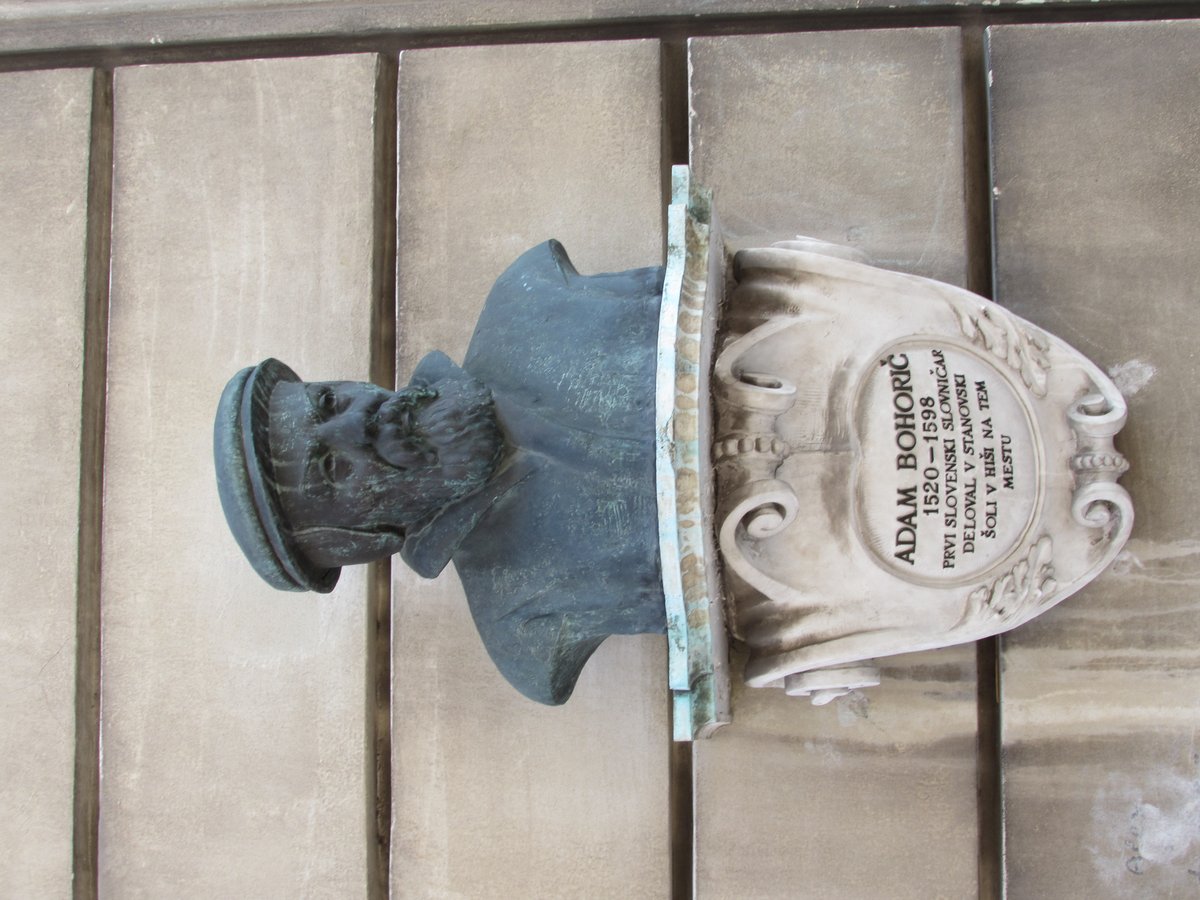
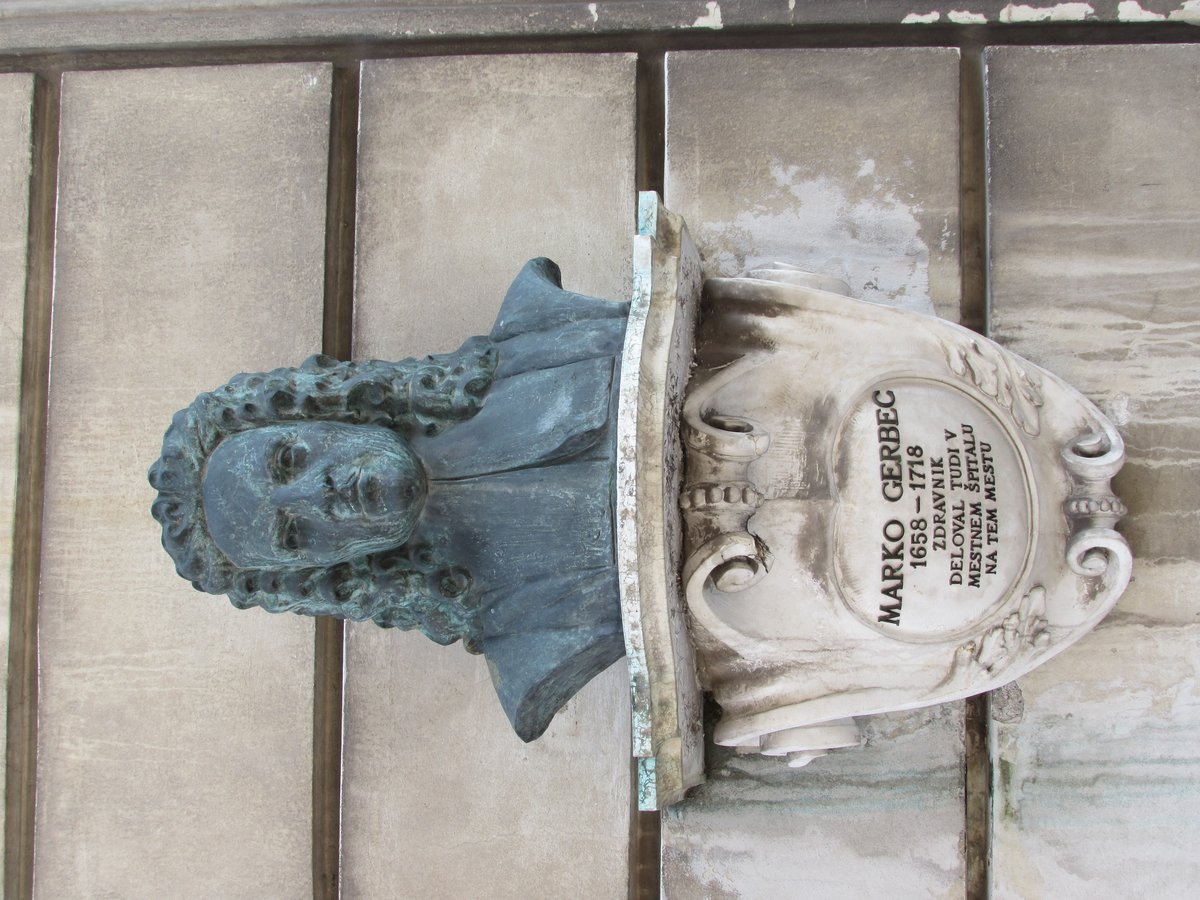
- Commemorative busts of Slovenian luminaries Adam Bohorič and Marko Gerbec, reinforcing the building’s cultural significance (culture.si).
Urban Context and Interior
Positioned at the corner of Stritarjeva ulica and Adamič-Lundrovo nabrežje, adjacent to the Triple Bridge and Prešeren Square, Kresija Palace occupies a central and accessible location (sl.wikipedia.org). The building’s irregular square plan encloses an inner courtyard, providing a retreat from the busy city center. Inside, the palace features period finishes, decorative plasterwork, and a gallery space infused with natural light.
Kresija Palace Today: Cultural Hub and Gallery
In the latter half of the 20th century, Kresija Palace underwent a transformation from a purely administrative building to a cultural venue. Today, its ground floor houses the Kresija Gallery, a vibrant space for contemporary art exhibitions, municipal projects, and international collaborations. The gallery’s transparent façade and street-level windows invite passersby to engage with art, while the interior hosts regularly changing exhibitions, artist talks, and community events.
The palace’s transition mirrors Ljubljana’s wider commitment to accessible and inclusive culture. Its central location, open-door policy, and dynamic programming make it a focal point for both residents and visitors (Ljubljana Tourism).
Visitor Information: Hours, Tickets, and Accessibility
Opening Hours
- Tuesday–Sunday 10:00 AM – 6:00 PM
- Closed Mondays and public holidays
Hours may be extended during special events. For the most up-to-date information, check the Kresija Gallery website.
Tickets
- Admission Free entry to Kresija Gallery and public spaces.
- Special Events Some exhibitions may require tickets, available onsite or online.
Accessibility
- Wheelchair Access Step-free entry, ramps, and elevators are available.
- Restrooms Accessible restrooms are provided; public facilities are also nearby.
- Assistance Contact the gallery in advance for any special requirements.
Guided Tours
- Availability Guided tours focusing on the palace’s history and architecture can be booked through the Ljubljana Tourist Information Centre or by contacting the gallery directly.
- Languages Staff usually speak Slovenian and English; exhibition texts are often bilingual.
Location and Getting There
- Address Kresija Palace, Stritarjeva ulica 6, Ljubljana, Slovenia
- Public Transport Bus lines 1, 6, and 20 stop near Prešeren Square.
- On Foot 15-minute walk from the main train and bus stations.
- Bicycle City bike rentals and racks are nearby.
- Parking Limited in the Old Town; paid garages at Gosposvetska and Kongresni trg are closest.
What to See and Do at Kresija Palace
Gallery Experience
The Kresija Gallery’s open design allows for both spontaneous short visits and in-depth exploration. Exhibitions span visual arts, illustration, puppetry, and more, often reflecting current social and cultural themes (Ljubljana Art Weekend). The gallery’s transparency and central location connect visitors to the rhythm of city life.
Architectural Highlights
- River-facing façade with rusticated stonework and decorative pilasters.
- Corner turret and dome, a visual gateway to the Old Town.
- Commemorative plaques and busts honoring Slovenian historical figures.
- Ornate entrance and balcony with wrought-iron details.
Historical Legacy
- Plaques and memorials commemorate Slovenia’s independence struggles and the building’s civic legacy (en.wikipedia.org).
- Past uses include hospital and school functions prior to 1895.
Nearby Attractions
- Triple Bridge Iconic work by architect Jože Plečnik.
- Prešeren Square Main city plaza with the national poet’s statue.
- Ljubljana Castle Hilltop fortress with panoramic views.
- Central Market Bustling marketplace for local produce and crafts.
Events and Community Engagement
Kresija Palace regularly hosts exhibition openings, artist talks, lectures, and workshops, often in partnership with local and international organizations. During major festivals, such as Ljubljana Art Weekend, opening hours are extended and special programs are offered (Ljubljana Art Weekend). For current schedules, visit the official event page.
Practical Tips for Your Visit
- Admission is always free; no reservation is required for general visits.
- Short visits are welcome; the gallery layout allows for meaningful engagement in 10–15 minutes.
- Combine your visit with walks along the riverside, stops at local cafés, or shopping at nearby boutiques like Gud Shop (Spotted by Locals).
- Photography Permitted in most areas, except where indicated by exhibition signage.
- Safety The area is safe and well-patrolled, but as in any urban center, keep an eye on personal belongings during crowded events.
Frequently Asked Questions (FAQ)
Q: Do I need to buy tickets to visit Kresija Palace?
A: No, admission is free for all visitors. Some special exhibitions may require tickets.
Q: What are the opening hours?
A: Tuesday–Sunday, 10:00 AM to 6:00 PM. Closed Mondays and public holidays.
Q: Is Kresija Palace wheelchair accessible?
A: Yes, with ramps and elevators. Contact the gallery for specific needs.
Q: Are guided tours available?
A: Yes, by advance arrangement via the gallery or Ljubljana Tourist Information Centre.
Q: Can I take photographs inside?
A: Usually yes, but policies may vary by exhibition—please ask staff.
Q: Is there parking nearby?
A: Limited parking in the Old Town; use nearby garages if arriving by car.
Discover More
Enhance your Ljubljana experience:
- Download the Audiala app for self-guided walking tours—including Kresija Palace and other historical gems of the city.
- Follow Kresija Gallery and the City of Ljubljana on social media for exhibition updates and insider tips.
- For additional resources and official information, consult the sources below.