Cankar Hall (Cankarjev dom): What It Is
Cankar Hall (Cankarjev dom), on Republic Square in central Ljubljana, is Slovenia’s largest cultural and congress centre. Opened in 1980, it was designed by Edvard Ravnikar, a disciple of Jože Plečnik and Le Corbusier, and named for Ivan Cankar, Slovenia’s celebrated writer. The centre hosts concerts, theatre, festivals, exhibitions, conferences and other civic and cultural events. (Cankarjev dom official, culture.si, Slovenia.si, Visit Ljubljana)
Reports describe the centre as hosting over 1,200 events annually; its published statistics also state that it holds over 250 events annually and welcomes more than 500,000 visitors. (Cankarjev dom statistics)
History
The idea for Cankar Hall emerged during the 1976 centenary celebrations of Ivan Cankar, amid calls for a modern, multifunctional cultural venue in Ljubljana. Mitja Ribičič and a coalition of cultural and government leaders spearheaded the project, intended to accommodate large-scale cultural, social and international events. (Cankarjev dom official)
Construction began in 1978 and faced bureaucratic and financial hurdles. When the centre opened in 1980, it was Slovenia’s largest cultural investment. (Odprte hiše Slovenije)
Cankar Hall has hosted pivotal moments in Slovenian history, including the proclamation of Slovenian independence, and continues to host state ceremonies and national celebrations. (Kongres Magazine, Slovenia.si)
What to See and Do
Architecture and public art
Ravnikar designed Cankar Hall as the final piece of Republic Square. Its modernist design preserves the square’s open character by placing major auditoriums underground. The building has three wings and a minimalist white-stone façade; its use of local stone and wood and its public art connect the design with Slovenian traditions and identity. (culture.si, Cankarjev dom official, Kathmandu & Beyond, Visit Ljubljana)
At the entrance is sculptor Slavko Tihec’s monument to Ivan Cankar, a significant symbol of Slovenian culture. The modernist building contrasts with, while also harmonising with, Ljubljana’s Baroque and Art Nouveau architecture. (culture.si, Visit Ljubljana)
Halls and facilities
The centre has 23 venues across approximately 36,000 m², supporting cultural and congress events.
- Gallus Hall The main auditorium, with 1,545 seats, acclaimed acoustics and a grand pipe organ built by Karl Schuke’s Berlin workshop. (Cankarjev dom – Gallus Hall, culture.si)
- Linhart Hall Used for theatre and chamber music.
- Kosovel Hall Used for experimental theatre and lectures.
- Štih Hall Used for literary and avant-garde performances.
The centre’s adaptable infrastructure supports a range of artistic and congress events.
Arts, festivals and cultural programmes
Cankar Hall’s programme spans music, theatre, dance, visual arts, film and literature, and includes both Slovenian and international artists. It is a main venue for the Slovenian Philharmonic Orchestra, the Slovenian National Theatre, the Ljubljana International Film Festival (LIFFe), the Ljubljana Jazz Festival and the Biennial of Graphic Arts. (Ljubljana Jazz Festival, Biennial of Graphic Arts)
Annual festivals held at the centre include the Ljubljana Festival, Druga Godba, the Biennial of Slovene Book Illustration, ARTish Art Festival and Hearth Summit. Regular events include classical and contemporary music, theatre, dance, film, lectures and exhibitions. (Visit Ljubljana, Cankarjev dom Hearth Summit)
Educational programmes include workshops, lectures and guided tours for all ages, organised in partnership with schools and universities. The centre also hosts public forums and academic conferences, commissions new works, and holds commemorative events celebrating Slovenian culture. (Cankarjev dom education)
Cankar Hall’s diverse programming reflects Slovenia’s multicultural heritage and European connections. Its events, educational work and civic gatherings contribute to Ljubljana’s cultural life, international reputation and economy, drawing visitors and professionals from Slovenia and Central Europe. The centre also provides a platform for minority and marginalised voices. (Slovenia.si, Ljubljana Tourism Board, Cankarjev dom accessibility)
Practical Visiting Information
Opening hours
- Monday–Friday 9:00 AM–9:00 PM
- Saturday 10:00 AM–6:00 PM
- Sunday Closed
Hours may change for special events or holidays. Check the official website for updates.
Tickets and guided tours
- Event tickets €5–€30, depending on the event.
- Guided tours Typically €10 per person; advance booking is required. Tours can be arranged in advance and cover the centre’s architecture, history and cultural significance.
- Discounts Available for students, seniors and groups.
Event tickets can be purchased online or at the box office. For schedules and event details, consult the event calendar.
Accessibility and visitor services
Cankar Hall offers barrier-free access, including ramps, elevators, designated seating, accessible restrooms and parking. Facilities also include tactile paths, Braille signage, induction loops and assistive listening devices for visitors with hearing impairments. (Visit Ljubljana – Accessibility, Visit Ljubljana – Wheelchair Accessibility)
Visitor services include free Wi-Fi, cloakrooms, on-site cafés and bars serving meals and drinks, and multilingual staff and signage. (Visit Ljubljana)
Getting there
Cankar Hall is centrally located on Republic Square and can be reached by public transport, taxi or on foot. City buses serve the area; an Urbana card is recommended. Paid parking is available nearby, but spaces are limited. The centre is also accessible on foot or by bicycle from the Old Town, and bike racks are available. (Showcasing the Globe)
Photography and virtual tour
The modernist façade and Ivan Cankar monument are popular photography spots, particularly in early morning or late afternoon light. Photography is allowed in public areas; professional photography requires permission.
Explore the virtual tour and photo galleries.

Tips
- Purchase event tickets in advance, especially for festivals.
- The “Ljubljana by Wheelchair” app can be used for accessible navigation.
Nearby Places
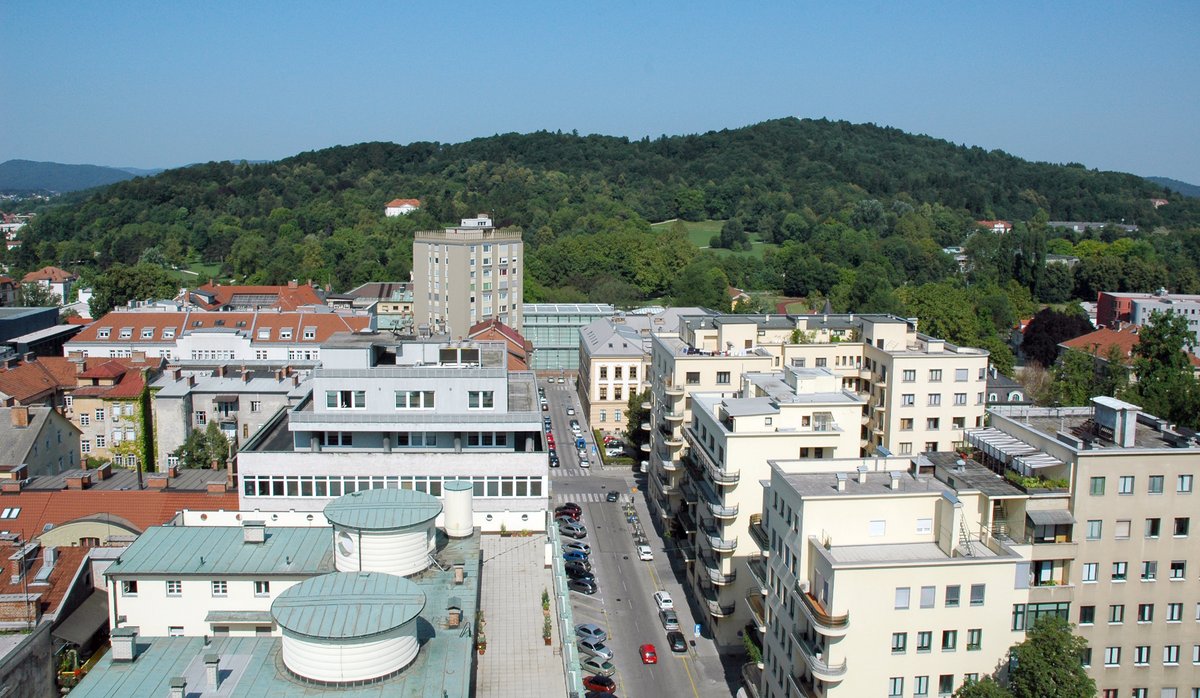
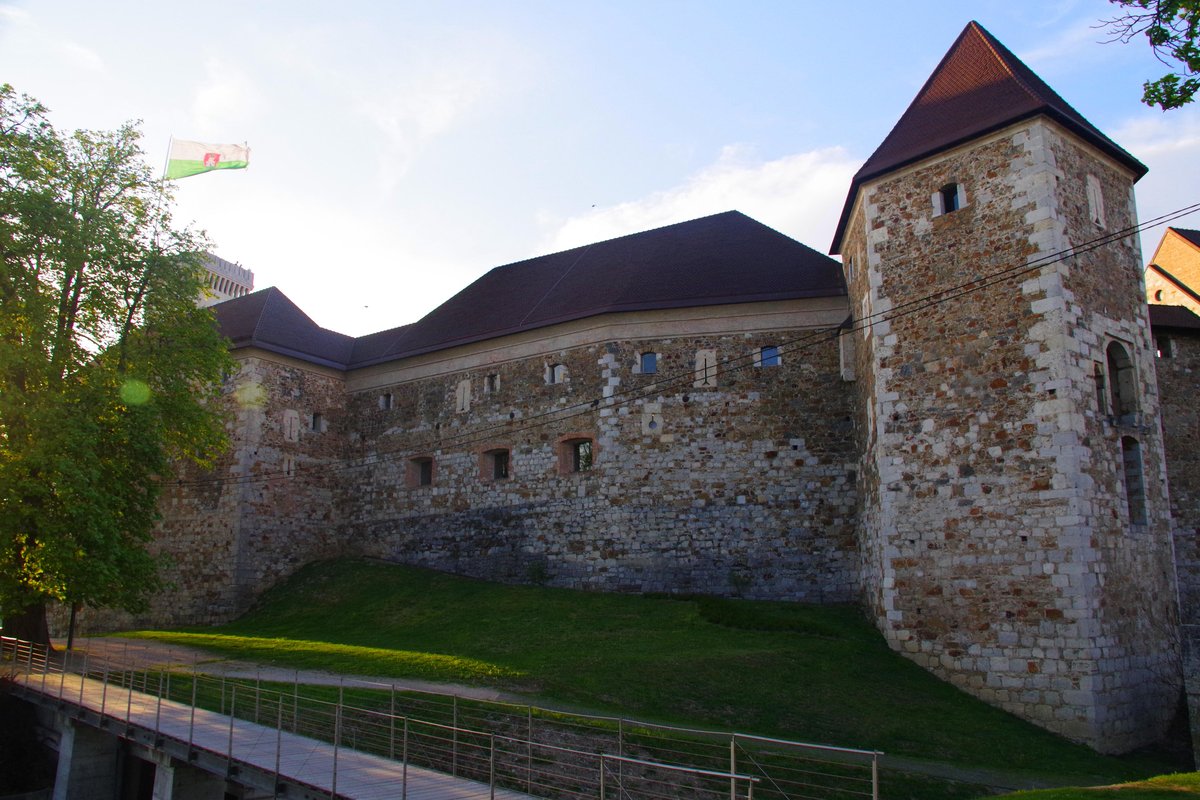
Nearby attractions include Tivoli Park, Ljubljana Castle, the Central Market, the National Gallery and the Old Town.
Frequently Asked Questions (FAQ)
What are Cankar Hall’s visiting hours?
Monday–Friday, 9:00 AM–9:00 PM; Saturday, 10:00 AM–6:00 PM; Sunday, closed. Hours may change for special events or holidays, so check the official website.
How do I buy tickets?
Buy tickets online or at the box office. Discounts are available for students, seniors and groups.
Is Cankar Hall accessible for visitors with disabilities?
Yes. Access features include wheelchair access, tactile paths, Braille signage and assistive listening devices.
Are guided tours available?
Yes. Tours are available by prior arrangement and cover the centre’s architecture, history and cultural programming. Advance booking is required; they typically cost €10 per person.
Can I take photos?
Photography is allowed in public areas. Professional photography requires permission.
Are refreshments available?
Yes. On-site cafés and bars serve meals and drinks.