
Comprehensive Guide to Visiting Singapore
Date: 13/08/2024
Captivating Introduction
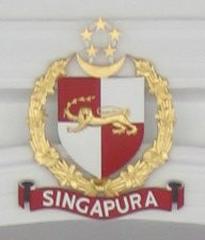
Welcome to Singapore, a dazzling gem in Southeast Asia where futuristic skyscrapers blend seamlessly with rich cultural heritage. Known as the ‘Lion City,’ Singapore’s name is derived from the Sanskrit words ‘Singa’ (lion) and ‘Pura’ (city). Legend has it that a Srivijayan prince named Sang Nila Utama saw a lion upon his arrival on the island in the 14th century and named it Singapura (National Museum of Singapore). This island nation, now home to over 5.7 million residents, stands as a testament to human ingenuity and resilience. From its early days as the bustling port city of Temasek to its transformation into a global financial powerhouse, Singapore’s journey is nothing short of extraordinary (Britannica).
As you dive into this comprehensive guide, envision yourself strolling along the clean streets, marveling at the harmonious blend of colonial-era buildings and modern architectural wonders. Picture the lush greenery of Gardens by the Bay juxtaposed against the iconic skyline of Marina Bay Sands. Feel the vibrant pulse of cultural diversity in neighborhoods like Chinatown and Little India, where every corner offers a sensory delight, from the aroma of sizzling street food to the vivid hues of traditional attire (Nomadic Matt).
This guide is designed to be your personal roadmap to exploring Singapore, enriched with insider tips and hidden gems that only locals know. Whether you’re a history buff, a foodie, or an adventure seeker, there’s something here for everyone. So, let’s embark on this adventure together, unlocking the secrets and stories that make Singapore a destination like no other.
Table of Contents
- History of Singapore
- Cultural Insights
- Visitor Tips
- Must-See Attractions
- Marina Bay Sands: Sky High Luxury
- Gardens by the Bay: Nature’s Wonderland
- Sentosa Island: Adventure Awaits
- Singapore Zoo and Night Safari: Wild Encounters
- Chinatown: A Cultural Kaleidoscope
- Little India: A Riot of Colors and Flavors
- Clarke Quay: Riverside Revelry
- Orchard Road: Shopper’s Paradise
- Merlion Park: Iconic Views
- Singapore Flyer: Sky-High Views
- National Gallery Singapore: Art and History
- Singapore Botanic Gardens: A Natural Oasis
- Hawker Centres: Culinary Adventures
- Jewel Changi Airport: Beyond Travel
History of Singapore
Early History and Founding
Once upon a time, in the 14th century, there was an island known as Temasek, a bustling port city. Picture this: a thriving trading hub where merchants from distant lands bartered spices and silk. By the late 13th century, the island had a new name, Singapura, meaning ‘Lion City’ in Sanskrit. Legend has it, a Srivijayan prince named Sang Nila Utama saw a lion upon landing on the island and gave it this majestic name (National Museum of Singapore).
Colonial Era
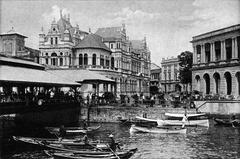
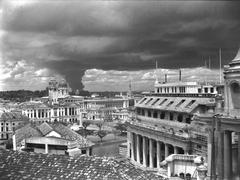
Fast forward to 1819, when Sir Stamford Raffles of the British East India Company set foot on Singapore. Imagine him, dressed in his colonial attire, eyeing the island’s strategic value. He established a trading post, setting the stage for Singapore’s transformation into a major port city. By 1824, the British had full control, and in 1826, Singapore became part of the Straits Settlements (Britannica).
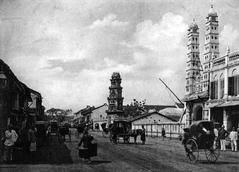
Singapore’s prime location along the Strait of Malacca made it a maritime trade magnet. The island’s population boomed, drawing migrants from China, India, and the Malay Archipelago. In 1867, it became a Crown Colony under direct British rule, cementing its role as a commercial and military hub (National Museum of Singapore).
World War II and Japanese Occupation
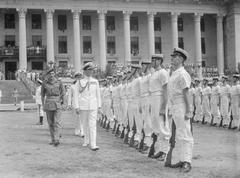
During World War II, Singapore was a key British stronghold. Picture the chaos as Japanese forces invaded in February 1942, renaming it Syonan-To, ‘Light of the South Island’. The occupation, marked by hardship, lasted until September 1945 (National Museum of Singapore).
Post-War Period and Path to Independence
Post-war, Singapore returned to British control but was never the same. In 1959, it achieved self-governance, with Lee Kuan Yew becoming its first Prime Minister. His People’s Action Party (PAP) won the first general election, reshaping Singapore’s political landscape (Britannica).
In 1963, Singapore joined the Federation of Malaysia, only to secede in 1965 due to political and economic differences, becoming an independent republic (National Library Board).
Economic Transformation
Lee Kuan Yew’s ambitious economic policies turned Singapore into a global financial and trade center. Imagine the metamorphosis: foreign investments pouring in, infrastructure blooming, and education thriving. By the 1980s, Singapore was a global economic powerhouse, known for its efficient government, low corruption, and high living standards (Britannica).
Modern Singapore
Today, Singapore is a vibrant, multicultural city-state with over 5.7 million residents. Picture clean streets, efficient public transport, and a high quality of life. A major tourist destination, it blends modernity with tradition (Nomadic Matt).
Key Historical Sites and Attractions
National Museum of Singapore
Explore the island’s history at the National Museum of Singapore. Its Singapore History Gallery, divided into four sections—Singapura, Crown Colony, Syonan-To, and Singapore—offers a captivating journey through time (National Museum of Singapore).
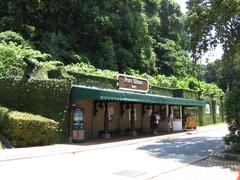
Fort Canning Park
Fort Canning Park, a historic hilltop park, has witnessed many key events. Once the site of Malay kings’ palaces and later a British military base, it now offers a mix of historical landmarks and lush greenery (PlanetWare).
Changi Chapel and Museum
The Changi Chapel and Museum honors those who suffered during the Japanese occupation. It houses artifacts, photographs, and personal stories, providing a poignant reminder of this dark period (Lonely Planet).
Cultural Insights
Singapore’s diverse population, a mix of Chinese, Malay, Indian, and Eurasian communities, is celebrated through cultural festivals like Chinese New Year, Hari Raya Puasa, Deepavali, and Vesak Day (Time Out).
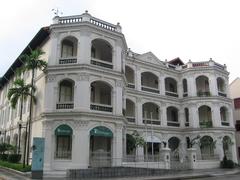
The city’s architecture reflects this blend. Heritage shophouses and colonial-era buildings stand alongside modern skyscrapers. Notable examples include the colonial-era Raffles Hotel and the modern Marina Bay Sands (Time Out).
Visitor Tips
- Best Time to Visit: Visit from February to April for cool, dry weather and vibrant cultural festivals (Travellers Worldwide).
- Public Transportation: Singapore’s MRT system is efficient and affordable, covering most parts of the island (Nomadic Matt).
- Safety: Known for its low crime rate and strict laws, visitors should be aware of local regulations like the chewing gum ban and jaywalking prohibition (Lonely Planet).
- Cultural Etiquette: Respect for cultural diversity is key. Remove shoes before entering homes and dress modestly when visiting religious sites (Lonely Planet).
Must-See Attractions
Marina Bay Sands: Sky High Luxury
Imagine floating on top of the world, quite literally. Marina Bay Sands, with its iconic SkyPark on the 57th floor, offers not just a swim but an experience in the world’s largest rooftop infinity pool. As you glide through the water, the panoramic views of the city’s skyline are nothing short of magical. Fancy a bit more? Dive into the glam at the casino, shop till you drop, or savor a gourmet meal at one of its top-notch restaurants. For more glitz and glam, visit Marina Bay Sands.
Gardens by the Bay: Nature’s Wonderland
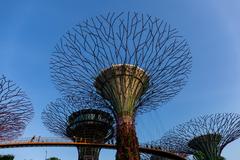
Welcome to a futuristic paradise! Gardens by the Bay spans 101 hectares and features the jaw-dropping Supertree Grove. These towering structures light up the night with a mesmerizing display. Pop into the Flower Dome, the largest glass greenhouse in the world, or explore the mist-laden Cloud Forest, home to a 35-meter indoor waterfall. The blend of technology and nature here is a feast for the senses. Discover more at Gardens by the Bay.
Sentosa Island: Adventure Awaits
Sentosa isn’t just an island; it’s a playground for all ages. Whether it’s the thrills of Universal Studios, the wonders of marine life at S.E.A. Aquarium, or the splash-tastic fun at Adventure Cove Waterpark, there’s something here for everyone. And for a bird’s eye view, hop onto the Sentosa Cable Car. Need a breather? Chill out at Palawan or Siloso Beaches. Start your adventure at Sentosa.
Singapore Zoo and Night Safari: Wild Encounters
Get up close and personal with wildlife at Singapore Zoo, renowned for its open-concept enclosures. Meet over 2,800 animals from 300 species. When night falls, the adventure continues at the Night Safari, the world’s first nocturnal wildlife park. Hop on a tram and explore various geographical zones. Unearth more at Singapore Zoo and Night Safari.
Chinatown: A Cultural Kaleidoscope
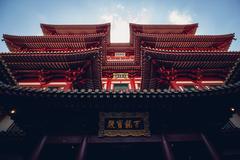
Step into the vibrant world of Chinatown, where tradition and modernity blend seamlessly. Explore the Buddha Tooth Relic Temple, dive into history at the Chinatown Heritage Centre, or simply wander the bustling markets. Don’t forget to sample local delicacies at the hawker centers. More details at Chinatown.
Little India: A Riot of Colors and Flavors
Little India tantalizes all your senses with its vibrant markets, historic temples, and mouth-watering cuisine. Visit the Sri Veeramakaliamman Temple, shop at the 24-hour Mustafa Centre, or indulge in Indian street food at the Tekka Centre. Immerse yourself in the culture at Little India.
Clarke Quay: Riverside Revelry
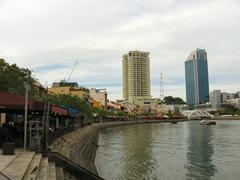
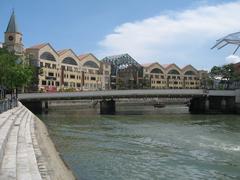
Clarke Quay transforms as the sun sets, becoming the heart of Singapore’s nightlife. This historical quay is now a bustling hub of restaurants, bars, and clubs. Enjoy a river cruise or join in the lively festivals held throughout the year. Dive into the fun at Clarke Quay.
Orchard Road: Shopper’s Paradise
Orchard Road is a 2.2-kilometer stretch of retail heaven. From luxury boutiques to sprawling malls like ION Orchard and Ngee Ann City, it’s every shopper’s dream. And when hunger strikes, there are plenty of dining options to choose from. Start shopping at Orchard Road.
Merlion Park: Iconic Views
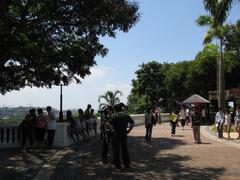
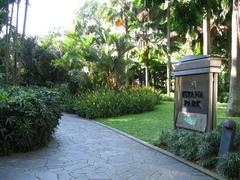
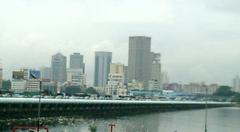
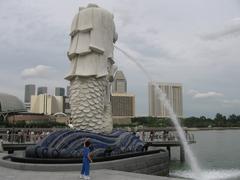
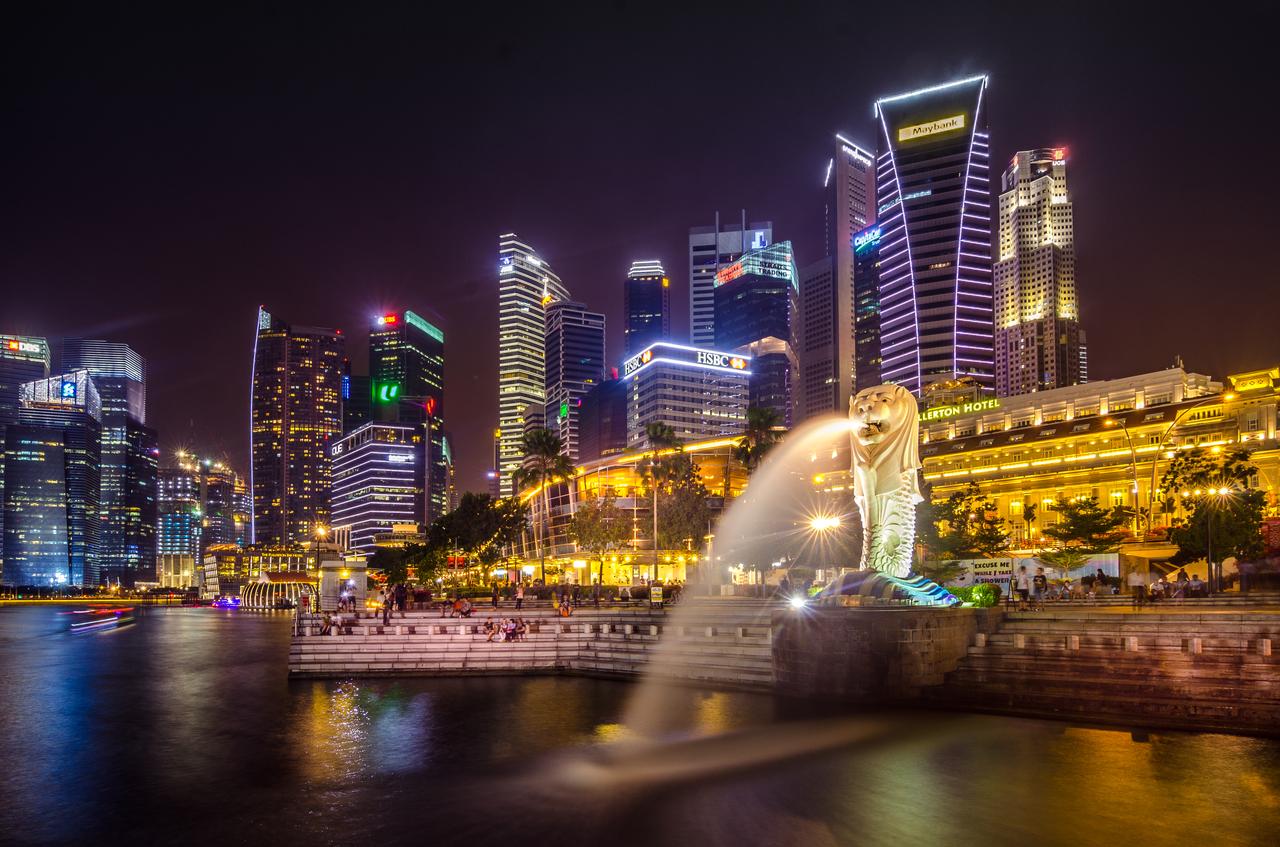
No trip to Singapore is complete without visiting Merlion Park. The Merlion statue, with its lion’s head and fish’s body, offers fantastic photo opportunities against the stunning backdrop of Marina Bay. Relax and enjoy the view at Merlion Park.
Singapore Flyer: Sky-High Views
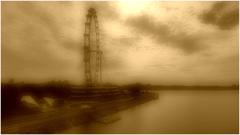
Soar above the city on the Singapore Flyer, one of the world’s largest observation wheels. At 165 meters, the views are breathtaking. Opt for a special dining capsule for an unforgettable meal in the sky. More info at Singapore Flyer.
National Gallery Singapore: Art and History
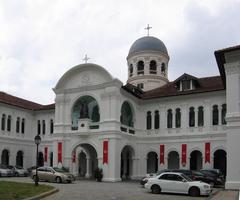
Housed in historic buildings, the National Gallery Singapore boasts over 8,000 works of Southeast Asian art. It’s a visual feast showcasing artists like Georgette Chen and Liu Kang. The gallery also offers events, workshops, and guided tours. Explore more at National Gallery Singapore.
Singapore Botanic Gardens: A Natural Oasis
A UNESCO World Heritage Site, the Singapore Botanic Gardens is a lush escape from the urban jungle. Wander through the National Orchid Garden or the serene Rainforest. It’s a perfect spot for picnics, concerts, and more. Plan your visit at Singapore Botanic Gardens.
Hawker Centres: Culinary Adventures
Dive into Singapore’s rich food culture at its hawker centers. From Maxwell Food Centre to Lau Pa Sat, these bustling hubs offer iconic dishes like Hainanese chicken rice and laksa. Savor the flavors at Hawker Centres.
Jewel Changi Airport: Beyond Travel
Jewel Changi Airport is an experience in itself. Marvel at the HSBC Rain Vortex, the world’s tallest indoor waterfall, and explore the Shiseido Forest Valley. With a plethora of shops, dining options, and attractions like Canopy Park, Jewel redefines airport layovers. Discover more at Jewel Changi Airport.
Call to Action
As we wrap up this comprehensive guide to visiting Singapore, it’s clear that this dynamic city-state offers an unparalleled blend of history, culture, and modernity. From its humble beginnings as the ancient port city of Temasek to its rise as a global economic powerhouse, Singapore’s journey is a captivating tale of resilience and transformation (National Library Board).
Today, Singapore stands as a beacon of multicultural harmony and innovation. Its diverse population, comprising Chinese, Malay, Indian, and Eurasian communities, celebrates a rich tapestry of festivals, cuisines, and traditions. The city’s meticulously preserved heritage sites, like the National Museum of Singapore and Fort Canning Park, offer a window into its storied past, while modern attractions like Marina Bay Sands and Gardens by the Bay showcase its futuristic ambitions (PlanetWare).
For travelers, Singapore is a treasure trove of experiences waiting to be discovered. Whether you’re navigating the bustling streets of Chinatown, savoring the culinary delights at a hawker center, or simply soaking in the panoramic views from the Singapore Flyer, every moment here is an adventure. And with this guide in hand, you’re well-equipped to explore the Lion City like a true local.
Before you set off on your journey, consider downloading the Audiala app, your perfect companion for exploring Singapore. With expertly crafted audio guides, insider tips, and real-time updates, Audiala will help you unlock the hidden gems and stories that make Singapore truly unique. Your unforgettable adventure awaits—download Audiala and start exploring today!
References
- National Museum of Singapore, Exhibition, National Museum of Singapore
- Britannica, History of Singapore, Britannica
- Nomadic Matt, Travel Tips, Nomadic Matt
- National Library Board, Site History, National Library Board
- PlanetWare, Tourist Attractions, PlanetWare