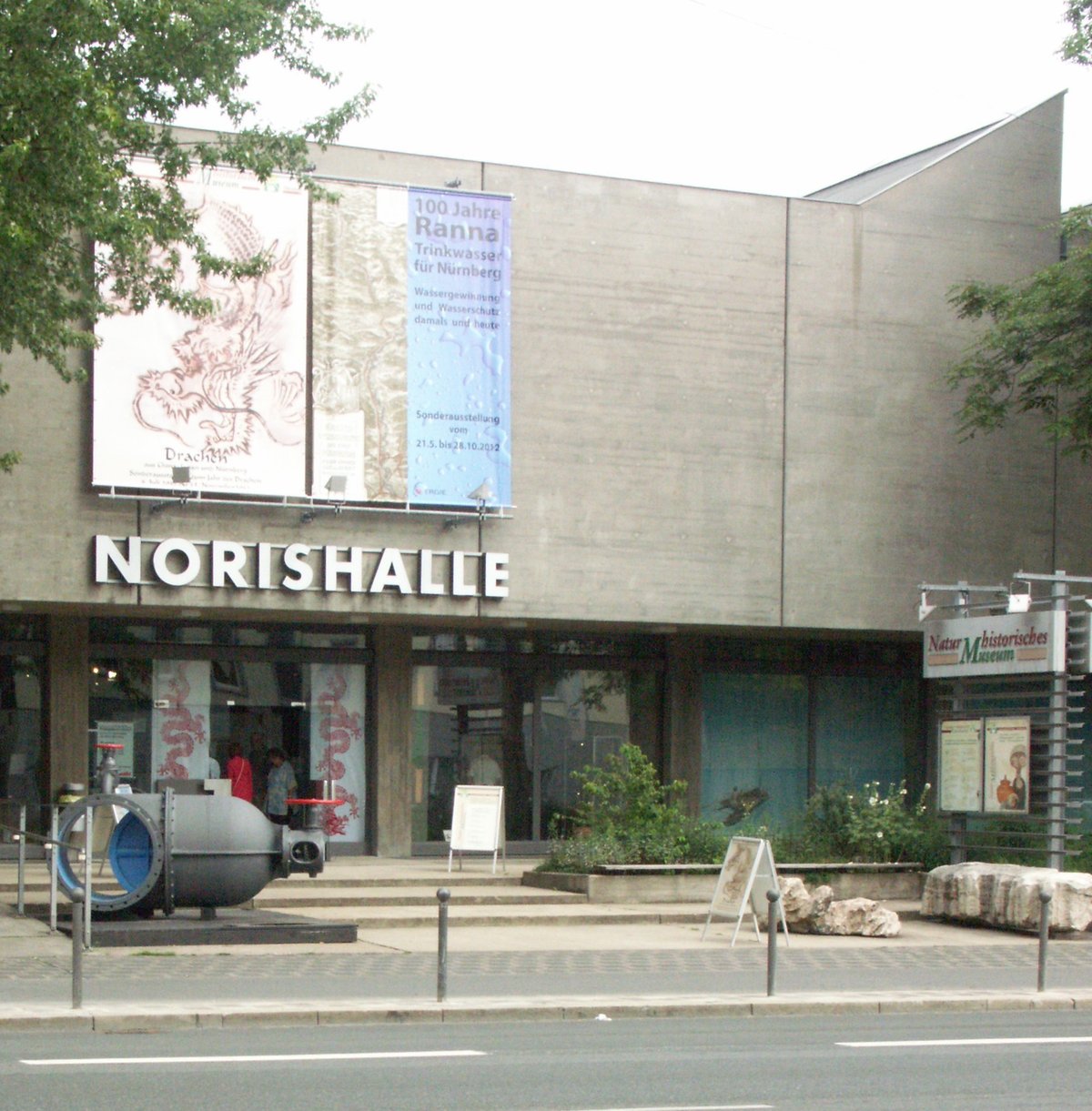
Visitor Information
Opening Hours
- Monday to Friday 9:00 AM – 8:00 PM
- Saturday 10:00 AM – 4:00 PM
- Sunday Closed
Hours may vary on public holidays—always check the official website before your visit.
Admission and Tickets
- Entry Free for all visitors.
- Special Exhibitions/Events Some may require tickets, available for purchase on site or online.
Guided Tours & Special Events
- Guided Tours Available periodically, offering insights into the library’s history, architecture, and collections. Tours can be booked via the official website.
- Events & Exhibitions The library hosts a dynamic program of lectures, author readings, workshops, and thematic exhibitions, including the 2025 showcase “Aufgehoben! Die Bibliothek des 1543 erloschenen Dominikanerklosters in Nürnberg.” Check the events calendar online.
Accessibility
- Barrier-Free Access Elevators, ramps, and accessible restrooms.
- Assistive Technologies Screen readers, hearing loops, large print, and Braille materials.
- Multilingual Support Information and signage in German and English, with staff assistance available in additional languages.
Getting There
- Address Gewerbemuseumsplatz, south Old Town, Nuremberg.
- Transport Easily accessible by tram, bus, bike, and on foot. Bicycle parking and nearby parking garages are available.
- Nearby Attractions Germanisches Nationalmuseum, Neues Museum, St. Lawrence Church, Hauptmarkt, and more.
Library History & Architectural Features
Medieval Roots and Growth
Founded with the transfer of the Dominican Monastery’s collection in 1543, the library became the intellectual heart of Nuremberg during the Renaissance and Enlightenment. Expansion in the 17th and 18th centuries brought works in philosophy, science, and the arts, reinforcing Nuremberg’s reputation as a center of learning.
20th Century to Present
While the library faced adversity during World War II, key collections were safeguarded. Postwar reconstruction emphasized modernization and accessibility, leading to the current facility—a blend of historic preservation and contemporary design. As part of the Bildungscampus Nürnberg, it plays a vital role in Nuremberg’s educational and cultural life.
Architectural Highlights
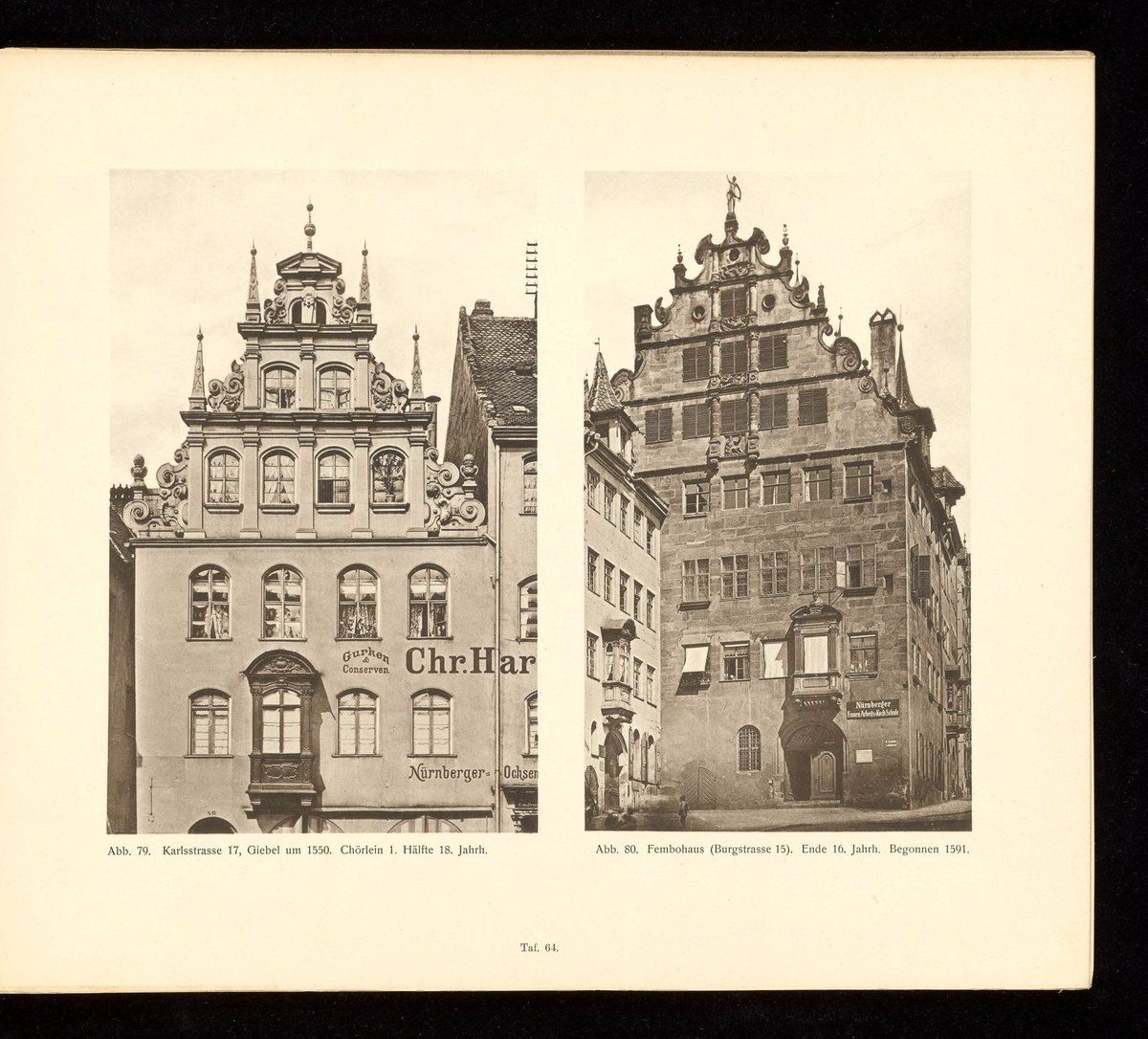
- Historicist Facades Late 19th-century stonework and arched windows echo the city’s medieval and Renaissance heritage.
- Modern Renovations A major refurbishment completed in 2003 increased floor space and improved energy efficiency while preserving historic elements (Energieforschung).
- Interior Spaces Spacious reading halls with panoramic views, grand staircases, and thoughtfully designed study areas create an inspiring atmosphere for visitors of all ages.
Collections & Special Highlights
Historical Treasures
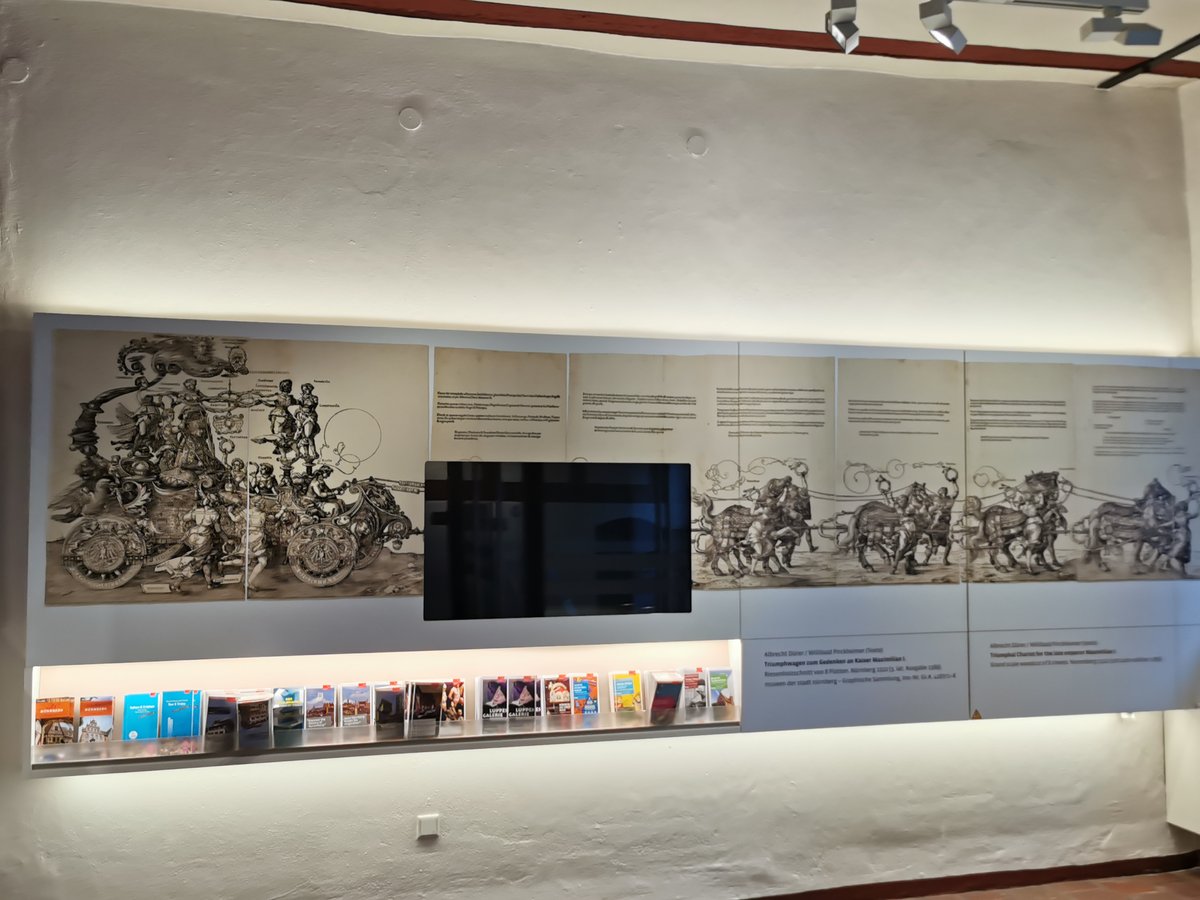
- Medieval Manuscripts & Incunabula Illuminated manuscripts, early printed books, and a renowned incunabula collection (over 1,000 volumes), including works by Albrecht Dürer and Martin Behaim (Nuremberg Tourism).
- Archival Holdings City records, maps, and documents detailing Nuremberg’s civic history.
Special Collections
- Franconica Rare books, maps, and manuscripts focused on the Franconia region.
- Music & Performing Arts Sheet music, scores, playbills, and archives related to local cultural life.
- Children’s & Youth Section Interactive reading corners, educational games, workshops, and storytelling sessions.
Visitor Tips
- Bring a Photo ID Required for borrowing materials.
- Photography Allowed in most public areas; restrictions may apply in special collections and during events—ask staff for details.
- Quiet Zones Respect study and reading areas for a peaceful environment.
- Event Calendar Check for exhibitions, readings, and workshops during your visit.
- Family Friendly The children’s section is well-equipped and welcoming.
- Refreshments While there is no café inside, numerous eateries are located nearby.
- Plan Your Route Combine your visit with other nearby sites for a full cultural experience.
- Use Digital Tools Download the Audiala app for audio tours and up-to-date visitor information.
Frequently Asked Questions (FAQ)
Q: What are the library’s opening hours?
A: Monday–Friday 9:00 AM–8:00 PM, Saturday 10:00 AM–4:00 PM, closed Sundays.
Q: Is entry free?
A: Yes, admission to the library is free.
Q: Are guided tours available?
A: Yes, tours are offered periodically; check the website or inquire at the desk.
Q: Is the building accessible to visitors with disabilities?
A: Yes, the library is fully barrier-free and offers assistive technologies.
Q: Can I access digital resources remotely?
A: Registered users can access e-books, audiobooks, and databases online.
Q: Are there amenities for families and children?
A: Yes, there is a dedicated children’s and youth library section with programs for young readers.
Q: What nearby attractions are recommended?
A: Germanisches Nationalmuseum, Neues Museum, Nuremberg Castle, Hauptmarkt, and St. Lawrence Church.