


Origins and Early Construction (1925–1928)
Max-Morlock-Stadion’s roots date back to its construction from 1925 to 1928 on the former Reichsparteitagsgelände, adjacent to Dutzendteich lake. Designed by Otto Ernst Schweizer and Alfred Hensel, its octagonal layout and Bauhaus-style main stand garnered international acclaim, earning Hensel a gold medal at the 1928 Amsterdam Olympic Games. With an initial capacity of 50,000, it was among the world’s largest and most modern stadiums at the time (Wikipedia).
Architectural Evolution and Renovations
The stadium has undergone several major renovations:
- 1988–1991 Comprehensive modernization after the Heysel disaster, reopening as Frankenstadion with a capacity of 53,462.
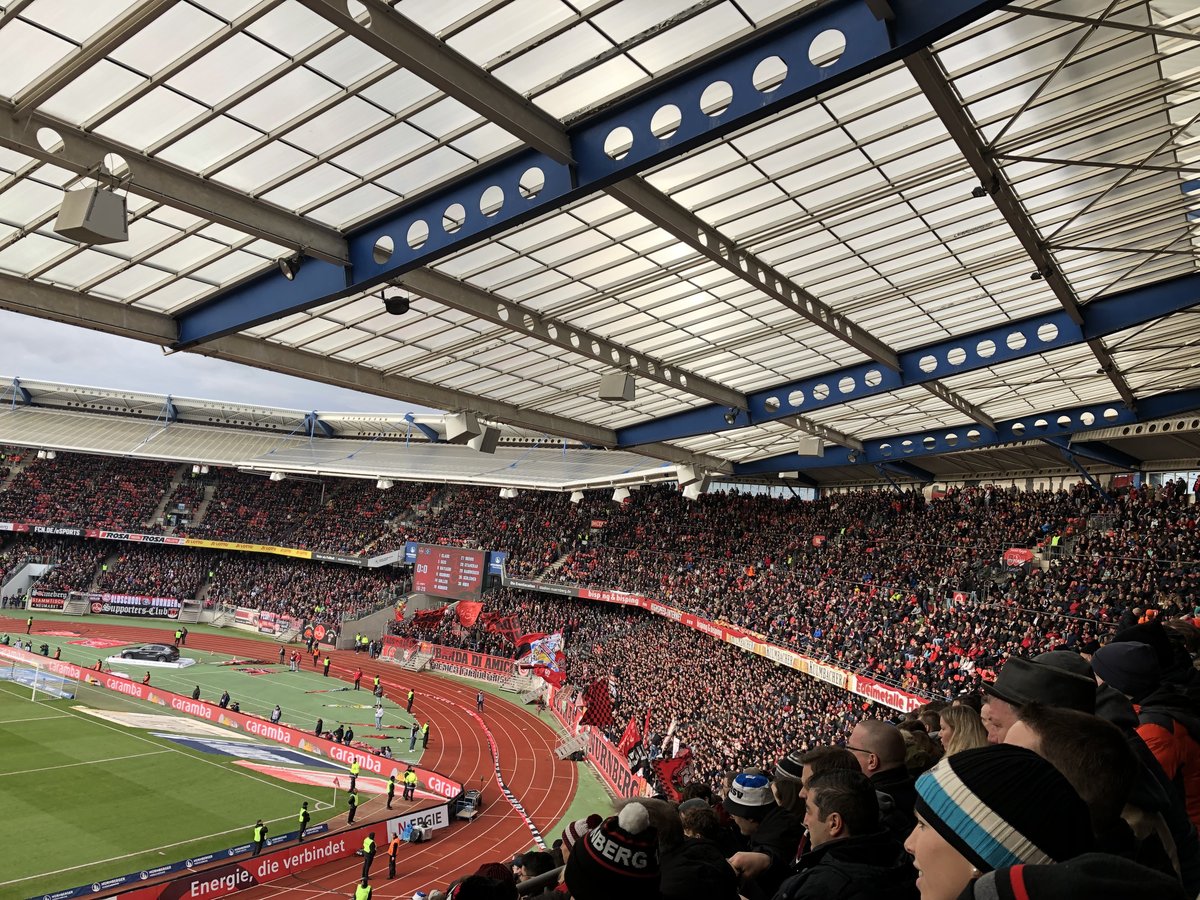
- 2002–2006 Extensive upgrades for the 2006 FIFA World Cup, including lowering the pitch, expanding grandstands, and improving sightlines. The athletics track, a rarity in German football, was retained (Wikipedia).
- 2023–2025 and Beyond Redevelopment plans aim to remove the athletics track, bring stands closer to the pitch, and modernize facilities while respecting protected elements such as the main façade. The projected budget is approximately €300–330 million, with phased completion expected by 2030 (BR24).
Naming and Cultural Significance
The stadium’s name traces the city’s identity: from Städtisches Stadion to Frankenstadion, briefly EasyCredit-Stadion, and—since 2017—Max-Morlock-Stadion, honoring club legend and World Cup winner Max Morlock. The renaming was driven by fan campaigns, highlighting the strong community bond and local pride (Stadium Guide).
Visitor Information
Visiting Hours & Guided Tours
- Guided Tours Available seasonally, typically Tuesday to Sunday, with tours lasting about 90 minutes. Standard hours are from mid-morning to afternoon, and tours are conducted in German and occasionally in English. Check current schedules and book through the Nuremberg Tourism site or the stadium’s official page.
- Matchdays Stadium access for ticket holders begins several hours before kickoff and extends after the match.
Tickets & Entry
- Football Matches Tickets for 1. FC Nürnberg matches can be purchased online on the official club website, via SeatPick, or at the box office. Prices start at €48 and average around €117, depending on event and seating.
- Guided Tours Tickets can be bought online or on-site; Nürnberg Card holders receive a 50% discount (tourismus.nuernberg.de).
- Other Events Concerts and special events use authorized ticket platforms.
Accessibility
- Wheelchair Access Designated areas, step-free routes, elevators, and accessible restrooms are available (stadion-nuernberg.de).
- Assistance Visitors with special needs are encouraged to contact the stadium in advance for tailored support.
Getting There
- Public Transport S-Bahn line 2 (Frankenstadion station), Tram line 6 (Dutzendteich stop), and multiple bus routes provide direct access. Additional services operate on matchdays. Nürnberg Card holders travel free within Zone A (tourismus.nuernberg.de).
- Parking Limited on-site parking; public transport is recommended, especially for major events.
Nearby Attractions & Amenities
- Cultural Landmarks The Documentation Center Nazi Party Rally Grounds, Zeppelinfeld, Dutzendteich park, Nuremberg Castle, and Old Town are within easy reach (nuernberg.de).
- Dining & Souvenirs Beer gardens, restaurants, and the official stadium shop offer Franconian cuisine and merchandise.
Events & Experiences
Major Sporting & Cultural Events
Max-Morlock-Stadion has hosted:
- 2006 FIFA World Cup Five matches, including the infamous "Battle of Nuremberg."
- 1972 Summer Olympics Several football fixtures.
- Concerts International acts such as U2, Rammstein, and P!nk.
- Local & Community Events Adventssingen, B2Run, and more (nuernberg.de).
Stadium Layout & Facilities
- Capacity 50,000 (league matches), 44,308 (international).
- Stands Gegengerade (panoramic view), Südkurve (home supporters), Haupttribüne (premium/media), Nordkurve (ultras and fan culture) (Stadium Seating Plan).
- Amenities VIP boxes, press areas, modern restrooms, kiosks, first-aid stations, and Wi-Fi.
Matchday Experience
- Atmosphere Renowned for passionate “Clubberer” fans, choreographies, and chants (fussballmafia.de).
- Food & Drink Bratwurst, pretzels, local beers, and vegetarian/vegan options.
- Security Expect bag checks; prohibited items not allowed.
Practical Tips & FAQs
Frequently Asked Questions
Q: What are the stadium's visiting hours?
A: Guided tours run Tuesday–Sunday; check the tourism site for current timings. Matchday access depends on fixture schedules.
Q: How do I buy tickets?
A: Purchase via the 1. FC Nürnberg website, SeatPick, or at the box office.
Q: Is the stadium accessible?
A: Yes, with step-free access, ramps, elevators, accessible seating, and restrooms.
Q: What are the best public transport options?
A: S-Bahn line 2 (Frankenstadion), Tram 6 (Dutzendteich), and local buses.
Q: Are tours available in English?
A: Yes, select tours are offered in English; advance booking is advised.
Q: Can I combine a stadium visit with other attractions?
A: Absolutely—nearby historical sites and parks make for a full day of exploration.
Visitor Tips
- Dress for the weather; parts of the tour are outdoors (wanderlog.com).
- Carry some cash—though card payment is increasingly accepted.
- Arrive early on event days to secure parking and avoid queues.
- Official merchandise is available at the stadium shop.
Visual Highlights
The historic façade of Max-Morlock-Stadion, blending tradition with modern design.
View from the stands showing the octagonal seating arrangement and pitch.
Sustainability & Future Developments
Max-Morlock-Stadion was the first European stadium to receive EMAS environmental management certification, reflecting a commitment to sustainability through waste reduction, energy efficiency, and water conservation (nuernberg.de). The upcoming redevelopment emphasizes accessibility, inclusivity, and integration with the scenic Volkspark Dutzendteich.
Stay updated on redevelopment progress via the Nuremberg city portal.