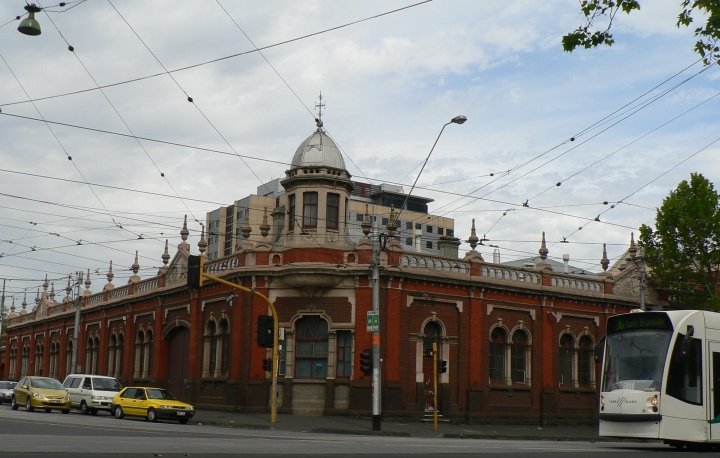
Early Origins: The Victory Theatre (1921–1935)
The story of the National Theatre Melbourne begins with the Victory Theatre, which opened its doors in 1921. Designed by Cedric Heise Ballantyne and Cecil F. Keeley, the theatre originally seated up to 3,000 patrons, making it the largest cinema in Melbourne at the time. Its Beaux-Arts and Neo-Classical design, later enhanced with Art Deco elements, set the stage for a venue that would play a central role in the city’s entertainment scene (Cinema Treasures; VAPAC).
The National Theatre Movement (1935–1971)
In 1935, renowned Australian soprano Gertrude Johnson OBE founded the National Theatre Movement, aiming to provide professional training and performance opportunities for local artists. Notable milestones include:
- 1936 Inauguration of the National Theatre Drama School, Australia’s oldest.
- 1939 Launch of the National Theatre Ballet School.
- Opera School Established soon after, further expanding the theatre’s educational mission (National Theatre History).
The Movement’s commitment to the arts fostered generations of talent, though its professional productions wound down by 1971, influenced by the emergence of other national arts institutions.
Transformation to a Performance Venue (1971–1974)
In 1971, the National Theatre Movement acquired the Victory Theatre from Hoyts Cinemas. Under John Cargher’s leadership, extensive renovations transformed the grand cinema into a 783-seat performance venue, carefully preserving its architectural heritage. The newly christened National Theatre officially reopened in 1974, ushering in a new era as a dedicated home for the performing arts (National Theatre Movement; Cinema Treasures).
Architectural and Heritage Significance
The National Theatre’s blend of Beaux-Arts, Neo-Classical, and Art Deco styles creates a visually stunning environment featuring ornate plasterwork, a grand staircase, and an imposing façade. The heritage-listed building has undergone sensitive restorations to balance historical integrity with modern performance needs, reflecting Melbourne’s dedication to preserving its architectural treasures (Cinema Treasures; City of Melbourne: Heritage).
Cultural Impact and Legacy
As the home to Australia’s oldest drama and ballet schools, the National Theatre remains a cornerstone of Melbourne’s artistic life. Its alumni include many of the country’s leading performers, choreographers, and directors. Over the decades, the theatre has hosted an array of significant events, from classical and contemporary performances to festivals like the Melbourne International Film Festival, reflecting its enduring influence on the cultural landscape (National Theatre Annual Report 2022; Culture of Melbourne).
Community engagement programs, workshops, and educational initiatives further cement its role as an incubator for emerging talent and a hub for artistic innovation.
Planning Your Visit
Visiting Hours
- Box Office Monday to Friday, 10:00 AM – 5:00 PM
- Performance Days Box office opens 45 minutes prior to showtime
- General Venue Access Hours may vary with scheduled events; check the official website for updates
Ticketing Information
- Purchasing Tickets are available online via the National Theatre website and at the box office.
- Pricing Ticket prices vary by event, typically ranging from $20 to $80, with discounts for students, seniors, and groups.
- Advance Booking Recommended for popular shows or special events.
Accessibility
- Wheelchair Access The theatre provides wheelchair-accessible entrances, seating, and restrooms.
- Hearing Assistance Devices available on request.
- Special Assistance Contact the box office in advance to arrange tailored support or accessible seating (Time Out: Accessibility Tips).
Getting There
- Address 15-19 Carlisle Street, St Kilda, VIC 3182
- Trams Routes 3a, 16, and 96 stop nearby.
- Train Close to Balaclava and St Kilda stations.
- Parking Limited street parking is available; several paid parking lots are within walking distance. Public transport is recommended for convenience.
Guided Tours and Special Events
- Guided Tours Offered periodically, providing insights into the theatre’s history, architecture, and backstage areas. Booking in advance is recommended.
- Workshops and Community Events Regularly scheduled, including masterclasses, artist talks, and educational programs for students and emerging artists.
Nearby Attractions
Enhance your visit by exploring St Kilda’s iconic destinations:
- St Kilda Beach
- Luna Park Melbourne
- Acland Street cafes and shops
- St Kilda Pier and Sea Baths
These attractions, all within walking distance, make St Kilda a lively hub for culture, dining, and leisure.
2025 Events Highlights
The 2025 season at the National Theatre Melbourne features a diverse line-up of musicals, concerts, theatre, comedy, and family shows:
- Legally Blonde (July 12–27, 2025): Musical adaptation of the popular film.
- Seussical Jr (August 7–9, 2025): Family musical inspired by Dr. Seuss.
- Tarzan – The Stage Musical (August 29–September 7, 2025): An energetic retelling of the classic tale.
- Queen Bohemian Rhapsody 50 Years On (August 15, 2025): Tribute concert celebrating Queen’s legendary anthem.
- The Fab Four – The Ultimate Tribute (March 20, 2026): Internationally acclaimed Beatles tribute.
- Sleeping Beauty (July 4–5, 2025): Classical ballet for all ages.
- Bored Teachers: The Struggle is Real (September 18, 2025): Comedy show designed for educators and audiences alike.
- Community & School Productions Ongoing throughout the year (National Theatre What’s On).
Frequently Asked Questions (FAQ)
Q: What are the National Theatre Melbourne visiting hours?
A: Box office hours are Monday to Friday, 10:00 AM – 5:00 PM, and 45 minutes prior to showtime on performance days.
Q: How do I purchase tickets?
A: Tickets can be purchased online via the official website or at the box office.
Q: Is the theatre accessible for people with disabilities?
A: Yes, the theatre offers wheelchair access, reserved seating, accessible restrooms, and hearing assistance devices.
Q: Are guided tours available?
A: Guided tours are offered periodically; check the website for dates and availability.
Q: What attractions are near the National Theatre?
A: St Kilda Beach, Luna Park, Acland Street, and St Kilda Pier are all nearby.
Acknowledgement of Country
The National Theatre Melbourne stands on the land of the Boonwurrung people of the Kulin nation. The theatre respectfully acknowledges the Traditional Custodians and pays tribute to their Elders past, present, and emerging. This reflects Melbourne’s commitment to inclusivity and cultural respect (National Theatre History; City of Melbourne: Acknowledgement).