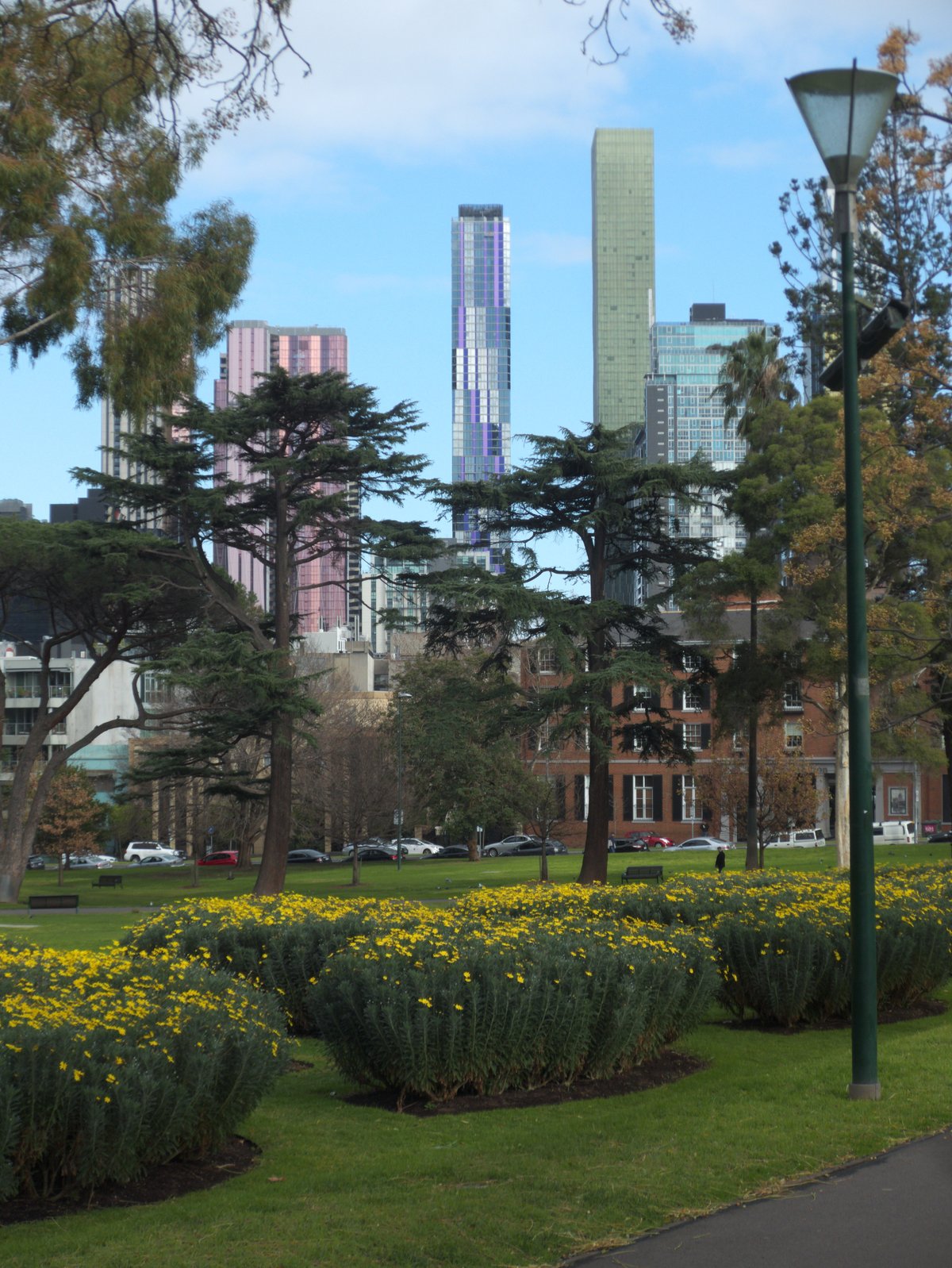

History of Carlton Gardens
Early Beginnings
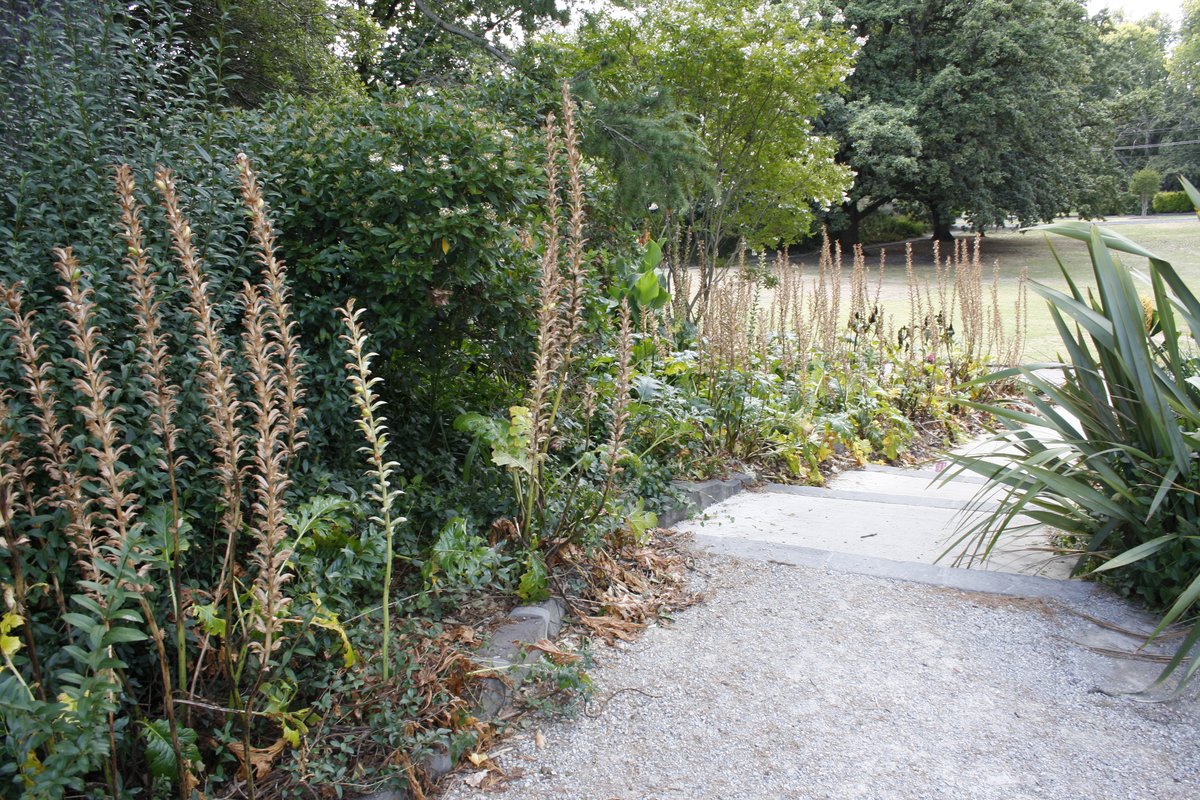
Carlton Gardens dates back to the mid-19th century, originating from the Carlton Estate. In 1856, the Victorian government designated this land for public use, leading to its transformation into a public garden. The gardens were designed in the Gardenesque style, emphasizing exotic plants and elaborate designs.
The Melbourne International Exhibition of 1880
A pivotal event in the history of Carlton Gardens was the Melbourne International Exhibition of 1880. The Royal Exhibition Building, designed by Joseph Reed, was built for this event and remains a significant example of Victorian-era architecture. The exhibition attracted over 1.3 million visitors, a remarkable feat given Melbourne's population at the time.
The 1888 Centennial International Exhibition
The 1888 Centennial International Exhibition celebrated the centenary of European settlement in Australia. The Royal Exhibition Building was expanded, and the event attracted nearly 2 million visitors, featuring technological innovations, cultural displays, and artistic works from around the world.
20th Century Developments
Throughout the 20th century, Carlton Gardens saw several changes. The gardens were redesigned to incorporate Edwardian style elements, and new plant species and garden features were introduced. During World War II, parts of the gardens were repurposed for military use. Post-war, the gardens and Royal Exhibition Building were restored.
UNESCO World Heritage Listing
In 2004, the Royal Exhibition Building and Carlton Gardens were inscribed on the UNESCO World Heritage List, recognizing their historical and architectural significance. This listing has ensured the preservation of the site for future generations.
Recent Developments and Conservation Efforts
Recent conservation efforts have focused on restoring and maintaining the gardens' historical features. Projects include the restoration of the Hochgurtel Fountain and the preservation of historic trees and plantings.
Visitor Information
Visiting Hours and Tickets
Carlton Gardens are open daily from 7:30 AM to sunset. Entry to the gardens is free. For those interested in exploring the Royal Exhibition Building, guided tours are available. Visit the official Carlton Gardens website for the latest information on guided tour schedules and ticket prices.
Travel Tips
- Best Time to Visit Spring and autumn offer the most pleasant weather for exploring the gardens.
- Accessibility The gardens are wheelchair accessible, with paved pathways and ramps.
- Photography Popular spots include the Hochgurtel Fountain and the Royal Exhibition Building.
Nearby Attractions
- Melbourne Museum Located adjacent to Carlton Gardens, it offers a deep dive into natural and cultural history.
- Fitzroy Gardens Another historic garden nearby, perfect for a leisurely walk.
- Lygon Street Famous for its Italian cuisine, it's a great place to grab a meal after your visit.
Special Events and Guided Tours
Carlton Gardens hosts various events throughout the year, including flower shows and cultural festivals. Guided tours provide insights into the gardens' history and botanical collections. Check the official website for upcoming events and tour schedules.
FAQ
Q: What are the visiting hours for Carlton Gardens?
A: The gardens are open daily from 7:30 AM to sunset.
Q: How much are tickets for Carlton Gardens?
A: Entry to the gardens is free. Guided tours of the Royal Exhibition Building have separate ticket prices.
Q: Are the gardens accessible for people with disabilities?
A: Yes, the gardens are wheelchair accessible with paved pathways and ramps.