Introduction
The first thing that surprises you in Melbourne is the smell of coffee mixed with tram sparks and wet eucalyptus. One minute the sky is delivering hail the size of marbles, the next the sun is painting every 19th-century facade the colour of butter. This is Australia’s quiet cultural capital, where European laneways meet a stubborn refusal to take itself too seriously.
Melburnians treat their flat whites like religion and their footy like war. They queue without complaint for a perfect pour-over yet will happily stand in the rain to watch the MCG roar during an AFL grand final. The city’s character lives in that tension: refined but never pretentious, orderly but allergic to boredom.
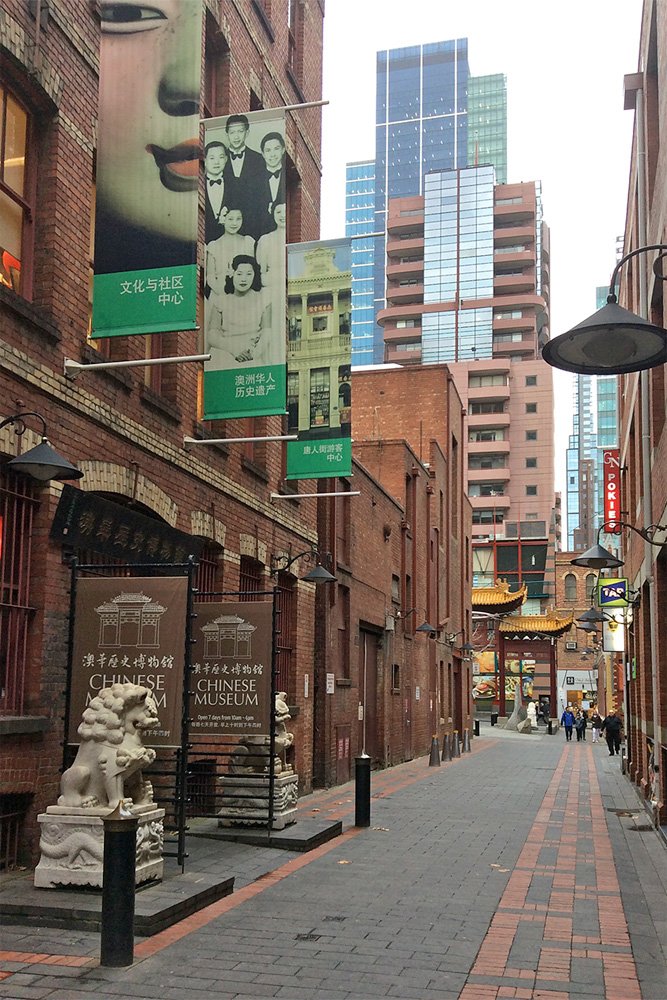
Laneways barely wide enough for two people carry the real pulse. Here you’ll find street art that changes monthly, basement bars accessed through unmarked doors, and the faint echo of your own footsteps on century-old bluestone. The Royal Exhibition Building still stands in Carlton Gardens exactly as it did for the 1880 international exhibition, dome catching the afternoon light like a misplaced wedding cake.
Spend enough time here and the weather stops being a complaint and becomes the rhythm. Four seasons in one day isn’t marketing spin; it’s the reason Melburnians always carry an extra layer and never leave home without an opinion about the best new bakery.
Places to Visit
The Most Interesting Places in Melbourne
National Gallery of Victoria
Australia's oldest and most visited art museum has been free to enter since 1861 — yet most tourists only see the paid exhibitions and miss the rest.
Carlton Gardens
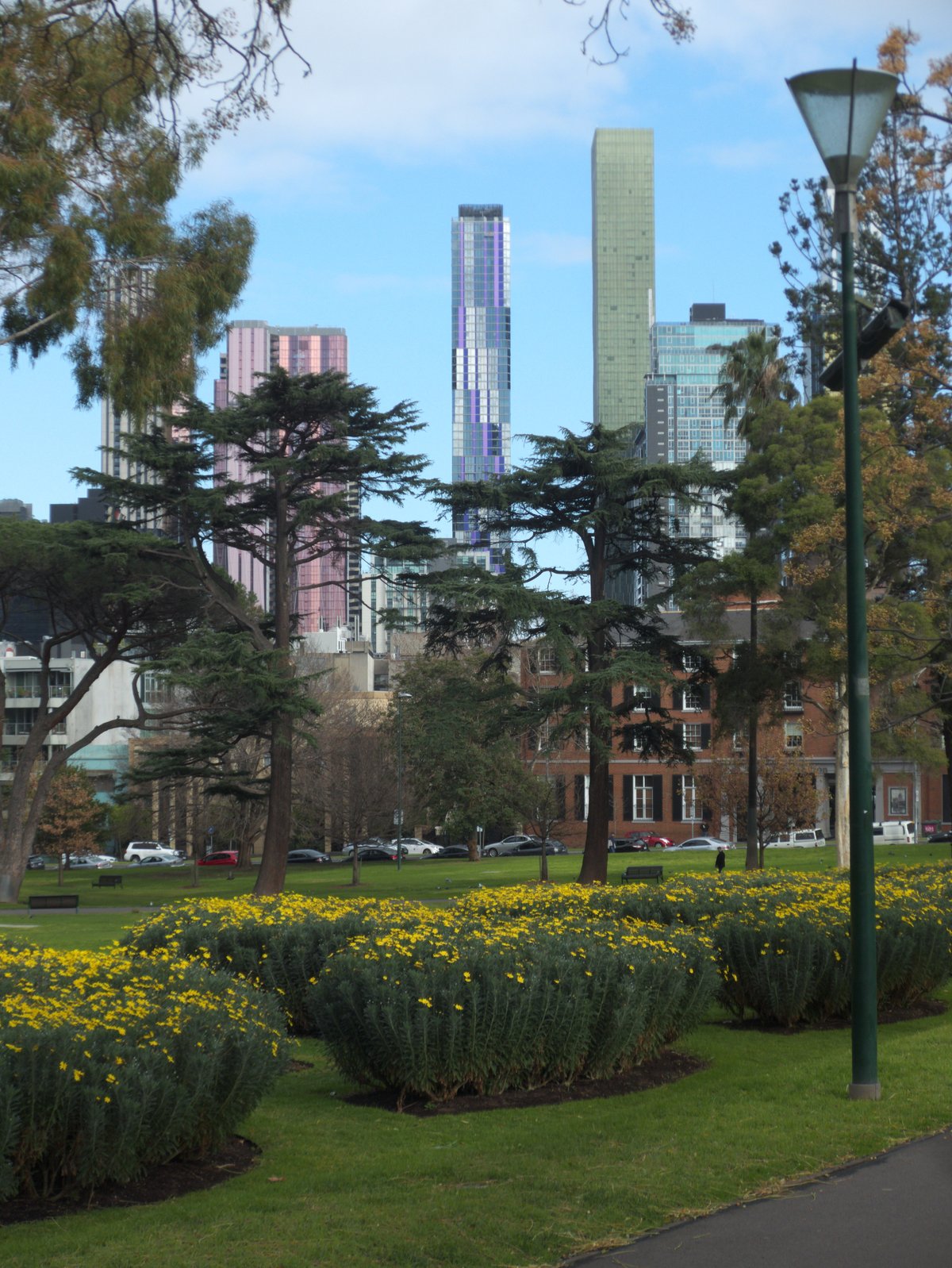
Carlton Gardens, nestled in the heart of Melbourne, Australia, is a site of immense historical, cultural, architectural, and environmental significance.
Melbourne Museum
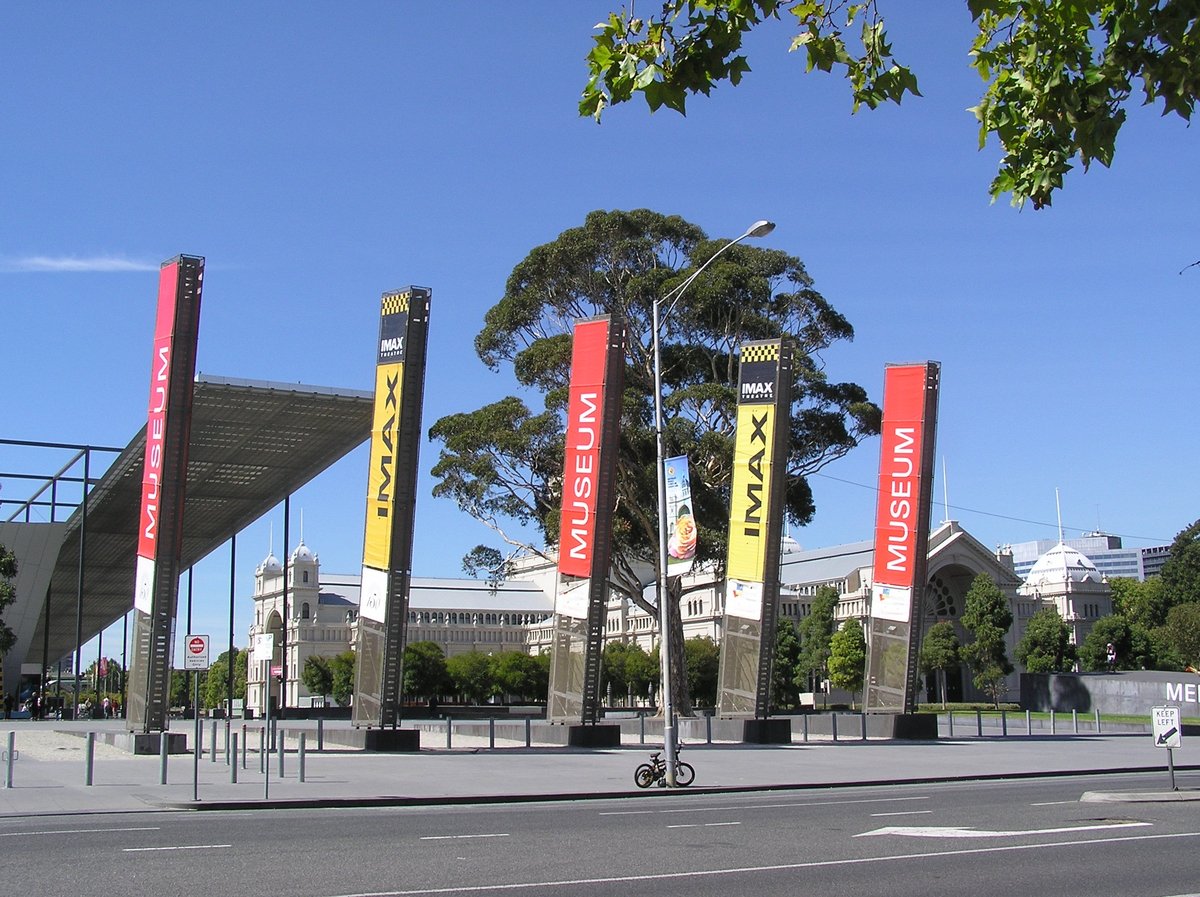
Melbourne Museum stands as a vibrant cultural landmark and Australia’s largest museum, situated in the historically rich Carlton Gardens precinct alongside…
Arts Centre Melbourne
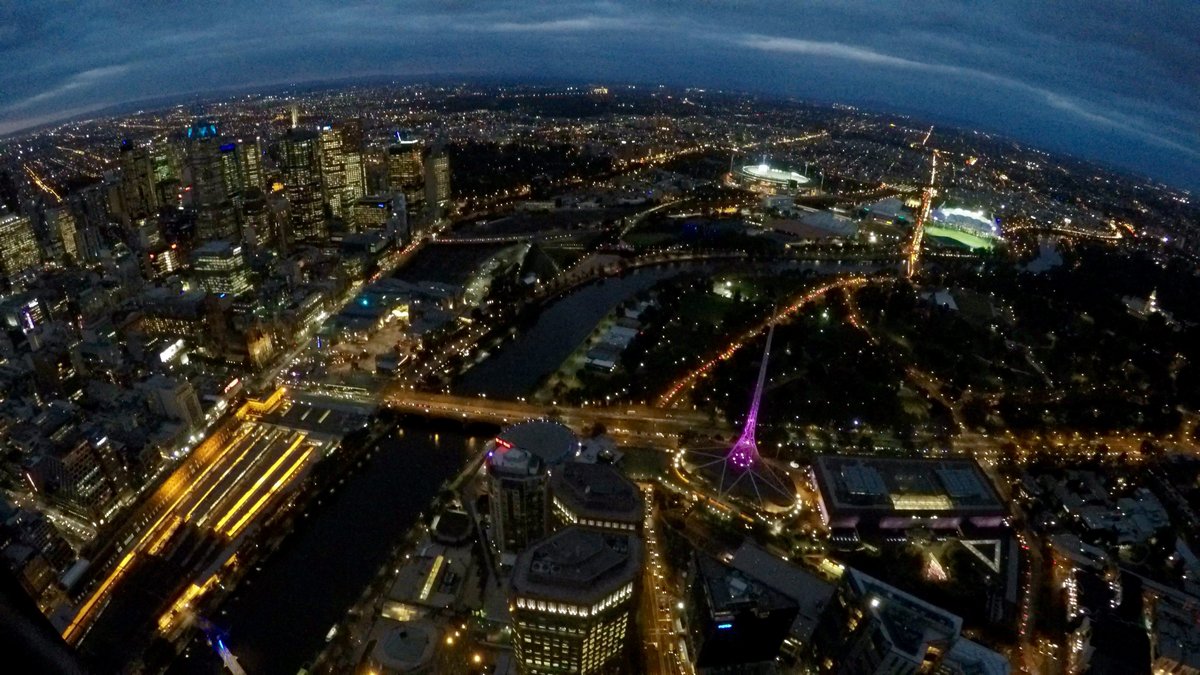
Arts Centre Melbourne stands as a pivotal cultural icon in Melbourne, Australia, renowned for its blend of rich history, architectural grandeur, and vibrant…
Federation Square
Federation Square, often referred to as 'Fed Square,' is a vibrant cultural precinct located in the heart of Melbourne, Australia.
Islamic Museum of Australia
The Islamic Museum of Australia (IMA), located in Thornbury, Melbourne, stands as a pioneering cultural institution dedicated to showcasing the rich tapestry…
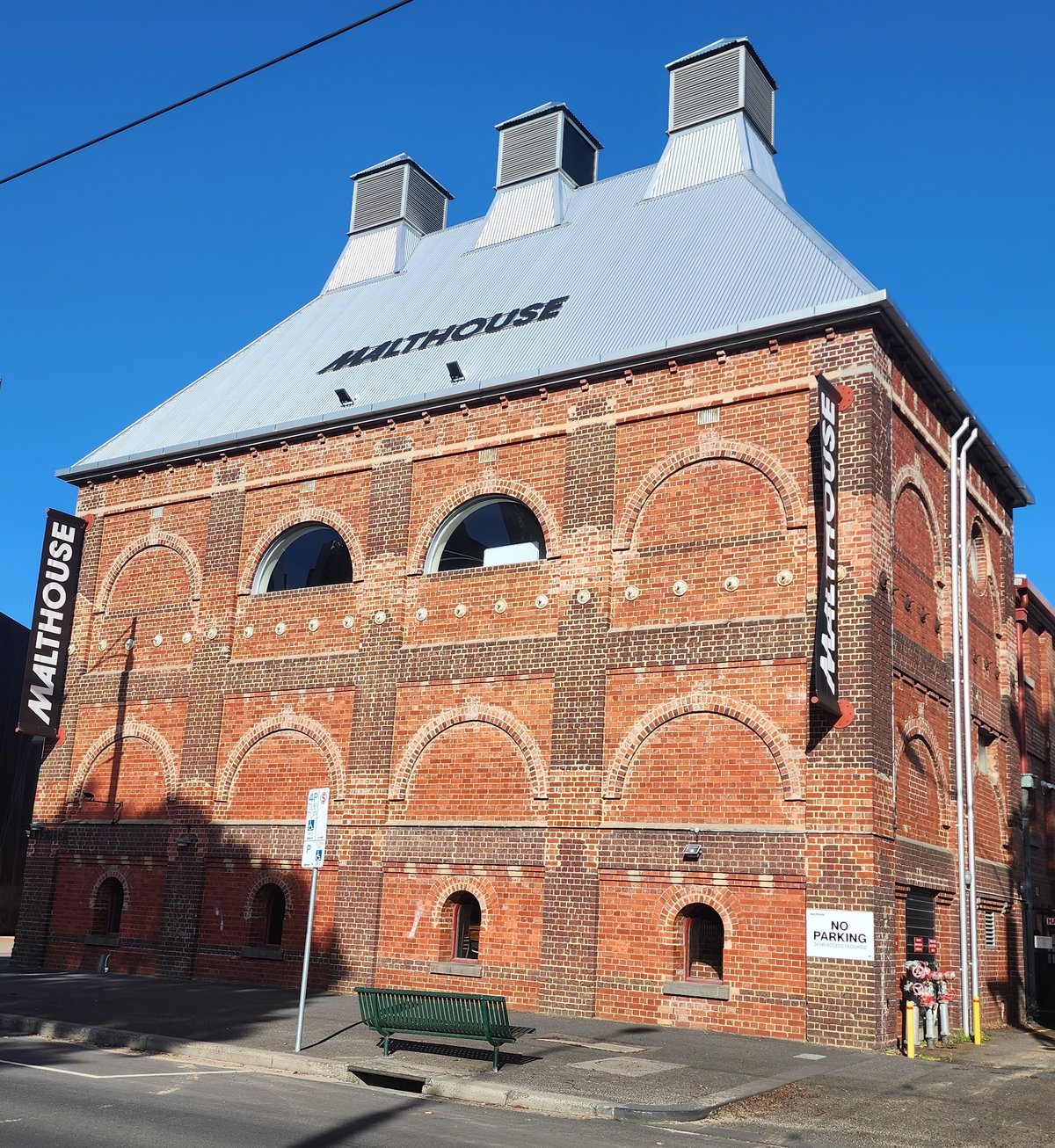
Malthouse Theatre, Melbourne
Nestled in Melbourne’s vibrant Southbank Arts Precinct, the Malthouse Theatre stands as a beacon of cultural innovation and historical significance.
Princess Theatre
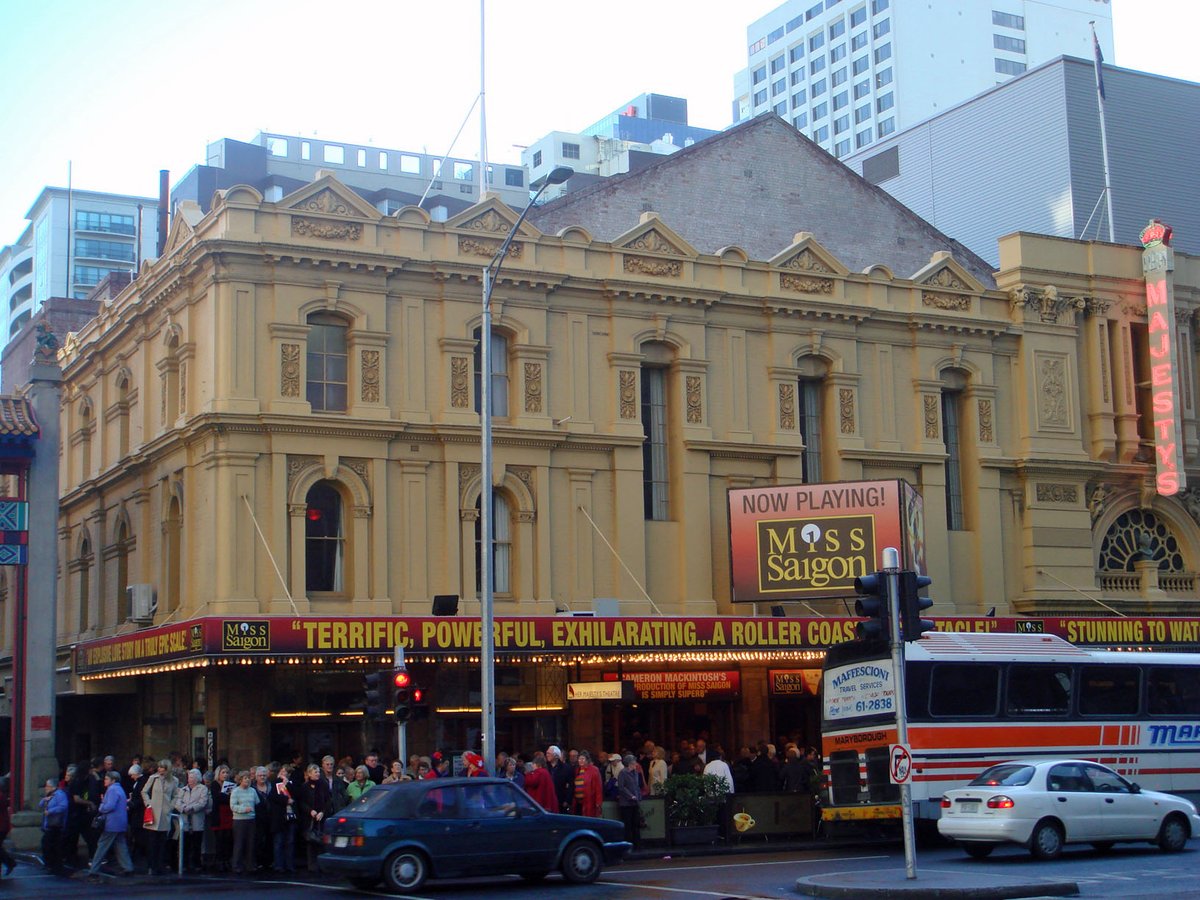
The Princess Theatre Melbourne stands as one of Australia’s most cherished cultural landmarks, renowned not only for its spectacular French Second Empire…
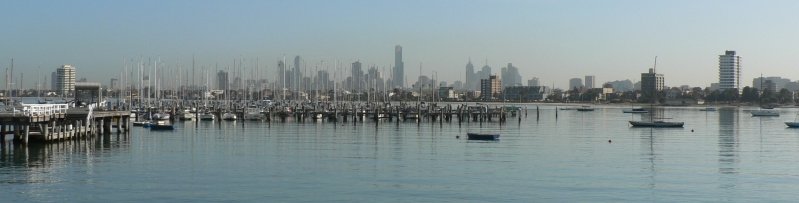
St Kilda Pier
St Kilda Pier, a historic landmark located in Melbourne, Australia, is an iconic destination that seamlessly blends natural beauty, recreational activities,…
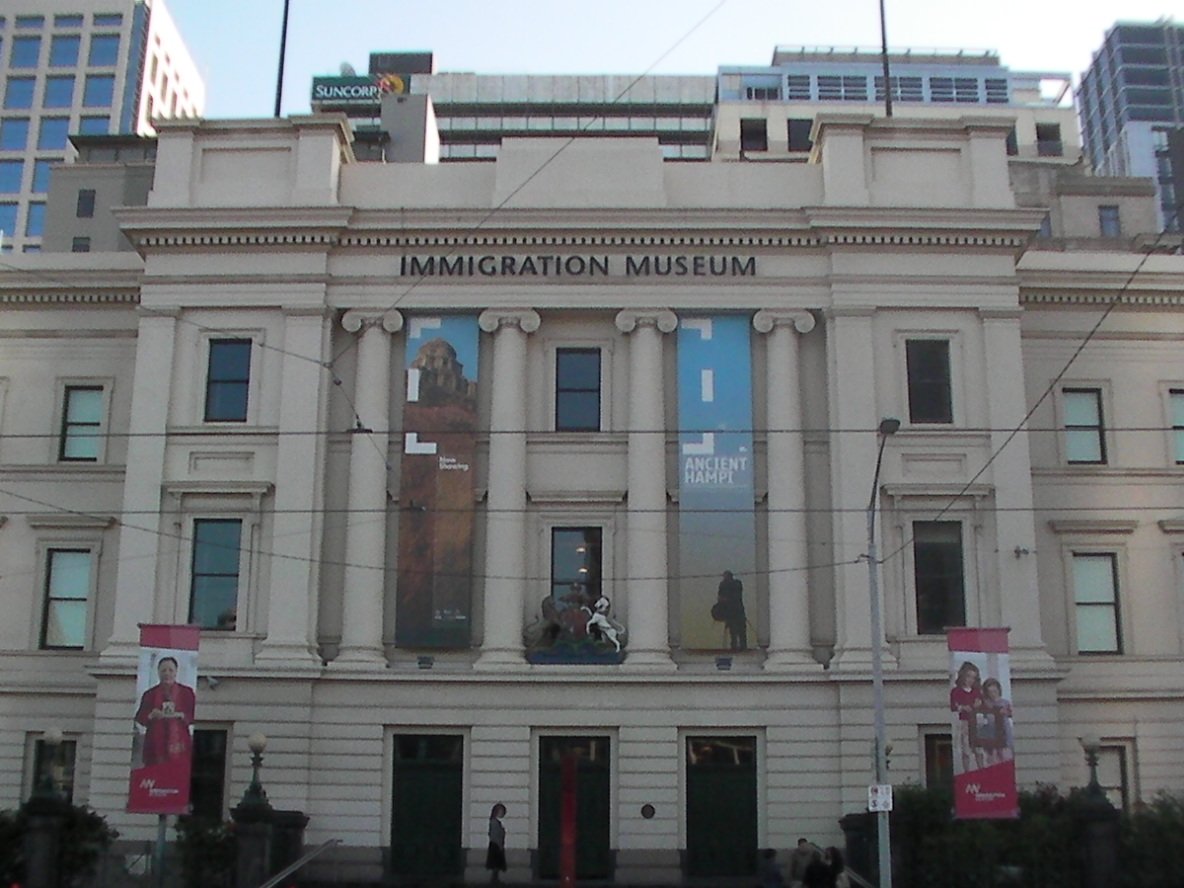
Immigration Museum
Nestled in the heart of Melbourne’s Central Business District, the Immigration Museum stands as a profound testament to Australia’s rich and complex migration…
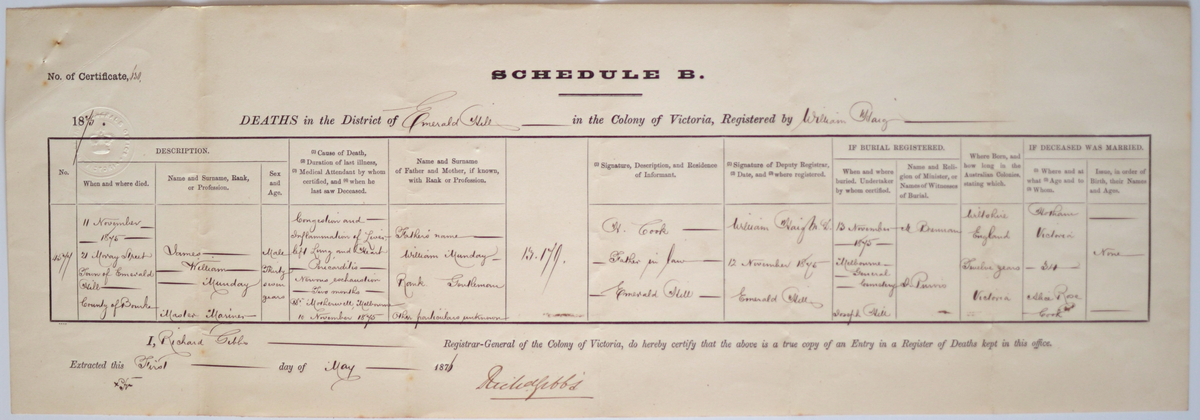
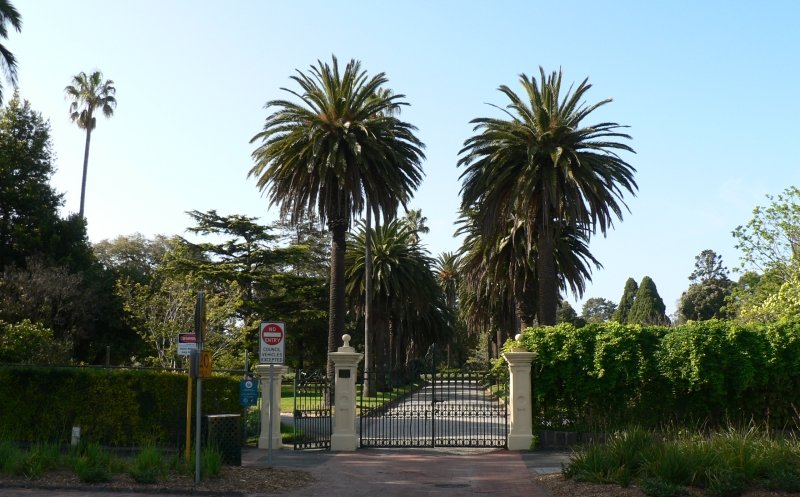
Melbourne General Cemetery
Melbourne General Cemetery stands as a remarkable and multifaceted historical site located in Parkville, just north of Melbourne’s city center.
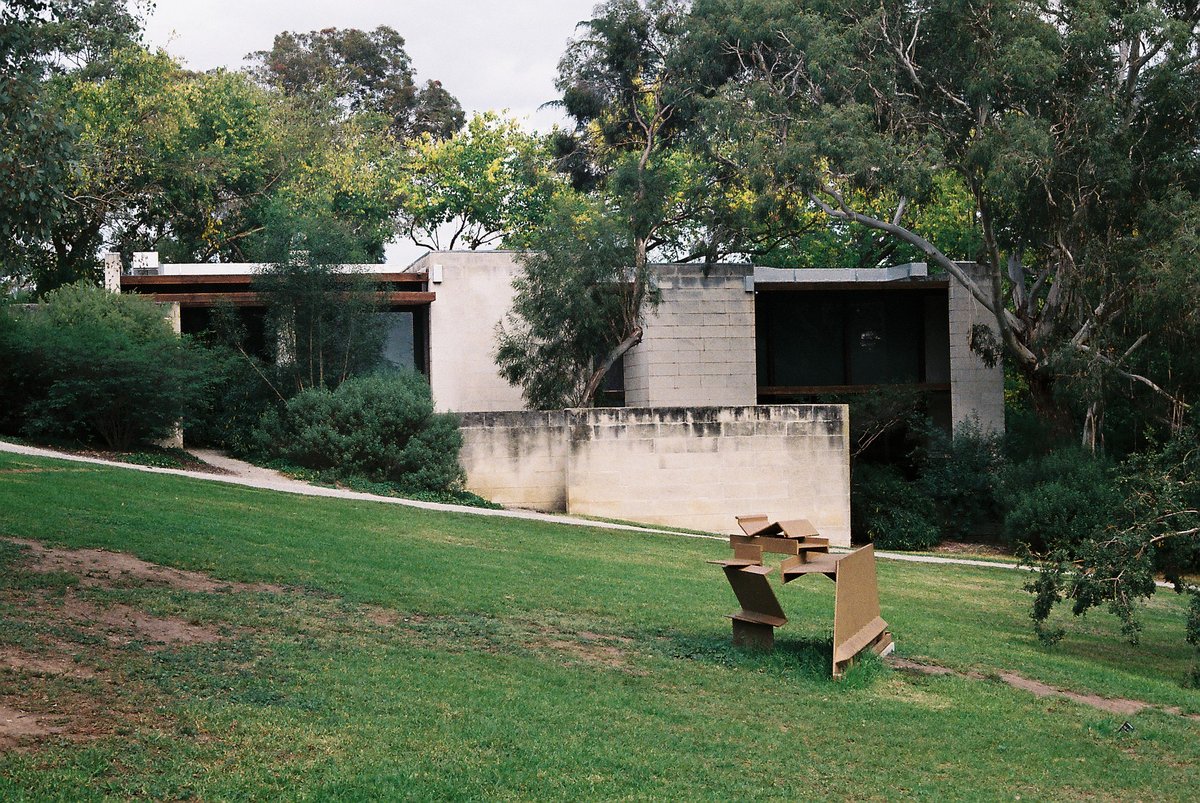
Heide Museum of Modern Art
Situated in the serene suburb of Bulleen on the outskirts of Melbourne, the Heide Museum of Modern Art stands as a cornerstone of Australian cultural heritage…
What Makes This City Special
Royal Exhibition Building
The 1880 cruciform palace still stands exactly as built for the international exhibitions, its 68-metre dome catching the same afternoon light that once fell on 1.5 million visitors. Walk through Carlton Gardens at dusk and the building feels less like a museum piece than a quiet argument that Melbourne was always meant to matter.
Laneway Art & Coffee
Hosier Lane smells of spray paint and flat whites. The walls change monthly yet the ritual stays the same: queue at Brother Baba Budan, sit in a hanging chair, then step back into the alley to watch the city’s best street artists work under the same strip of sky.
Yarra & Botanic Gardens
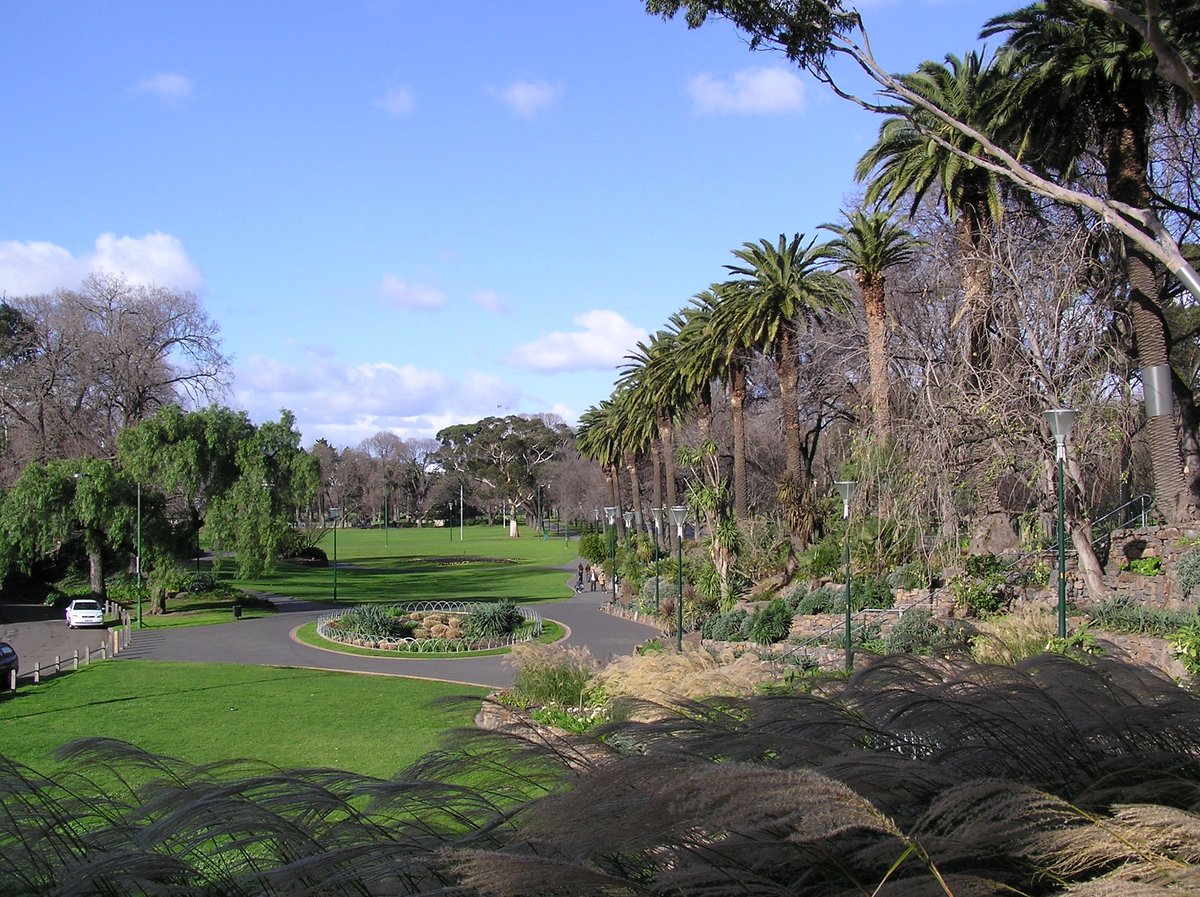
The Royal Botanic Gardens span 36 hectares with 8,500 species. Follow the river path at 7 am and you’ll share the light with rowers whose oars cut the water in near silence. The contrast between 19th-century European order and native eucalypts tells you everything about how this city sees itself.
Sporting Obsession
The MCG has hosted cricket since 1853 and still draws 100,000 for footy. Sit in the stands on an autumn Saturday and feel the city’s true religion: not the buildings or the laneways, but the roar that rises when the ball clears the goalposts.
Historical Timeline
From Silent Country to Marvellous Metropolis
Forty thousand years of survival, theft, gold and reinvention
Wurundjeri and Boonwurrung arrive
The first people walked into a continent still joined to New Guinea. They named the place where the Yarra meets the bay Birrarung. For forty millennia their smoke rose from campfires along the river. Their law, songlines and stories still thread through every later layer of the city whether later arrivals notice or not.
First British attempt fails
Lieutenant-Colonel David Collins landed 300 convicts and marines at Sullivan Bay near Sorrento. The soil was poor, the water worse. Within months they abandoned the site and sailed away to Van Diemen’s Land. The land remained Aboriginal.
Batman’s dubious treaty
John Batman sailed up the Yarra in May, stepped ashore near the present-day Southern Cross station and declared he had bought 500,000 acres from eight Wurundjeri elders for blankets, knives and flour. The “treaty” was later disallowed by authorities. The settlement stayed.
The town is named Melbourne
Governor Bourke chose the name to honour the British Prime Minister. Surveyor Robert Hoddle laid out a rigid grid of wide streets that still dictates how Melburnians walk today. Within two years the settlement had 6,000 inhabitants and a growing hunger for more land.
Gold rush begins
Prospectors found payable gold at Ballarat and Bendigo. Within months ships choked Hobson’s Bay. Melbourne’s population exploded from 25,000 to 120,000 in a decade. Fortunes were made and lost on Collins Street while the smell of unearthed clay lingered in the air.
Victoria separates from New South Wales
The Port Phillip District became its own colony on 1 July. Melbourne, suddenly a capital city, swelled with pride and ambition. The new Legislative Council met in a converted wool store while arguments over responsible government echoed through half-built streets.
Nellie Melba is born
Helen Mitchell entered the world in Richmond. The girl who would become Dame Nellie Melba learned to sing in Melbourne’s parlours before conquering Covent Garden and the Met. She never lost her Australian accent or her ability to make the entire opera house fall silent with a single high C.
Royal Exhibition Building opens
Joseph Reed’s vast dome rose in Carlton like a Victorian cathedral to commerce. The International Exhibition of 1880–81 drew 1.3 million visitors through its doors. Under its roof Melbourne announced to the world that it had arrived. The building still stands, quiet now except when school groups shuffle through.
Ned Kelly hanged
At the Old Melbourne Gaol, 28-year-old Ned Kelly dropped through the trapdoor on 11 November. The crowd outside heard the iron bolt slam. His death mask and armour still sit in the museum across the road. Kelly remains the city’s most uncomfortable ghost.
Australia federates
The Duke of York opened the first Federal Parliament inside the Exhibition Building on 9 May. For the next 26 years Melbourne served as the nation’s capital while Canberra was being built on a sheep paddock. Politicians grumbled about the weather the entire time.
John Eccles born in Footscray
The boy from a working-class Melbourne suburb would share the 1963 Nobel Prize for discovering how nerves talk to each other. He kept returning to the University of Melbourne between stints in Oxford and Buffalo. The city still claims him even though he spent most of his working life elsewhere.
Sunshine rail disaster
Two trains collided head-on near Sunshine station on 20 April, killing 44 people. It remains Victoria’s worst rail accident. The mangled carriages were cleared, the track repaired, but the memory of that Sunday morning still surfaces whenever two trains pass too close on the western line.
Spanish flu reaches the city
By mid-year Melbourne had become a city of masks and closed theatres. Trams ran half-empty. The Exhibition Building was turned into a temporary hospital. More than 2,000 Melburnians died. The city learned then what it would have to relearn a century later.
Capital moves to Canberra
Parliament finally shifted north. Melbourne sulked for decades. The grand government buildings on Spring Street suddenly felt oversized. The city quietly redirected its energy into sport, fashion and coffee instead.
Kylie Minogue born in Melbourne
The girl from Surrey Hills would leave for Ramsay Street, then the charts. Her voice still drifts out of boutique speakers in Fitzroy laneways on Saturday afternoons. Melbourne claims her the way only a city that watched her grow up can.
Chris Hemsworth born
Born in Melbourne before the family moved north, Hemsworth later returned to film scenes for Thor in the Victorian countryside. The city treats him like a local who got away, which is exactly what he is.
Melbourne Museum opens
The bold blue building beside the Royal Exhibition Building finally gave the city’s natural history and Indigenous collections a proper home. Bunjil’s Nest inside remains one of the most moving public spaces in Australia. Stand beneath it on a quiet weekday and you can almost hear the old arguments between past and present.
UNESCO lists Exhibition Building
The Royal Exhibition Building and Carlton Gardens became Australia’s first built World Heritage site. The same halls that once displayed sewing machines and taxidermy birds now host graduation ceremonies and the occasional rock concert. History has a sense of humour.
Notable Figures
Kylie Minogue
born 1968 · Pop SingerKylie landed her first acting role on the Melbourne soap Neighbours in 1986, singing and dancing her way out of Ramsay Street. The same laneways where she once filmed still smell of coffee and vinyl. She would probably smile at the fact that her hometown now treats a perfect flat white with the same reverence she once gave pop stardom.
Cate Blanchett
born 1969 · ActressBefore she commanded screens in The Aviator, Cate trained at Melbourne's National Institute of Dramatic Art after growing up in the city's eastern suburbs. The elegant Royal Exhibition Building she walked past as a student still hosts exhibitions that feel like film sets. She might notice the city has grown more confident in its own strange elegance.
John Batman
1801–1839 · ExplorerIn 1835 John Batman sailed into the Yarra, declared the land promising, and negotiated what he called a treaty with the Wurundjeri. The grid he helped inspire now traps trams and pedestrians in equal measure. One wonders if he would recognise his rough settlement in the laneway bars pouring natural wine at midnight.
Plan your visit
Practical guides for Melbourne — pick the format that matches your trip.
Melbourne Money-Saving Passes & Cards: What's Actually Worth It
Honest 2026 breakdown of every Melbourne tourist pass — iVenture, myki, Phillip Island 3 Parks, museum memberships. Real prices, break-even math, scam warnings.
Melbourne First-Time Visitor Tips and Local Hacks
Local-first Melbourne tips for your first trip: where booking matters, what is free, how to dodge airport taxi nonsense, and when to hit the city’s big sights.
Photo Gallery
Explore Melbourne in Pictures
The historic spires of St. Paul's Cathedral stand in striking contrast against the modern glass skyline of Melbourne, Australia.
Bhullar Graphic on Pexels · Pexels License
A view of Melbourne, Australia.
Maxime Francis on Pexels · Pexels License
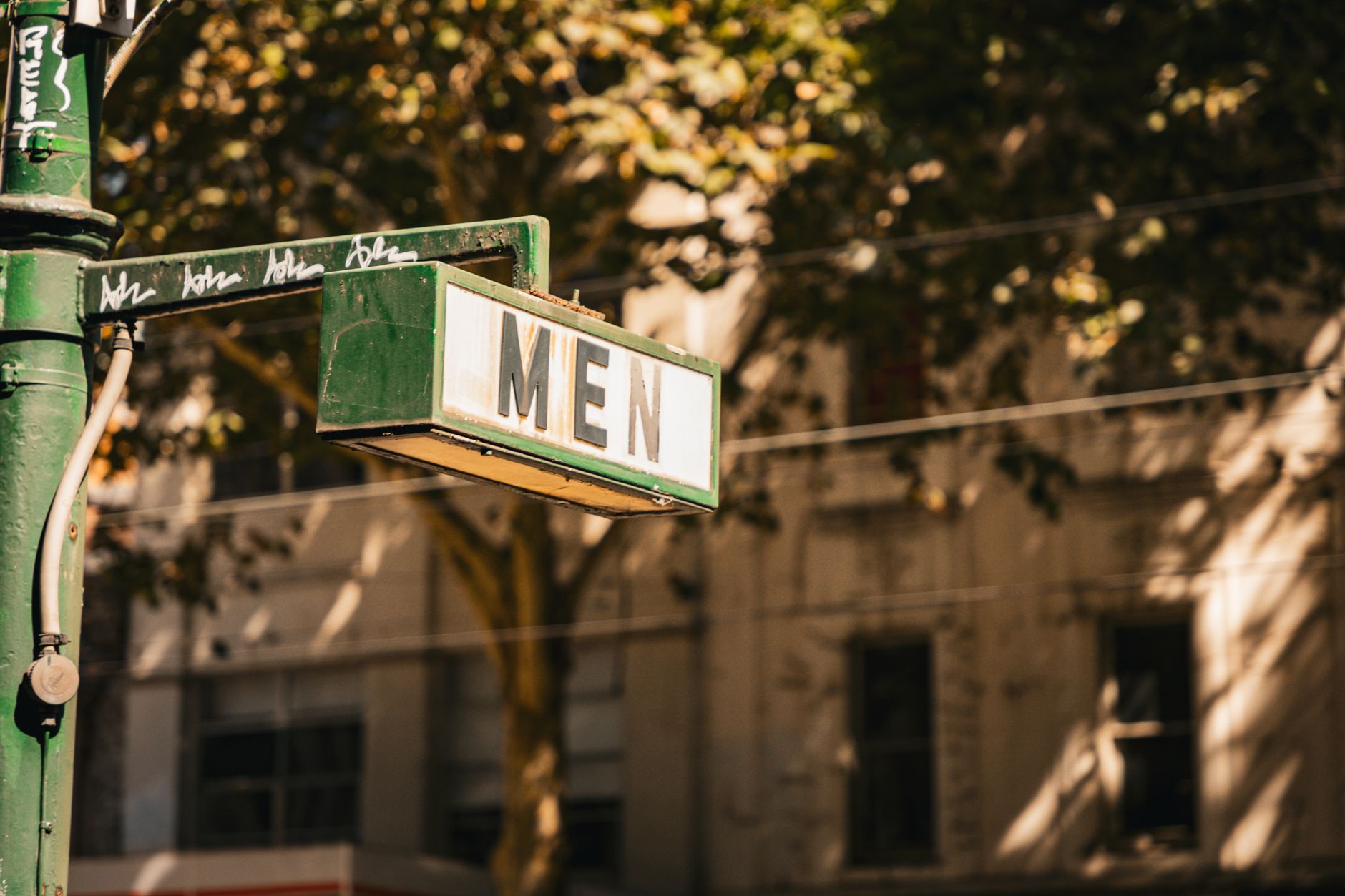
A classic, weathered street sign captures the historic charm of Melbourne, Australia, framed by dappled sunlight and urban architecture.
Macourt Media on Pexels · Pexels License
The modern skyline of Melbourne rises above the Yarra River, framed by the artistic sculptures on the historic Sandridge Bridge.
Bhullar Graphic on Pexels · Pexels License
The historic Flinders Street Station stands as a prominent landmark in Melbourne, Australia, blending classic architecture with the city's modern skyline.
Dr Jorge Reyna on Pexels · Pexels License
Historic platform signage at a Melbourne train station, showcasing the city's rich railway heritage through classic tiled wall typography.
Nanling Liu on Pexels · Pexels License
The vibrant Melbourne skyline glows at twilight, framed by the dynamic light trails of traffic moving along the highway.
Justin Morgan on Pexels · Pexels License
The iconic Melbourne skyline glows under the soft light of sunset, featuring the Arts Centre spire and the Yarra River.
Hugo Heimendinger on Pexels · Pexels License
The vibrant skyline of Melbourne, Australia, showcases a stunning contrast between historic Gothic spires and contemporary glass skyscrapers along the Yarra River.
Kaiser Concha on Pexels · Pexels License
The Melbourne skyline glows at dusk, with the iconic Princes Bridge spanning the Yarra River in the foreground.
Costa Karabelas on Pexels · Pexels License
Practical Information
Getting There
Melbourne Airport (MEL) sits 22 km northwest of the CBD with SkyBus departures every 20 minutes to Southern Cross Station, taking 25 minutes. Avalon Airport (AVV) is 55 km southwest and used mainly by Jetstar. No direct interstate trains reach the city centre; V/Line services terminate at Southern Cross.
Getting Around
The world’s largest tram network has 250 km of track and a Free Tram Zone covering the entire CBD. Buy a Myki card for anything outside that zone; in 2026 a daily cap costs $10.60. The city is flat, the Yarra River path is sealed for 30 km, and Neuron e-scooters wait on almost every corner.
Climate & Best Time
Spring (Sep–Nov) averages 14–22 °C with 55 mm monthly rainfall. Summer (Dec–Feb) hits 26 °C but can spike past 40 °C for days. Autumn (Mar–May) offers 13–22 °C and the clearest light. Winters are damp, 7–14 °C, and noticeably quieter. September to November remains the sweet spot for walking.
Currency & Tipping
Everything runs on Australian dollars. Contactless cards are accepted even at market stalls. Tipping is neither expected nor awkward; round up the coffee to the nearest dollar if the barista remembers your order. Most places have gone cashless.
Where to Eat
Don't Leave Without Trying
Brother Baba Budan
cafeOrder: Single-origin espresso and flat white — this is where serious Melbourne coffee lovers start their day. The beans are roasted on-site and sourced directly from Seven Seeds.
Brother Baba Budan is a pilgrimage site for coffee nerds and the beating heart of Melbourne's CBD coffee scene. It's where locals queue before 8 AM, not tourists.
Shortstop Coffee & Donuts
quick biteOrder: Hot jam doughnuts and a flat white — arrive early because they sell out by mid-morning. The doughnuts are made fresh daily and still warm when you bite in.
This is the real deal: a no-frills neighborhood bakery that's been perfecting donuts and coffee for years. Locals line up here, not at the tourist chains.
Le Petit Gateau
quick biteOrder: Croissants, éclairs, and macarons — each one is executed with precision. The butter lamination on the croissants is textbook perfect.
A proper French patisserie tucked into Little Collins Street where every pastry looks like it belongs in a Parisian window. This is where locals grab breakfast when they want to feel fancy without leaving the CBD.
Little Cupcakes
quick biteOrder: House-made cupcakes with creative flavors and buttercream frosting — they rotate seasonal specials. The classic vanilla with salted caramel is their anchor.
A cozy neighborhood spot hidden in Goldsborough Lane that treats cupcakes seriously. It's the kind of place where regulars know the bakers by name.
MoVida
local favoriteOrder: Spanish tapas and sherries — order several small plates to share. The jamón ibérico and patatas bravas are consistent winners.
MoVida sits in the heart of Hosier Lane and captures the spirit of Spanish eating culture: convivial, wine-focused, and built for sharing. It's been a Melbourne institution for good reason.
Ginza Teppanyaki
fine diningOrder: Teppanyaki beef or seafood set menu — watch the chefs work their magic on the iron griddle right in front of you. The precision and showmanship are part of the experience.
Ginza brings authentic teppanyaki theater to Little Bourke Street with skilled chefs and high-quality ingredients. It's a special-occasion spot where the performance matters as much as the food.
Rare Steakhouse Midtown
fine diningOrder: Dry-aged Australian beef — order it medium-rare and let the quality of the meat speak. Pair with a wine from their focused list.
Rare Steakhouse sits in Goldie Place and delivers serious carnivore credentials without the pretension. It's where Melbourne professionals close deals over perfectly cooked beef.
B3 Cafe
cafeOrder: Breakfast pastries and filter coffee — the vibe is quiet and focused, perfect for a solo morning ritual or a catch-up with a friend.
B3 Cafe is tucked into Centre Place and feels like a secret even though it's right in the CBD. It's where people go when they want coffee and pastries without the chaos.
Dining Tips
- check Tipping is 100% voluntary in Australia — it's appreciated for exceptional service but never expected. Rounding up or leaving 10% is generous.
- check Payment by card (EFTPOS) and contactless (Apple Pay, Google Pay) is standard everywhere. You rarely need cash.
- check For popular fine-dining venues, book 2–4 weeks in advance. For casual spots, a few days ahead is fine, especially for weekend dinner.
- check Melbourne's brunch culture is legendary — breakfast often extends into early afternoon on weekends.
- check Many independent restaurants close on Mondays and Tuesdays, so always check opening hours before visiting.
Restaurant data powered by Google
Tips for Visitors
Free Tram Zone
Stay inside the CBD's Free Tram Zone and you never need to tap on with a Myki card. The yellow trams run in a tight grid bounded by Spring Street, Flinders Street, Spencer Street and Latrobe Street.
Four Seasons Rule
Melbourne's 'four seasons in one day' is real. Carry a light waterproof jacket even when the morning is 28 °C. Shoulder seasons September–November or March–May give the fewest temperature swings.
Tipping Not Expected
Leave the 10–15 % habit at home. Australians round the bill up for exceptional service only. Most locals simply say thank you and move on.
Coffee Order Smart
Ask for a flat white, not a large latte. In laneway cafes like Brother Baba Budan the barista will judge you for tourist-speak. Order at the counter, pay in cash if possible.
Hook Turn Survival
In the CBD, right turns are made from the left lane at many intersections. Watch the overhead signs, pull into the hook-turn box when the light is green, and wait for the cross traffic to clear.
Taxi Rank Only
At Melbourne Airport ignore anyone offering a taxi outside the official rank. Use the clearly marked taxi queue or order a rideshare from the app inside the terminal.
Explore the city with a personal guide in your pocket
Your Personal Curator, in Your Pocket.
Audio guides for 1,100+ cities across 96 countries. History, stories, and local insight — offline ready.
Audiala App
Available on iOS & Android
Join 50k+ Curators
Frequently Asked
Is Melbourne worth visiting? add
Yes, if you like laneways, coffee and sport. Melbourne rewards slow wandering more than ticking off landmarks. Three days lets you taste its real character; five days reveals the deeper layers.
How many days do you need in Melbourne? add
Three full days is the minimum to cover the CBD laneways, Southbank arts precinct and a day trip. Five days lets you add St Kilda, Fitzroy vintage hunting and the Royal Exhibition Building without rushing.
How do you get from Melbourne Airport to the city? add
SkyBus departs every 10–20 minutes from 4 am to 1 am and drops you at Southern Cross Station in roughly 30 minutes. A Myki card works on the bus; single fares cost about AUD 20.
Is Melbourne safe for tourists? add
Melbourne is one of Australia's safest large cities. Standard precautions apply after dark around Federation Square and King Street clubs. The Free Tram Zone and well-lit laneways keep most visitors feeling secure.
Do you need a Myki card in Melbourne? add
You need one outside the Free Tram Zone. Inside the CBD you can ride trams for free without tapping. Buy a Myki at any station machine or the PTV app before you stray beyond the yellow boundary.
When is the best time to visit Melbourne? add
Spring (September–November) and autumn (March–May) give the most pleasant walking weather. Summers bring heatwaves above 35 °C; winters are cold and wet but cheaper for accommodation.
Sources
- verified UNESCO World Heritage Centre — Official details on the Royal Exhibition Building, construction dates 1880 and 1888, and 2004 inscription.
- verified Visit Victoria — Official tourism board information on laneways, transport, neighbourhoods, coffee culture and best visiting months.
- verified Transport Victoria — Myki rules, Free Tram Zone boundaries, SkyBus schedules and hook-turn regulations.
- verified Tourism Australia — Climate data, safety notes and airport transfer options for Melbourne.
Last reviewed: