
History & Cultural Importance
The Old Customs House: Melbourne’s Gateway
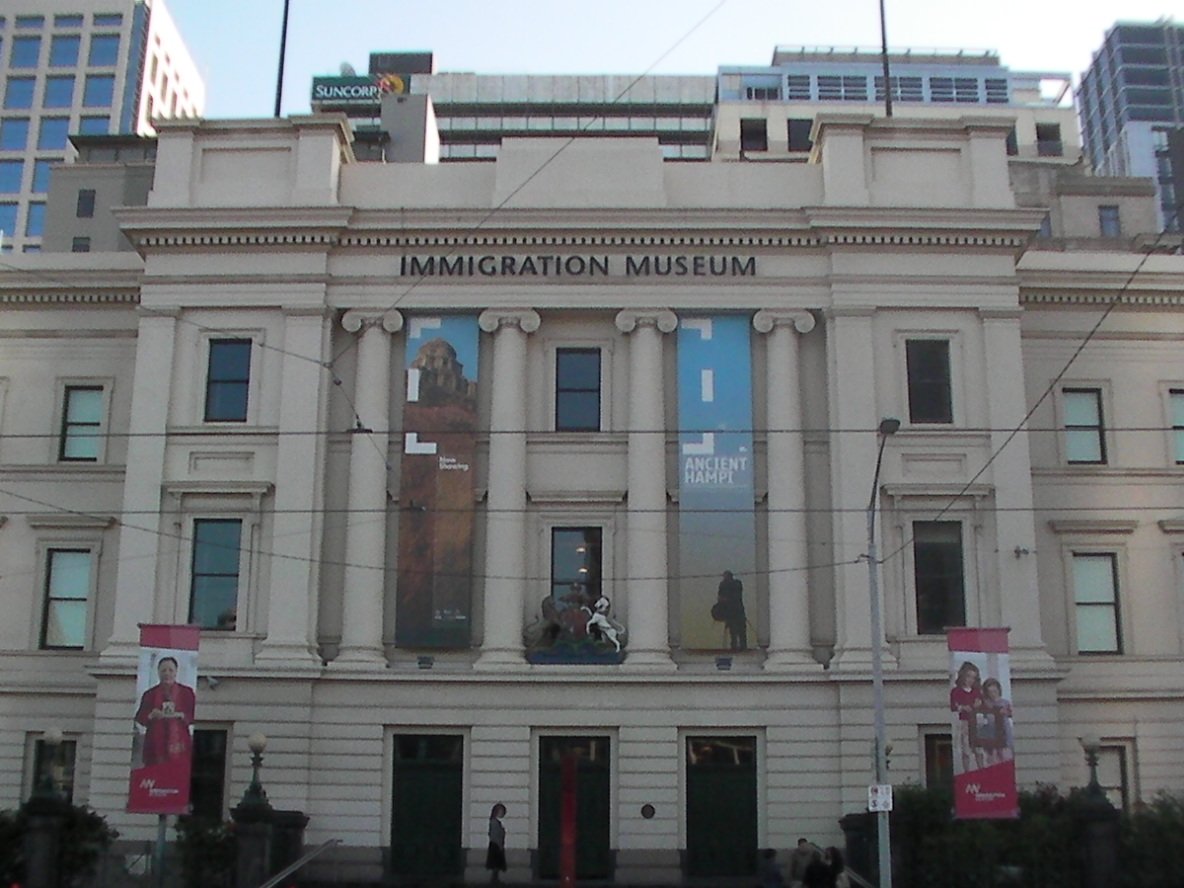
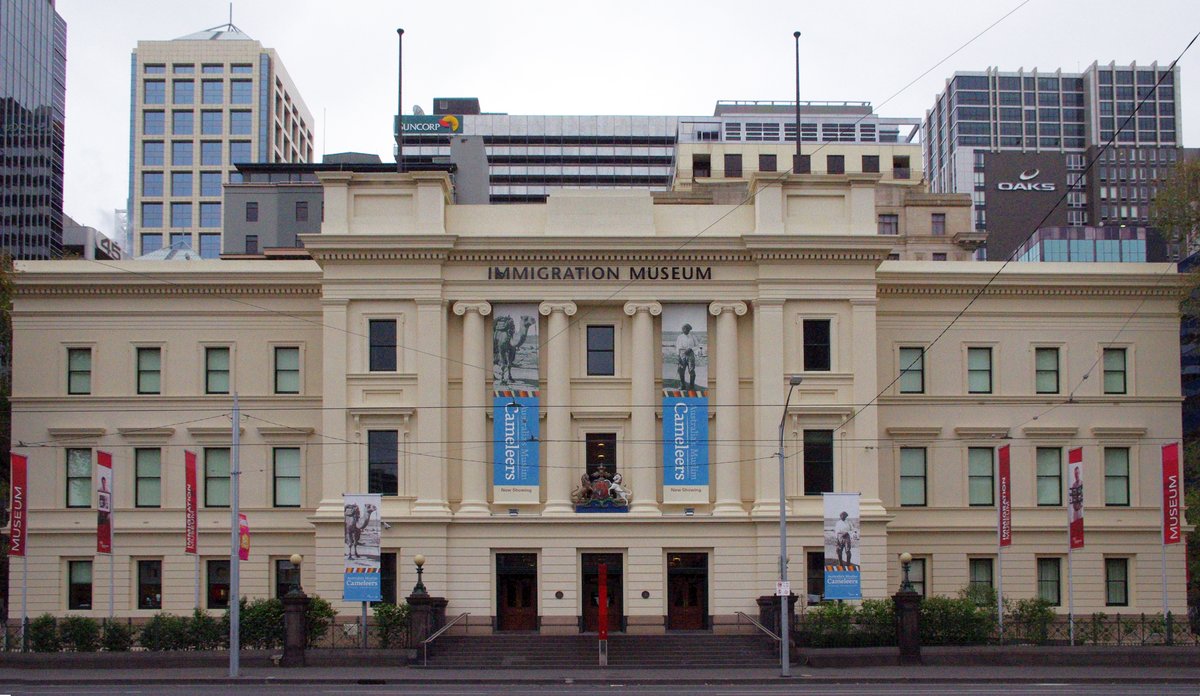
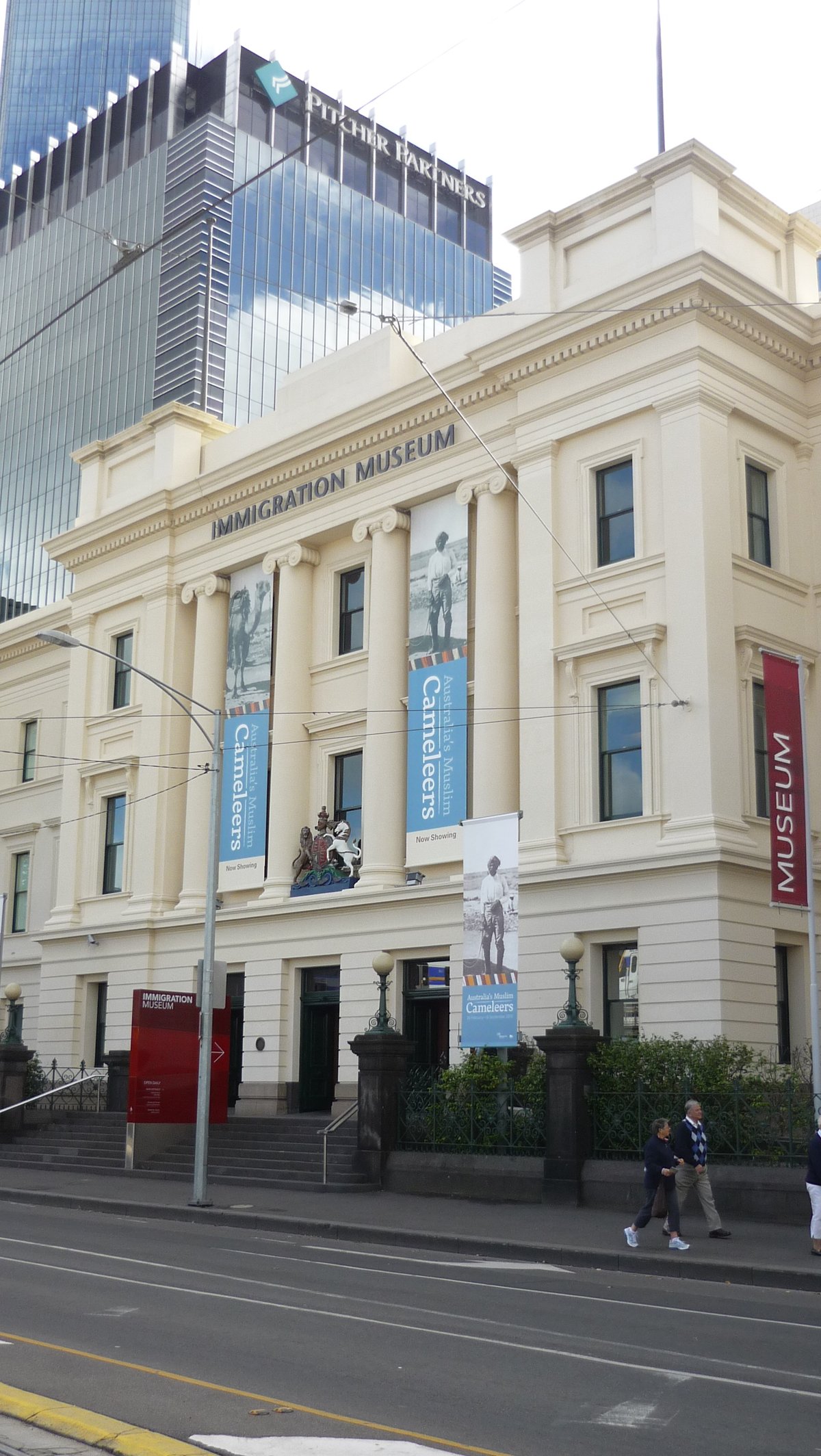
The Immigration Museum occupies the historic Old Customs House at 400 Flinders Street. Built between 1855 and 1876, this grand structure once served as the administrative hub for Victoria’s customs operations, overseeing the flow of goods and people into the colony (What’s On Melbourne). Its location, adjacent to Queen’s Wharf and the Yarra River, made it central to Melbourne’s economic and demographic growth during the gold rush. Today, the Customs Gallery within the museum preserves this legacy, inviting visitors to explore the original Long Room and learn about its pivotal role in migration and commerce (To Hot or Not).
The Evolution of the Immigration Museum
Established in 1998, the Immigration Museum was created to recognize the profound influence of migration on Australia’s society. The choice of Old Customs House as its home is both symbolic and practical, linking past and present in the ongoing conversation about who belongs and how societies change (Museums Victoria Timeline).
Migration and Policy in Australia
Australia’s approach to immigration has shifted dramatically over time, from the gold rushes of the 1850s, which attracted diverse populations, to the restrictive "White Australia" policy and subsequent embrace of multiculturalism post-1970s. The museum’s exhibitions critically address these periods, highlighting how migration has shaped—and continues to shape—national identity (Museums Victoria Timeline).
Mission and Acknowledgement
The museum’s mission is to document, interpret, and celebrate the diversity of migration experiences in Victoria and Australia. It prioritizes inclusive storytelling, acknowledges the ongoing significance of First Peoples, and fosters empathy and respect for multiculturalism (What’s On Melbourne; To Hot or Not).
Visitor Information: Hours, Tickets, Location, Accessibility
Location
- Address: 400 Flinders Street, Melbourne, VIC 3000 (Museums Victoria)
Opening Hours
- Open Tuesday to Sunday: 10:00 AM – 5:00 PM
- Closed on Mondays and public holidays (including Good Friday and Christmas Day)
- Check the official website for seasonal changes and updates (Museums Victoria)
Ticket Pricing
- Adult: ~AUD 15
- Concession/Students/Seniors: ~AUD 12
- Children under 16: Free
- Family Pass (2 adults + 2 children): ~AUD 40
- Victorian Seniors Card holders: Free
- Museum Members: Free general entry and exhibition discounts
- Tickets are available online or at the entrance (Visit Melbourne; Tickete)
Accessibility
- Entrances Step-free access via Market Street and Festivals Courtyard ramps
- Lifts To all public floors
- Accessible Toilets On ground and first floors
- Low Sensory Sessions Monthly, with dimmed lights and reduced noise
- Companion Card Complimentary entry for companions
- Wheelchair and Mobility Scooter Access Fully accessible
- Guide and Assistance Dogs Welcome
- Vision & Hearing Tactile indicators in lifts, Auslan tours for select events
- Language Support Visitor info in 13 languages (Notre Dame Expo)
- Autism-Friendly Resources Sensory maps and social scripts (Museums Victoria)
Exhibitions: Permanent and Temporary
Permanent Exhibitions
- Identity: Yours, Mine, Ours Explores individual and collective identity in multicultural Australia through interactive displays and personal stories (Museums Victoria).
- Customs Gallery Showcases the history of immigration and trade in Melbourne’s original Customs House setting.
- Leaving Home & Getting In Chronicles migrants’ journeys and arrivals in Australia, promoting empathy through artifacts and oral histories.
- Tribute Garden An outdoor memorial inscribed with migrant names, offering a space for reflection and remembrance.
Current Temporary & Special Exhibitions
- Joy (2024–2025) Celebrates happiness, creativity, and resilience with installations by Victorian artists (Secret Melbourne).
- The Resonant Heart Sensory exhibition exploring migration’s emotional landscape.
- Threads Focuses on cultural identity through textiles and clothing.
- My Working Life Highlights the work experiences of migrants in Victoria.
- Forget the Stereotypes Challenges assumptions through creative narratives (Museums Victoria).
Travel Tips and Nearby Attractions
Getting There
- Train Flinders Street Station (10-minute walk)
- Tram Routes 30, 70, 75 (Market St/Flinders St Stop 3, 50 meters away)
- Bus Melbourne Visitor Shuttle (William Street, Stop 11)
- Parking No on-site parking; several public car parks are within 5-minute walk. Taxi and rideshare drop-off on Market Street (Seniors in Melbourne).
Nearby Attractions
- Federation Square Cultural precinct, 5 minutes’ walk
- Royal Botanic Gardens 15-minute walk for nature and relaxation
- National Gallery of Victoria Australia’s oldest art museum
- Yarra River Walk Scenic riverside strolls
- Melbourne Aquarium, Chinatown, St Paul’s Cathedral All within close proximity (Trip.com)
Facilities and Accessibility Features
- Café and Shop Light refreshments, educational gifts, and locally made products
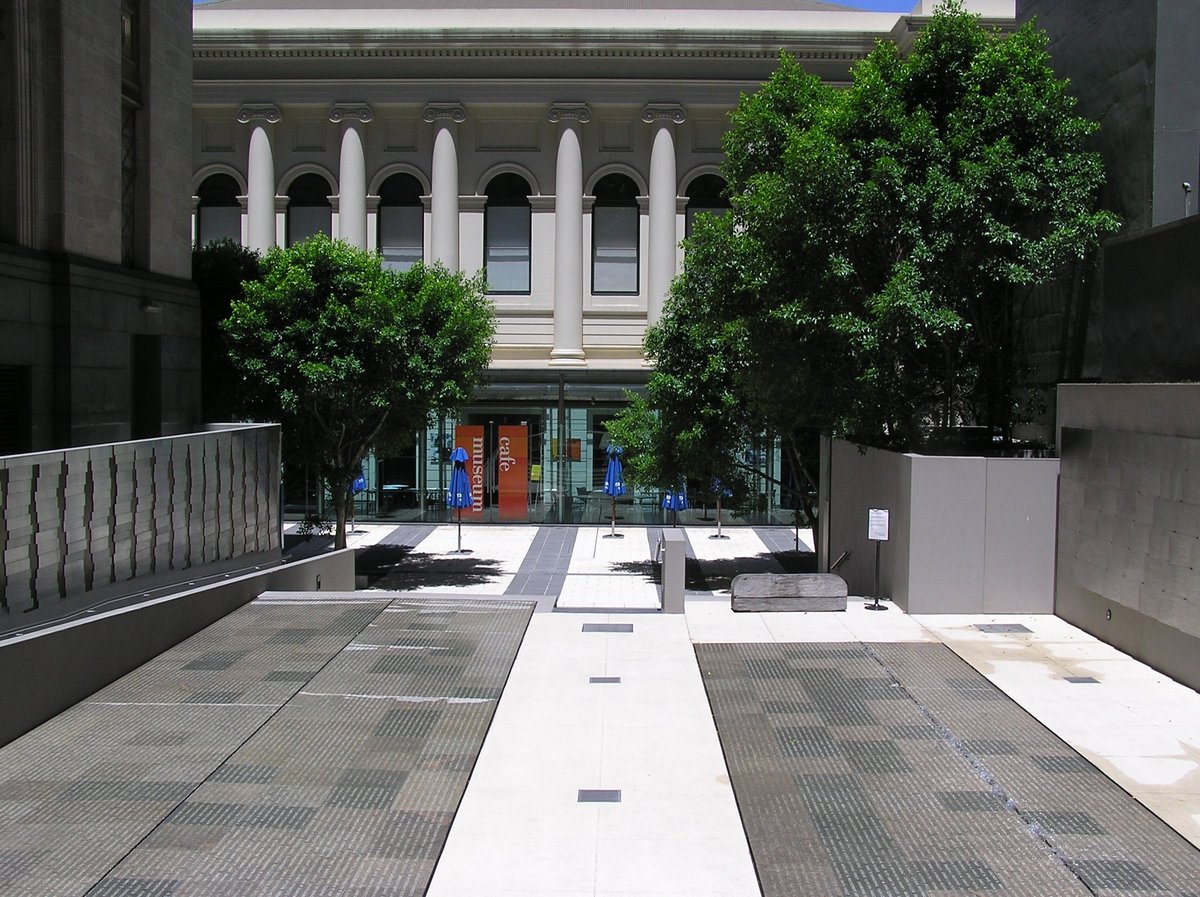
- Courtyard Hosts festivals and events
- Rest Areas Ample seating throughout exhibitions and public spaces
- Family-Friendly Suitable for children, with interactive displays and free child entry
- Photography Permitted in most areas; perfect for social media
Special Events and Tours
- Guided Highlights Tours Offered regularly, including Auslan-interpreted sessions (Museums Victoria).
- Low Sensory Sessions First Saturday of each month (excluding school holidays)
- Community Festivals & Workshops Regularly scheduled in the museum courtyard (Notre Dame Expo)
- Seniors Discounts Reduced rates on tours and select events (Seniors in Melbourne)
FAQs
What are the opening hours?
Open Tuesday to Sunday, 10:00 AM – 5:00 PM. Closed Mondays and public holidays.
How do I buy tickets?
Purchase online via the official website or at the entrance.
Is the museum accessible?
Yes. Step-free entrances, lifts, accessible toilets, and sensory-friendly resources are available.
Are guided tours available?
Yes. Guided tours, including Auslan and highlights tours, are available. Check the "What’s On" page for schedules.
Is there parking?
No on-site parking, but multiple public car parks are nearby.
Can I bring children?
Yes. The museum is family-friendly with free entry for children under 16.
Can I visit with a Companion Card?
Yes. Companions receive complimentary entry.
Planning Your Visit: Summary & Key Tips
- Book tickets in advance for seamless entry and to check for special exhibition requirements.
- Use public transport for convenience; limited parking in Melbourne CBD.
- Take advantage of accessibility features including lifts, ramps, and sensory sessions.
- Explore nearby attractions to enrich your visit—Federation Square, Botanic Gardens, and the Yarra River are all within easy reach.
- Check the official website for up-to-date information on events, tours, and accessibility (Museums Victoria).
Enhance Your Visit
For virtual tours, interactive maps, and additional guides, visit the official Immigration Museum website. Download the Audiala app for personalized audio tours and explore related articles on Melbourne’s cultural highlights.
Stay connected on social media for event updates, special offers, and behind-the-scenes content.