Ho Chi Minh City

Vietnam

Ho Chi Minh City

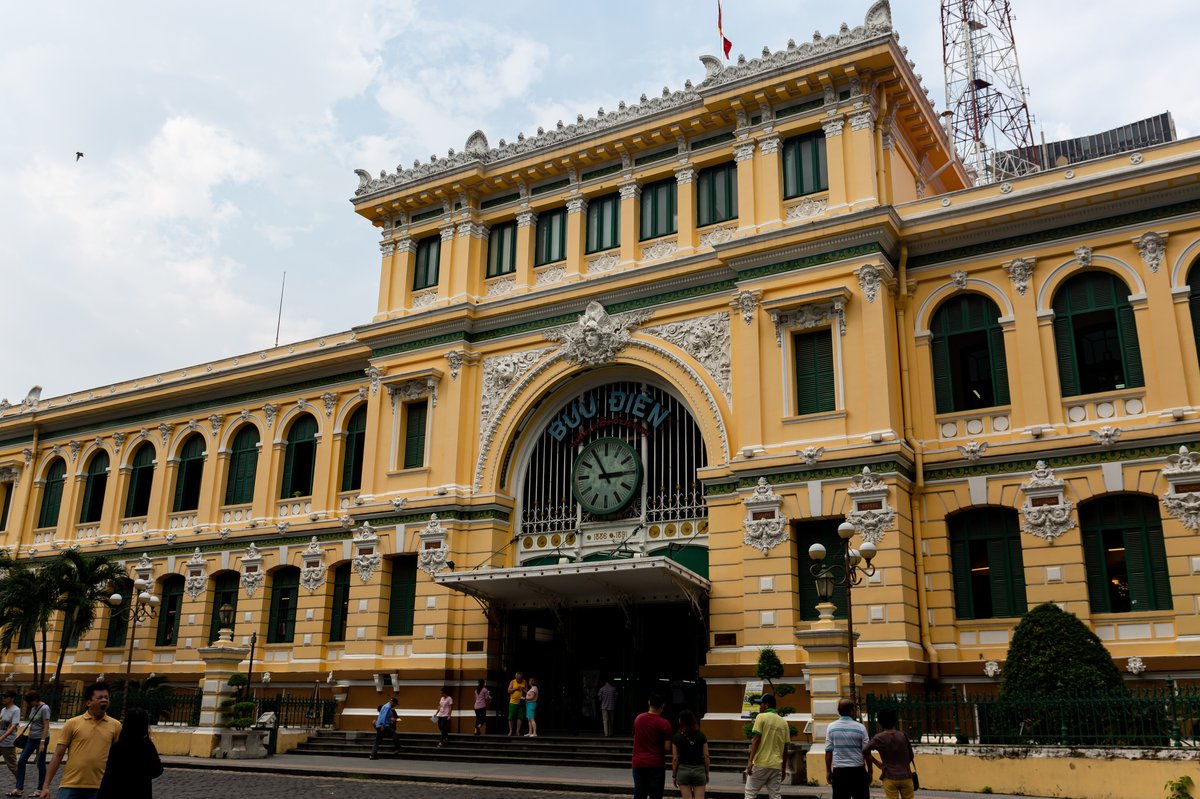
Ho Chi Minh City still carries the French bones of 19th-century Saigon under skyscrapers and metro lines. See the Central Post Office before redevelopment swallows more

location_on 12 attractions
calendar_month December to April
schedule 3-5 days

Introduction

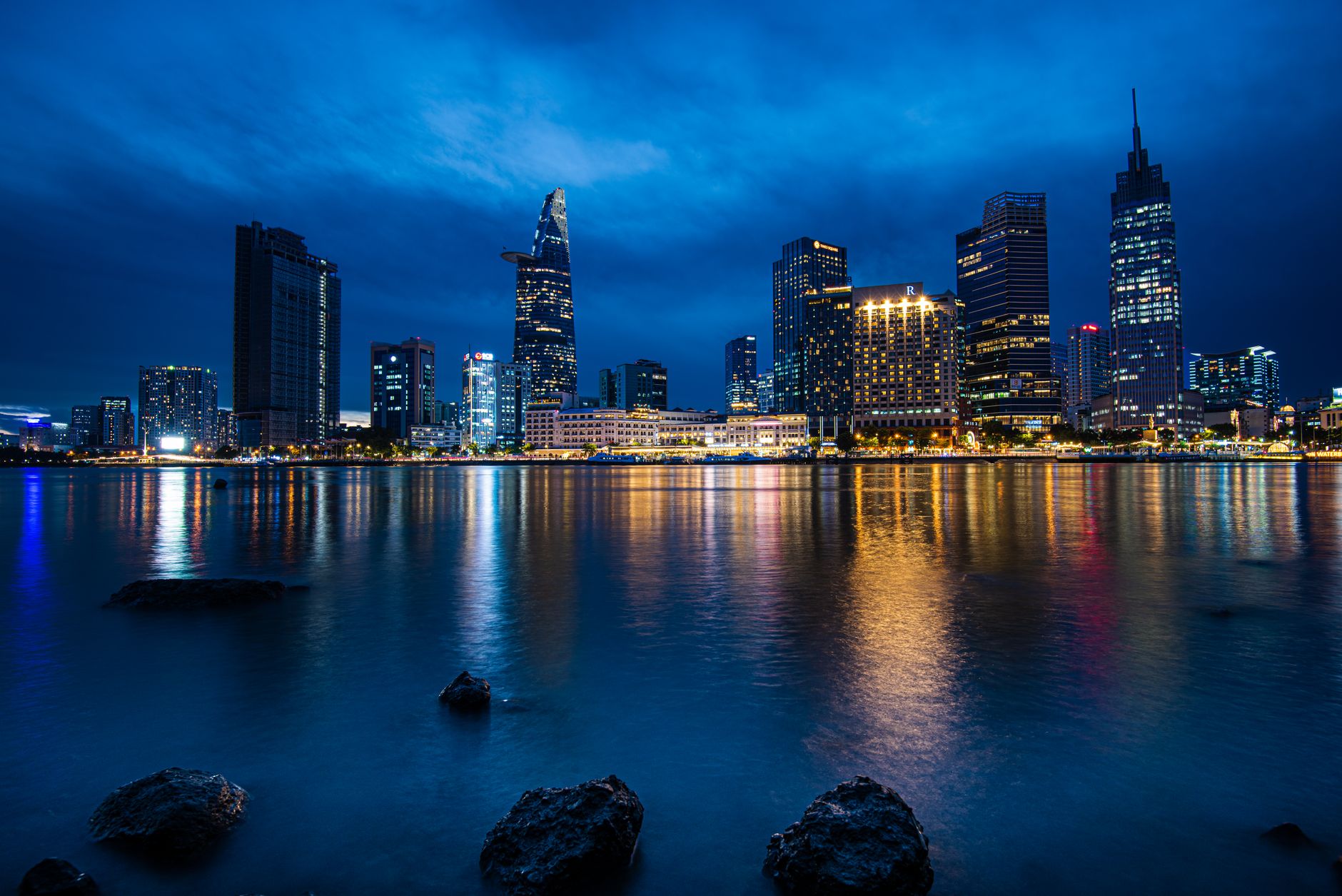
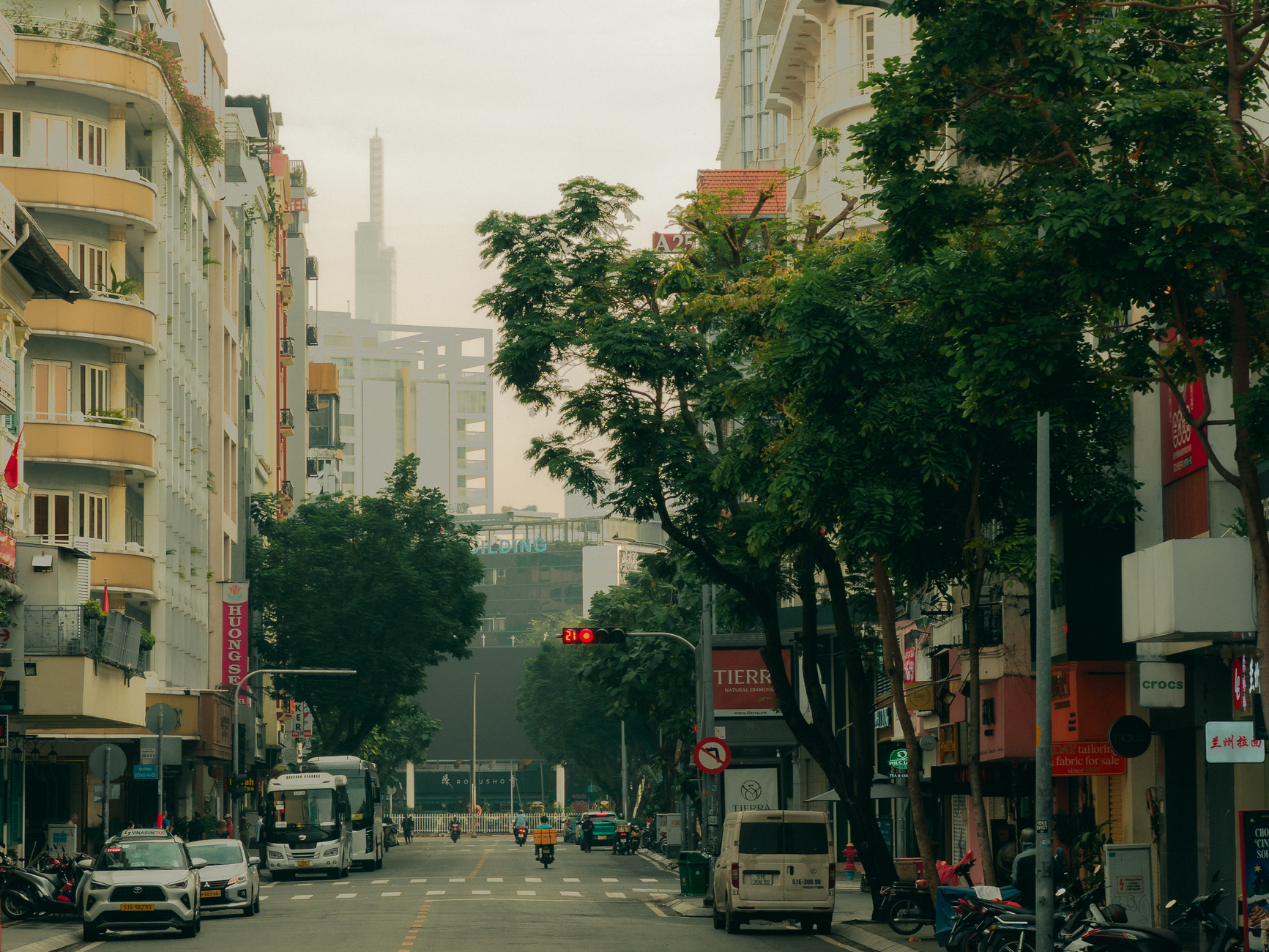
The first thing that hits you in Ho Chi Minh City is the smell of phở broth and two-stroke exhaust mingling at 7 a.m. on a random District 1 corner. This is Saigon, still, despite the glass towers and the metro line that now slices through it. The city surprises because it refuses to pick a side: French colonial bones sit inches from communist monuments, while kids on electric scooters race past women in áo dài selling lottery tickets from plastic stools.

Walk past the Reunification Palace and you notice the tanks parked outside like punctuation marks from 1975. Inside, the bunkers still smell of damp concrete and old secrets. Yet two blocks away at the Saigon Central Post Office, built between 1886 and 1891 by Alfred Foulhoux, the yellow walls and iron girders feel like a Parisian train station that wandered into the tropics. The contrast never stops.

Coffee here is religion. Old men sip phin-filtered robusta at street-level cafes while freelancers hunch over laptops in air-conditioned third-wave shops. The city moves at two speeds at once, and somehow both feel correct. Even the disappearing colonial buildings tell stories. The Catinat Building on Dong Khoi, currently marked for demolition, still houses tiny boutiques and cafes that feel like the last honest witnesses to another era.

What changes your understanding is how gently Saigon holds its history. It doesn't freeze it behind glass. It lets motorbikes circle the Opera House and street-food smoke drift through the gates of the Jade Emperor Pagoda. The place doesn't ask you to choose between old and new. It simply insists you notice both.

Places to Visit

The Most Interesting Places in Ho Chi Minh City

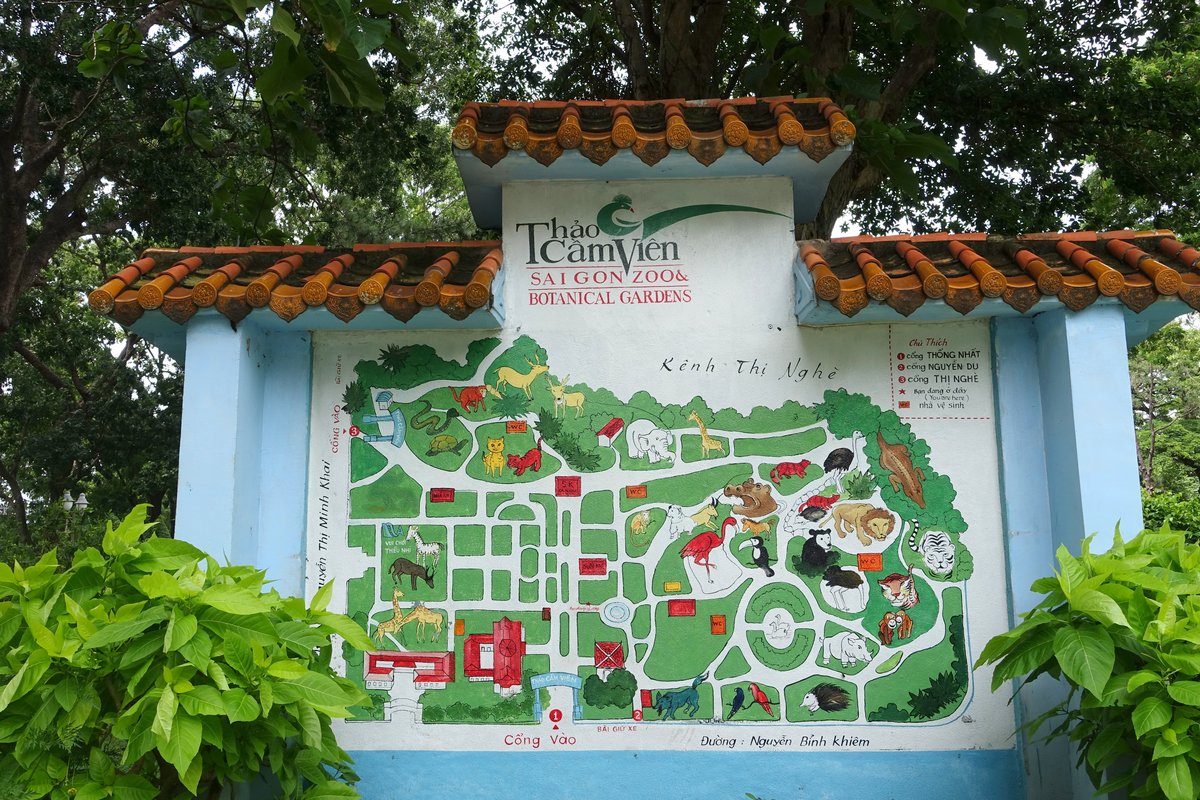
Saigon Zoo and Botanical Gardens

Saigon Zoo and Botanical Gardens

Nestled in the vibrant heart of Ho Chi Minh City, the Saigon Zoo and Botanical Garden stands as a historical and cultural emblem.

Hoằng Pháp Temple

Hoằng Pháp Temple

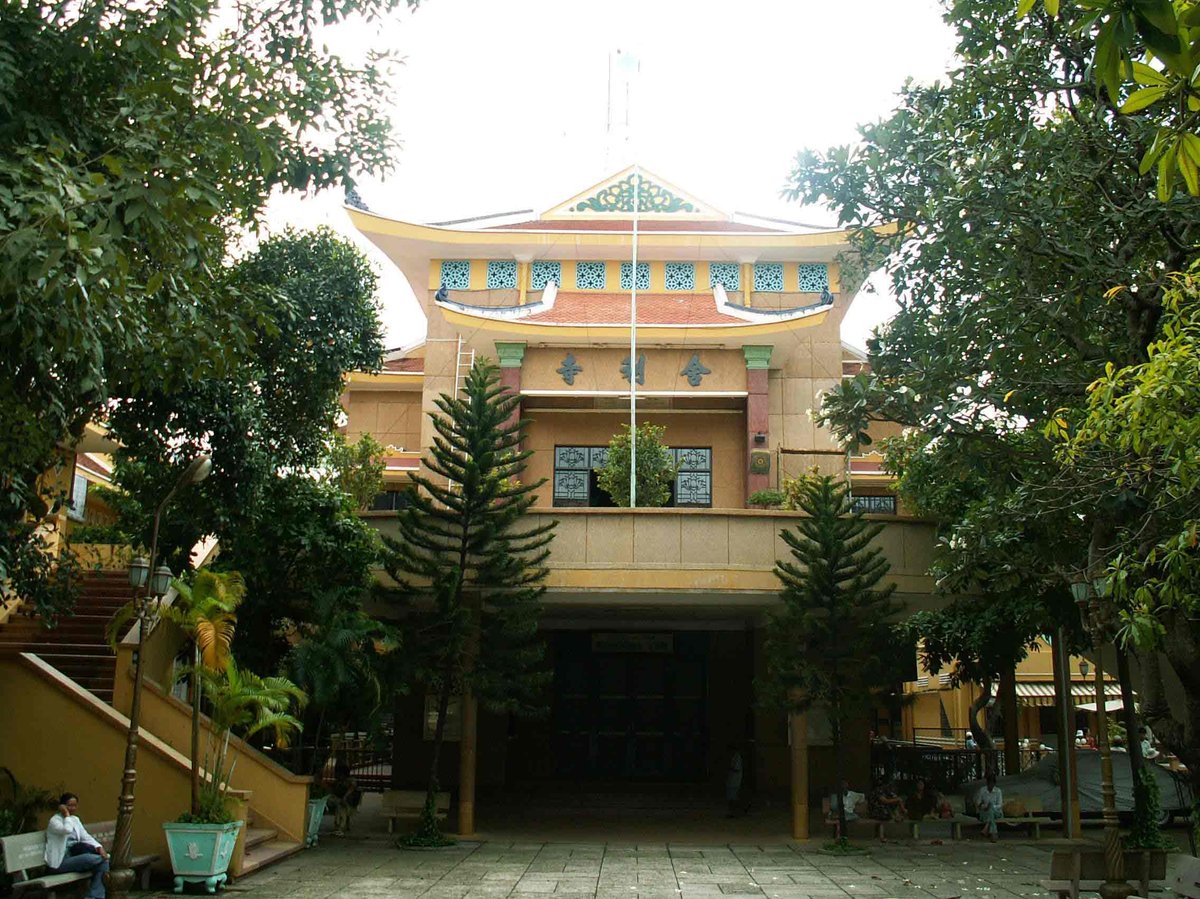
Chùa Hoằng Pháp, located in the Hóc Môn District of Ho Chi Minh City, Vietnam, stands as one of the most prominent and significant Buddhist temples in the…

Independence Palace

Independence Palace

Dinh Độc Lập, also known as Independence Palace or Reunification Palace, is one of the most significant historical sites in Ho Chi Minh City, Vietnam.

landscape

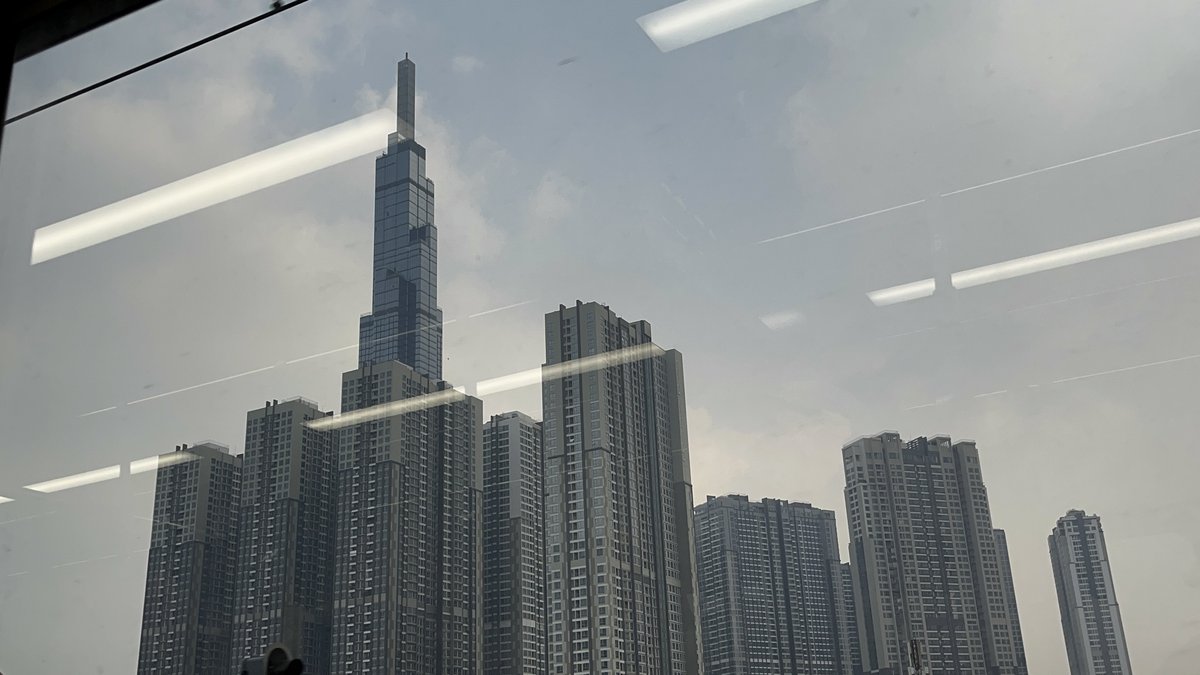
Landmark 81

Vincom Center in Ho Chi Minh City, Vietnam, is more than just a series of modern shopping malls; it is a symbol of the city's evolution and a testament to…

landscape

Saigon Central Post Office

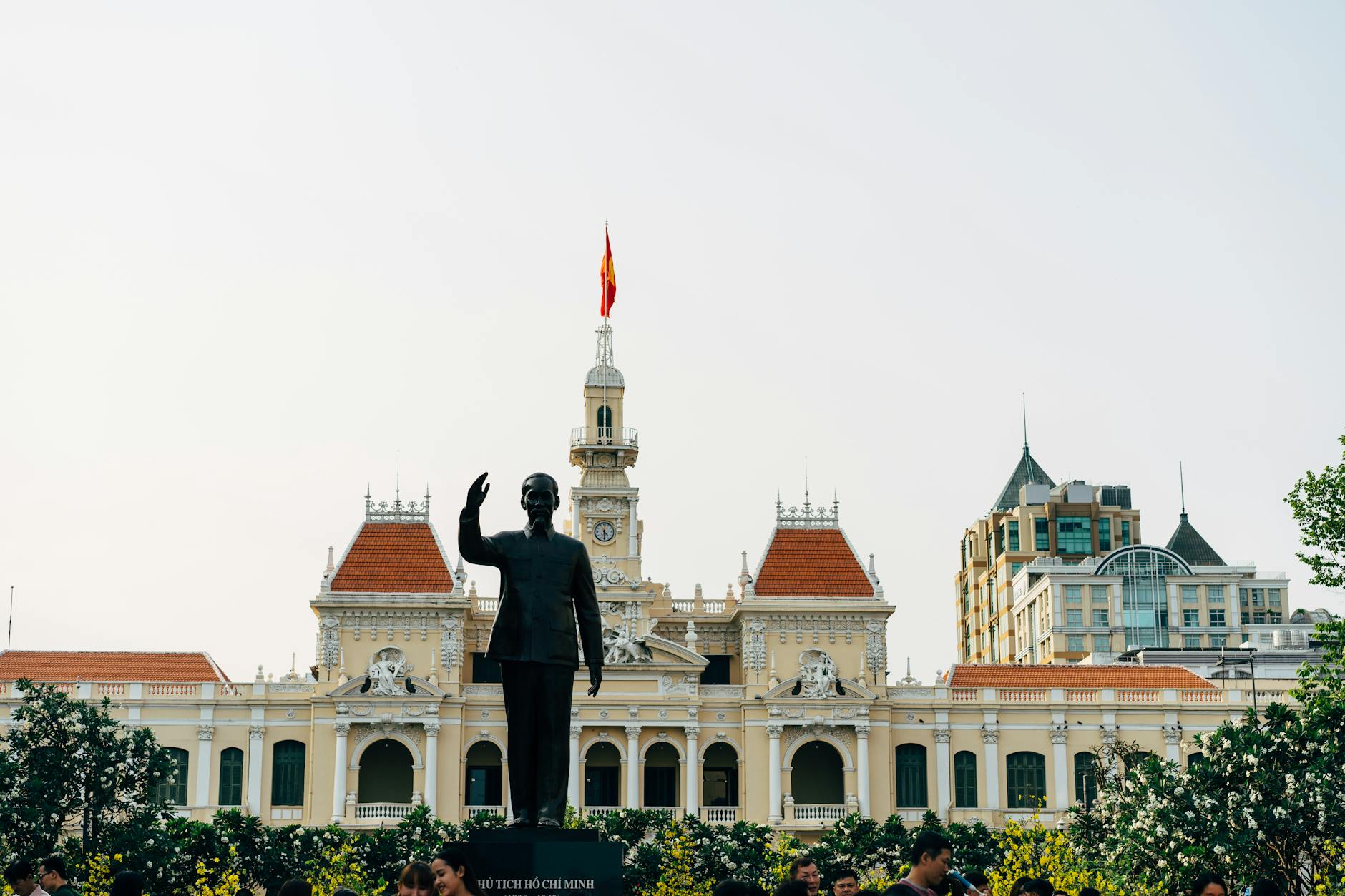
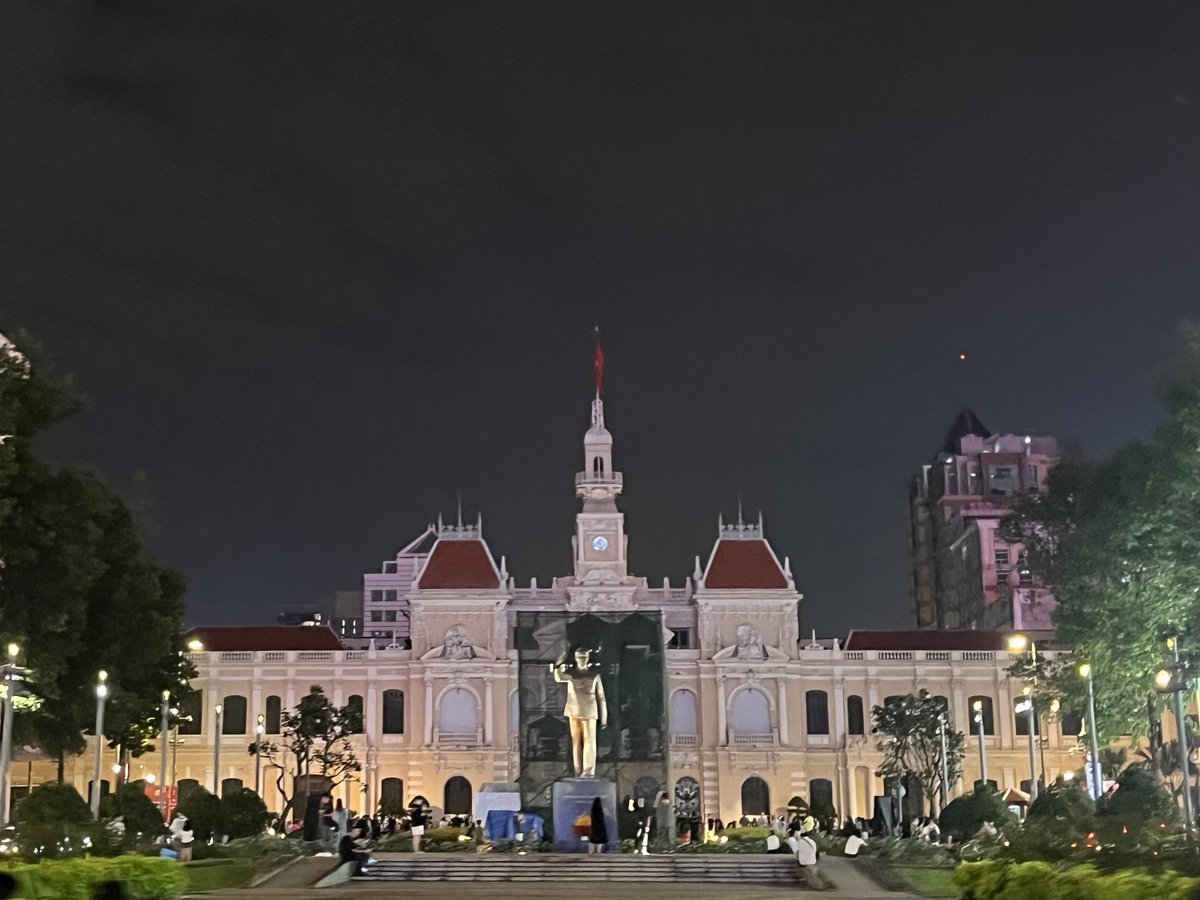
The People's Committee of District 1, or Ủy ban Nhân dân Quận 1, is one of Ho Chi Minh City's most iconic landmarks, embodying both historical and…

landscape

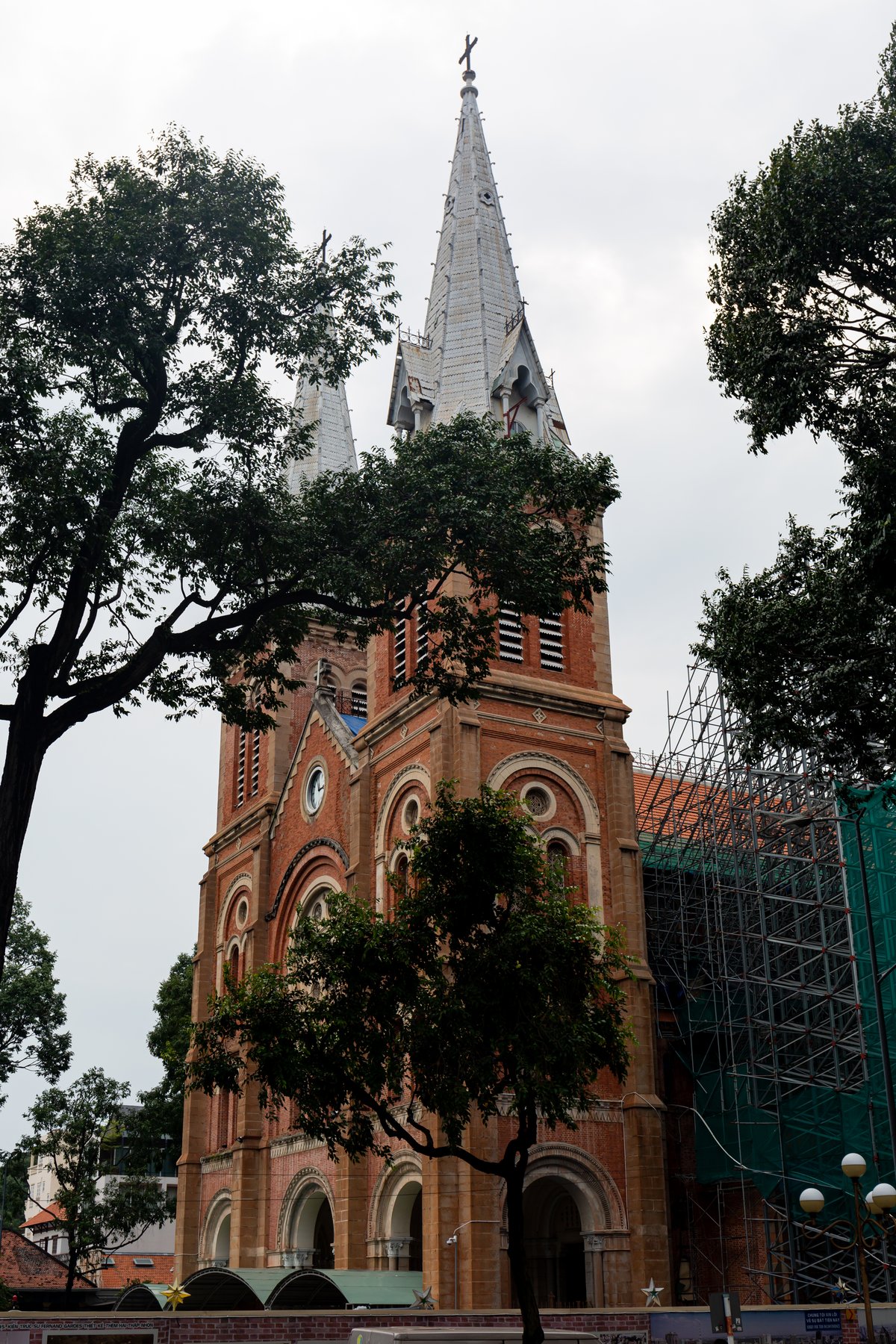
Saigon Notre-Dame Basilica

Nhà Thờ Đức Bà, also known as the Notre-Dame Cathedral Basilica of Saigon, stands as one of the most iconic landmarks in Ho Chi Minh City, Vietnam.

Bitexco Financial Tower

Bitexco Financial Tower

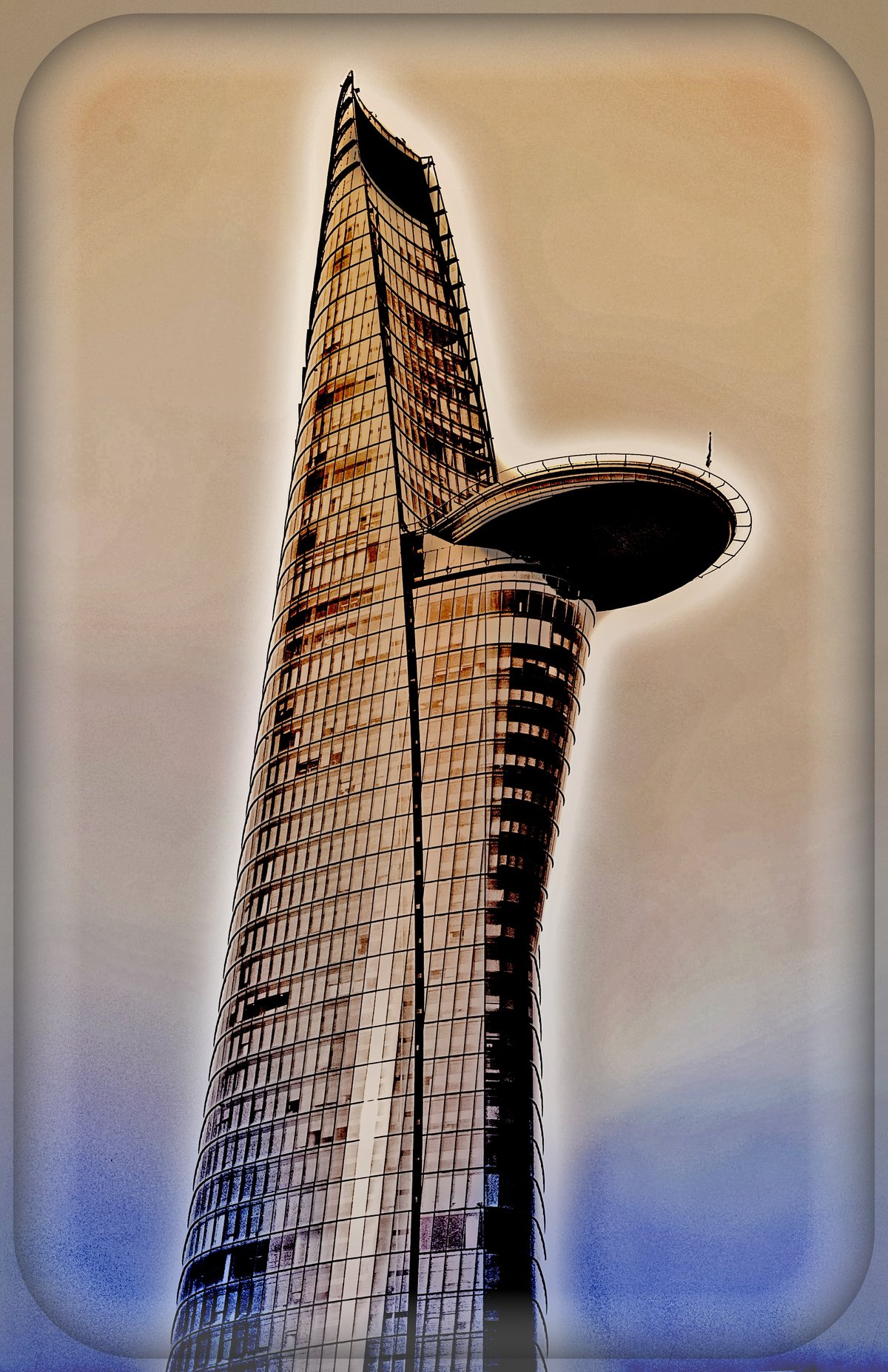
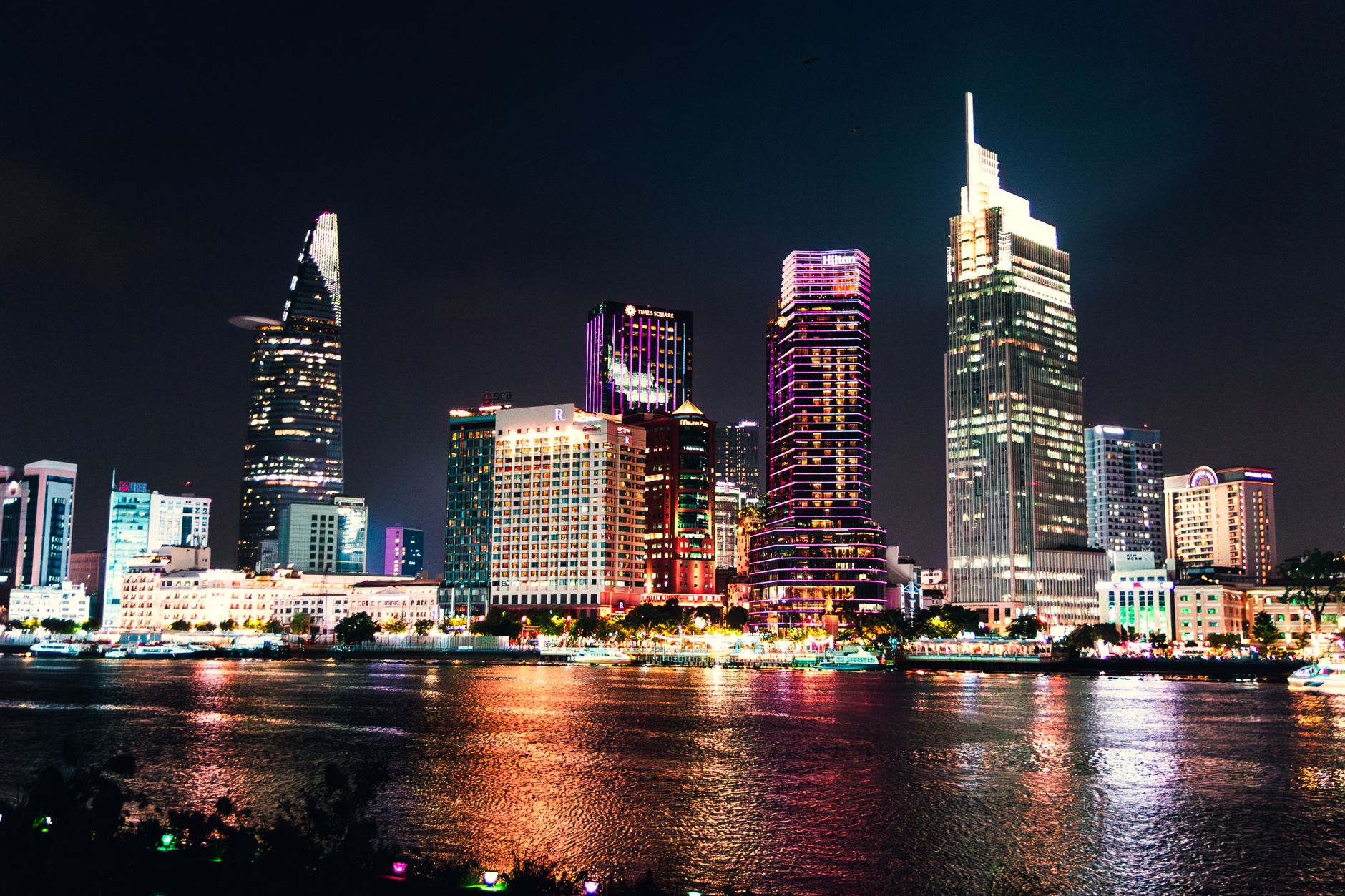
The Bitexco Financial Tower, located in the heart of Ho Chi Minh City, stands as a testament to Vietnam's rapid modernization and economic growth.

Municipal Theatre of Ho Chi Minh City

Municipal Theatre of Ho Chi Minh City

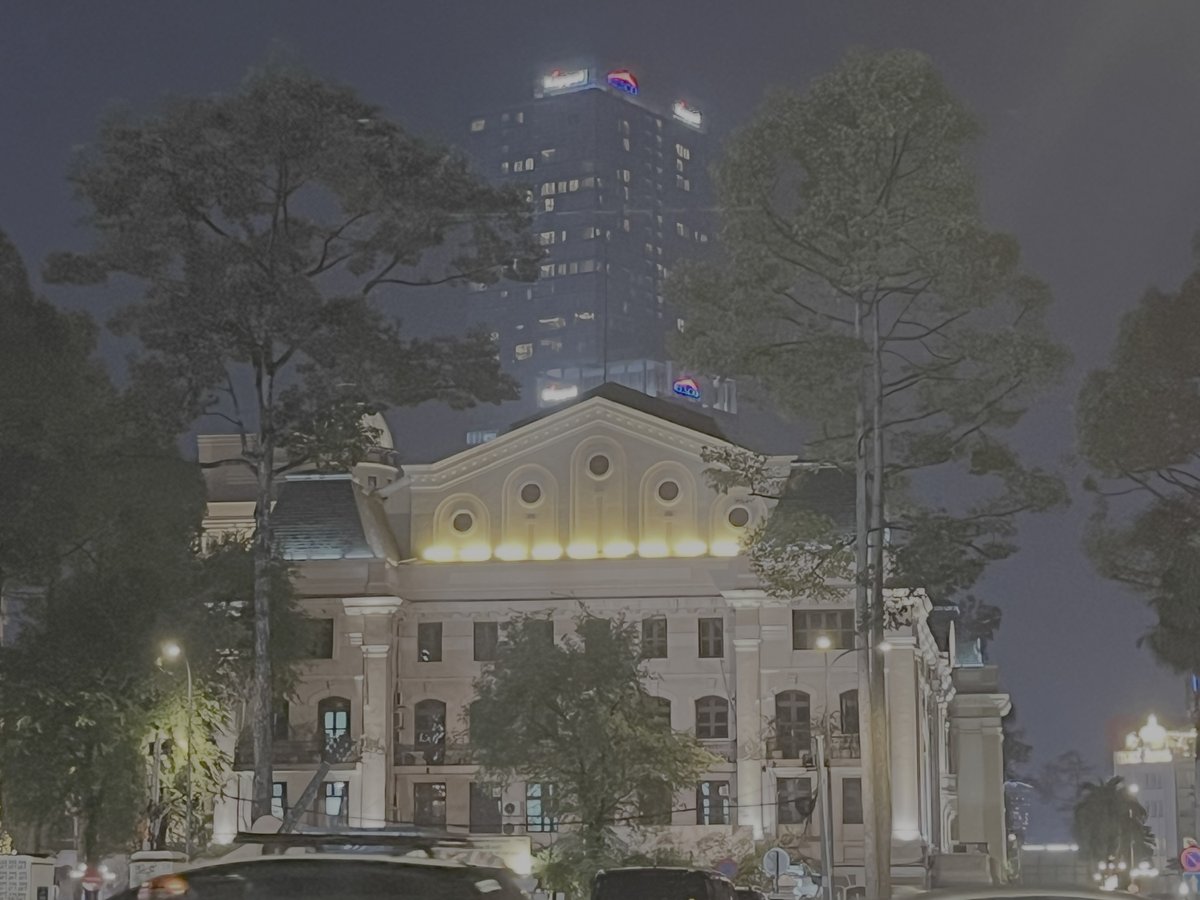
The Saigon Opera House, officially known as the Municipal Theatre of Ho Chi Minh City, stands as one of Vietnam’s most iconic landmarks, offering visitors a…

War Remnants Museum

War Remnants Museum

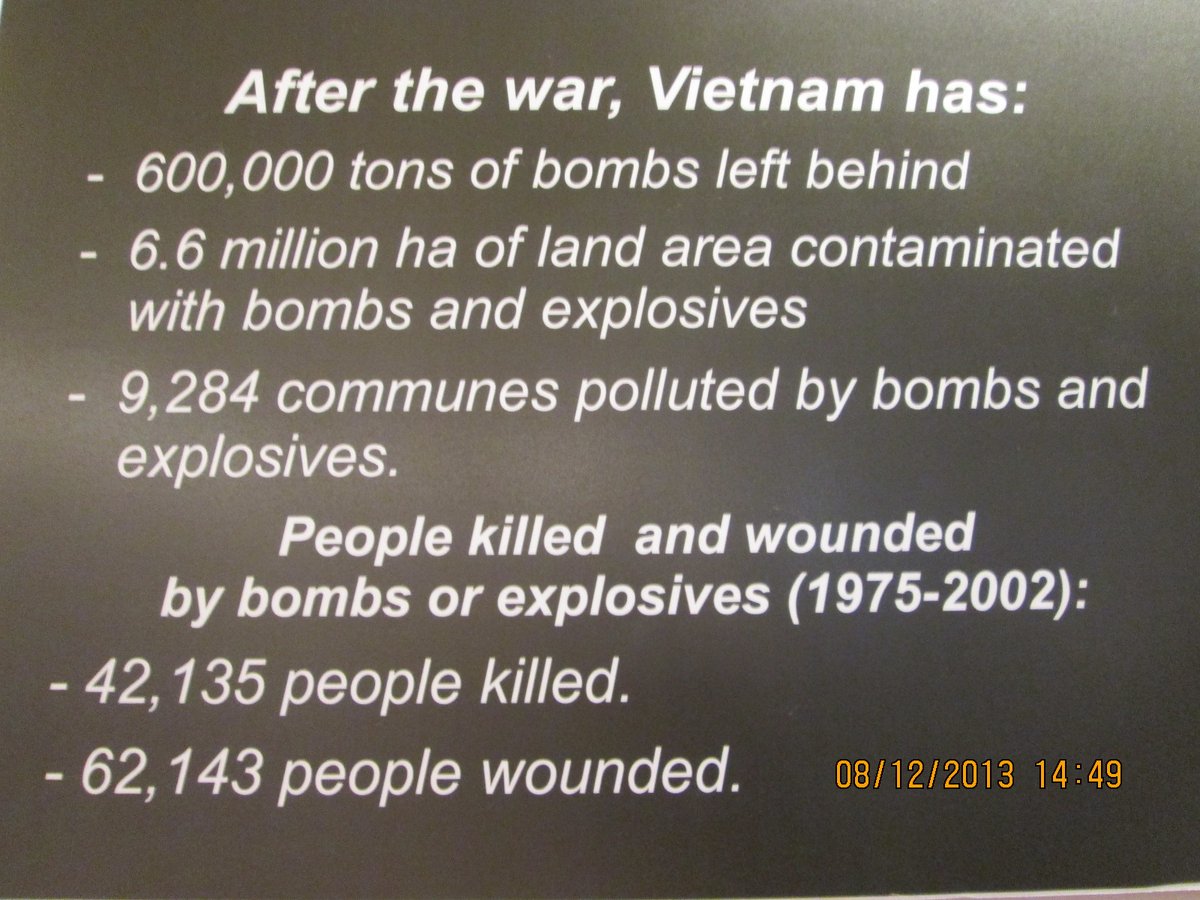
The War Remnants Museum, known locally as Bảo tàng Chứng tích Chiến tranh, in Ho Chi Minh City, Vietnam, stands as a powerful testament to the Vietnam War's…

landscape

Ho Chi Minh City Museum of Fine Arts

Situated in the bustling heart of Ho Chi Minh City, the Bảo tàng Mỹ thuật Thành phố Hồ Chí Minh, also known as the Ho Chi Minh City Fine Arts Museum, stands…

Museum of Ho Chi Minh City

Museum of Ho Chi Minh City

The Museum of Ho Chi Minh City stands as a vital cultural and historical landmark in Vietnam’s largest metropolis, offering visitors a multifaceted window…

landscape

Tan Dinh Market

## Introduction Chợ Tân Định, or Tân Định Market, is not just a bustling marketplace but also a historical and cultural landmark situated in the heart of Ho…

What Makes This City Special

Colonial Ghosts

The Central Post Office still smells of ink and old paper under its 19th-century metal-frame roof designed by Alfred Foulhoux. Stand in the middle of the hall at 3pm and watch how the light slices through the high windows onto the tiled floor exactly as it did in 1891.

The Last Day of the War

Reunification Palace looks unchanged since the morning of April 30 1975 when a North Vietnamese tank crashed through its gates. The underground bunkers and the radio room where the final broadcast was made still feel unbearably quiet.

Street Coffee Ritual

Old men in District 4 sit on plastic stools no taller than 30cm sipping phin-filter coffee strong enough to wake the dead. The real Saigon happens at these tiny tables at 7am and 4pm when the light is soft and the gossip flows.

The Disappearing City

The Catinat Building and several other colonial landmarks are marked for demolition in 2026. See them now. Once the wrecking balls arrive the city will trade another piece of its French bones for glass and steel.

Historical Timeline

A City Shaped by Empire and Revolution

From Khmer fishing village to Vietnamese megacity

gavel
1623

Nguyễn Lords Stake Their Claim

Vietnamese officials set up a customs post at the edge of a Khmer fishing village called Prey Nokor. The air smelled of river mud and wet thatch. Within decades the swampy outpost would swallow its former owners and become the seed of Gia Định.

public
1679

Chinese Ming Loyalists Arrive

Three thousand refugees fleeing the crumbling Ming dynasty sailed up the Saigon River. Led by Duong Ngan Dich and Tran Thuong Xuyen, they drained marshes, built markets, and laid the foundations of Chợ Lớn. Their dialects still echo in the narrow lanes behind the herbal shops.

person
1698

Nguyễn Hữu Cảnh Formalizes the City

The Nguyễn lord dispatched general Nguyễn Hữu Cảnh to draw borders, raise an earthen rampart, and declare Gia Định an administrative reality. He stood where District 1 now pulses with traffic and told his men this muddy bend would one day feed an empire.

swords
1859

French Guns Take Saigon

French warships shelled the citadel until its walls crumbled. Smoke drifted across the river while Vietnamese defenders burned their own supplies rather than surrender them. By nightfall the city belonged to a European power for the first time.

gavel
1862

Emperor Tự Đức Cedes the South

Under duress, Emperor Tự Đức signed away Cochinchina. Saigon became the capital of a new French colony. Palm trees were felled for boulevards; the smell of fresh bread soon competed with fish sauce in the morning air.

castle
1887

Saigon Rules French Indochina

The city officially became administrative heart of the entire Indochinese Union. French planners laid out wide avenues shaded by tamarind trees. Locals watched their rulers sip pastis on terraces while the monsoon rains hammered the new red-tiled roofs.

person
1891

Marguerite Duras Enters the World

In Gia Định, a French schoolteacher’s daughter named Marguerite Donnadieu was born. The damp colonial house, the servant’s stories, and the Mekong’s brown water would later pour straight into her novel The Lover. Saigon shaped her before she ever left it.

church
c. 1900

Jade Emperor Pagoda Rises

Taoist devotees completed their intricate temple on what is now Nguyễn Văn Trượng Street. Incense curled around carved dragons and porcelain figures. Even today the air inside feels thicker, older, as if the 20th century never quite arrived.

castle
1910

Saigon Central Post Office Opens

Gustave Eiffel’s firm finished the soaring hall with its vaulted ceilings and tiled floors. French clerks sorted letters beneath giant maps while Vietnamese cyclists waited outside. The building still hums with the same quiet colonial confidence.

swords
1940

Japanese Occupation Begins

Japanese troops marched into a city already exhausted by war in Europe. French administrators stayed in their villas under new masters. Street markets kept selling, but everyone watched the sky for the next shift in power.

swords
1945

Viet Minh Declare Independence

After the Japanese surrender, crowds surged through the streets waving red flags. For one electric month Saigon tasted freedom before French forces returned. The riots that followed left bullet scars still visible on certain old façades.

gavel
1954

Capital of South Vietnam

The Geneva Accords split the country. Saigon became the glittering, nervous heart of the Republic of Vietnam. American money poured in; French wine gave way to Coca-Cola, but the old colonial trees kept casting the same long shadows.

swords
1968

Tet Offensive Shatters the City

Viet Cong fighters stormed the American embassy compound and fought house-to-house across District 1. Mortar rounds landed near the Central Post Office. When the smoke cleared, both sides understood the war had reached the living rooms of Saigon.

person
1971

Ke Huy Quan Is Born in Saigon

In the final years of the Republic, a boy named Ke Huy Quan entered the world. Two decades later he would flee as a refugee, then return to global fame. The city gave him an accent he later lost and memories he never forgot.

swords
April 30, 1975

Tanks Crash Through Palace Gates

North Vietnamese T-54 tank number 843 smashed the iron gates of Independence Palace at 10:45 a.m. Colonel Bùi Tín climbed the stairs to accept the unconditional surrender. The war ended where it had symbolically begun. The smell of diesel and fear lingered for weeks.

gavel
1976

Saigon Becomes Ho Chi Minh City

The new government erased the old name almost overnight. Street signs changed, textbooks rewritten. Yet taxi drivers still say “Saigon” when they mean the downtown core, a linguistic rebellion that refuses to die.

flight
2010

Bitexco Tower Pierces the Sky

The 68-storey “shark fin” building opened, its helipad jutting 200 meters above the rooftops. For the first time Saigon possessed a true modern landmark. At dusk the observation deck offers the best view of a city still arguing with its own past.

flight
2017

Metro Line 1 Finally Breaks Ground

After decades of delays, Japanese engineers began laying tracks for the 19.7-kilometre elevated line. Old-timers shook their heads; they had heard promises before. When it finally opened in 2024 the city felt, for a moment, like it had caught up with its own ambition.

person
2022

Thẩm Thúy Hằng Passes Away

The last great star of South Vietnamese cinema died at 82. In the 1960s her face had filled every cinema from Cần Thơ to Đà Lạt. Her funeral drew thousands who still remembered when Saigon produced its own dreams on celluloid.

gavel
2025

Megacity Merger Approved

Bình Dương and Bà Rịa–Vũng Tàu provinces formally dissolved into an expanded Ho Chi Minh City. The administrative map redrew itself overnight. Twenty-two million people now officially live inside one municipal boundary. The Mekong feels smaller already.

schedule
Present Day

Notable Figures

Marguerite Duras

1914–1996 · Novelist
Born in Gia Định (now part of Ho Chi Minh City)

She spent her childhood in the humid streets of colonial Saigon and later turned those memories into The Lover. The book’s Mekong ferry scene still feels familiar to anyone crossing the river today. One wonders if the 2026 city of glass towers would feel like betrayal or simply the next chapter.

Ke Huy Quan

born 1971 · Actor
Born in Saigon

He left Saigon as a child refugee before landing the role of Short Round in Indiana Jones. In 2023 he won an Oscar and returned to a city that now has both his childhood alleys and a red carpet. The contrast between those two versions of home must be dizzying.

Nguyễn Hữu Cảnh

1650–1700 · Military administrator
Founder of the city’s administrative structure

In 1698 he was sent by the Nguyễn lords to draw the first official boundaries of Gia Định. He built an earth rampart where skyscrapers now stand. The city he mapped with bamboo stakes celebrates its 300th anniversary while erasing many of the very layers he helped create.

Plan your visit

Practical guides for Ho Chi Minh City — pick the format that matches your trip.

Practical Information

flight

Getting There

Almost all international flights arrive at Tan Son Nhat International Airport (SGN), Terminal 2. From the arrivals hall walk to poles 5–7 for official Grab rides or use the white-and-green Vinasun or Mai Linh taxis. Public buses 152 and 109 reach District 1 in 45 minutes for under 40,000 VND.

directions_transit

Getting Around

Metro Line 1 runs 19.7 km with 14 stations and is the only line operating in 2026. Grab bikes remain the fastest way through District 1 traffic. Avoid unmetered taxis completely. No city-wide tourist transport pass exists.

thermostat

Climate & Best Time

December to April is dry with average highs of 32°C and lows of 24°C. Rainy season runs May to November when afternoon downpours are common. The city is noticeably quieter and more pleasant from mid-January through March.

shield

Safety

Snatch-and-grab theft of phones by motorbike riders is the main risk, especially on Dong Khoi and Nguyen Hue after dark. Keep your bag on the opposite shoulder from traffic. The city itself is safe to walk in narrow alleys during daylight hours.

Where to Eat

local_dining

Don't Leave Without Trying

Cơm Tấm (Broken Rice) — served with grilled pork, spring onion oil, and pickled vegetables; quintessential HCMC breakfast Pho — Southern style, sweeter and more intense than Northern versions Bánh Mì — baguette filled with pâté, mayo, pork, and pickles Bánh Xèo — savory crepes, especially famous on Sư Vạn Hạnh Street Bún Mắm — potent seafood noodle soup with Khmer-Vietnamese fusion roots Bánh Canh Cua — thick crab noodles with adventurous, chewy texture Mì Vịt Tiềm — braised duck noodles Vietnamese Egg Coffee (Cà Phê Trứng) — espresso topped with whipped egg yolk and condensed milk Ốc (Snails) — grilled or stewed, street vendor staple Chè — Vietnamese sweet soup dessert with beans, fruit, and ice

Ben Nghe Street Food

local favorite
Vietnamese Street Food star 4.3 (12409)

Order: Bánh mì, cơm tấm (broken rice with grilled pork), and bún mắm—the potent seafood noodle soup that defines HCMC street eating. Order early for the freshest picks.

This is where locals actually eat, not tourists. A genuine street food market with dozens of vendors, chaotic energy, and prices that won't dent your wallet. Come hungry and ready to point at what looks good.

schedule

Opening Hours

Ben Nghe Street Food

Monday–Wednesday 9:00 AM – 1:00 AM
map Maps language Web

Pasteur Street Brewing Co.

local favorite
Craft Beer & Vietnamese Gastropub €€ star 4.8 (4679)

Order: Their house-brewed IPAs and lagers paired with Vietnamese small plates. The crispy spring rolls and grilled pork skewers complement the beer perfectly.

HCMC's best craft brewery with a 4.8 rating and serious local credibility. It's the rare spot where you get excellent beer culture and genuine Vietnamese flavors without pretension.

schedule

Opening Hours

Pasteur Street Brewing Co.

Monday–Wednesday 11:00 AM – 11:00 PM
map Maps language Web

Ngon Restaurant

local favorite
Vietnamese Traditional €€ star 4.0 (11164)

Order: Pho (Southern style—sweeter and more intense than the North), cơm tấm, and bánh canh cua (thick crab noodles with adventurous texture). Try the 'green bouquet' of herbs to customize your bowl.

A proper Vietnamese restaurant with 11,000+ reviews that serves breakfast through dinner. It's the kind of place where you taste how locals eat, from dawn until late.

schedule

Opening Hours

Ngon Restaurant

Monday–Wednesday 7:00 AM – 10:30 PM
map Maps language Web

Layla - Eatery & Bar

fine dining
Modern Vietnamese & International €€ star 4.8 (5497)

Order: Vietnamese-inspired small plates and cocktails. The menu blends local ingredients with contemporary technique—expect dishes that feel familiar but refined.

A 4.8-rated gem that bridges street food soul with upscale execution. Perfect for evening drinks and dinner when you want Vietnamese flavors without the chaos, but haven't lost the authenticity.

schedule

Opening Hours

Layla - Eatery & Bar

Monday–Wednesday 4:00 PM – 1:00 AM
map Maps language Web

Trung Nguyen Café Legend

cafe
Vietnamese Coffee & Café €€ star 4.5 (4827)

Order: Vietnamese egg coffee (cà phê trứng)—a silky, sweet espresso topped with whipped egg yolk and condensed milk. It's the quintessential HCMC caffeine ritual.

Vietnam's iconic coffee brand with a proper café that captures the morning culture. Sit for 20 minutes, sip slowly, and watch the city wake up.

schedule

Opening Hours

Trung Nguyen Café Legend

Monday–Wednesday 6:00 AM – 10:00 PM
map Maps language Web

Thế Giới Cà Phê Trung Nguyên Legend

cafe
Vietnamese Coffee & Café €€ star 4.7 (3618)

Order: Vietnamese filter coffee with condensed milk (cà phê đen đá or cà phê sữa đá) and egg coffee. Pair with a bánh mì from a nearby vendor for the full experience.

Located on the bustling Đồng Khởi strip with a 4.7 rating. This is where tourists and locals collide over Vietnam's obsession with coffee—the perfect breakfast or afternoon break.

schedule

Opening Hours

Thế Giới Cà Phê Trung Nguyên Legend

Monday–Wednesday 6:00 AM – 10:00 PM
map Maps language Web

Rex Hotel

fine dining
Vietnamese & International Bar €€ star 4.4 (8350)

Order: Cocktails and light Vietnamese dishes. The rooftop bar offers city views; order a classic mojito or local beer and watch Saigon pulse below.

A legendary 1960s hotel bar with round-the-clock service and serious historical weight. It's touristy, yes—but it's the *right* kind of touristy, with genuine HCMC atmosphere and a rooftop that justifies the visit.

schedule

Opening Hours

Rex Hotel

Open 24 hours
map Maps language Web

Chill Skybar & Dining

fine dining
International & Vietnamese Fusion €€€ star 4.4 (5624)

Order: Tapas-style Vietnamese and international small plates. The elevated setting lets you taste Vietnamese ingredients with a fine-dining lens.

High-rise dining with a 4.4 rating and panoramic city views. Perfect for a special evening when you want sophistication without losing connection to Vietnamese flavors.

schedule

Opening Hours

Chill Skybar & Dining

Monday–Wednesday 5:30 PM – 1:30 AM
map Maps language Web
info

Dining Tips

  • check Tipping is not mandatory. In local eateries, it's not expected; rounding up or leaving 5,000–10,000 VND is a kind gesture. In fine dining, 10% is standard if a service charge isn't already included.
  • check Carry small denominations of Vietnamese Dong (VND). Cash is king for street food and local vendors.
  • check Do not stick chopsticks upright in a rice bowl—it's associated with funerals. Do not tap chopsticks on bowls—bad luck.
  • check Share dishes and pass items with both hands (or the right hand) as a sign of respect.
  • check Use the 'green bouquet' of herbs provided with soups to customize your own bowl—it's a core part of the HCMC food experience.
  • check Guests wait for the most senior person to start eating.
  • check Many family-run stalls may close during major holidays like Tet (Lunar New Year).
  • check For fine dining, booking 1–3 days in advance is recommended, especially for weekend dinner slots.
Food districts: District 1 — Central hub with a mix of tourist-friendly spots and hidden local gems in alleys behind Ben Thanh Market District 3 — More authentic, slightly less touristy spots; known for traditional Vietnamese food District 10 (Sư Vạn Hạnh Street) — Dense, vibrant hub for street food, particularly bánh xèo (savory crepes) Bình Thạnh District (Vạn Kiếp Street) — Extremely dense street food scene with hundreds of vendors; ideal for experiencing the bustling local atmosphere with bún mắm, ốc, and chè

Restaurant data powered by Google

Tips for Visitors

wb_sunny
Visit December–April

The dry season brings lower humidity and fewer downpours. Book Mekong Delta trips then; rain turns unpaved paths into mud from May onward.

local_taxi
Grab Over Taxis

Open the Grab app at Tan Son Nhat between poles 5 and 7. Vinasun or Mai Linh taxis with meters are safer than unmarked cars that overcharge tourists.

no_accounts
Guard Your Phone

Motorcyclists snatch phones at traffic lights. Hold bags on the side away from the street and never use your phone while crossing.

restaurant
Eat on Co Giang

Skip Ben Thanh’s tourist stalls. Head to Co Giang Street at dusk for plastic stools, grilled squid and locals playing cards under bare bulbs.

payments
Cash Still Rules

Street vendors and markets accept only VND notes. Withdraw at airport ATMs before heading into District 1 alleys where card machines rarely appear.

directions_transit
Metro Line 1 Saves Time

The 19.7 km line runs from Suoi Tien to Ben Thanh. Use it to reach the Post Office and Reunification Palace without sitting in endless scooter traffic.

Explore the city with a personal guide in your pocket

Your Personal Curator, in Your Pocket.

Audio guides for 1,100+ cities across 96 countries. History, stories, and local insight — offline ready.

smartphone

Audiala App

Available on iOS & Android

download Download Now

Join 50k+ Curators

Frequently Asked

Is Ho Chi Minh City worth visiting? add

Yes, if you want to see Vietnam’s past and future colliding on the same block. The French colonial bones remain visible in the Central Post Office and Opera House, while Bitexco Tower’s observation deck shows a city racing toward 2030. Three days is enough to feel the tension.

How many days do you need in Ho Chi Minh City? add

Three full days let you cover Reunification Palace, the War Remnants Museum and a Cu Chi Tunnels trip. Add a fourth if you plan a Mekong Delta overnight. Any less and the city’s rhythm stays hidden.

Is Ho Chi Minh City safe for tourists? add

The city is generally safe to walk in daylight and well-lit areas at night. The main risk is phone snatch theft by motorbike riders. Stay alert at intersections and keep valuables zipped inside a cross-body bag.

How do you get from the airport to the city centre? add

Grab ride-hailing costs 120,000–200,000 VND to District 1 and takes 30–45 minutes. Public bus 109 also runs directly. Avoid anyone offering taxis inside the terminal; use the official rank or the app.

When is the best time to visit Ho Chi Minh City? add

December to April is the dry season with temperatures around 24–32 °C and far less rain. The city becomes steamier and wetter from May, though indoor sights remain comfortable.

Should I visit the War Remnants Museum? add

Yes, but prepare yourself. The displays pull no punches on Agent Orange and wartime atrocities. Most visitors spend 90 minutes there and leave quieter than when they entered.

Sources

  • verified RMIT Vietnam Airport & Transport Guide — Airport transport, Grab instructions, taxi safety and costs
  • verified Vietnam Coracle & Travel Lush — Hidden architecture spots, disappearing colonial buildings and street food districts
  • verified Vietnam Tourism Official Etiquette & Street Food Pages — Local customs, tipping norms and dining behavior
  • verified WeatherSpark & Vietnam Airlines — Climate data confirming December–April as optimal dry season

Last reviewed:

All Places to Visit

60 places to discover
Saigon Zoo and Botanical Gardens

Saigon Zoo and Botanical Gardens

Hoằng Pháp Temple

Hoằng Pháp Temple

Independence Palace

Independence Palace

photo_camera

Landmark 81

photo_camera

Saigon Central Post Office

photo_camera

Saigon Notre-Dame Basilica

Bitexco Financial Tower

Bitexco Financial Tower

Municipal Theatre of Ho Chi Minh City

Municipal Theatre of Ho Chi Minh City

War Remnants Museum

War Remnants Museum

photo_camera

Ho Chi Minh City Museum of Fine Arts

Museum of Ho Chi Minh City

Museum of Ho Chi Minh City

photo_camera

Tan Dinh Market

District 10

District 10

photo_camera

Tan Dinh Church

photo_camera

Phường 10

Saint Francis Xavier Church

Saint Francis Xavier Church

Suối Tiên Amusement Park

Suối Tiên Amusement Park

photo_camera

Phường 13

Saint Philip Church

Saint Philip Church

photo_camera

Saint Joseph Church

photo_camera

Ho Chi Minh City Museum of History

Jeanne D'Arc Church

Jeanne D'Arc Church

Sacred Heart Church

Sacred Heart Church

Hùng King Temple

Hùng King Temple

Quan Am Temple

Quan Am Temple

Tao Dan Park

Tao Dan Park

photo_camera

Phường 5

photo_camera

Bến Thành Theatre

photo_camera

Mariamman Temple, Ho Chi Minh City

Dam Sen Cultural Park

Dam Sen Cultural Park

photo_camera

Mạc Đĩnh Chi Cemetery

Tran Hung Dao Temple

Tran Hung Dao Temple

Saigon Bridge

Saigon Bridge

Tan Son Nhat International Airport

Tan Son Nhat International Airport

photo_camera

April 30 Park

Mong Bridge

Mong Bridge

Paris Commune Square

Paris Commune Square

photo_camera

Võ Thị Sáu

Bến Nghé

Bến Nghé

Chi Lăng Park

Chi Lăng Park

photo_camera

Phường 3

photo_camera

Củ Chi Tunnels

photo_camera

Phường 4

Thong Nhat Stadium

Thong Nhat Stadium

Bến Thành Market

Bến Thành Market

photo_camera

Phú Thọ Hòa

Ho Chi Minh City Hall

Ho Chi Minh City Hall

Xá Lợi Pagoda

Xá Lợi Pagoda

Dragon House

Dragon House

photo_camera

Quan Khu 7 Stadium

Saigon River Tunnel

Saigon River Tunnel

Giác Lâm Pagoda

Giác Lâm Pagoda

photo_camera

Saigon Centre

Saigon Trade Center

Saigon Trade Center

Phú Mỹ Hưng Urban Area

Phú Mỹ Hưng Urban Area

Tân Bình Gymnasium

Tân Bình Gymnasium

Hồ Con Rùa

Hồ Con Rùa

Jade Emperor Pagoda

Jade Emperor Pagoda

Tomb of Lê Văn Duyệt

Tomb of Lê Văn Duyệt

photo_camera

Dong Dien Bridge