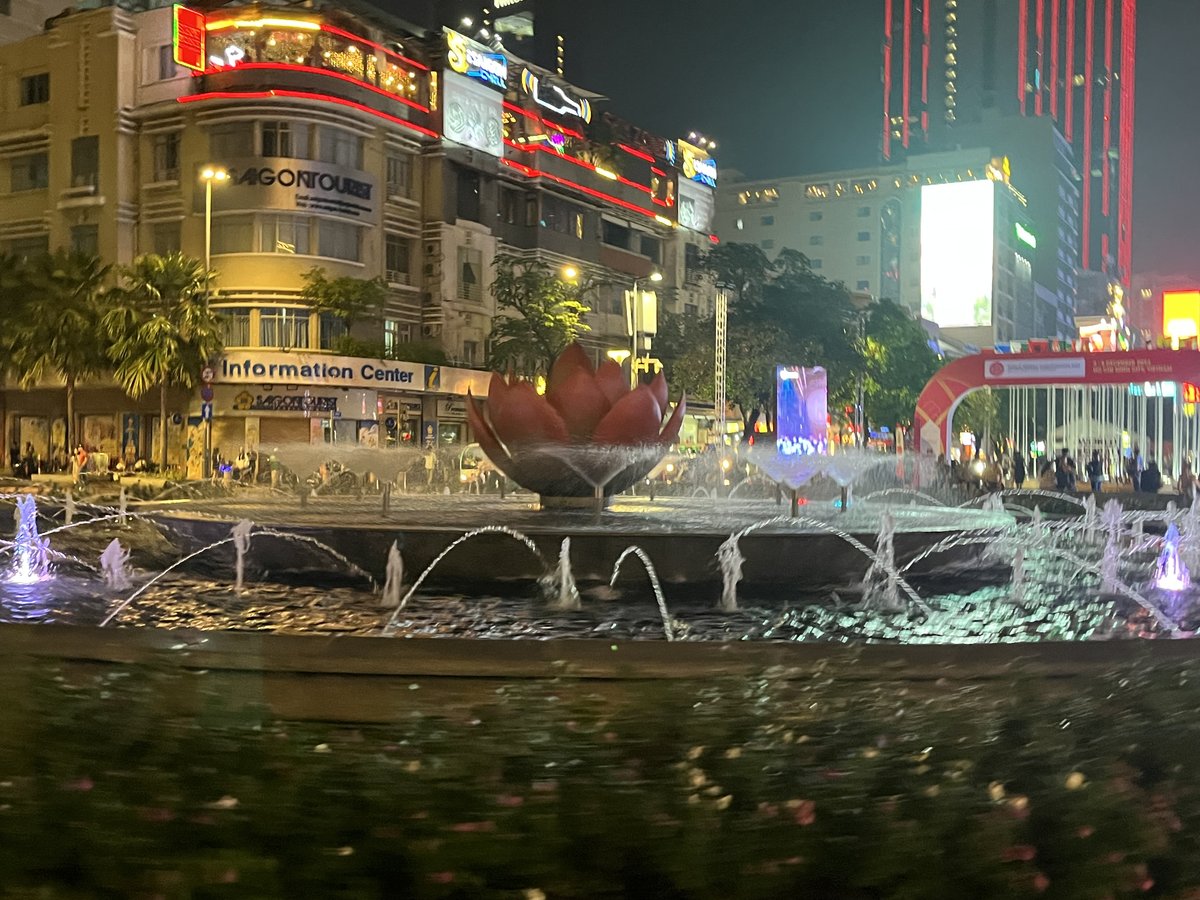
Origins and Early Development
Ba Son Shipyard was founded in the late 18th century by Lord Nguyễn Phúc Ánh (later Emperor Gia Long) as the Chu Sư Naval Workshop. Built with French expertise, it played a vital role in constructing and repairing warships that unified Vietnam under the Nguyễn dynasty by 1802. By the 19th century, the shipyard was recognized as an essential naval facility, laying the groundwork for future expansions.
French Colonial Expansion
After the French conquered Saigon in 1859, Ba Son Shipyard became the “Arsenal de Saigon.” Dramatic expansions in the late 19th and early 20th centuries transformed it into Indochina’s largest shipyard, complete with dry docks and workshops. The shipyard not only served French naval needs but also became a center for labor movements and industrial modernization (Saigon Naval Shipyard - Wikipedia).
Wartime Transformations
During World War II and the subsequent First Indochina War, the shipyard was damaged but rebuilt. Following the French departure in 1954, it served as a strategic base for the Republic of Vietnam (South Vietnam) Navy, bolstered by US aid and expertise. During the Vietnam War, Ba Son Shipyard was vital for repairing naval vessels and supporting military logistics (Naval War Vietnam 1950-1970 - US Naval Institute Proceedings).
Post-1975 and Modern Era
After reunification in 1975, the shipyard was nationalized and used by the Vietnamese People’s Navy. While much of its industrial activity has since moved to other provinces, the original site retains preserved dry docks and historic warehouses, now part of the Ba Son Riverside Complex (Doc Mot Hoi Lich Su Sai Gon Thanh Pho Ho Chi Minh - Vietnam Official Tourism).
Cultural and Symbolic Importance
Ba Son Shipyard symbolizes Vietnam’s adaptability and resilience through war, colonialism, and modernization. Its location on the Saigon River highlights the city’s historical role as a trading port and naval stronghold. The site is also linked to pivotal national events, such as the 1911 departure of Nguyen Tat Thanh (later Ho Chi Minh) from nearby Nha Rong Wharf, marking the future leader’s journey towards Vietnamese independence (Doc Mot Hoi Lich Su Sai Gon Thanh Pho Ho Chi Minh - Vietnam Official Tourism).
Today, the shipyard area represents the city’s fusion of heritage and modernity—contrasting preserved colonial-era structures with newly developed urban spaces and the dynamic skyline (Why is Ho Chi Minh City so famous? - Go Travel Tipster).
Visitor Information
Location
Ba Son Shipyard lies along the Saigon River, adjacent to District 1. The Ba Son Riverside Complex can be easily accessed from central city landmarks and the Bach Dang Wharf (Ho Chi Minh City Attractions: Location, Opening Hours & Admission Fee - Scooter Saigon Tour).
Visiting Hours
- Ba Son Riverside Promenade and Heritage Displays Open daily, 5:00 AM–10:00 PM. These outdoor, public areas are free of charge.
- Private/Restricted Areas Access to operational shipyard sections remains prohibited; photography is not allowed.
- Special Tours and Events Guided tours and special exhibitions are sometimes available (especially during festivals or commemorative events). Hours and ticket prices vary; advance booking is recommended.
Tickets
- Public Promenade & Outdoor Heritage Displays Free.
- Special Tours/Exhibitions Typically 50,000–100,000 VND (about $2–$4 USD); check current details with local visitor centers or tour operators.
Accessibility
- Promenade & Public Spaces Paved, wheelchair-friendly walkways.
- Historic Structures Some preserved dry docks and warehouses may have limited access due to age.
- Guided Tours Notify your tour provider of any mobility needs in advance.
Entry Requirements and Security
- Identification Bring a passport or national ID.
- Security Respect all signage and restrictions. Photography is only permitted in authorized public areas.
Nearby Attractions
Combine your Ba Son Shipyard visit with these highlights:
- Nha Rong Wharf (Ho Chi Minh Museum) Explores revolutionary history and maritime heritage.
- Ton Duc Thang Park Scenic riverside park for relaxation and photography.
- Central Post Office, Notre-Dame Cathedral, People’s Committee Building Iconic French colonial architecture.
- Ben Thanh Market A hub for shopping and local cuisine.
- Saigon River Cruises Enjoy panoramic views and city lights (Best Things to Do in Ho Chi Minh City - The Planet D).
Practical Tips
- Best Time to Visit Dry season (Dec–Apr) for comfortable weather and clear skies (Ho Chi Minh Itinerary - Where Tara Went).
- Clothing Lightweight, modest attire; closed-toe shoes recommended.
- Sun Protection Bring sunscreen, sunglasses, and a hat.
- Transport Taxi, ride-hailing apps, or public buses. The upcoming Ba Son Metro Station will further improve access.
- Facilities Limited onsite; use nearby cafes or hotels for restrooms and refreshments.
- Safety Stay in public areas, heed all safety instructions, and remain alert on uneven paths.
- Photography Permitted in public zones; restricted elsewhere.
Frequently Asked Questions (FAQ)
Q: What are the visiting hours for the Ba Son Shipyard area?
A: Public riverside promenade and heritage displays are open daily from 5:00 AM to 10:00 PM.
Q: Is there an admission fee?
A: Outdoor public areas are free. Tickets may be required for special tours or exhibitions.
Q: Are guided tours available?
A: Yes, but they are occasional and often require advance booking, especially during festivals.
Q: Is the area accessible for visitors with disabilities?
A: The promenade is accessible, but some historic structures may not be.
Q: How do I get there?
A: By taxi, bus, ride-hailing app, or river taxi from Bach Dang Wharf.
Q: Can I take photographs?
A: Yes, in public outdoor areas; not permitted in restricted or operational shipyard zones.