
Introduction to Ho Chi Minh City University of Science
Located primarily at 227 Nguyen Van Cu Street, District 5, and 268 Ly Thuong Kiet Street, District 10, HCMUS offers a fascinating glimpse into Vietnam's academic heritage and architectural evolution. The campuses feature a harmonious blend of historic French colonial structures and sleek modern buildings set amid lush gardens and green spaces, making the university a unique destination for both education and cultural exploration.
Visiting Hours and Admission
- Main Campus (District 5) Open Monday to Saturday, 8:00 AM – 5:00 PM.
- District 10 Campus Open daily, 7:00 AM – 9:00 PM.
- University Monument Open daily, 7:00 AM – 7:00 PM.
Note: The campus may be closed on national holidays—please check the HCMUS website for the latest updates.
Admission:
Entry to both campuses and the University Monument is free. While general campus access requires no ticket, certain areas like research labs or lecture halls may be restricted; arrange permission in advance if needed.
Guided Tours and Special Events
HCMUS offers guided tours in English through its Office for International Study Programs. These tours showcase key academic, historical, and architectural features of the campus and are available free of charge with prior registration (HCMUS Exchange Program).
The university also hosts annual events such as science fairs, public lectures, and cultural festivals, many of which are open to visitors. Check the HCMUS event calendar for upcoming activities.
Campus Highlights and Attractions
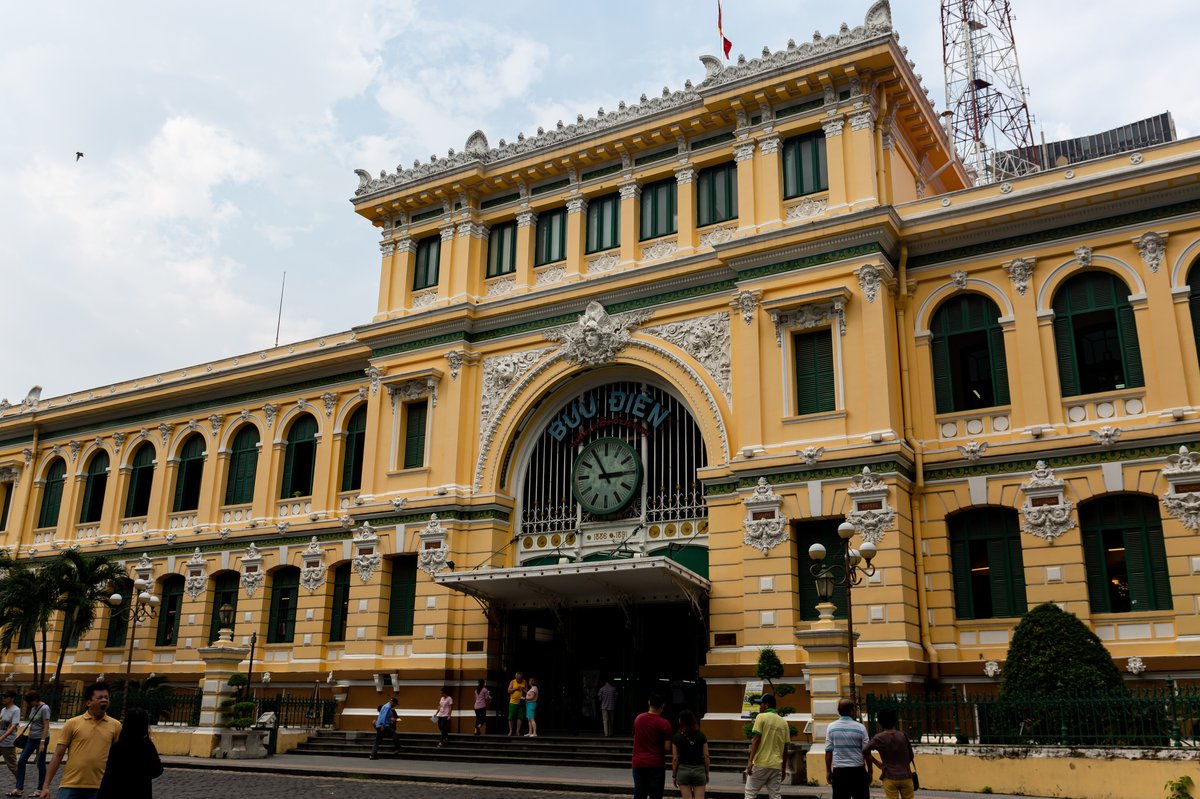
- Architectural Features A striking combination of French colonial and modern Vietnamese design, ideal for photography and architectural enthusiasts.
- Science Museum & Exhibits Periodic exhibitions highlight student projects, scientific achievements, and research activities.
- Green Spaces Peaceful gardens and courtyards offer serene spots for relaxation and reflection.
- Student Life Engage with a vibrant student community participating in academic, cultural, and scientific clubs.
- Dining Options On-campus cafeterias and nearby street food vendors offer a taste of local cuisine.
Accessibility and Visitor Amenities
- Transport Easily accessible via taxi, ride-hailing apps, and public buses. Limited parking is available for private vehicles.
- Accessibility Most buildings are equipped with ramps and elevators. Visitors with special needs should contact the university in advance for assistance.
- Connectivity Free Wi-Fi is provided across campus. Local SIM cards are available nearby for mobile data.
- Safety The campuses are monitored by security staff; theft is rare but remain vigilant in crowded areas.
Nearby Historical and Cultural Attractions
- Cholon (Chinatown) A bustling district known for its historic temples and vibrant markets.
- War Remnants Museum Offers deep insights into Vietnam’s modern history.
- Ben Thanh Market Iconic for shopping and sampling local delicacies.
- Notre-Dame Cathedral Basilica of Saigon A masterpiece of French colonial architecture.
- Reunification Palace A significant political and historical landmark.
These sites are all easily accessible from HCMUS, making the university an excellent starting point for exploring Ho Chi Minh City’s cultural heritage.
Practical Visitor Tips
- Dress Wear modest and comfortable attire, suitable for the tropical climate and respectful of academic settings.
- Etiquette Use respectful titles (“Thầy” for male teachers, “Cô” for female teachers), and remove shoes where required.
- Photography Permitted in public areas; always ask before entering restricted zones or photographing individuals.
- Language English is widely spoken among staff; basic Vietnamese phrases are appreciated.
- Safety Follow campus regulations and local customs for a smooth visit.
Frequently Asked Questions (FAQ)
Q: Is there an entrance fee?
A: No, campus and monument access is free.
Q: What are the general visiting hours?
A: Main campus is open Monday–Saturday, 8:00 AM–5:00 PM; District 10 campus is open daily, 7:00 AM–9:00 PM; Monument is open daily, 7:00 AM–7:00 PM.
Q: Are guided tours available?
A: Yes, book free tours via the Office for International Study Programs (link).
Q: Are there dining options on campus?
A: Yes, cafeterias and nearby eateries serve a variety of local dishes.
Q: Is the campus accessible for visitors with disabilities?
A: Most areas are accessible; contact the international office for support.
Visuals and Interactive Elements
Explore photo galleries and virtual campus tours on the HCMUS official website. Suggested visual highlights include the main building façade at sunset, green courtyards, and student activities.