


Early Origins and Colonial Foundations
Tan Son Nhat’s story began in the 1920s, when the French colonial government established Tân Sơn Nhứt Airfield near Saigon. Initially a basic airstrip, it marked a milestone in 1933 with Vietnam’s first international flight from Paris to Saigon—an 18-day journey at the time (Wikipedia; tansonnhatairport.vn).
Expansion and Role During the Vietnam War
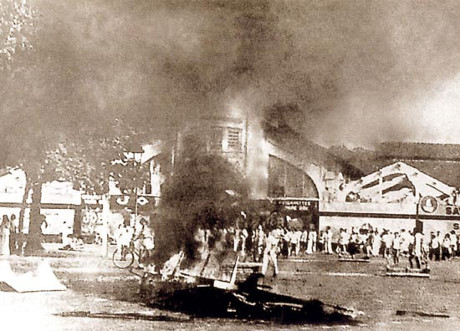
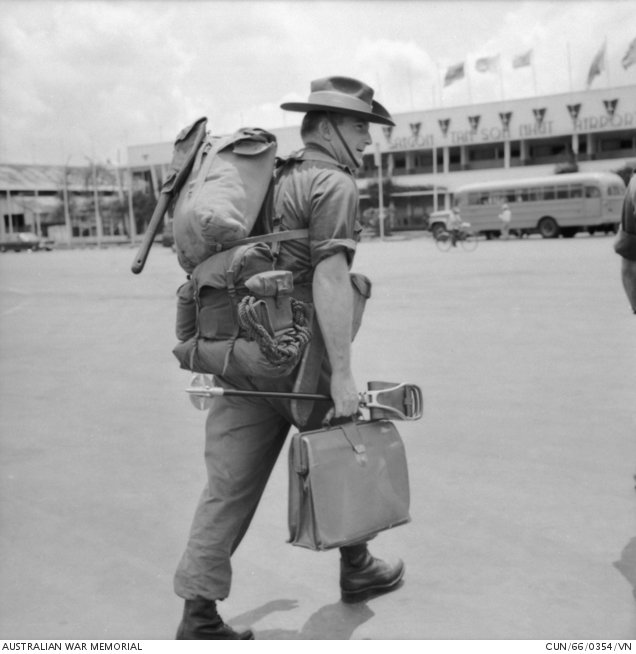
Post-World War II, the airport underwent rapid expansion. By 1956, with significant U.S. support, Tan Son Nhut was transformed into South Vietnam’s primary gateway, featuring modern runways and facilities (Wikiwand). During the 1960s and early 1970s, it became one of the world’s busiest airports, serving vast military and civilian traffic and playing a pivotal role during the Vietnam War, including the Tet Offensive and the final evacuation in 1975 (Saigoneer).
Civilian Transition and Modernization
After reunification in 1975, Tan Son Nhat transitioned from a military airbase to a civilian airport, symbolizing Vietnam’s path toward peace and international integration (tansonnhatairport.vn). Throughout the 1980s and 1990s, the airport’s commercial role expanded, mirroring Vietnam’s economic opening (thetravelerbd.com). Major upgrades followed, including the launch of the international terminal (Terminal 2) in 2007 (tansonnhatairport.vn), expansion of the domestic terminal, and increased aircraft parking capacity.
Terminal 3 and Future Expansion
To address chronic congestion, Terminal 3—set to open in 2025—will add capacity for 20 million more passengers annually, boosting overall capacity to about 50 million (VietnamNet; airport-technology.com). The airport’s central urban location presents challenges for expansion, prompting the development of Long Thanh International Airport (opening 2026) to share the growing air traffic (vietnamchik.com).
Regional and Global Significance
Tan Son Nhat is Southeast Asia’s fourth-busiest airport and ranks among the top 50 worldwide, handling nearly two-thirds of Vietnam’s international traffic as of 2023 (Wikipedia). Its IATA code, SGN, recalls the city’s former name, Saigon (Uncover Vietnam). The airport connects Ho Chi Minh City with major global destinations via over 40 international airlines (tansonnhatairport.vn).
Essential Visitor Information
Hours and Ticketing
- Operating hours 24/7. Airline counters and shops typically operate 5:00 AM–11:00 PM.
- Ticket purchase Online via airline websites, travel agencies, or at airport counters (T1 for domestic, T2 for international). Advance booking is recommended, especially during peak seasons.
Check-in and Procedures
- Online check-in Available up to 24 hours before departure.
- In-person check-in Counters open ~3 hours before international flights, closing 45 minutes prior; domestic flights open 2 hours before, closing 30 minutes before.
- Documents Passport, visa (if needed), and booking confirmation.
Transportation Options
- Taxis Reputable metered taxis (Vinasun, Mai Linh) are available outside both terminals.
- Ride-hailing Apps like Grab and Be, with designated pick-up points.
- Shuttle buses Connect the airport to central Ho Chi Minh City, including Ben Thanh Market and District 1.
- Public buses Several city routes serve the airport, offering budget-friendly travel.
- Car rentals Available at both terminals.
Accessibility
Tan Son Nhat provides wheelchair assistance, accessible restrooms, priority boarding, and designated parking. Notify your airline in advance for tailored support (evisagov.vn).
Shopping, Dining, and Amenities
- Shops and duty-free Wide range of local and international brands, souvenirs, and duty-free goods.
- Dining Vietnamese and international cuisine, including pho and chocolate treats.
- Lounges Airline and independent lounges with Wi-Fi, refreshments, and business services.
- Hotels Several options near the airport for transit passengers or early flights.
Key Travel Tips
- Arrive early 2 hours for domestic, 3 hours for international flights, especially during Tet and holidays.
- Currency exchange Convert some cash at the airport; better rates are often found downtown.
- Wi-Fi Free throughout, but speeds may vary.
- Luggage Check weight limits and customs rules.
- Safety Use official taxis and be mindful of your belongings.
Nearby Attractions
Many travelers use Tan Son Nhat as a gateway to Ho Chi Minh City’s top sites:
- War Remnants Museum Insight into Vietnam’s modern history.
- Notre-Dame Cathedral Basilica Iconic French colonial architecture.
- Ben Thanh Market Local crafts, street food, and souvenirs.
The airport’s proximity to District 1 makes it easy to reach these attractions by taxi, bus, or ride-hailing service.
Frequently Asked Questions (FAQ)
Q: What are the airport hours?
A: Tan Son Nhat operates 24/7, but service hours for counters and shops are generally 5:00 AM–11:00 PM.
Q: Where can I buy tickets?
A: Online, through agencies, or at airport counters in Terminals 1 and 2.
Q: How do I reach the city center?
A: By metered taxi, Grab, shuttle, or public bus.
Q: Is the airport accessible?
A: Yes, with comprehensive facilities and assistance for passengers with disabilities.
Q: Are there luggage storage services?
A: Yes, short-term lockers and luggage storage are available in both terminals.
Q: Is Wi-Fi available?
A: Free Wi-Fi is provided throughout the airport.
Key Milestones
- 1933 First international flight (Paris–Saigon) (tansonnhatairport.vn)
- 1956 Major runway expansion; main gateway for South Vietnam (Wikiwand)
- 1968–1975 Among the world's busiest during the Vietnam War (Saigoneer)
- 1975 Transition to civilian use (tansonnhatairport.vn)
- 2007 Opening of Terminal 2 (tansonnhatairport.vn)
- 2014 Domestic terminal expansion (Wikipedia)
- 2017 Addition of 21 new aircraft parking spaces (Wikipedia)
- 2025 Terminal 3 scheduled opening (VietnamNet)
Economic and Strategic Impact
Tan Son Nhat is a major economic engine for the region, supporting trade, tourism, and employment (trade.gov). It is integral to Vietnam’s National Aviation Masterplan and continues to innovate with digital services and sustainability initiatives (pwc.com).