Historical Background
Early History and French Colonial Era
Đường Tôn Ðức Thắng, originally known as Rue Paul Blanchy, dates back to the French colonial era. Named after a French colonial administrator, the street was part of Saigon's transformation into a major port city. The French influence is still evident in the preserved colonial-era buildings along the street, marking the beginning of Saigon's urban development (Britannica).
Japanese Occupation and Post-War Period
During World War II, Saigon was occupied by Japanese forces in 1940. The city's administration shifted back to the French after Japanese surrender in 1945, leading to significant political changes and the First Indochina War. Saigon became the capital of South Vietnam in 1954, further enriching its cultural and political landscape (Britannica).
Vietnam War and Reunification
Saigon was the U.S. military headquarters during the Vietnam War and experienced significant events like the Tet Offensive in 1968. The city was captured by North Vietnamese troops on April 30, 1975, leading to the reunification of Vietnam and its renaming to Ho Chi Minh City (Britannica).
Post-Reunification Era
Under communist control, Ho Chi Minh City saw major changes, including nationalization of commercial enterprises. However, the city retained much of its colonial-era architecture, with Đường Tôn Ðức Thắng remaining a significant thoroughfare (Britannica).
Modern Developments
In recent years, Đường Tôn Ðức Thắng has become a luxurious area, home to high-end hotels and gourmet restaurants with scenic views of the Saigon River. It serves as a gateway to attractions like Nguyen Hue Walking Street (iTourVN).
Cultural Significance
Đường Tôn Ðức Thắng is a cultural landmark reflecting Ho Chi Minh City's journey from a French colonial port to a modern metropolis. The blend of colonial architecture and modern developments symbolizes the city's resilience and adaptability (Nomadic Matt).
Visitor Information
Visiting Hours
Đường Tôn Ðức Thắng is accessible 24/7, but it's best to visit during daylight hours to fully appreciate its historical and architectural beauty.
Ticket Prices
There is no entrance fee to walk along Đường Tôn Ðức Thắng. However, specific attractions along the street may have their own ticket prices.
Guided Tours
Several guided tours are available that include Đường Tôn Ðức Thắng as part of their itinerary. These tours often provide deeper insights into the street's historical significance.
Accessibility
The street is accessible via public transportation, including buses and taxis. It is also pedestrian-friendly, making it easy to explore on foot or by bicycle.
Visitor Tips
- Best Time to Visit - The dry season from December to April is ideal for visiting. Even during the rainy season, plenty of indoor activities are available (Local Vietnam).
- Safety - Ho Chi Minh City is generally safe, but be cautious of petty crimes like pickpocketing in crowded areas (Nomadic Matt).
- Transportation - Utilize public transportation or rent a bicycle for a more local experience (Nomadic Matt).
- Local Cuisine - Enjoy local and international cuisines at the gourmet restaurants along Đường Tôn Ðức Thắng (iTourVN).
- Cultural Etiquette - Dress modestly and respect local customs when visiting historical sites and religious landmarks (Nomadic Matt).
Key Attractions
Saigon River
One of the most striking features of Đường Tôn Ðức Thắng is its proximity to the Saigon River. The boulevard runs along the west bank of the river, offering picturesque views and a serene atmosphere. Visitors can enjoy a leisurely stroll along the riverbank, which is particularly beautiful during sunrise and sunset. The river also provides opportunities for river cruises, allowing tourists to see the city from a different perspective.
Visiting Hours: Open 24/7
Tickets: Free
Ba Son Shipyard
Located at the northern end of Đường Tôn Ðức Thắng, the Ba Son Shipyard is a site of historical and industrial significance. Established during the French colonial era, the shipyard played a crucial role in the maritime industry of Vietnam. Although much of the original shipyard has been redeveloped into modern commercial and residential spaces, its historical importance remains a point of interest for visitors.
Visiting Hours: Varies by site
Tickets: Free
Mê Linh Square
Mê Linh Square, situated along Đường Tôn Ðức Thắng, is a bustling public space that serves as a hub for both locals and tourists. The square is home to a statue of Trần Hưng Đạo, a revered Vietnamese military leader. The area around Mê Linh Square is vibrant, with numerous cafes, restaurants, and shops, making it an ideal spot for people-watching and soaking in the local culture.
Visiting Hours: Open 24/7
Tickets: Free
Khánh Hội Bridge
At the southern end of Đường Tôn Ðức Thắng lies the Khánh Hội Bridge, which connects District 1 with District 4. The bridge offers stunning views of the Saigon River and the city skyline. It is a popular spot for photography, especially at night when the city lights reflect off the water. The bridge also provides easy access to other parts of the city, making it a convenient route for exploring Ho Chi Minh City.
Visiting Hours: Open 24/7
Tickets: Free
Bitexco Financial Tower
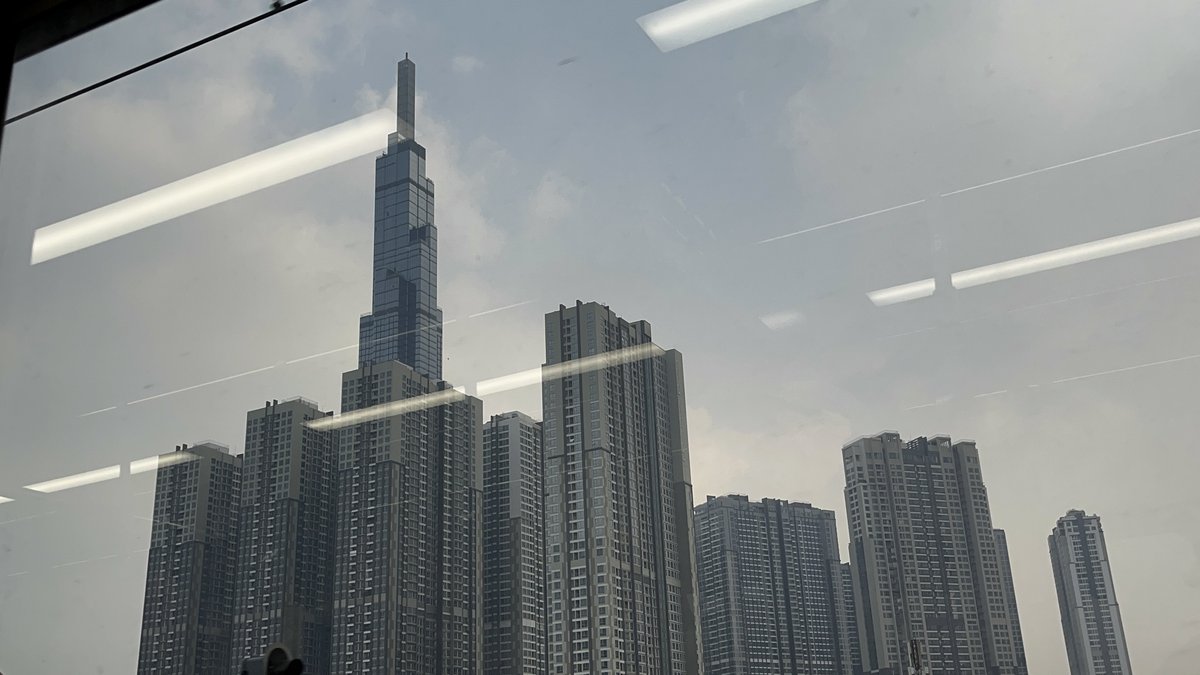
While not directly on Đường Tôn Ðức Thắng, the Bitexco Financial Tower is a short walk away and is one of the most iconic landmarks in Ho Chi Minh City. Standing at 262.5 meters, it offers panoramic views of the city from its Sky Deck. The tower is a symbol of the city's rapid development and modern aspirations, blending seamlessly with the historical elements of the surrounding area.
Visiting Hours: 9:30 AM - 9:30 PM
Tickets: VND 200,000 for Sky Deck
Nguyen Hue Walking Street
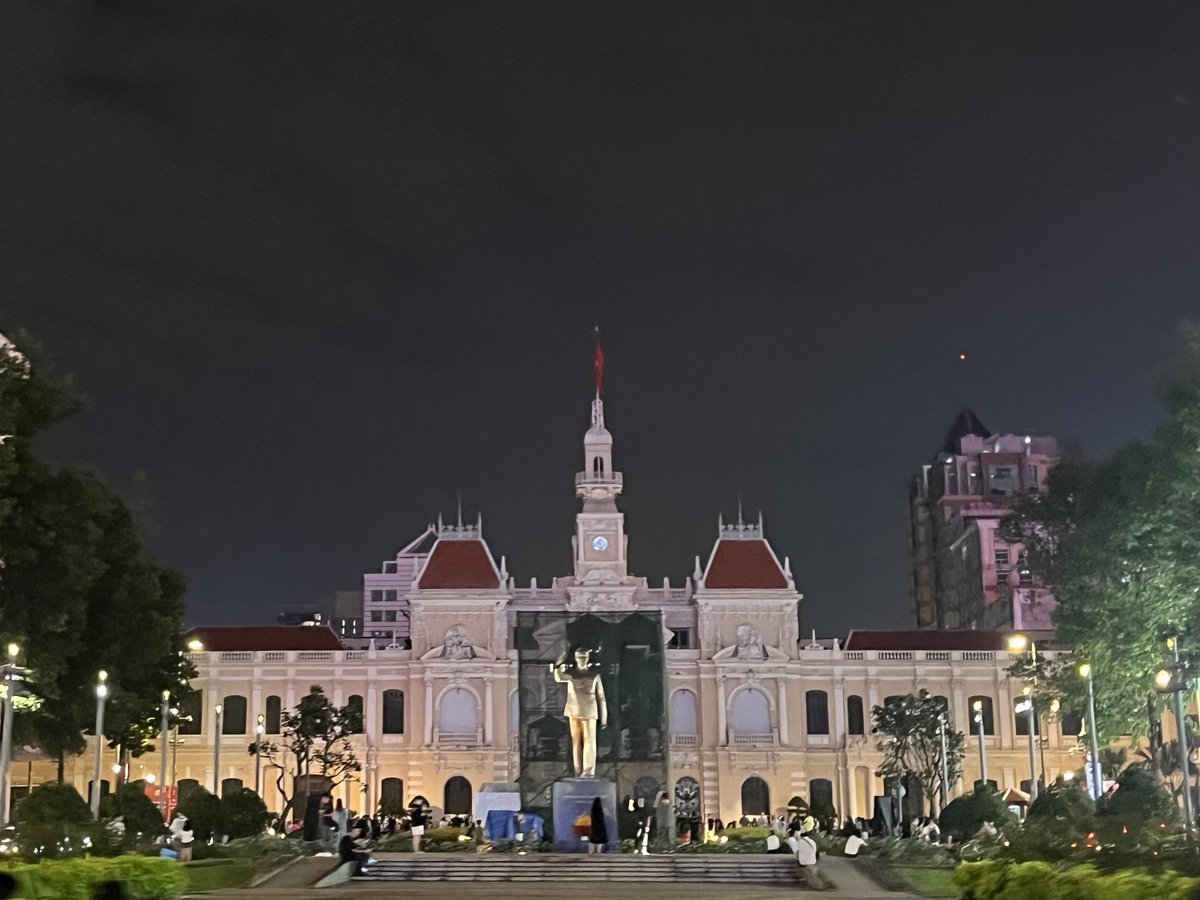
Nguyen Hue Walking Street intersects with Đường Tôn Ðức Thắng and is a must-visit for anyone exploring the area. This pedestrian-only street is vibrant and lively, especially at night when it comes alive with street performers, food vendors, and locals enjoying the evening. The street stretches from the Saigon River to the Ho Chi Minh City Hall, offering a mix of historical and modern attractions.
Visiting Hours: Open 24/7
Tickets: Free
Saigon Opera House
Located a short distance from Đường Tôn Ðức Thắng, the Saigon Opera House is an architectural gem that showcases French colonial design. Built in 1897, the opera house hosts a variety of performances, including traditional Vietnamese music and contemporary shows. It is a cultural landmark that offers a glimpse into the artistic heritage of the city.
Visiting Hours: Performance times vary
Tickets: Varies by performance
War Remnants Museum
Another significant attraction near Đường Tôn Ðức Thắng is the War Remnants Museum. This museum provides a sobering look at the Vietnam War through a collection of photographs, artifacts, and military equipment. It is an essential visit for those interested in understanding the historical context and impact of the war on Vietnam.
Visiting Hours: 7:30 AM - 6:00 PM
Tickets: VND 40,000
FAQ
Q: What are the best visiting hours for Đường Tôn Ðức Thắng?
A: The street is accessible 24/7, but it's best to visit during daylight hours.
Q: Are there any ticket prices for visiting Đường Tôn Ðức Thắng?
A: Walking along the street is free, but specific attractions may have their own ticket prices.
Q: How can I access Đường Tôn Ðức Thắng?
A: The street is easily accessible via public transportation, including buses and taxis.