Origins and French Colonial Era
Lê Lợi Boulevard originated in the mid-19th century, following the French conquest of Saigon. Initially constructed as a canal to drain swampy land, it was soon filled in and developed as Rue Bonard, named after Admiral Bonard. The street became a symbol of French urban planning, connecting the early Saigon settlement with administrative and commercial centers. By the late 19th and early 20th centuries, Rue Bonard boasted grand colonial buildings, including the Bank of Indochina and the Municipal Theatre (Wikipedia, Saigon-Vietnam.fr).
Transition to Vietnamese Identity
After 1954, as French colonial rule ended, the boulevard was renamed Lê Lợi Boulevard to honor Emperor Lê Lợi, a national hero of Vietnamese resistance. During the Republic of Vietnam era, it emerged as a commercial and social hub, often likened to "Vietnam’s Times Square," bustling with neon lights, shops, and cafés (Saigoneer, Facts and Details).
War, Reunification, and Modernization
During the Vietnam War, Lê Lợi Boulevard was frequented by both locals and foreign soldiers, serving as a center for nightlife and significant civic events. The fall of Saigon in 1975 marked a new chapter, as the boulevard became a focal point for national celebrations, including the notable Reunification Day parade (Indochina Charm Travel). Modernization efforts, such as the opening of Metro Line 1 and extensive urban renewal projects, have transformed the boulevard into a pedestrian-friendly and accessible destination, while preserving its historical character (The Saigon Times, A Fun Couple).
Practical Visitor Information
Visiting Hours and Tickets
- Lê Lợi Boulevard Open public street, accessible 24/7, no entry fee.
- Ben Thanh Market 6:00 AM – 6:00 PM, daily. Free entry.
- Saigon Opera House (Municipal Theatre) Open for tours and performances (typically 8:00 AM – 5:00 PM for tours; performance times vary). Tickets required for shows, ranging from 100,000 to 500,000 VND.
- Lam Sơn Park 5:00 AM – 10:00 PM, daily. Free entry.
- Shopping Centers (e.g., Saigon Centre, Takashimaya) Usually 9:00 AM – 10:00 PM.
Check official websites or venue box offices for updates on ticket prices or special event hours.
Accessibility and Transportation
- Metro Metro Line 1 (stations at Bến Thành and Nhà Hát Thành Phố) provides direct access.
- Bus Multiple city bus routes serve District 1.
- Taxi & Ride-hailing Widely available via apps like Grab.
- Pedestrian Access Wide, renovated sidewalks; ramps and elevators at key sites.
- Airport Transfer About 8 km from Tan Son Nhat International Airport; taxi fare is approximately VND 100,000–150,000 (iTour Vietnam).
Best Times to Visit
- Early morning and late afternoon Cooler temperatures, fewer crowds.
- Evenings Lively atmosphere with illuminated landmarks and street performances.
- During major events Vibrant, but expect larger crowds and possible traffic diversions (Tuoi Tre News).
Key Attractions
Ben Thanh Market
- Hours 6:00 AM – 6:00 PM
- Tickets Free entry
A historic market offering over 1,500 stalls of fresh produce, souvenirs, textiles, and street food. It's a must-visit for local cuisine and shopping (Incredible Asia Journeys).
Saigon Opera House (Municipal Theatre)
- Hours Tour visits 8:00 AM – 5:00 PM; performance times vary
- Tickets Required for shows; check official schedule
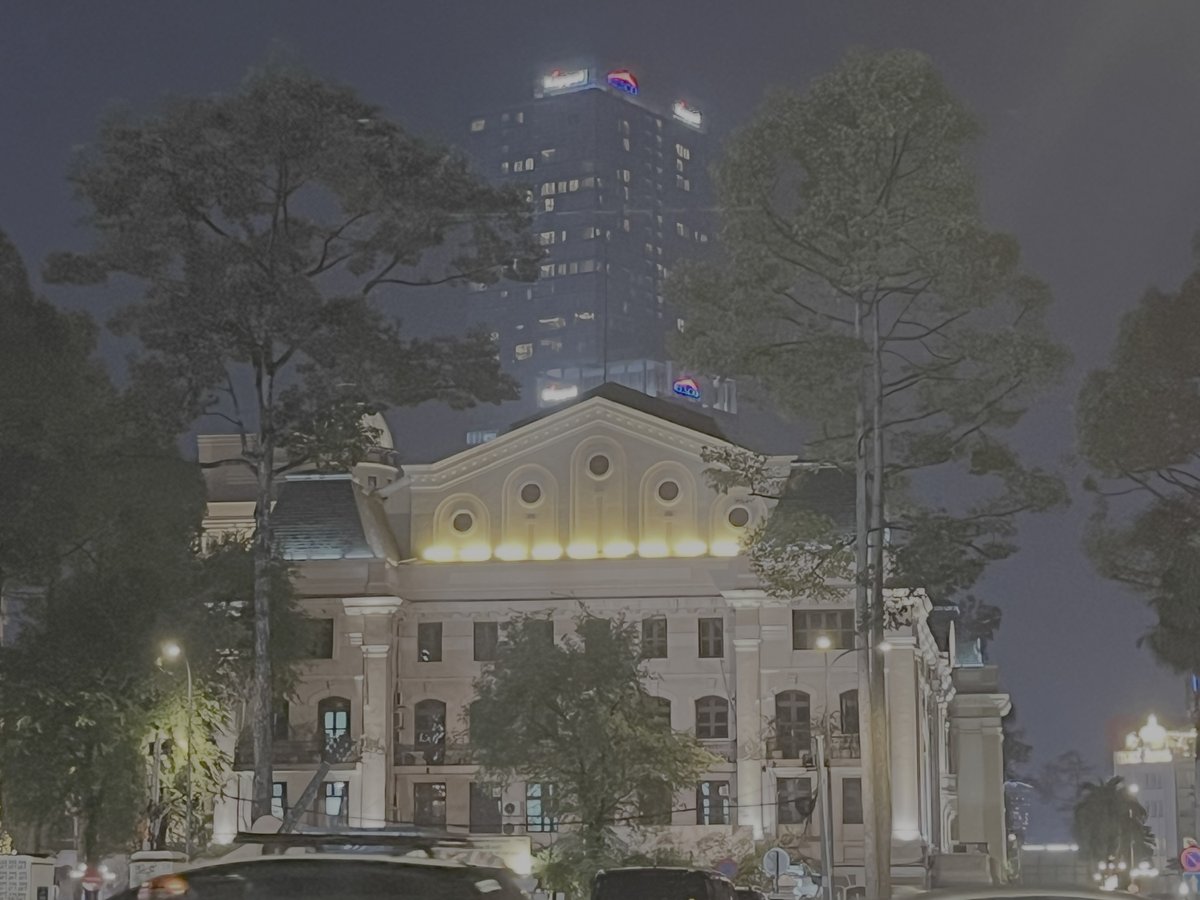
A French colonial Belle Époque masterpiece hosting ballet, symphony, and the renowned A O Show (Trip.com). The illuminated façade offers excellent photo opportunities at night.
Lam Sơn Park
- Hours 5:00 AM – 10:00 PM
- Tickets Free entry
Green space adjacent to the Opera House, ideal for relaxation and people-watching (Wikipedia).
Shopping and Dining
Lê Lợi Boulevard features modern shopping centers like Saigon Centre and Takashimaya, as well as local boutiques and cafés. Notable spots include L’Usine Le Loi and Trung Nguyen Coffee (Scripture Savvy).
Historic Shophouse Rows
Between Phan Bội Châu and Nguyễn Trung Trực streets, admire early 20th-century shophouses blending colonial and local styles (Saigoneer).
Events, Festivals, and Urban Life
Lê Lợi Boulevard plays host to the city’s most important parades, including the annual Reunification Day celebration and Tet (Lunar New Year) floral displays. The boulevard comes alive with public art, light shows, and vibrant street performances during these times (Tuoi Tre News, Trip.com).
Nearby Attractions
Within walking distance, visitors can explore:
- Nguyen Hue Pedestrian Street Pedestrian promenade with street art and performances.
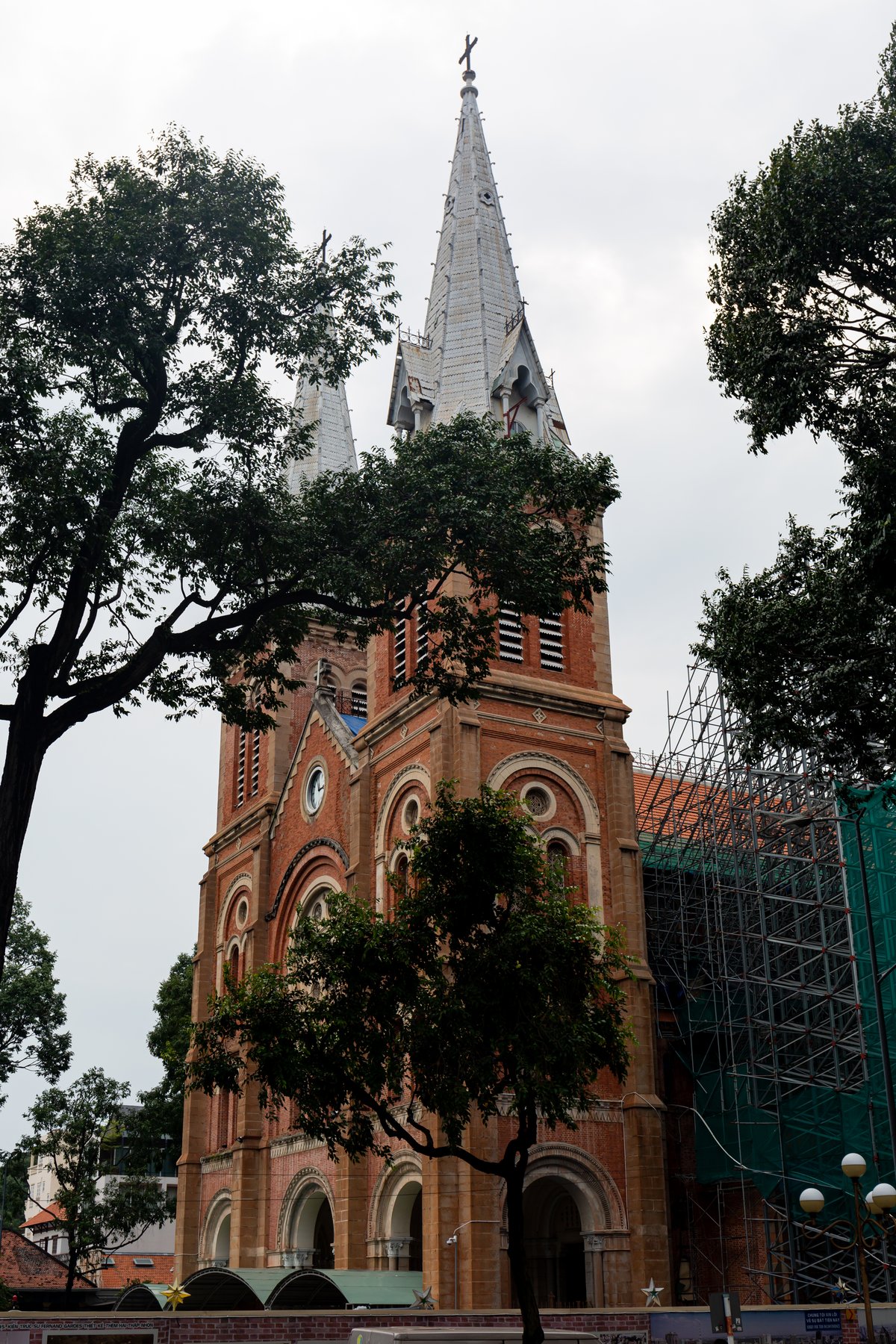
- Saigon Notre-Dame Cathedral Basilica Iconic French Gothic architecture.
- Saigon Central Post Office Historic building with ornate interiors.
- Bui Vien Street Nightlife district with bars and clubs (Thaiest).
Guided Tours and Photography
Many local operators offer guided walking or cycling tours covering Lê Lợi Boulevard’s historic sites, shopping, and culinary highlights. These tours typically last 2–3 hours and provide insight into the boulevard’s transformation (Trip.com).
Best Photographic Spots:
- Saigon Opera House illuminated at night
- Ben Thanh Market entrances
- Historic shophouse facades
- Lam Sơn Park’s greenery
Visitor Tips and FAQs
Tips for Visitors
- Wear light, breathable clothing and comfortable shoes for walking.
- Early visits help avoid crowds and midday heat.
- Carry a raincoat during the wet season (June–August) (Local Vietnam).
- Free Wi-Fi is common in shops and cafés; digital payments are widely accepted (Lonely Planet).
- Exercise caution when crossing streets; traffic can be heavy.
Frequently Asked Questions (FAQ)
Q: Are there entrance fees for Lê Lợi Boulevard?
A: The boulevard itself is free to access; some attractions charge tickets for performances or tours.
Q: What is the best way to reach Lê Lợi Boulevard?
A: By Metro Line 1, taxi, ride-hailing apps, or on foot from nearby hotels and attractions.
Q: Is the area safe for tourists at night?
A: Yes, with good lighting and police presence, but remain aware of your belongings (Mundo Maya Travel).
Q: Are guided tours available?
A: Yes, many walking and themed tours are offered by local providers.
Q: Is Lê Lợi Boulevard wheelchair accessible?
A: Recent renovations have improved accessibility, including ramps and tactile paving.
Q: When is the boulevard most lively?
A: Evenings and during citywide festivals such as Tet and Reunification Day.