
History and Development of Bach Dang Quay
Origins and Early Development
The name "Bach Dang" pays homage to historic Vietnamese victories over Mongol invaders on the Bach Dang River, symbolizing resilience and national pride (Vietreader). The area began as a vital port and trading hub under the Nguyen Dynasty, evolving further during French colonial times into a strategic dock for commerce and naval activity.
Colonial Era Transformations
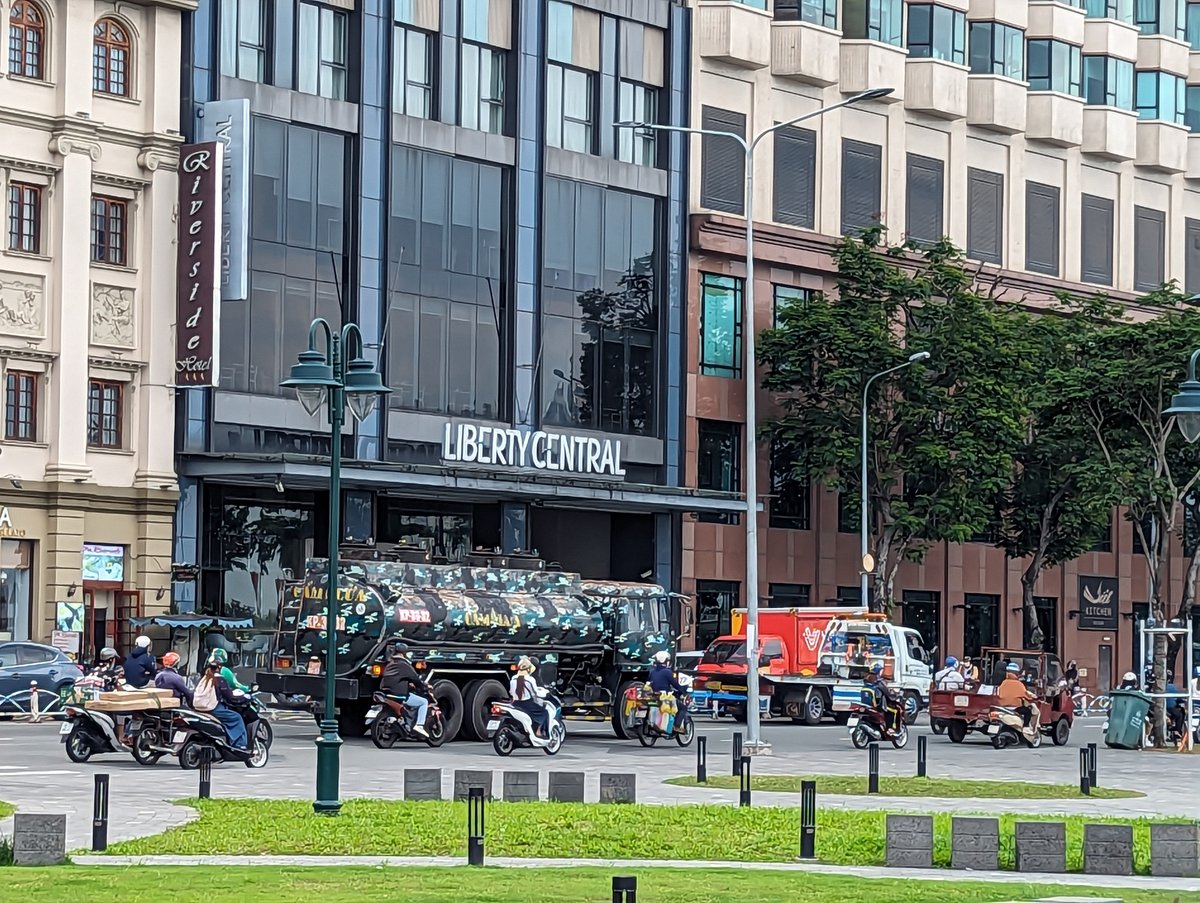
French authorities established the Thu Ngu Flagpole in 1865 as a navigation aid for ships, and the Ba Son Shipyard became a major industrial site. The area’s urban layout and architecture—wide boulevards, tree-lined walkways, and neoclassical buildings—reflect its colonial heritage (Vietreader; Lonely Planet).
Post-Colonial and Modern Evolution
After independence, Bach Dang Quay was reimagined to reflect Vietnamese identity. Notably, Me Linh Square’s colonial statue was replaced by monuments honoring national heroes like the Trung sisters and General Tran Hung Dao. The quay’s role shifted from commercial port to a civic and recreational space, mirroring Ho Chi Minh City’s transformation into a modern metropolis (Vietreader).
Recent Revitalization
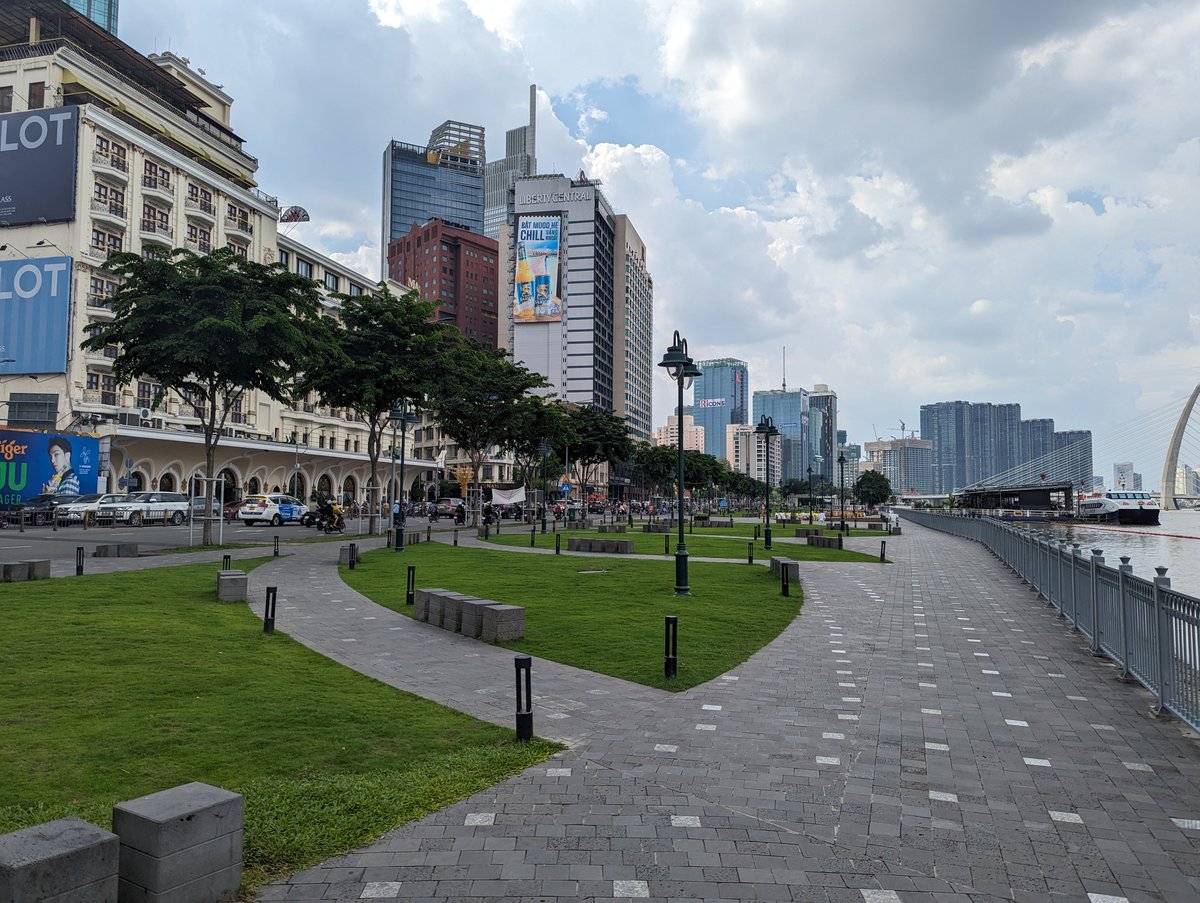
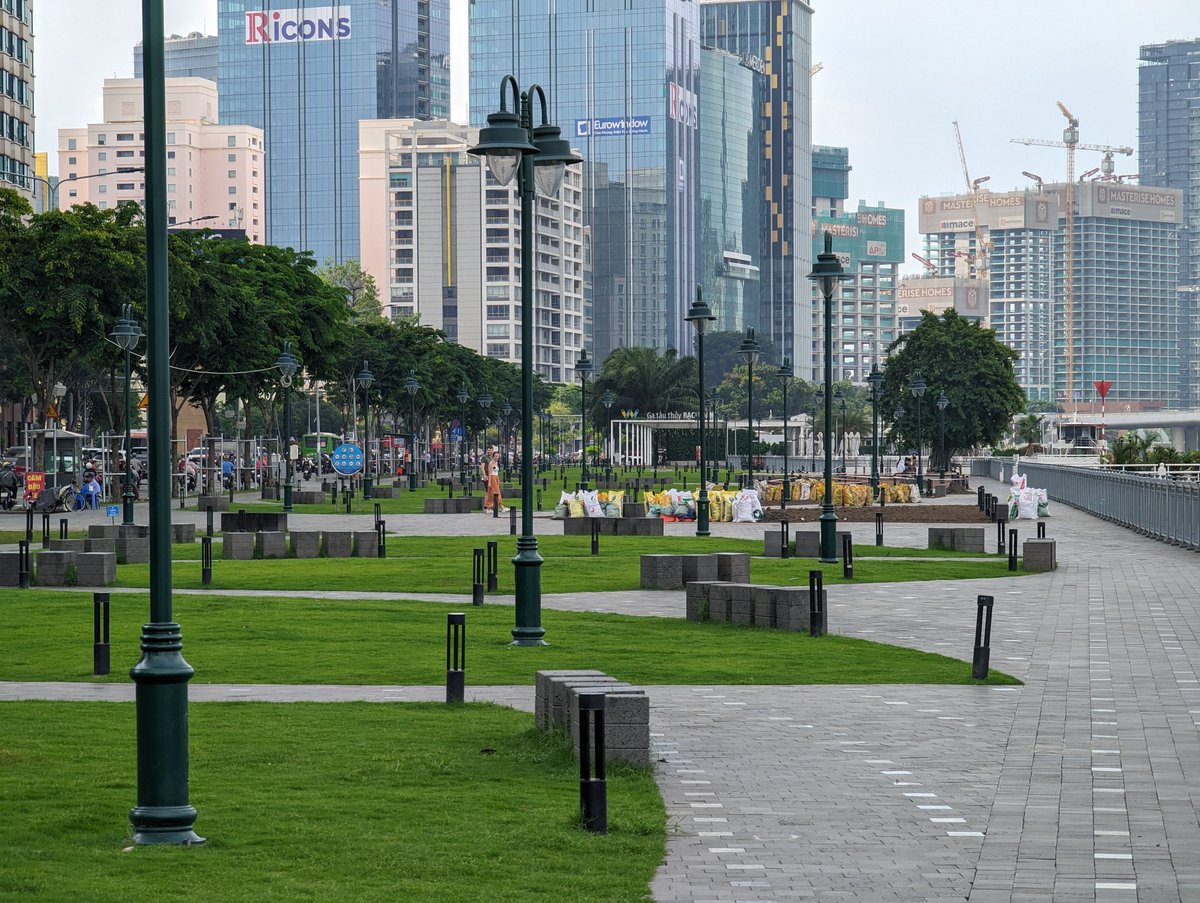
Major renovations, particularly for the city’s 300th anniversary in 1998 and a significant upgrade in 2022, have expanded green spaces, improved accessibility, and added public art and modern infrastructure. The Bach Dang Wharf Park now features lotus-shaped landscaping, eco-friendly amenities, and an inviting riverside environment (VNS Tour; Vietreader).
Architectural and Natural Highlights
Colonial-Era Influences and Urban Layout
Bach Dang Quay’s design is a blend of colonial and modern architecture. Landmarks like the Majestic Hotel (built in 1925) and the Customs House showcase neoclassical elements, while new developments harmoniously integrate with historical features (VietnamOnline).
Urban Green Spaces and Landscaping
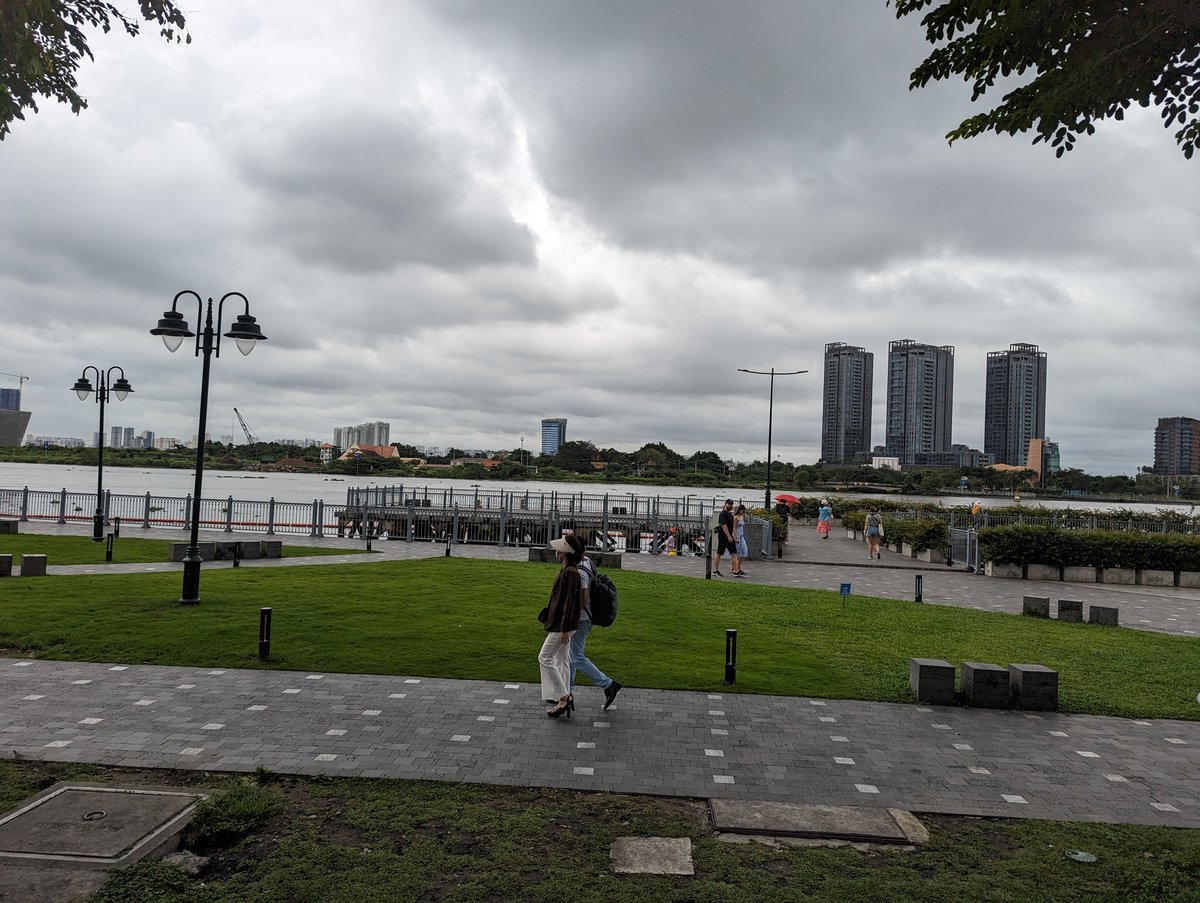
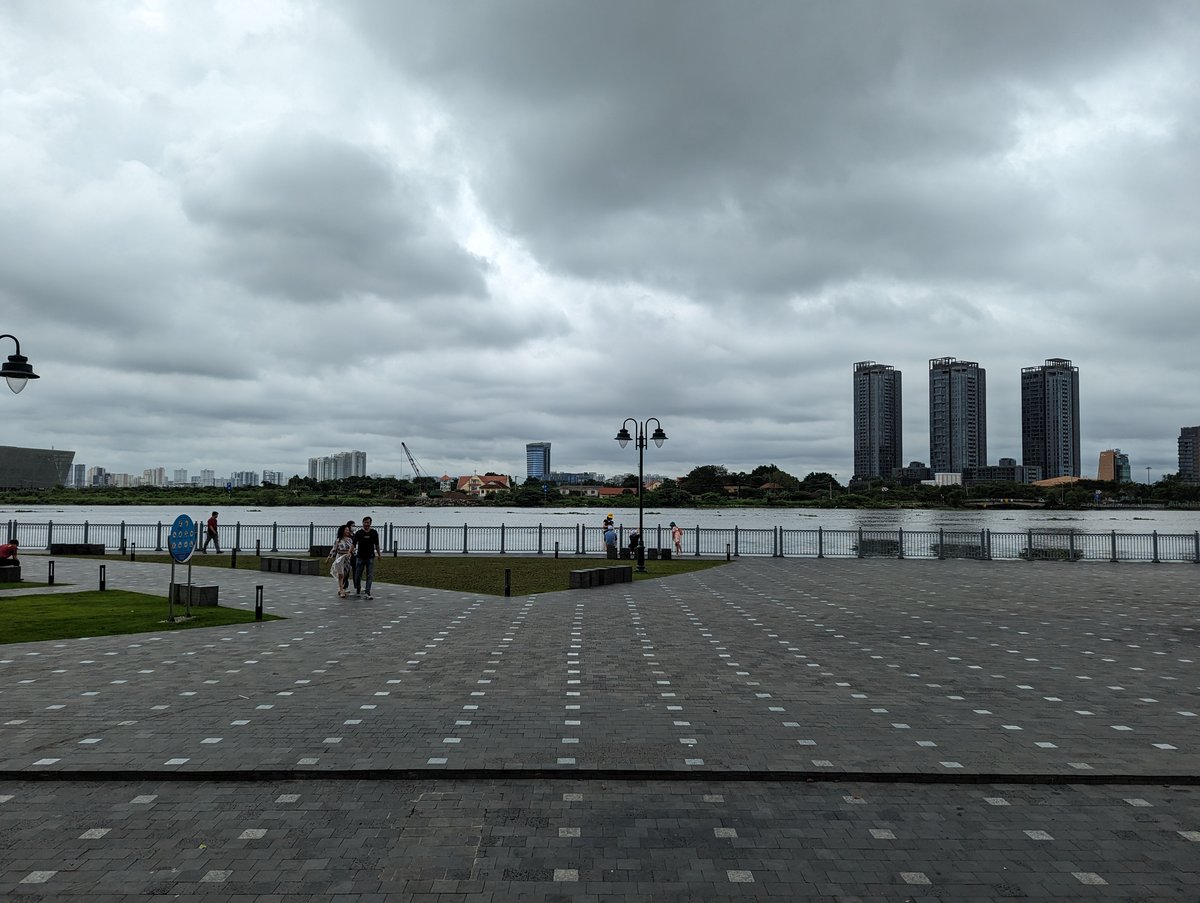
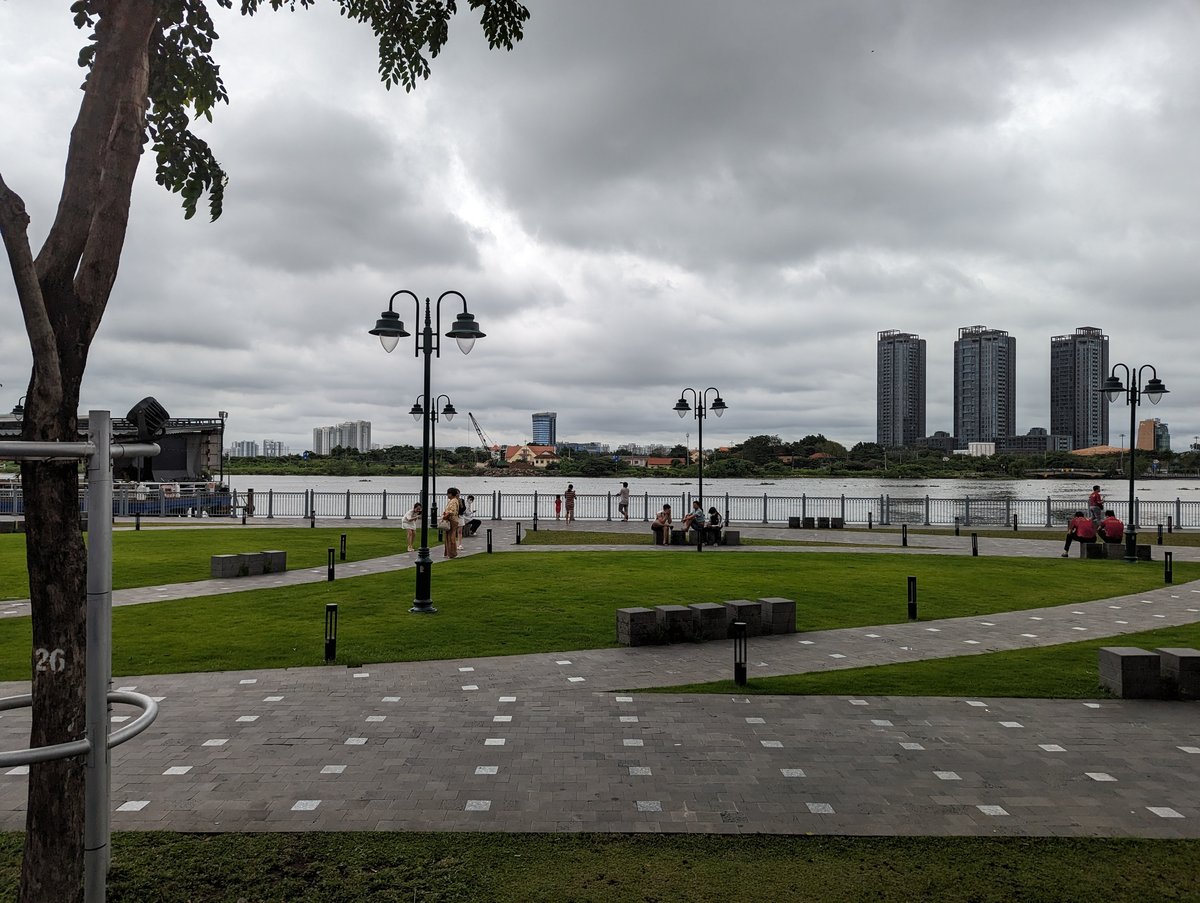
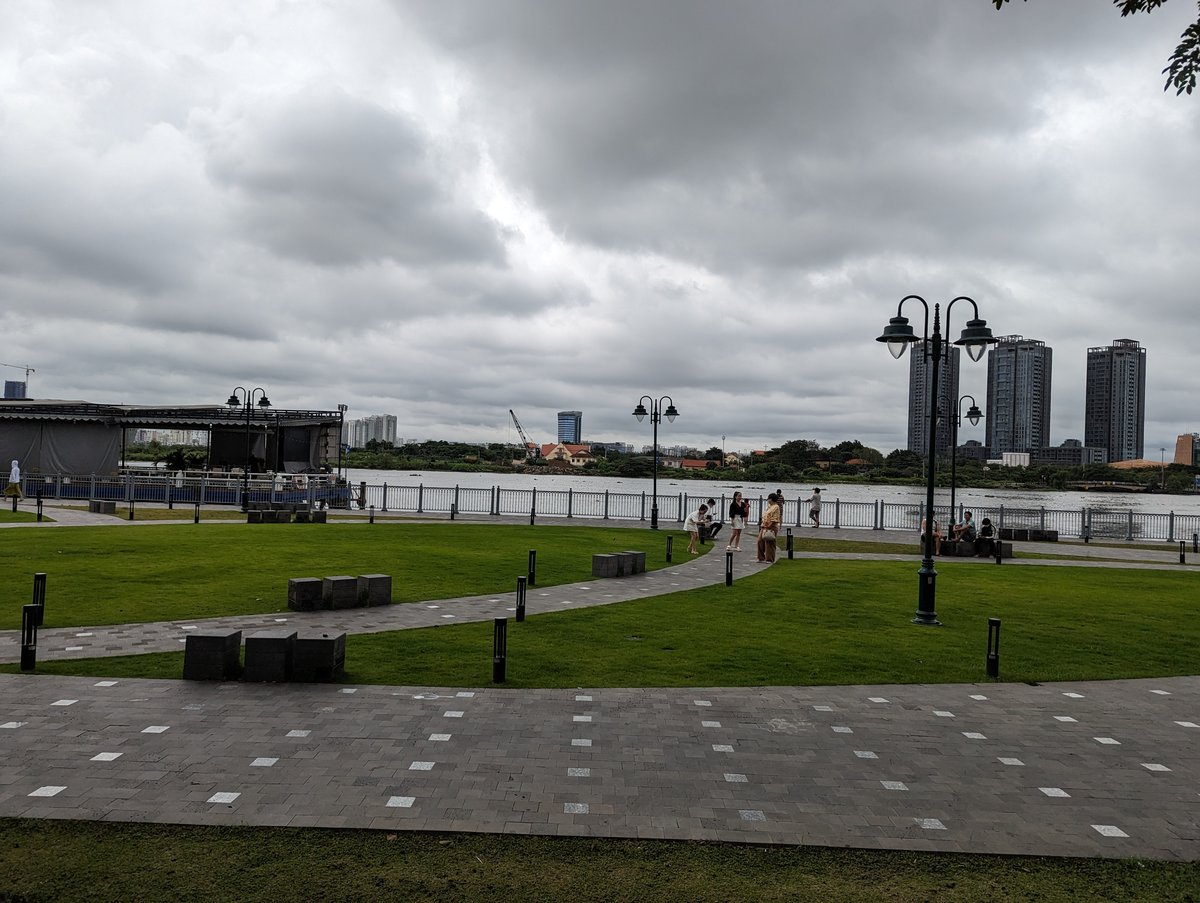
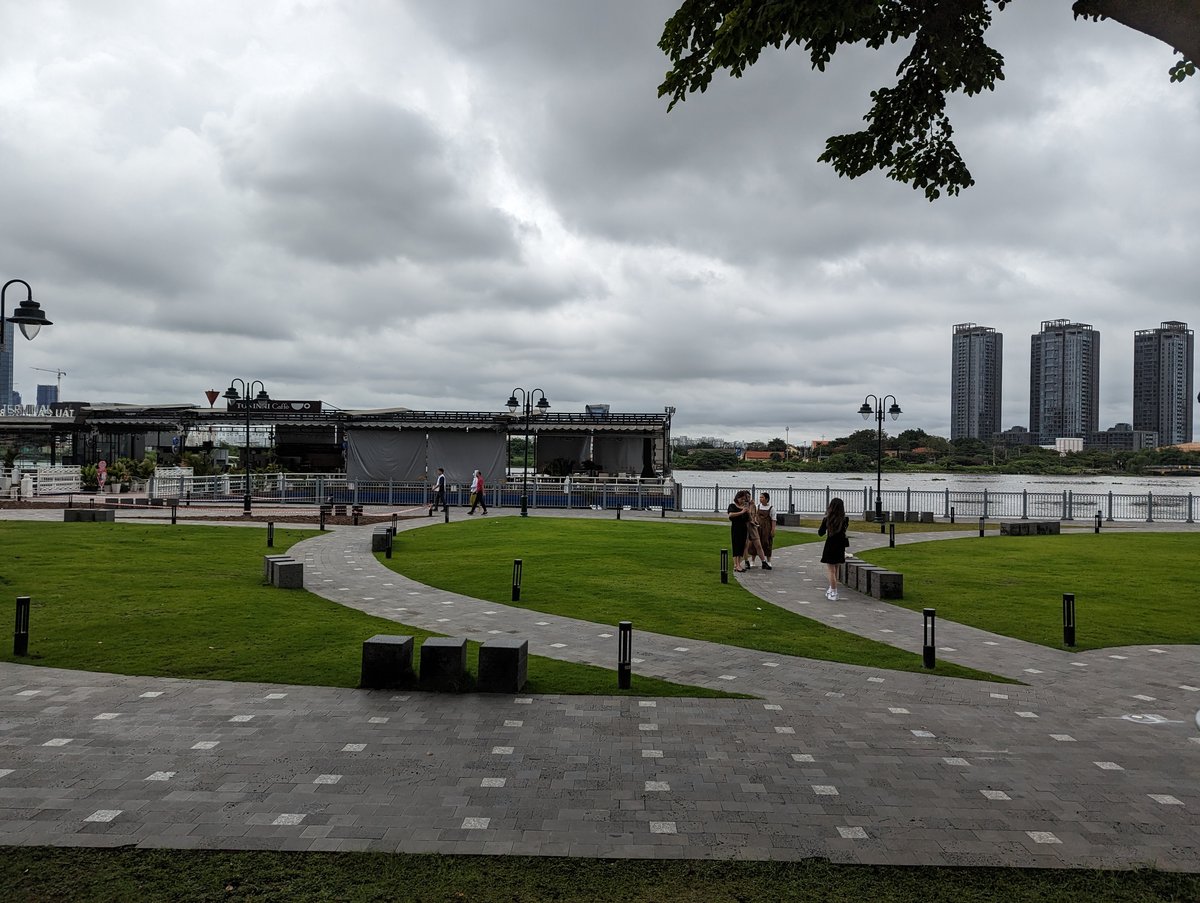
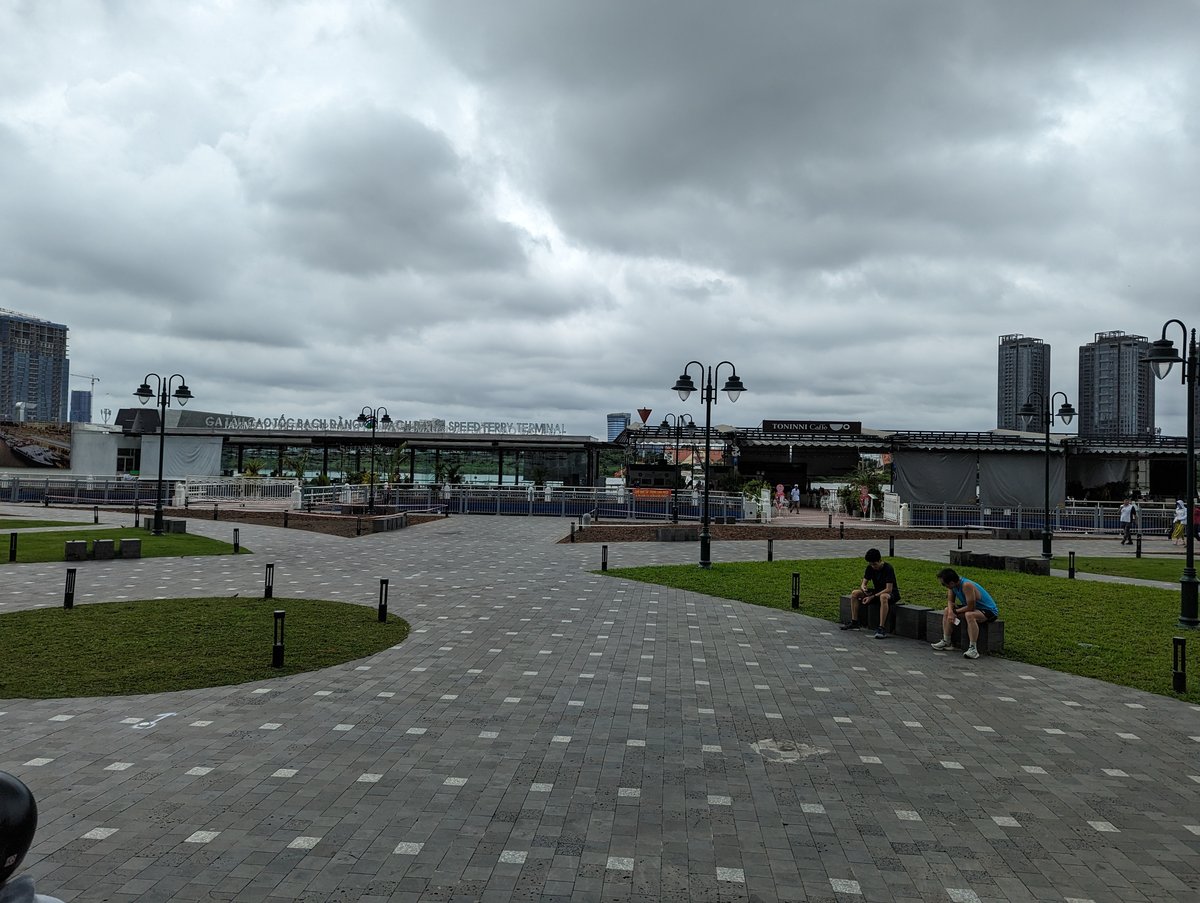
The expanded Bach Dang Park offers meticulously landscaped gardens, native trees, and flower beds. Sculptures and public art installations enhance the cultural landscape, and shaded walkways provide comfort for visitors.
Riverfront Infrastructure
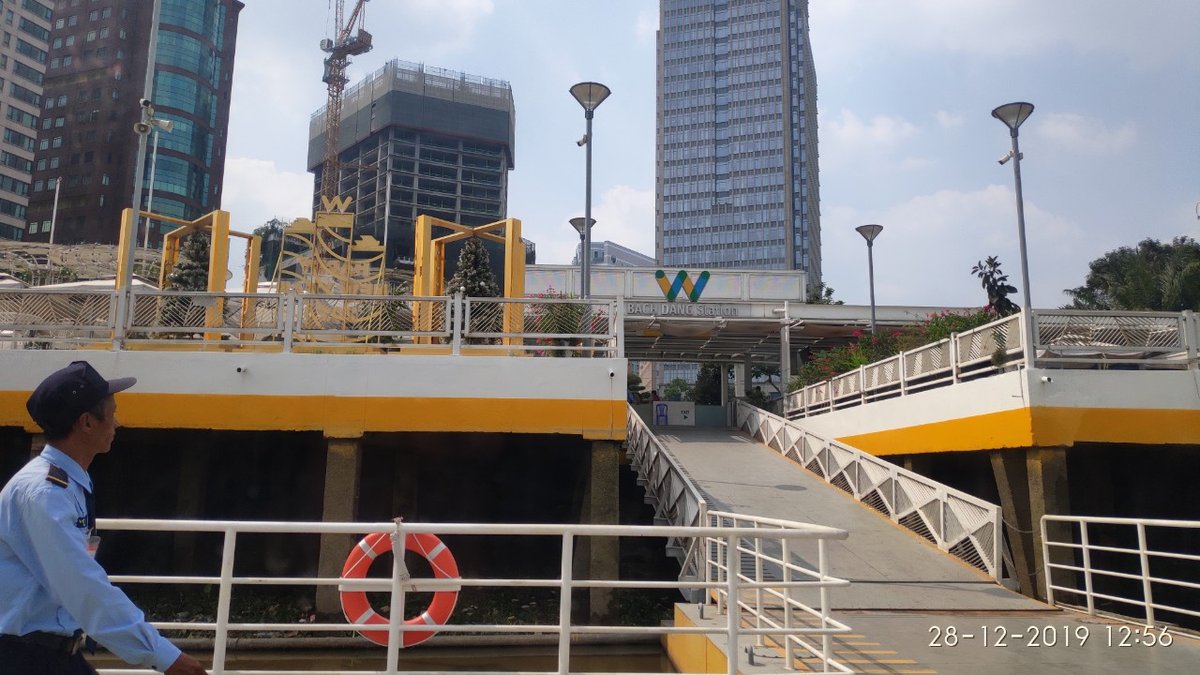
The Bach Dang Waterbus Station is a modern transport hub connecting the city to the Mekong Delta and other districts. Wide paths, ramps, and rest areas ensure accessibility for all visitors (Lonely Planet).
Nighttime Ambiance
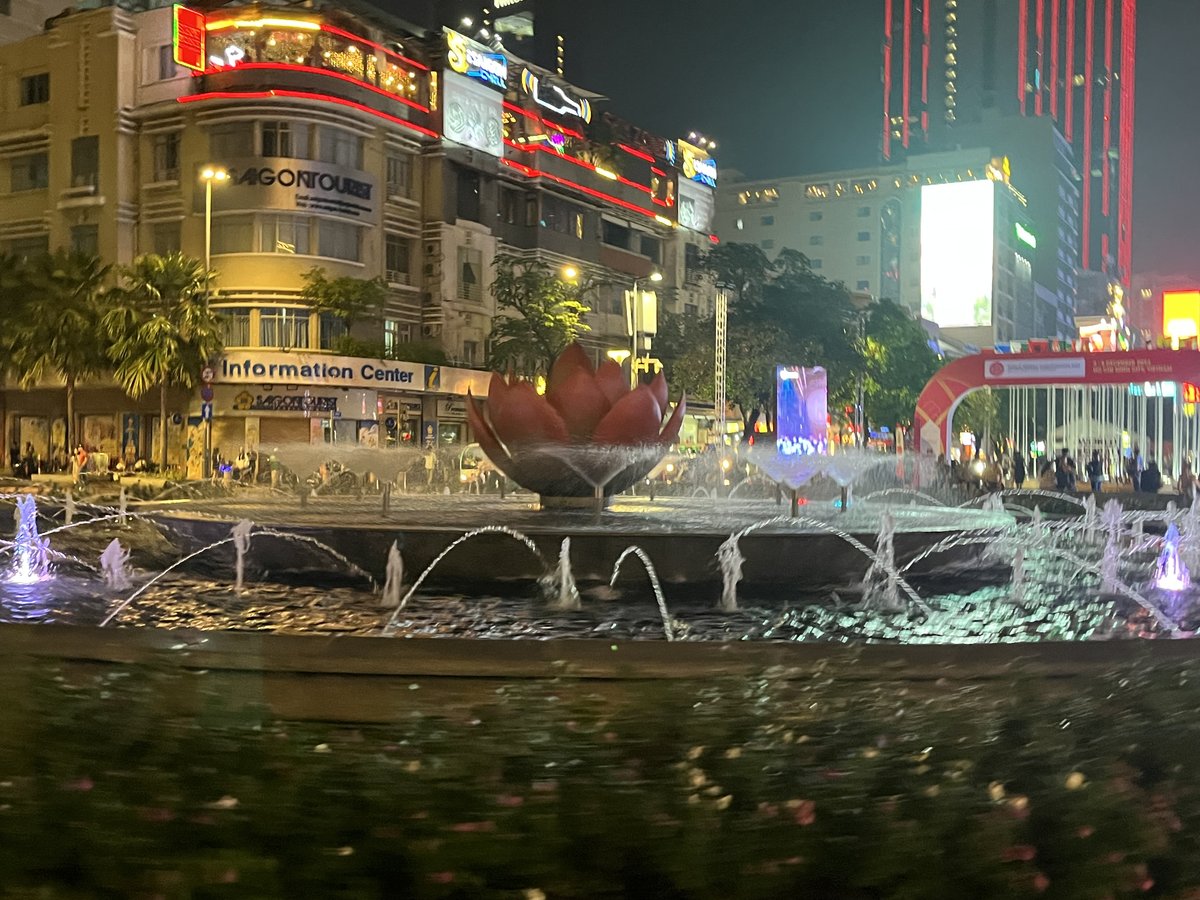
Evenings at Bach Dang Quay feature LED lighting that highlights architectural details and creates a festive riverside atmosphere. Reflections on the Saigon River make it a photographer’s delight (VietnamOnline).
The Saigon River and Biodiversity
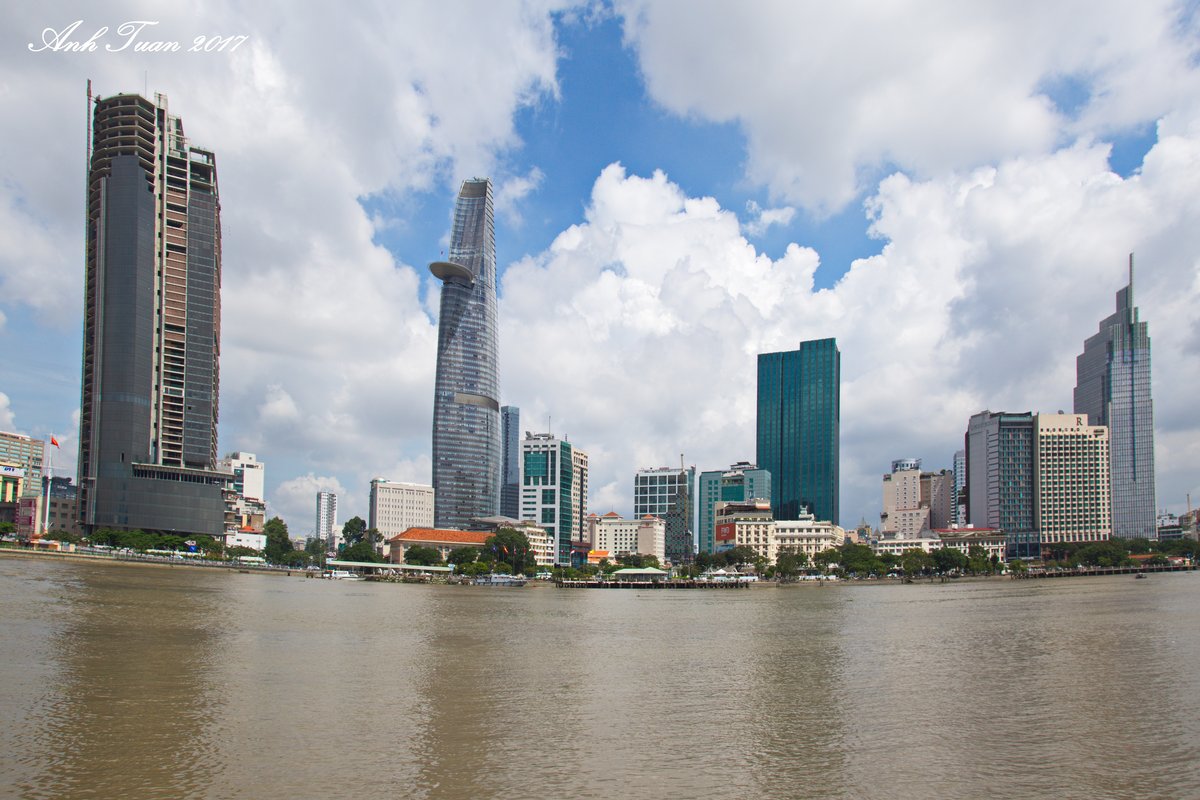
The Saigon River is central to Bach Dang Quay’s appeal, offering a scenic backdrop with constant boat activity. Gardens and lawns attract birds and butterflies, contributing to urban biodiversity.
Cultural and Community Significance
Urban Identity
Bach Dang Quay is deeply integrated into the daily life of Ho Chi Minh City. It’s a favored spot for morning exercise, evening strolls, and social gatherings. Its open, inclusive spaces foster community and cross-cultural exchange (Lonely Planet).
National Celebrations and Artistic Expression
The quay is a stage for major public events, fireworks, and holiday celebrations such as Tet and National Day. Street artists, musicians, and dancers frequently perform here, adding vibrancy and showcasing local talent.
Memorialization
Monuments like the Tran Hung Dao statue and the Thu Ngu Flagpole anchor the area’s significance in Vietnamese history and collective memory. Plaques and interpretive signage offer educational context for visitors.
Visitor Information
Visiting Hours and Tickets
- Public Area Open 24/7; free access.
- Ho Chi Minh Museum (Nha Rong Wharf) 8:00 am to 5:00 pm; admission ~40,000 VND (Vietnam Is Awesome).
- River Cruises Most operate in the evening (6:30 pm to 10:00 pm). Tickets range from 400,000 to 1,200,000 VND depending on cruise type (Saigon Traveling).
Accessibility
Bach Dang Quay is wheelchair accessible, with ramps, smooth pathways, and public toilets with accessible features.
Getting There
Located at Ton Duc Thang and Hai Ba Trung streets, District 1. Easily reached by foot from Nguyen Hue Walking Street or Ben Thanh Market, and by taxi, public bus, or waterbus.
- From Ben Thanh Market 18-minute walk (1.7 km) or short taxi ride (Saigon Traveling).
Travel Tips
- Best Times Early morning and late afternoon for cooler temperatures and vibrant local activity.
- Weather Dress for the tropical climate; bring sun protection and rain gear in wet season (VietnamOnline).
- Etiquette Respectful dress and behavior are recommended when visiting nearby temples or museums.
Things to Do at Bach Dang Quay
Riverside Strolls and Park Activities
Enjoy the promenade’s scenic views, relax on park benches, or join locals in tai chi, jogging, or group dances. The park’s open spaces are ideal for families and groups.
River Cruises and Water Transport
- Saigon Waterbus Scenic rides along the river.
- Hydrofoils to Vung Tau Fast connections to the coast.
- Dinner Cruises Multi-course meals and live music on the river.
Tickets can be purchased at the pier or through tour operators (Wikipedia).
Historical and Cultural Landmarks
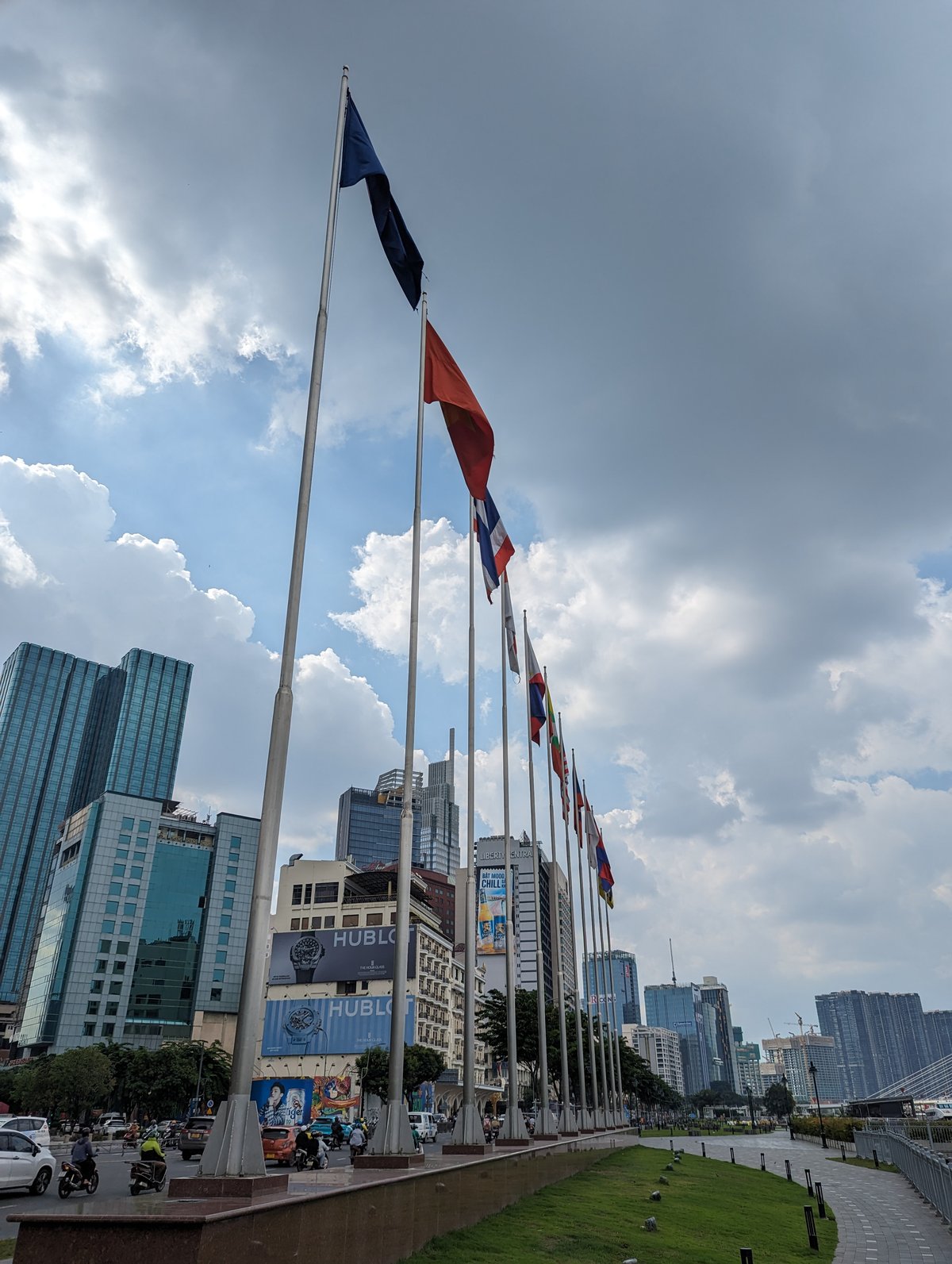
- Thu Ngu Flagpole French-built signal post (1865).
- Tran Hung Dao Statue Monument honoring a national hero.
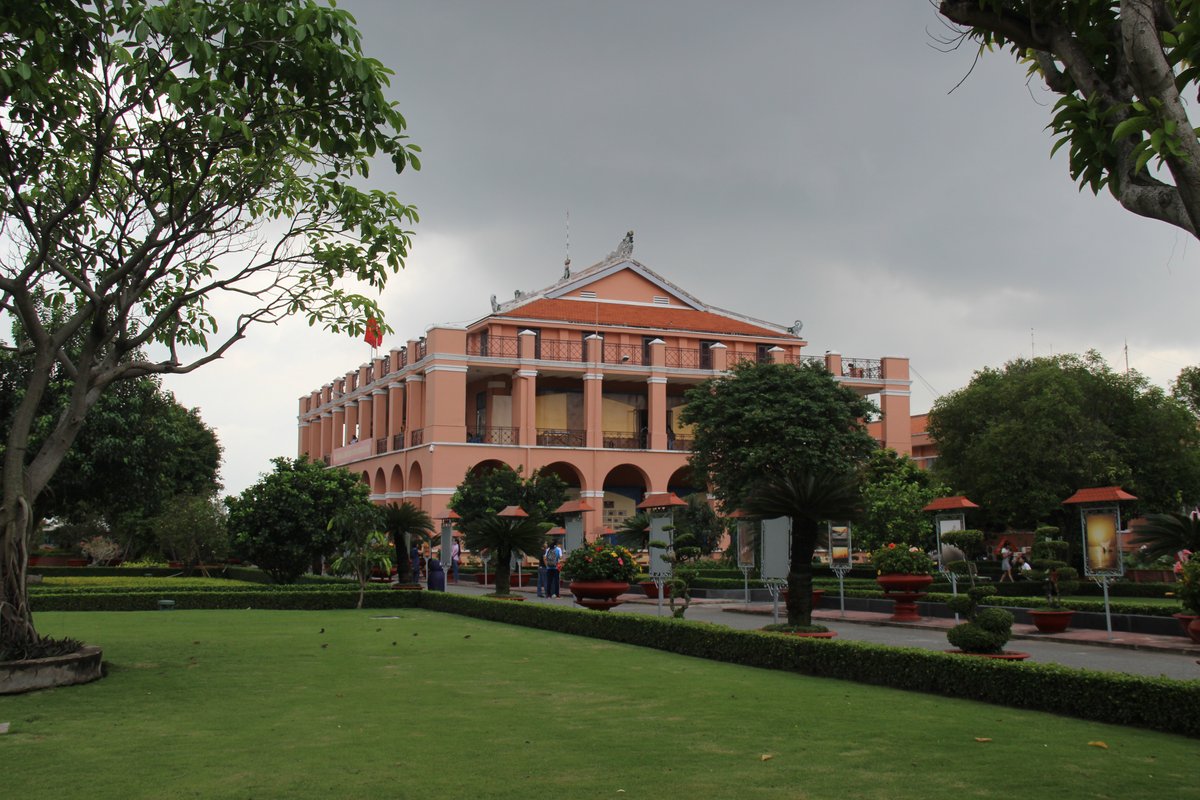
- Nha Rong Wharf (Ho Chi Minh Museum) Key site in Vietnam’s revolutionary history.
Dining and Nightlife
Choose from riverside cafes, floating restaurants, and street food vendors. Try local specialties like banh mi and sugarcane juice while enjoying river views (Jackfruit Adventure).
Events and Festivals
Look out for seasonal festivals, art exhibitions, and performances, especially during Tet and other holidays (VietnamPlus).
Guided Tours and Unique Experiences
Join guided walking or cycling tours to learn about the quay’s history and architecture, or book a photography tour at sunrise or sunset (Jackfruit Adventure).
Nearby Attractions
- Nguyen Hue Pedestrian Mall Bustling boulevard with fountains and performances.
- Saigon Opera House Historic venue for music and theater.
- Bitexco Financial Tower & Landmark 81 Iconic skyscrapers with observation decks.
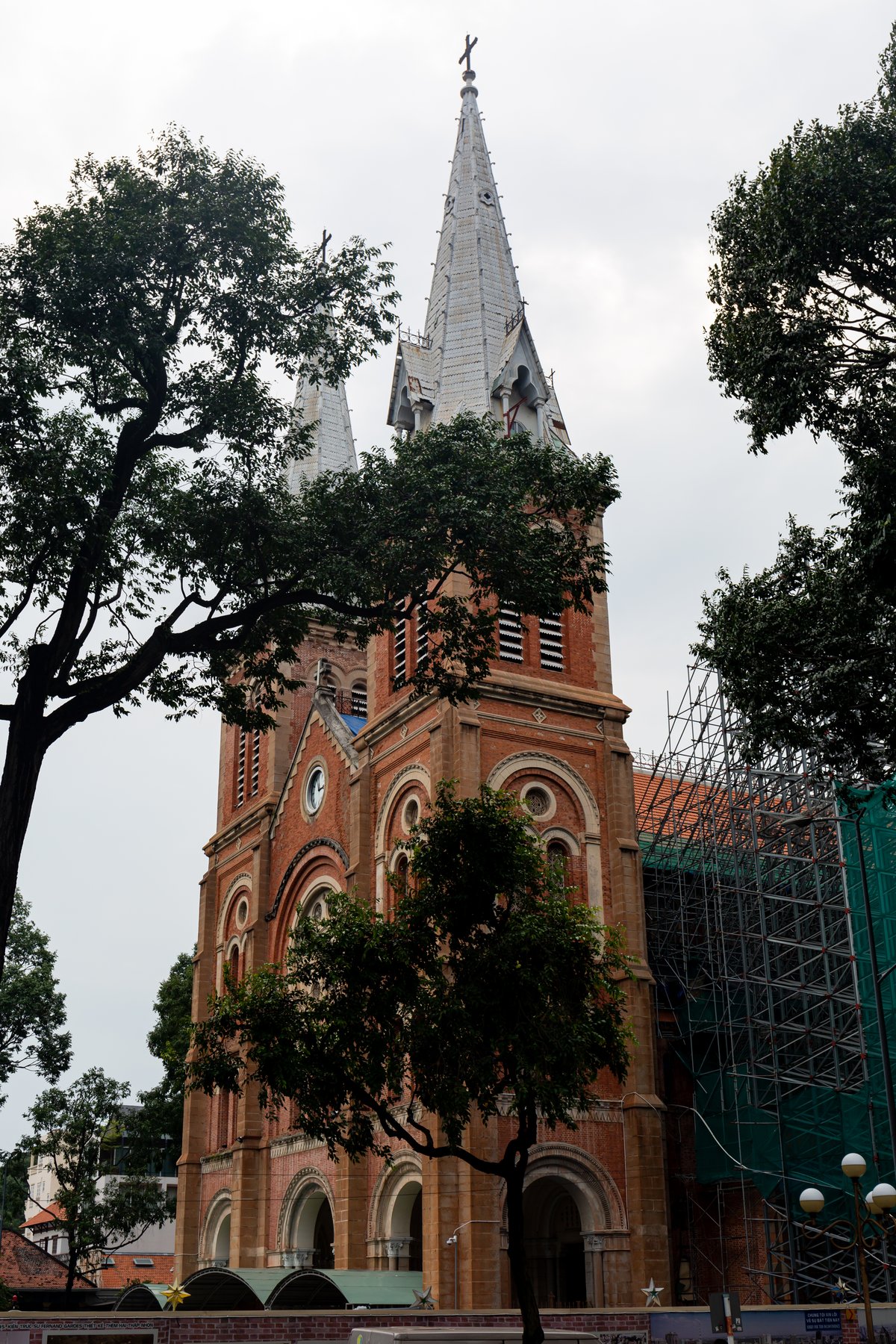
- People’s Committee Building, Central Post Office, Notre Dame Cathedral Notable colonial-era sites (VietnamPlus).
Frequently Asked Questions (FAQ)
Q: What are Bach Dang Quay’s opening hours?
A: Open 24/7; free entry.
Q: Are tickets required?
A: No for the park and promenade. Museum visits and cruises may require tickets.
Q: Is Bach Dang Quay wheelchair accessible?
A: Yes, with ramps and accessible toilets.
Q: How do I get there?
A: Walk from central District 1, or use public transport or taxi.
Q: What’s the best time to visit?
A: Early morning or evening for comfort and atmosphere.
Discover More
Bach Dang Quay is a living testament to Ho Chi Minh City’s historical depth, cultural vibrancy, and scenic beauty. Its accessible riverside setting, iconic landmarks, park spaces, and bustling events make it a must-visit for anyone traveling to Saigon. Plan your visit to enjoy a unique blend of the city’s past and present—take a river cruise, join a festival, or simply relax and watch the world go by along the Saigon River.
For more travel inspiration and the latest updates, download the Audiala app, explore related articles, and follow us on social media.