Origins and Development of Tôn Đức Thắng Boulevard
Originally established during the French colonial era as Boulevard Luro, Tôn Đức Thắng Boulevard was designed as a strategic riverside artery, facilitating trade, governance, and military movement. Its proximity to the Saigon River allowed for efficient transport of goods and people, reinforcing Saigon’s role as a commercial hub in French Indochina. The area featured colonial villas, warehouses, and the historic Ba Son Shipyard—a naval facility dating back to the 18th century, pivotal through both colonial and revolutionary periods (Ton Duc Thang Boulevard: A Historical Gem).
After 1954, with the end of French rule, the boulevard was renamed Cuong De Boulevard under the Republic of Vietnam, honoring anti-colonial royalist Prince Cường Để. During the Vietnam War, the boulevard's importance increased as a military and logistical route, especially given its proximity to strategic locations like the U.S. Embassy and the Saigon port.
Following reunification in 1975, the boulevard was renamed yet again to honor Tôn Đức Thắng, the country's second president and a key revolutionary figure, symbolizing national unity and Vietnam’s new era (Saigoneer).
Historical Transformation and Urban Renewal
The late 20th and early 21st centuries ushered in dramatic changes for Tôn Đức Thắng Boulevard. The redevelopment of the Ba Son Shipyard into a mixed-use precinct and the construction of major infrastructure such as the Ba Son Bridge (opened in 2022) have anchored the boulevard as a gateway between historic District 1 and the modern Thu Thiem New Urban Area (Future Southeast Asia).
To accommodate these new projects, large-scale changes included the relocation of hundreds of mature trees, sparking debates over heritage conservation and urban greening. The boulevard’s riverfront is now home to wide promenades, landscaped parks, and modern lighting, making it accessible and inviting for both locals and visitors.
Key Landmarks and Attractions
1. Tôn Đức Thắng Museum
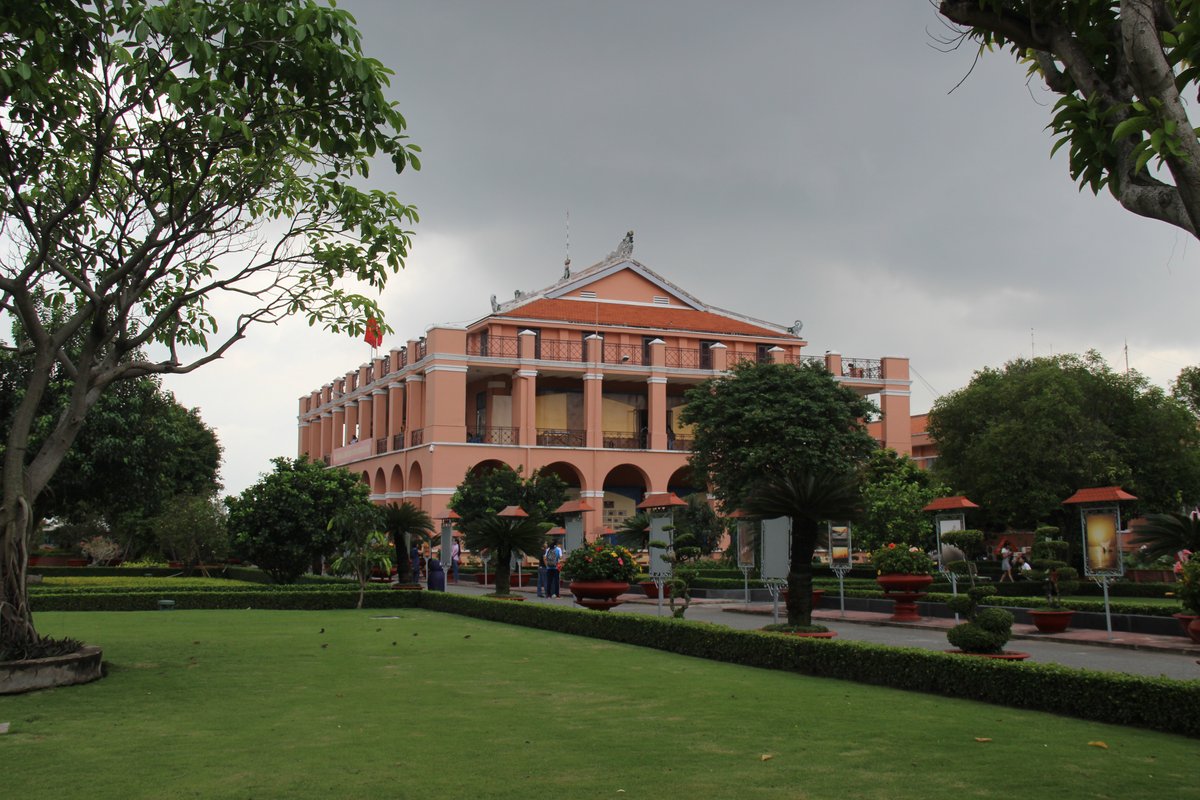
Located at 5 Tôn Đức Thắng Street, the Tôn Đức Thắng Museum chronicles the life of President Tôn Đức Thắng and the revolutionary history of Vietnam. The museum features artifacts, documents, and interactive exhibits, and has been recently expanded and modernized.
Visiting Hours: 8:00 AM – 5:00 PM, Tuesday to Sunday (closed Mondays and public holidays)
Ticket: ~40,000 VND (discounts for students and seniors)
2. Bach Dang Wharf and Park
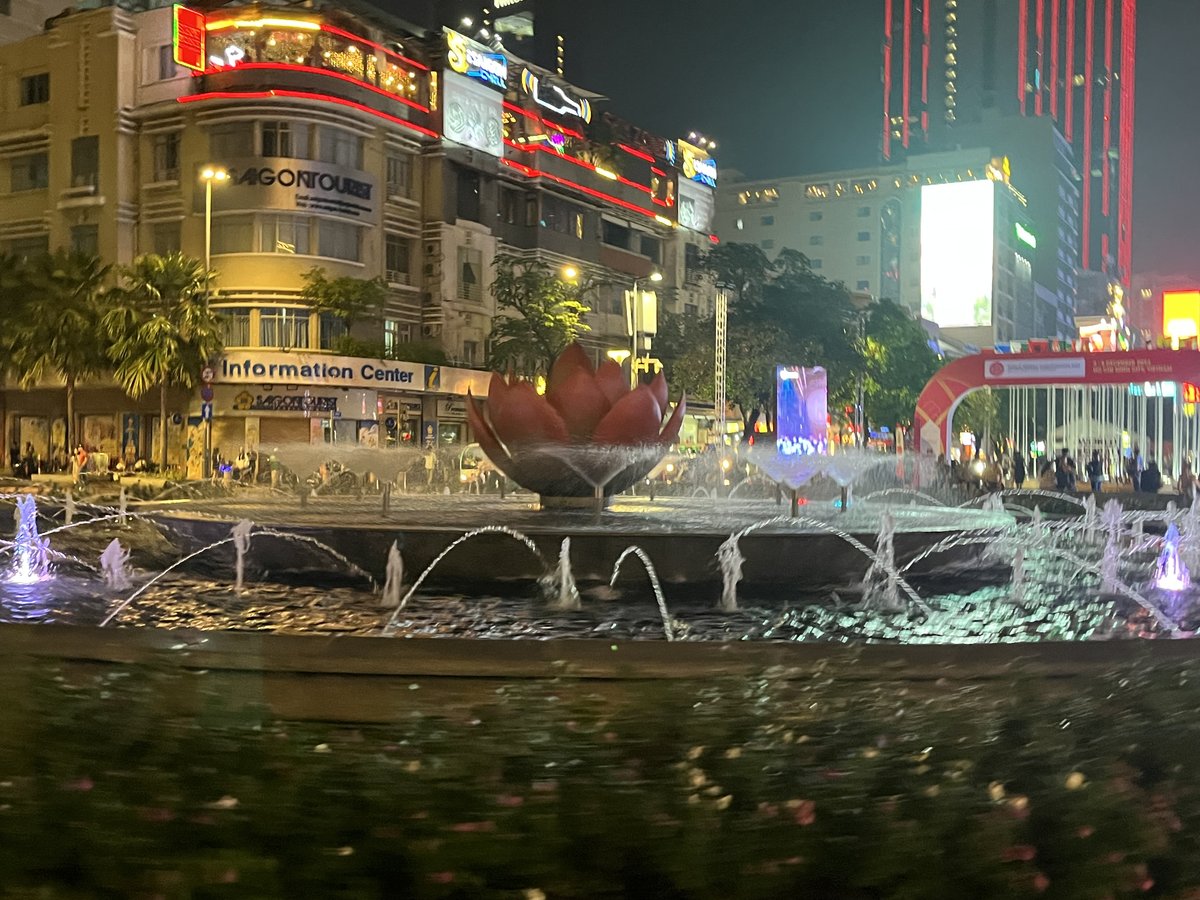
A scenic riverside promenade, Bach Dang Wharf and Park provides open green space for recreation, morning exercises, and evening strolls. The area is undergoing further upgrades, including underground shopping and improved public amenities.
Open: 24/7
Ticket: Free
3. Me Linh Square
Me Linh Square is a historic plaza at the southern end of the boulevard, featuring a statue of General Tran Hung Dao and surrounded by colonial architecture and luxury hotels.
Open: Year-round
Ticket: Free
4. Saigon Zoo and Botanical Gardens
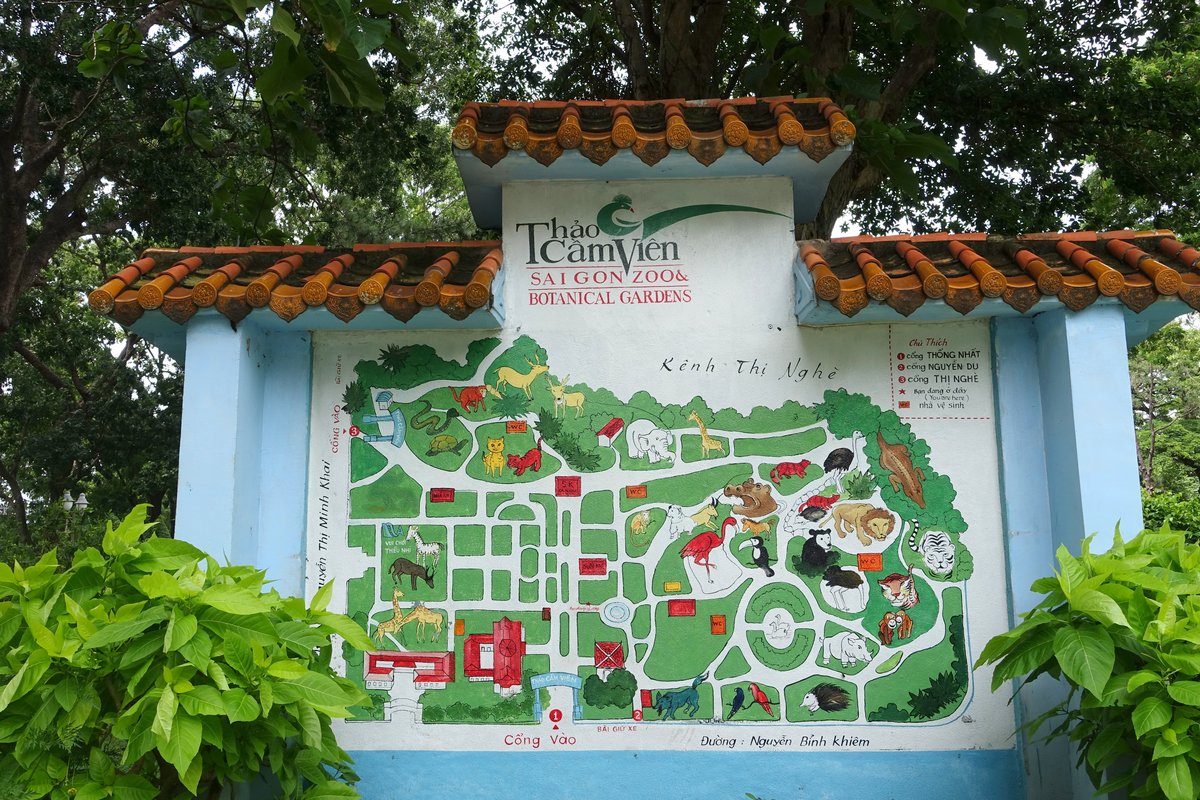
One of the world’s oldest zoos, the Saigon Zoo and Botanical Gardens offers a family-friendly escape nearby, with over 1,300 animals and 2,500 plant species.
Hours: 7:30 AM – 5:30 PM
Ticket: ~50,000 VND (adults), ~30,000 VND (children)
5. History Museum of Ho Chi Minh City
Adjacent to the zoo, the History Museum houses collections from prehistory to the Nguyen dynasty in a striking 1929 building.
Hours: 8:00 AM – 5:00 PM
Ticket: ~30,000 VND
6. Ba Son Bridge
Ba Son Bridge, a cable-stayed structure, connects District 1 with Thu Duc City, symbolizing the city’s modernization and improved connectivity.
7. Thu Ngu Flagpole
A symbol of Saigon’s maritime history, this flagpole is a popular landmark included in local heritage tours (VinWonders).
Visiting Information: Hours, Tickets, and Accessibility
- Boulevard Public Areas Open 24/7; free of charge
- Museums and Zoo Check individual sites for precise opening times and ticket prices
- Accessibility Most new developments and public spaces are wheelchair-accessible, though access may be limited in older colonial buildings
- Getting There Centrally located in District 1, reachable by taxi, bus, and soon Metro Line 1 (Ba Son Station)
Riverfront Revitalization and Public Spaces
Significant efforts have been made to reclaim the Saigon River waterfront for public enjoyment. Bach Dang Park and other green spaces now offer landscaped gardens, walking paths, and river views. The area hosts pop-up markets, art installations, and cultural festivals, aligning with global trends for integrating natural landscapes into urban environments (enCity).
Transportation and Connectivity
Metro Line 1
Opening in 2024, Metro Line 1 will connect the boulevard area with major city landmarks and reduce congestion.
Ba Son Bridge and Thu Thiem Tunnel
These key infrastructure projects enhance connectivity across the Saigon River, linking District 1 with emerging economic zones (Future Southeast Asia; RentApartment).
Water Transport
Bach Dang Wharf serves as a hub for river cruises and public water buses, offering unique perspectives of the city (Ahoy Vietnam).
Visitor Tips and FAQs
Tips for Your Visit
- Best Times Early morning or late afternoon for cooler weather and optimal lighting
- Tours Guided walking and cycling tours are available and recommended for historical context
- Photography Sunset and sunrise provide the best views along the riverfront
- Safety The area is generally safe, but standard urban precautions apply
Frequently Asked Questions
Q: What are the visiting hours for Tôn Đức Thắng Museum?
A: 8:00 AM – 5:00 PM, Tuesday to Sunday (closed Mondays and holidays)
Q: Are there entrance fees for the boulevard or parks?
A: No, public spaces are free; individual attractions may charge a fee
Q: How do I access the boulevard by public transport?
A: Ba Son Metro Station (Line 1, opening 2024), bus lines, taxis, and ride-hailing apps are all available
Q: Is the area accessible for visitors with disabilities?
A: Most new infrastructure is accessible; some heritage sites may have limitations
Q: Are guided tours available?
A: Yes, through local tour operators and at major museums